



First 10 free. Sign up to unlock 20 total. Membership opens all 218.
Your concepts journey
0 of 218 explored
Open one a day — you are quietly building real fluency in their world.
-
 Brain science
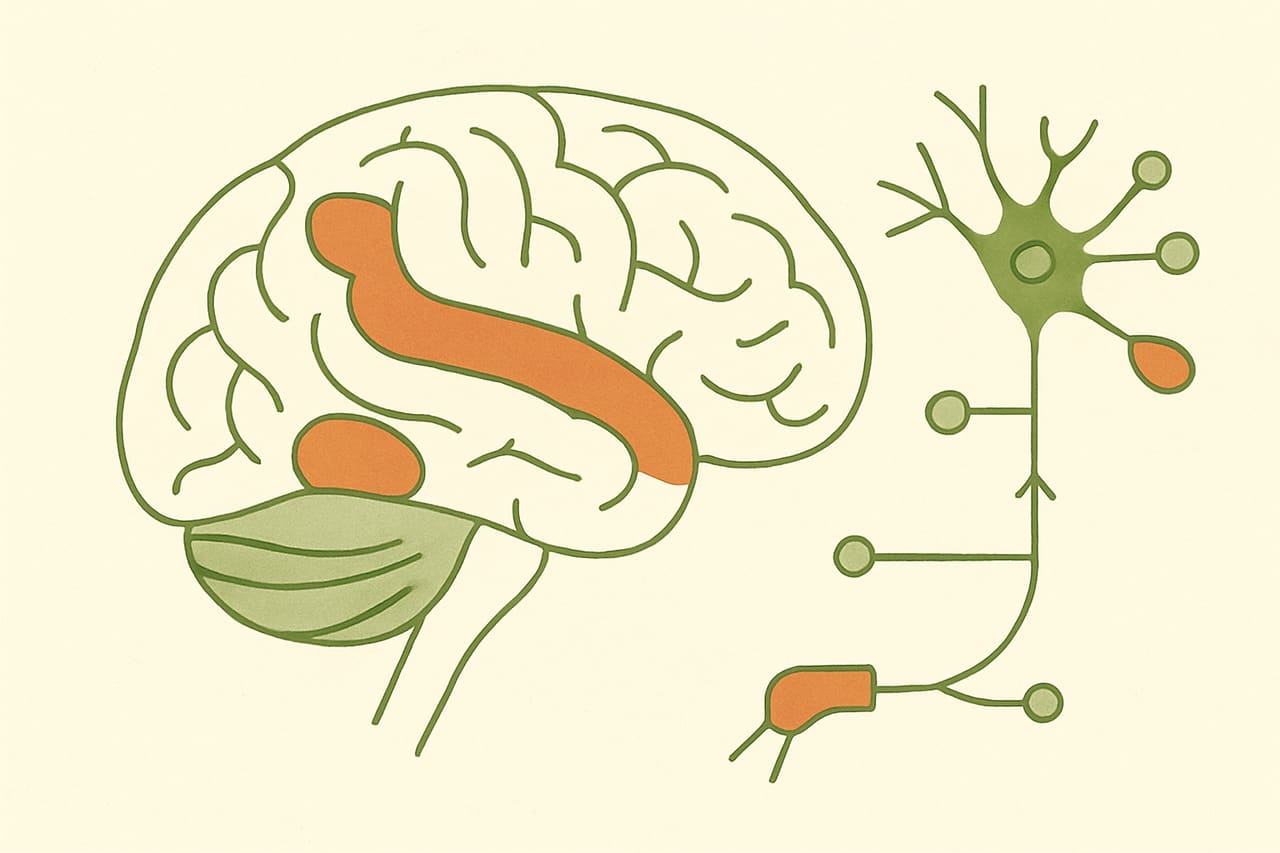
The Teen Brain Is Still Being Built
The thinking, planning part of the brain is the last to finish — not until the mid-20s. Your teen isn't broken; they're a building with the top floor still going up.
-
 Brain science
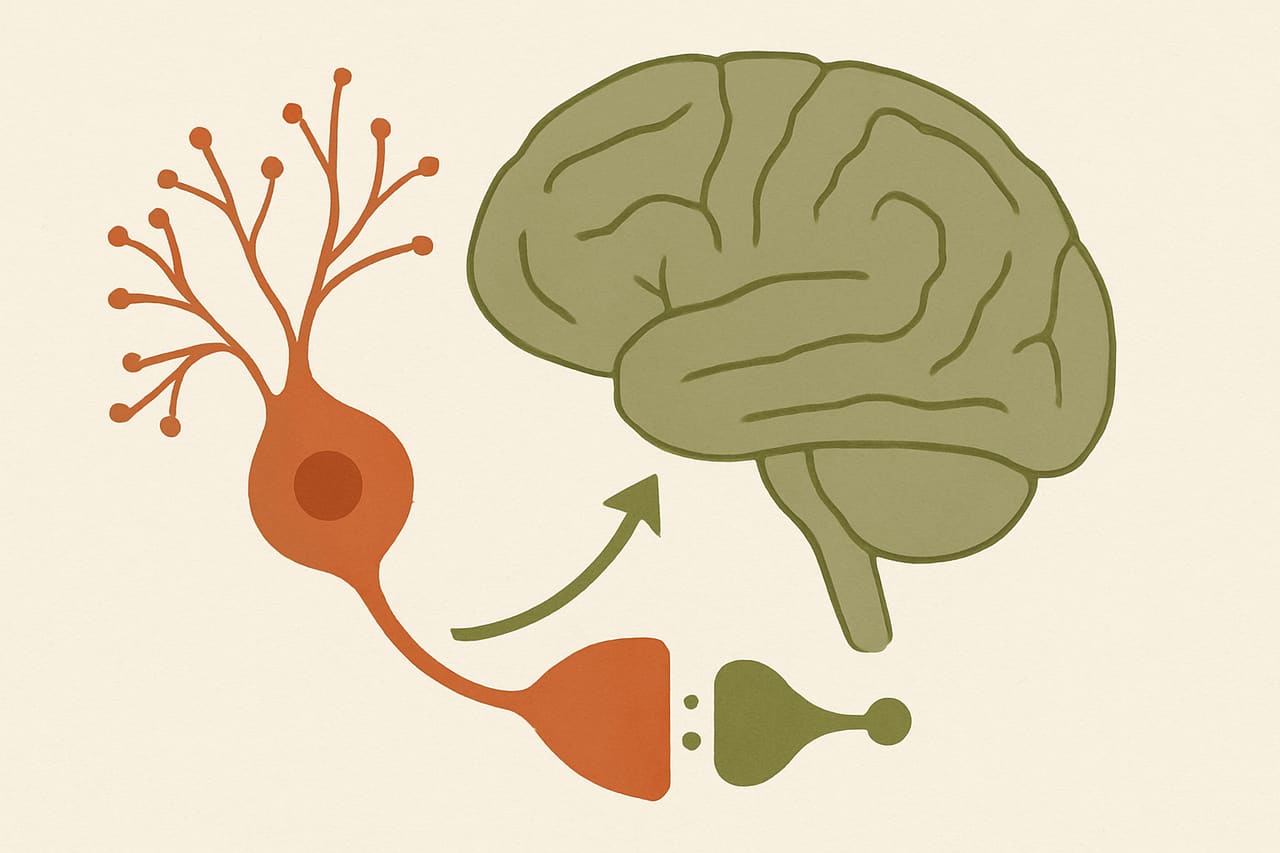
A Strong Accelerator, Weak Brakes
The reward-and-thrill system matures years before the self-control system. For a window of time, the gas pedal is floored and the brake is still soft.
-
 Brain science
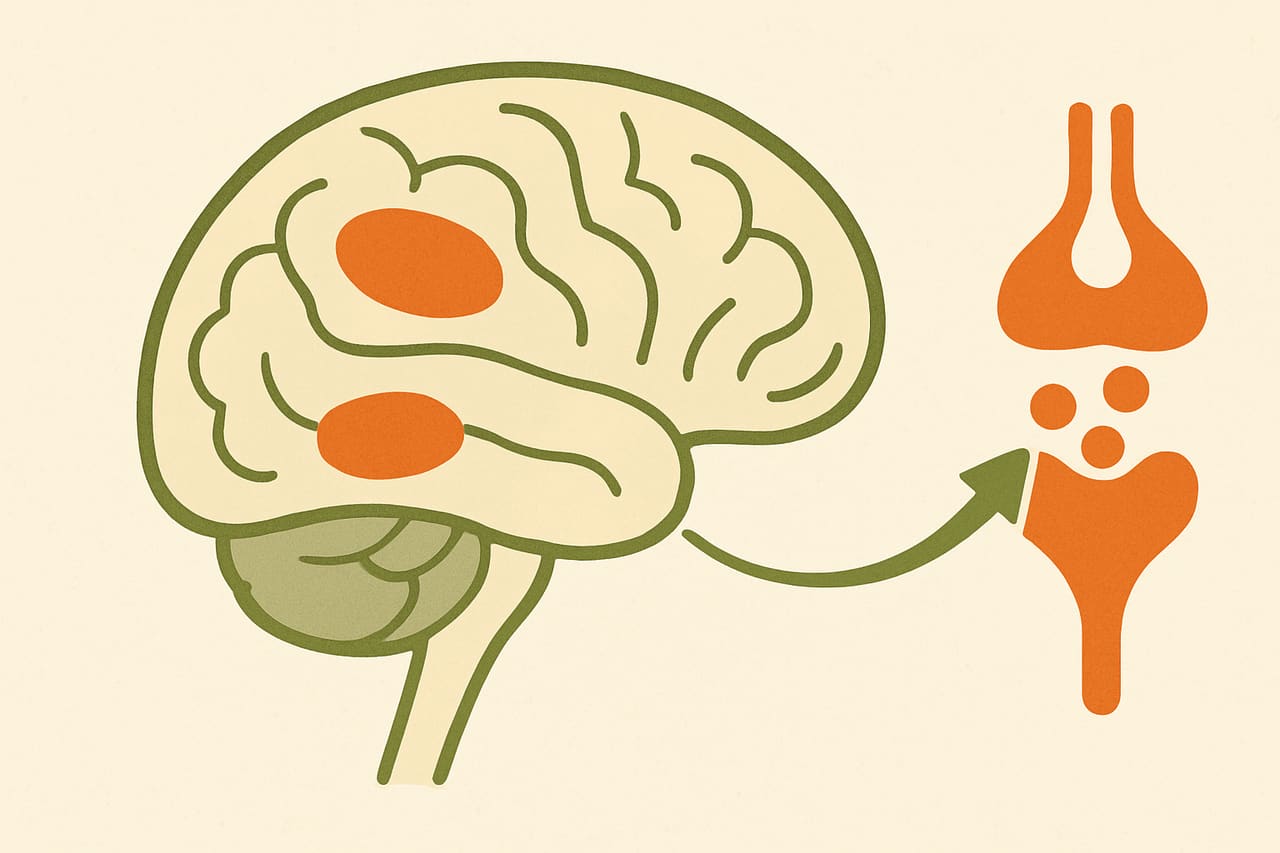
Dopamine: The Teen Reward Dial Is Turned Up
Rewards feel bigger and brighter to a teenager than to an adult. That's chemistry, and it's why a 'like' or a win can hijack an evening.
-
 Brain science
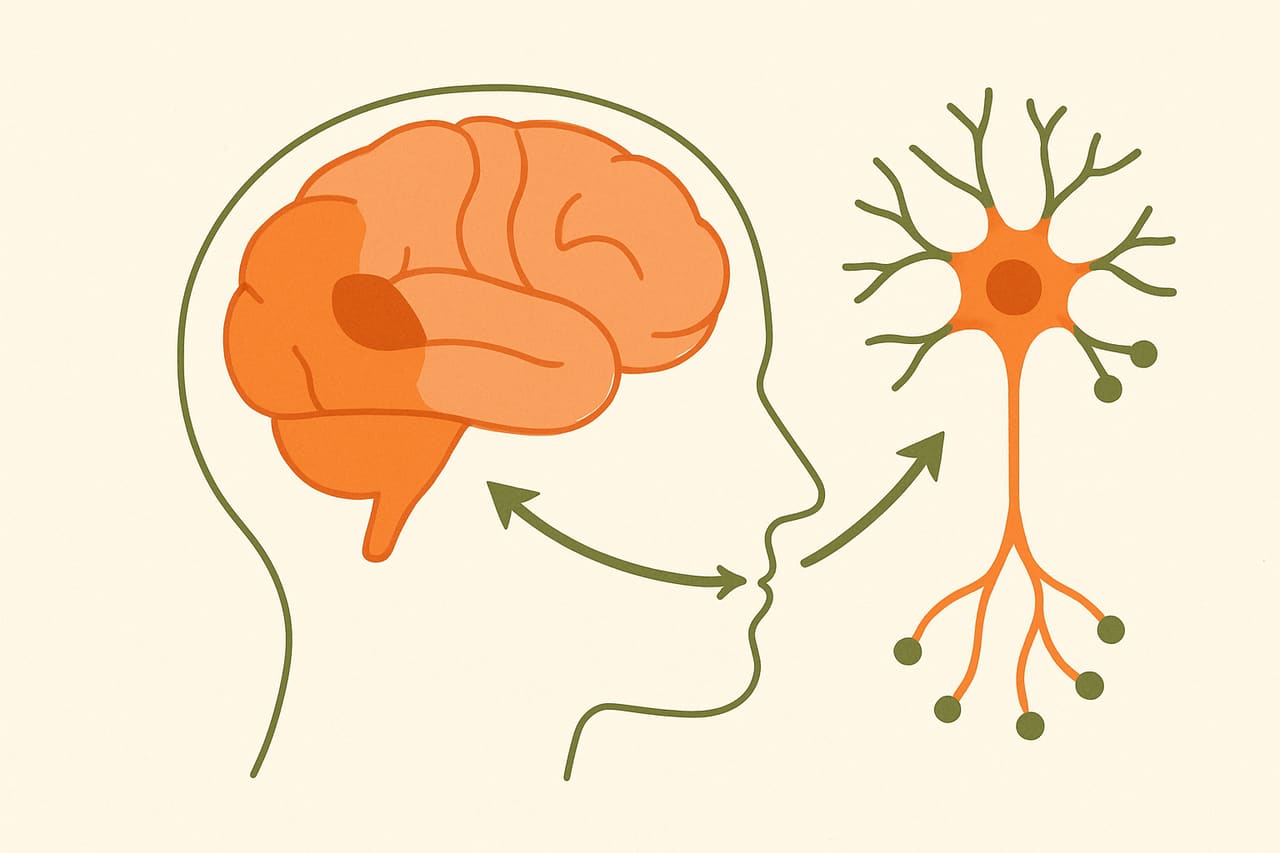
Why Teens Crave Newness
Boredom is genuinely more painful for teens, and novelty is genuinely more rewarding. This is a feature of growing up, not a flaw.
-
 Brain science
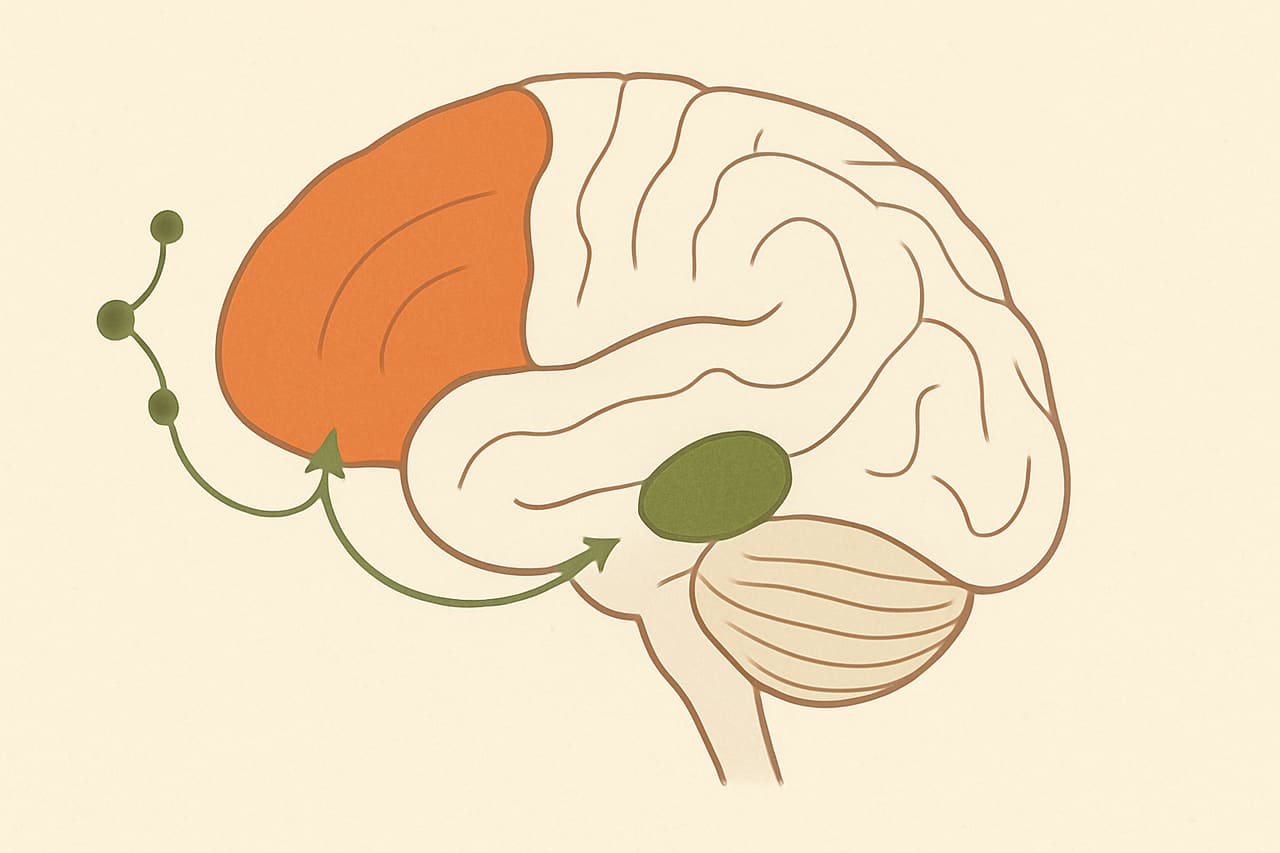
Use It or Lose It: How the Brain Sculpts Itself
The teen brain doesn't just grow — it prunes. Connections that get used get stronger; the rest fade. What they practice now is what stays.
-
 Brain science
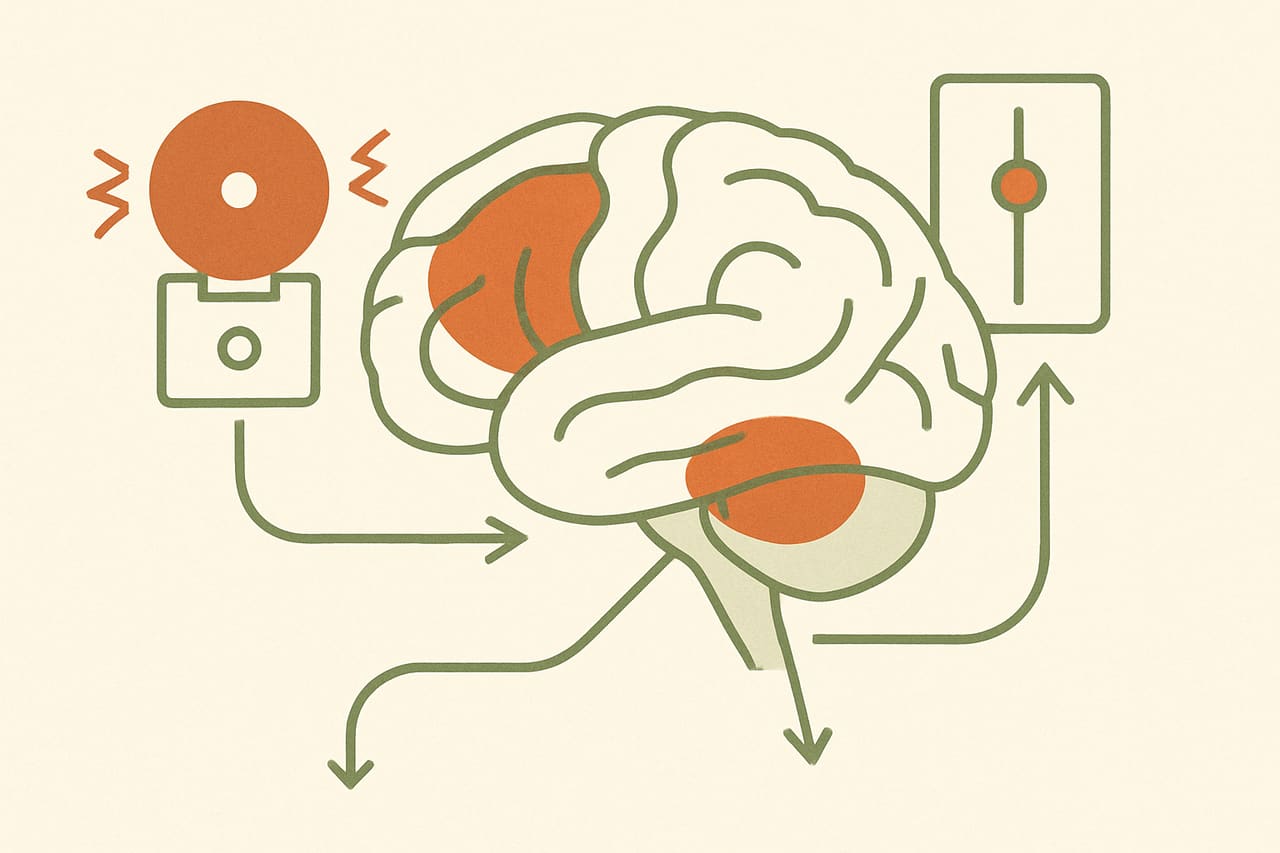
Why Feelings Hit Like a Wave
Teens often read and feel emotion with the brain's alarm center more than its reasoning center. Big feelings, fast — and not yet well-filtered.
-
 Brain science
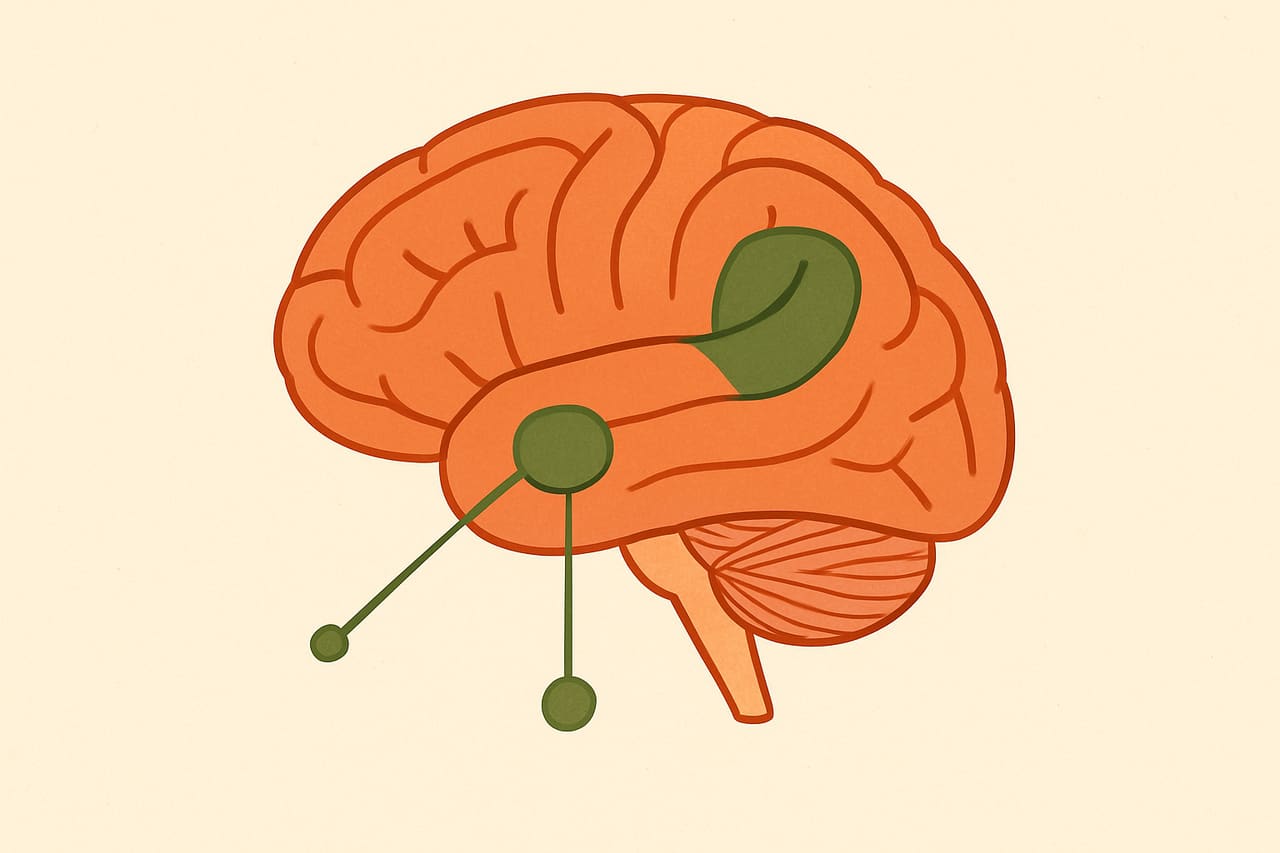
A Once-in-a-Lifetime Window for Change
The adolescent brain is unusually plastic — primed to learn, adapt, and rewire. The same openness that creates risk also makes it the best time to grow.
-
 Body & sleep
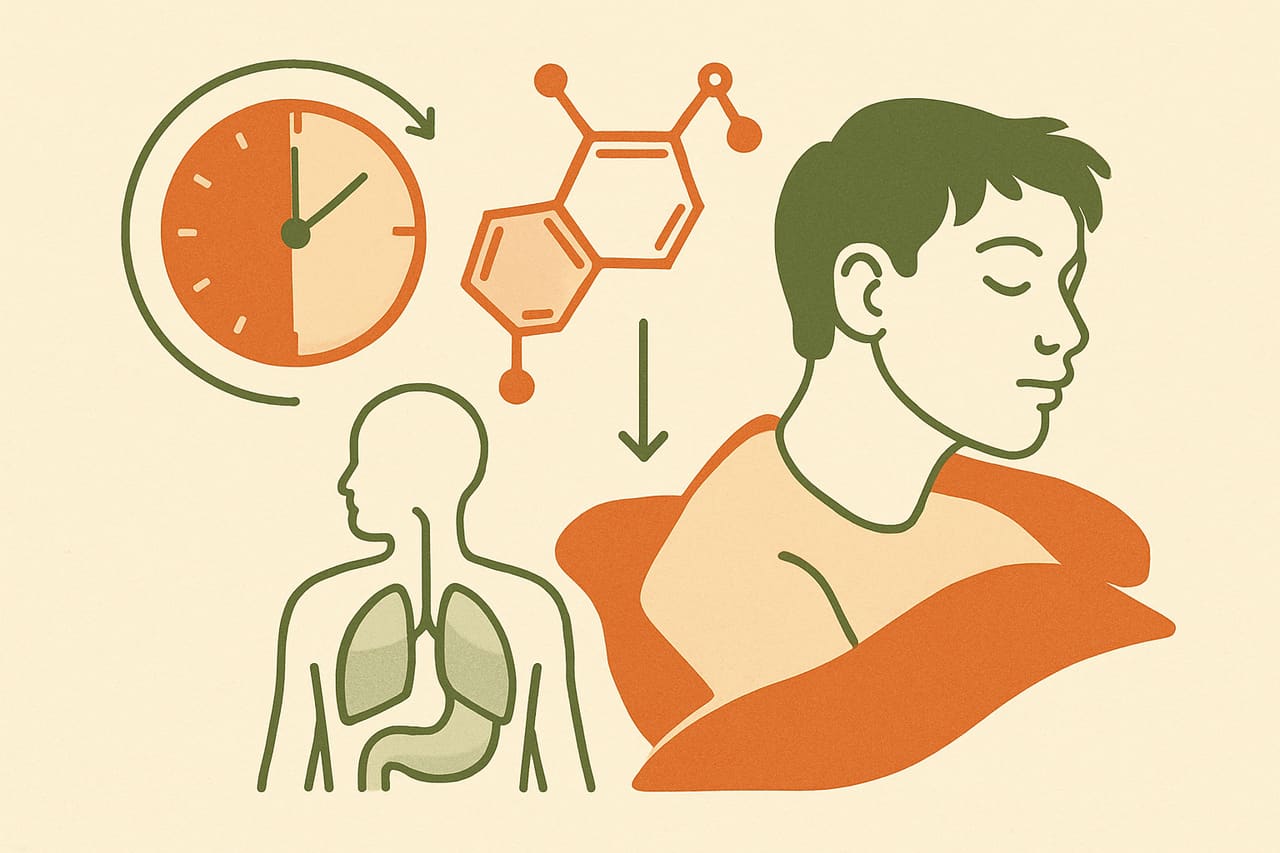
They're Not Lazy — Their Clock Moved
At puberty the body's sleep signal shifts about two hours later. Your teen literally can't fall asleep at 9pm the way they used to.
-
 Body & sleep
The Sleep–Mood–Grades Triangle
Lost sleep doesn't just make teens tired. It quietly drags down mood, memory, and grades — and the teen rarely connects the dots.
-
 Body & sleep
How Puberty Hormones Reshape Mood
The hormones of puberty don't just change bodies — they rewire how intensely teens feel, react, and read the social world.
-
 Body & sleep
Movement Is a Mood Regulator
Exercise is one of the most reliable, side-effect-free ways to lift a teen's mood and steady their attention — and most teens get far too little.
-
 Body & sleep
What Heavy Screen Time Does to a Developing Brain
Screens aren't poison, but how and how much matters. The concern isn't the device — it's what it displaces: sleep, movement, and face-to-face time.
-
 Body & sleep
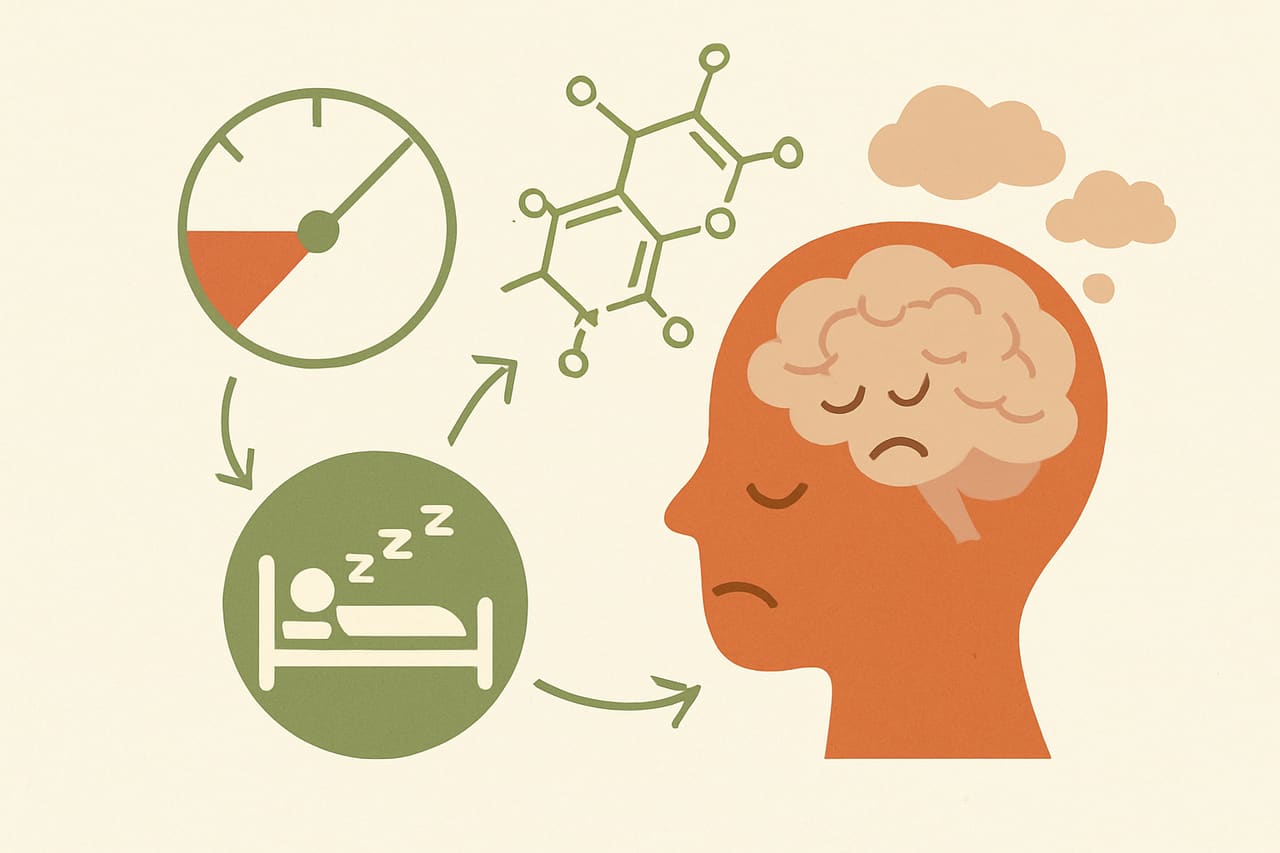
Fuel, Blood Sugar, and Teen Moods
Skipped breakfasts and blood-sugar crashes show up as irritability and brain fog. What a teen eats quietly shapes how they feel and focus.
-
 Emotions
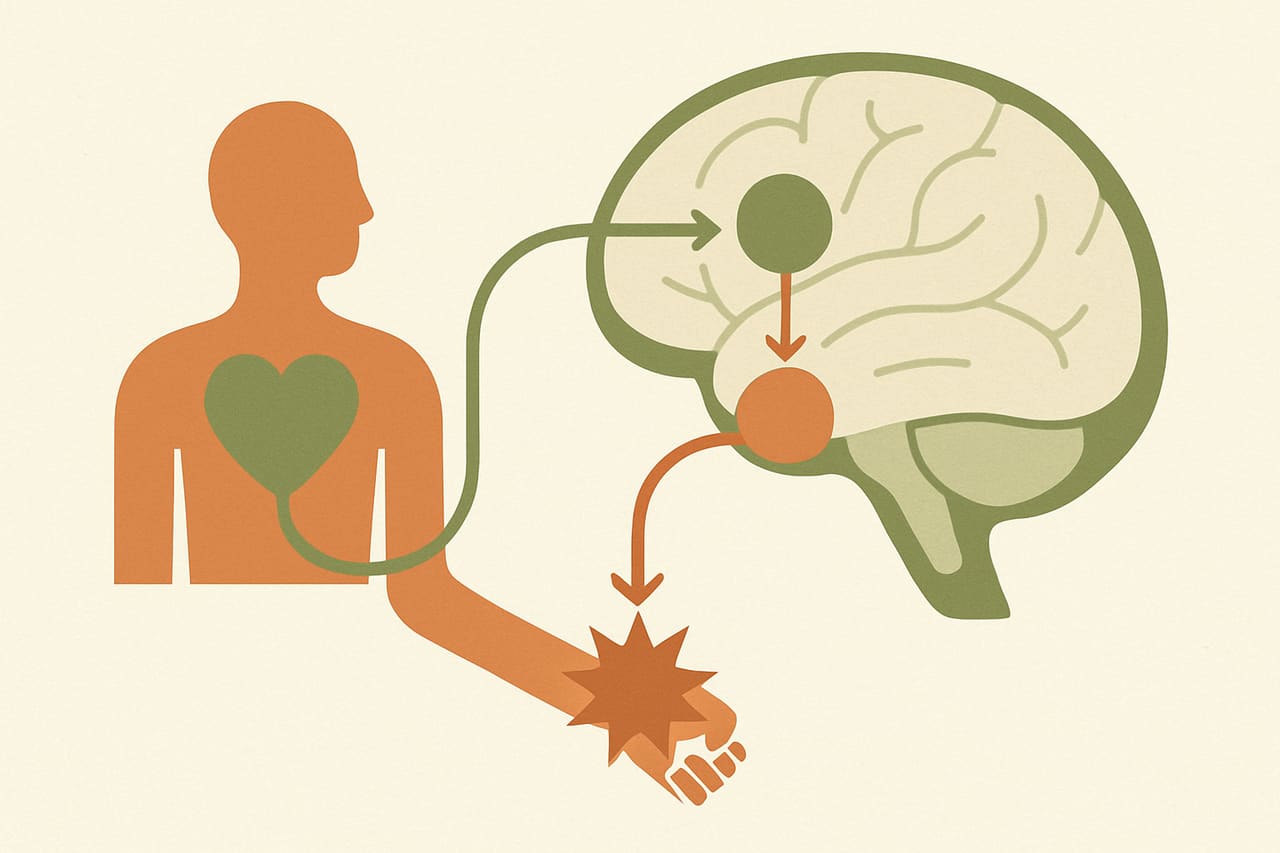
Rejection Hurts Like a Physical Wound
To the brain, being left out registers in some of the same regions as physical pain. A teen's anguish over exclusion is not an overreaction.
-
 Emotions
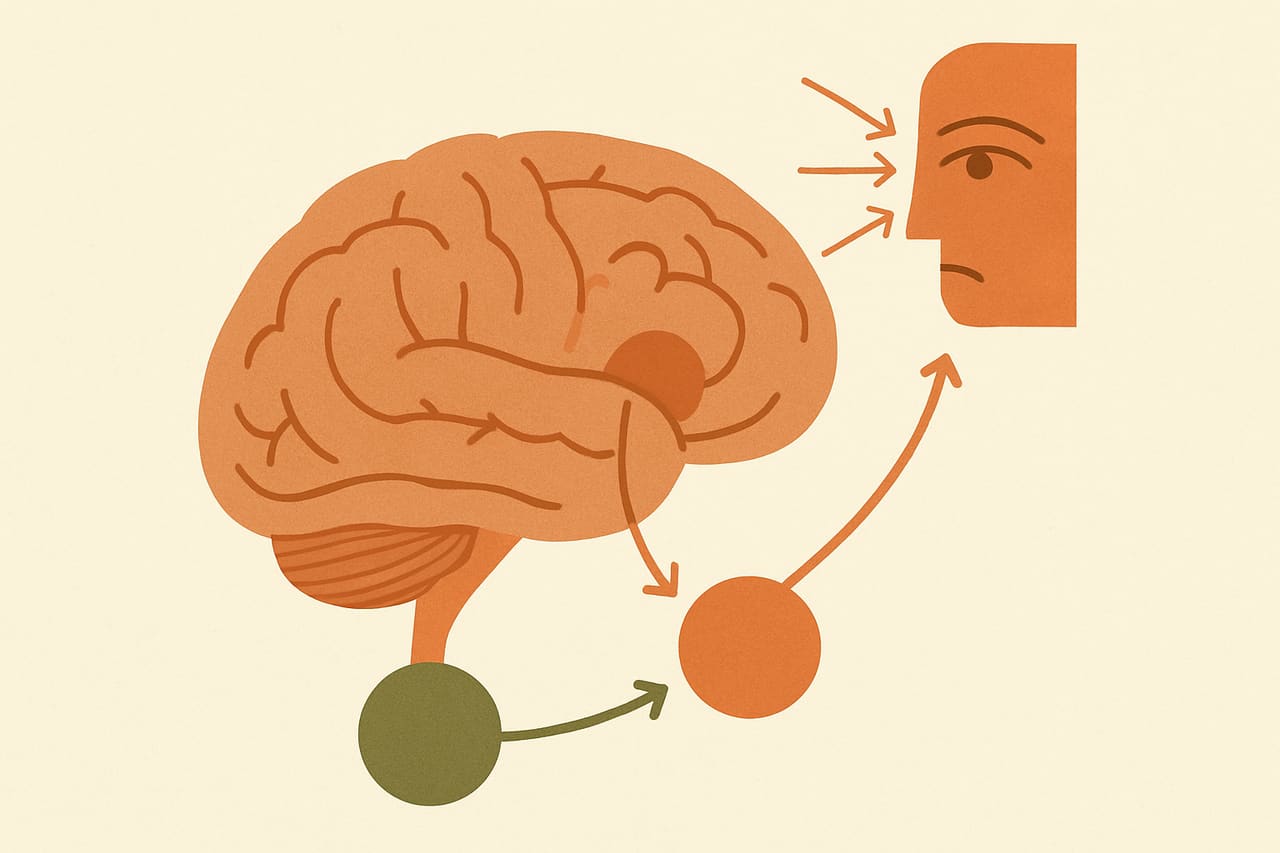
The Imaginary Audience
Teens often feel like everyone is watching and judging them. That spotlight feeling is a normal stage of how the adolescent mind develops.
-
 Emotions
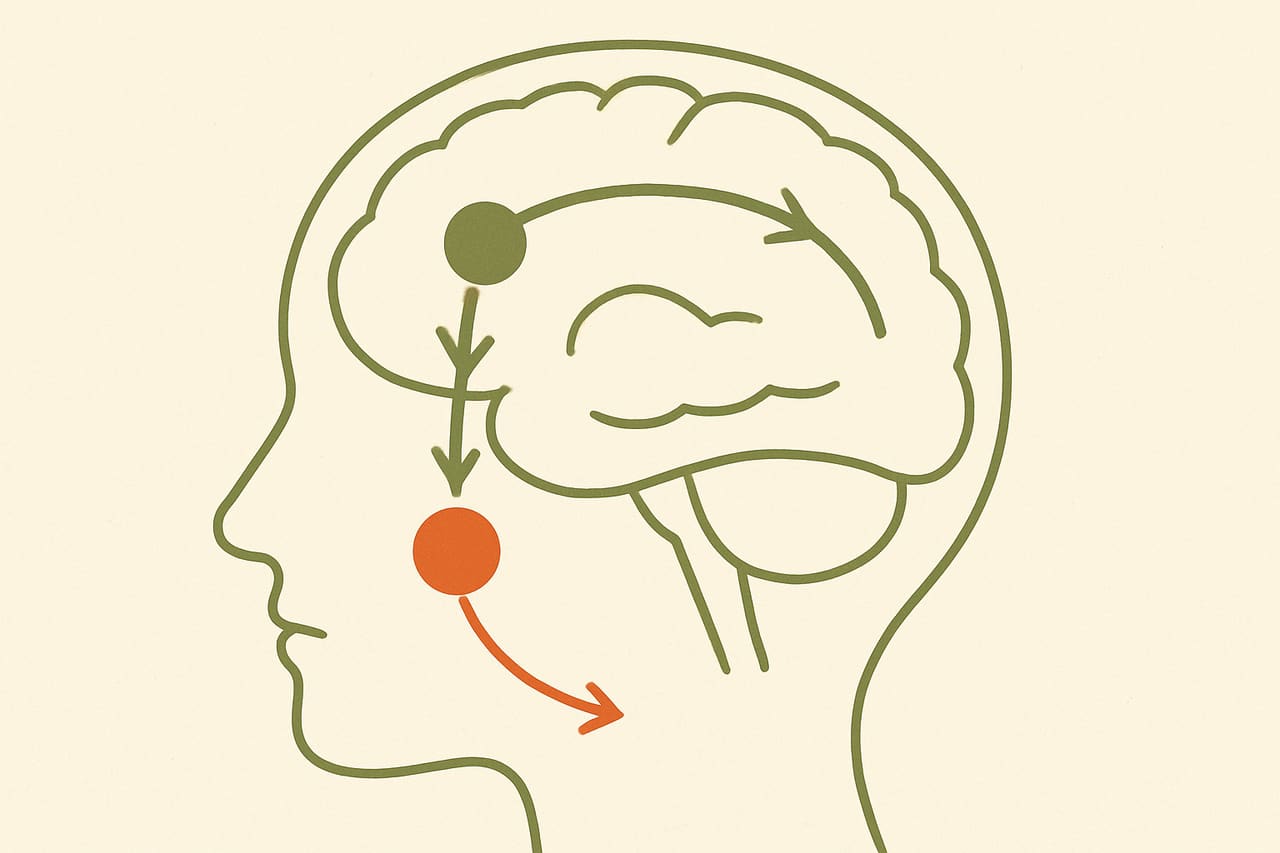
'It Won't Happen to Me'
Many teens carry a quiet belief that they're uniquely invincible — and uniquely misunderstood. It fuels both risk-taking and loneliness.
-
 Emotions
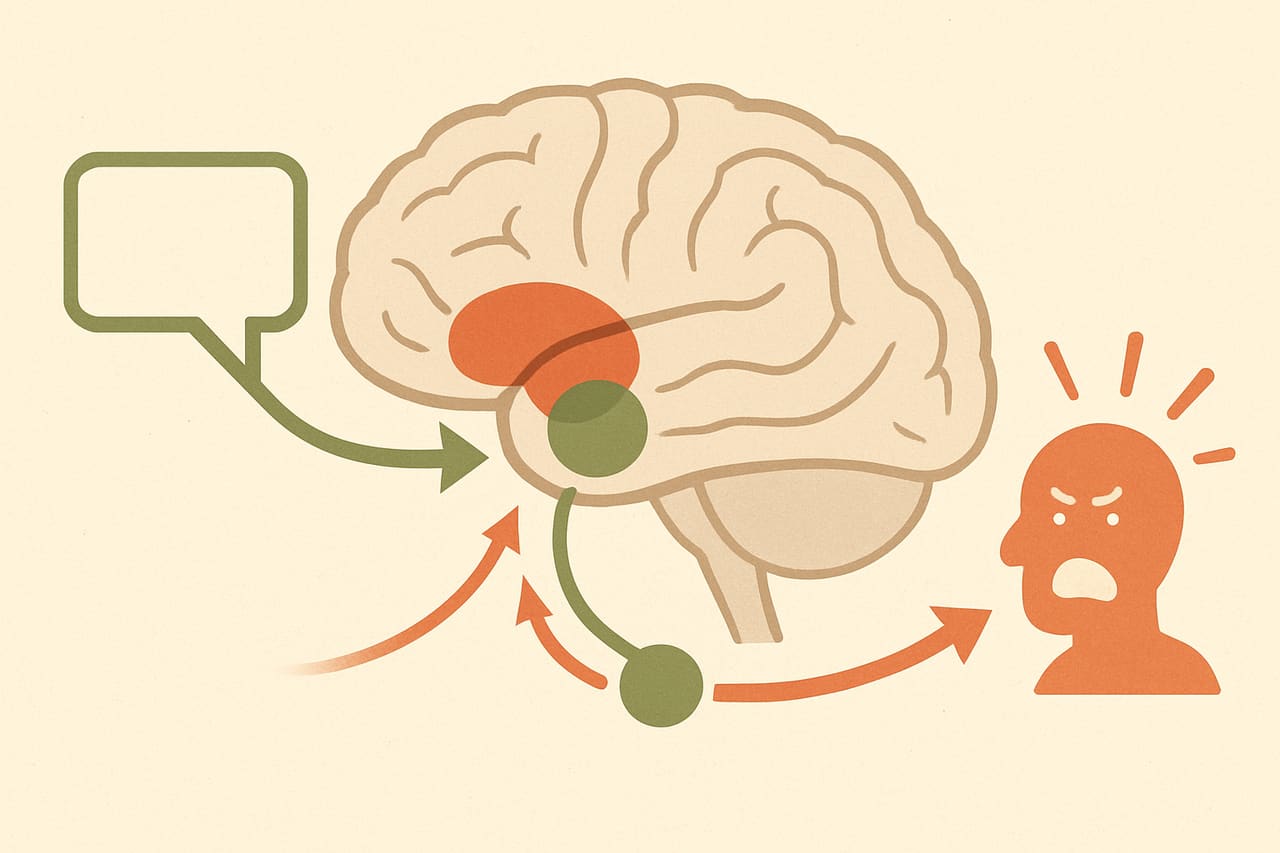
Naming a Feeling Calms It
Putting a feeling into words measurably lowers its intensity. Helping a teen name what they feel is a real intervention, not just sympathy.
-
 Emotions
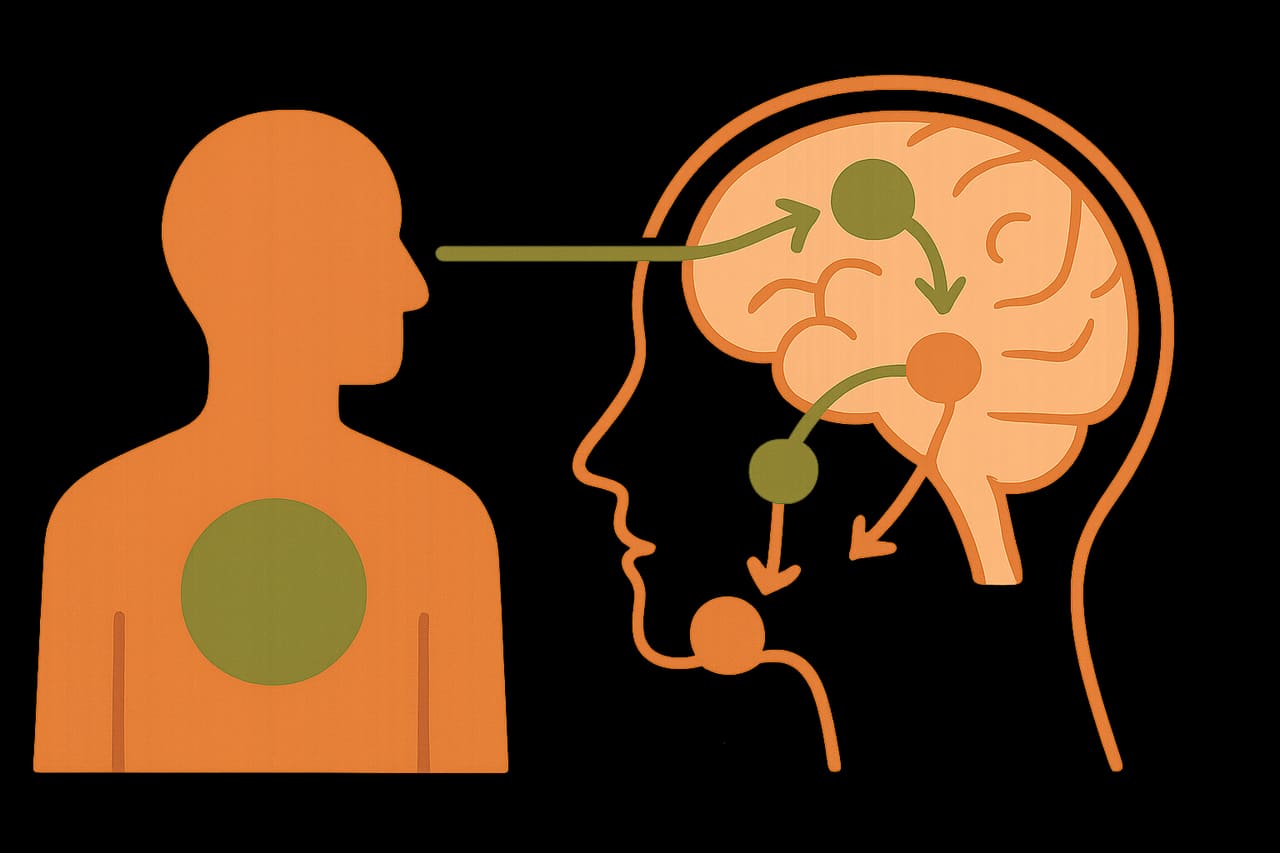
You Are Their Thermostat
Teens borrow calm from the adults around them before they can generate it alone. Your steadiness in a storm is doing real neurological work.
-
 Emotions
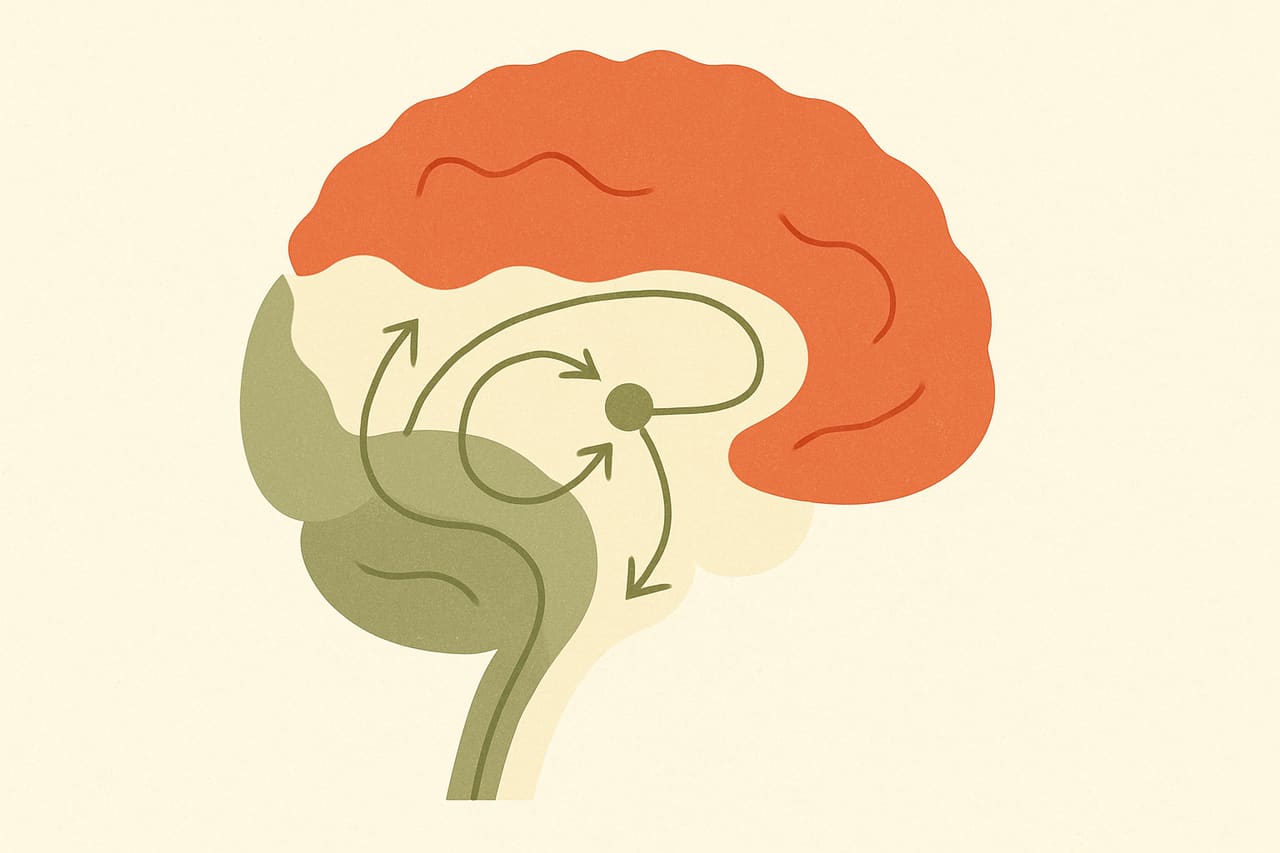
Why 'Calm Down' Never Works
When a teen is flooded, the reasoning brain is offline. Demands to calm down, explain, or be logical hit a brain that physically can't comply yet.
-
 Emotions
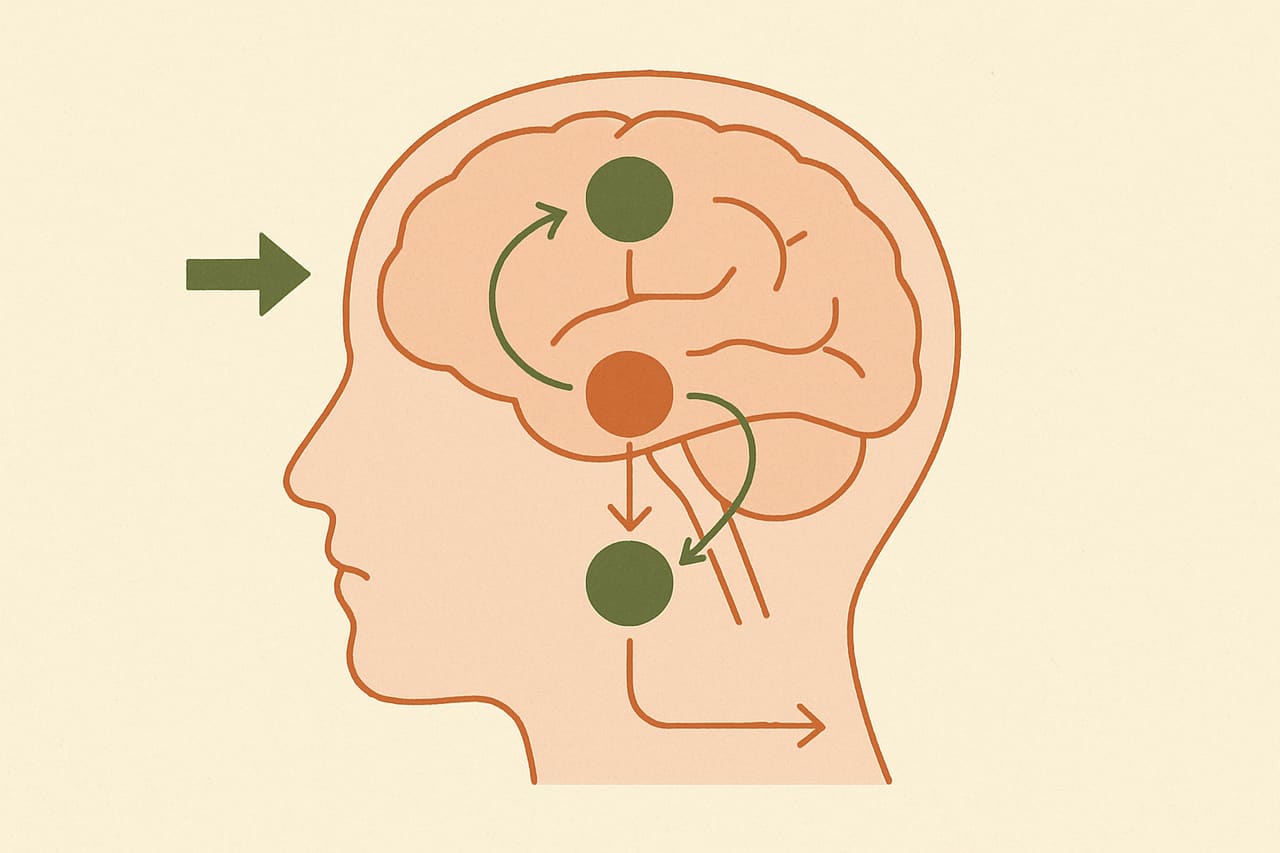
In Teens, Depression Often Looks Like Anger
Teen depression frequently shows up as irritability, withdrawal, or numbness — not classic sadness. It's easy to mistake for 'just being a teenager.'
-
 Emotions
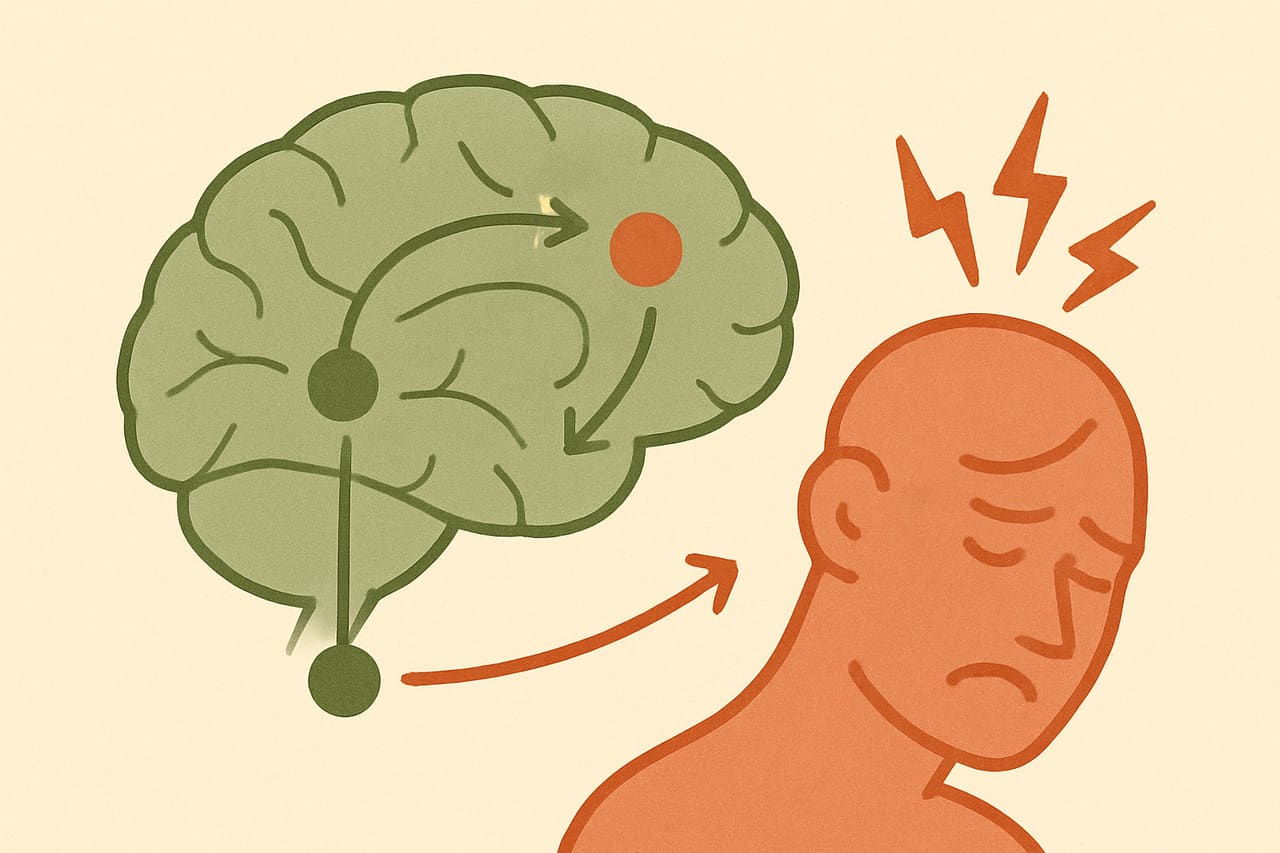
Why Anxiety Is So Common Now
Anxiety is the most common mental-health concern in teens today, and the numbers have climbed. Knowing the shape of it helps you spot it early.
-
 Emotions
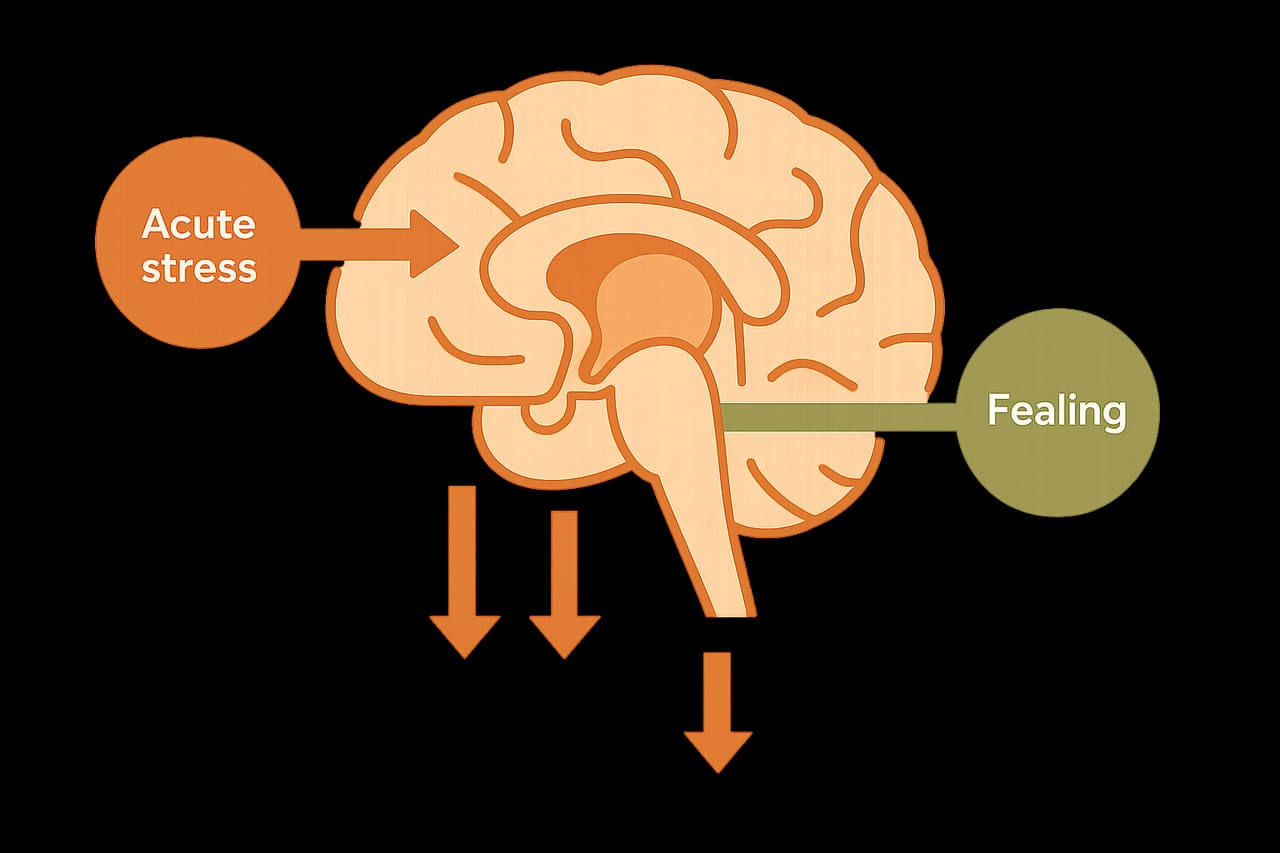
How Chronic Stress Reshapes the Teen Brain
Short bursts of stress are fine — even useful. It's the constant, grinding kind that wears on a developing brain and body.
-
 Emotions
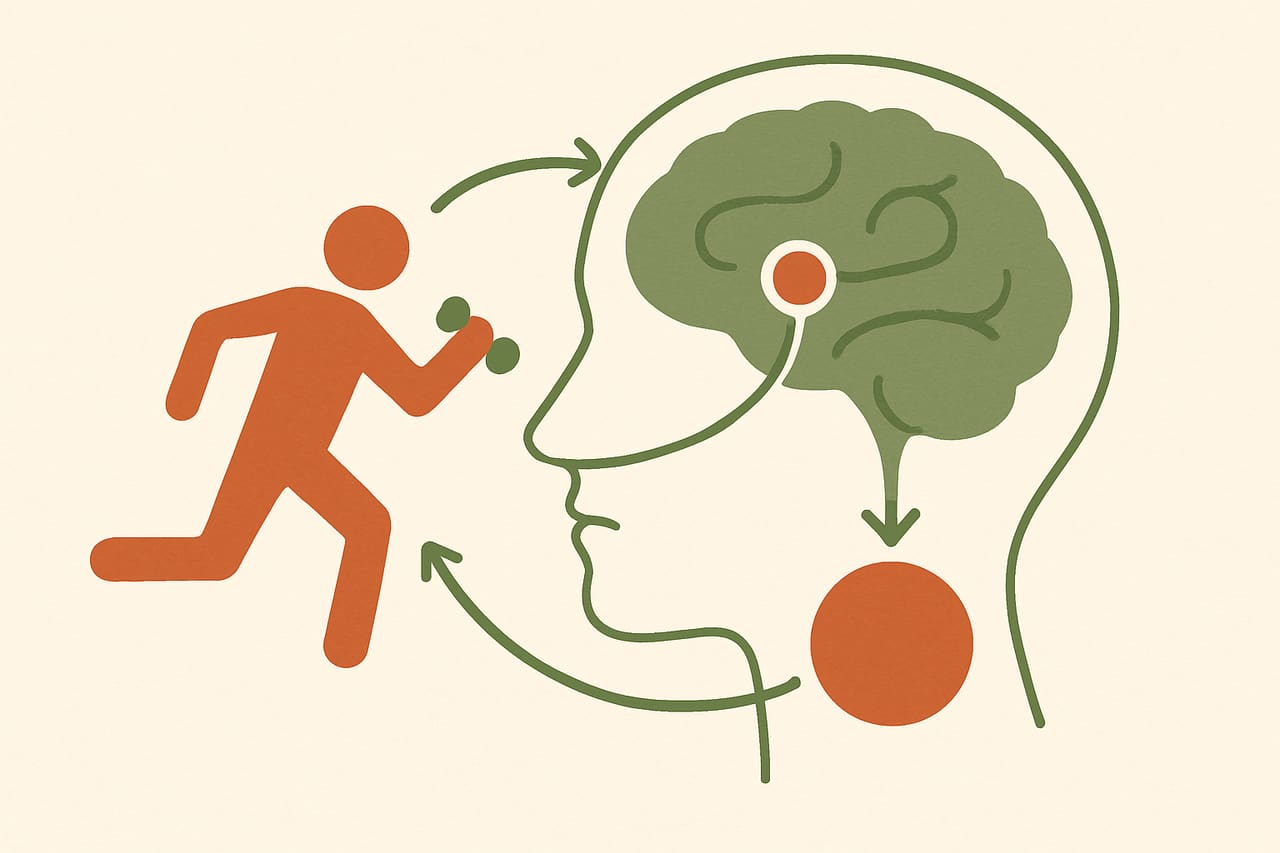
Managing Emotions Is a Skill, Not a Trait
Self-control isn't something teens either have or don't. It's a set of skills that develops with practice — and you can help them practice.
-
 Social life
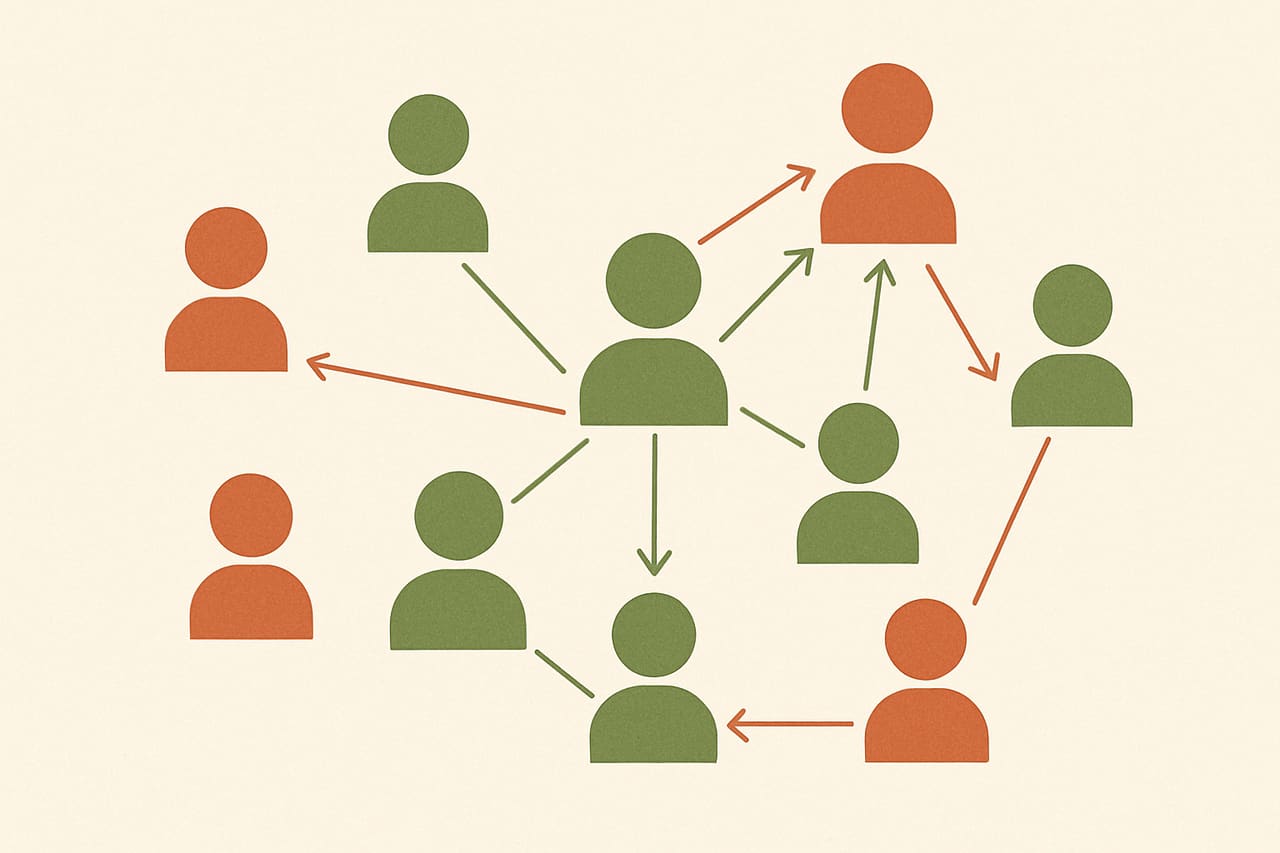
Why Friends Suddenly Outrank You
In adolescence, peers become the center of gravity. It feels like rejection, but it's a healthy, programmed shift toward independence.
-
 Social life
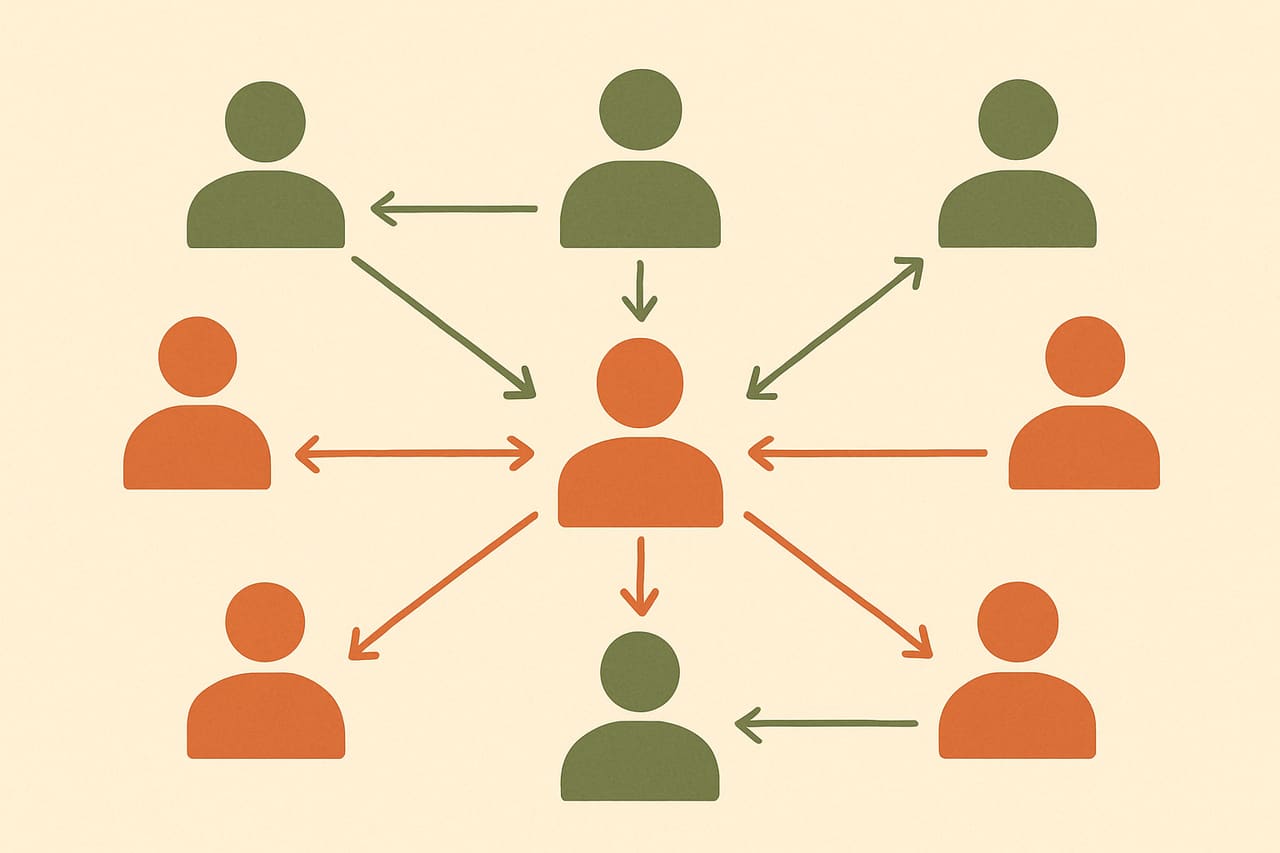
Friends in the Room Change the Decision
The mere presence of peers makes teens take more risks — even without any pressure or words. It's automatic, and it's strongest in adolescence.
-
 Social life
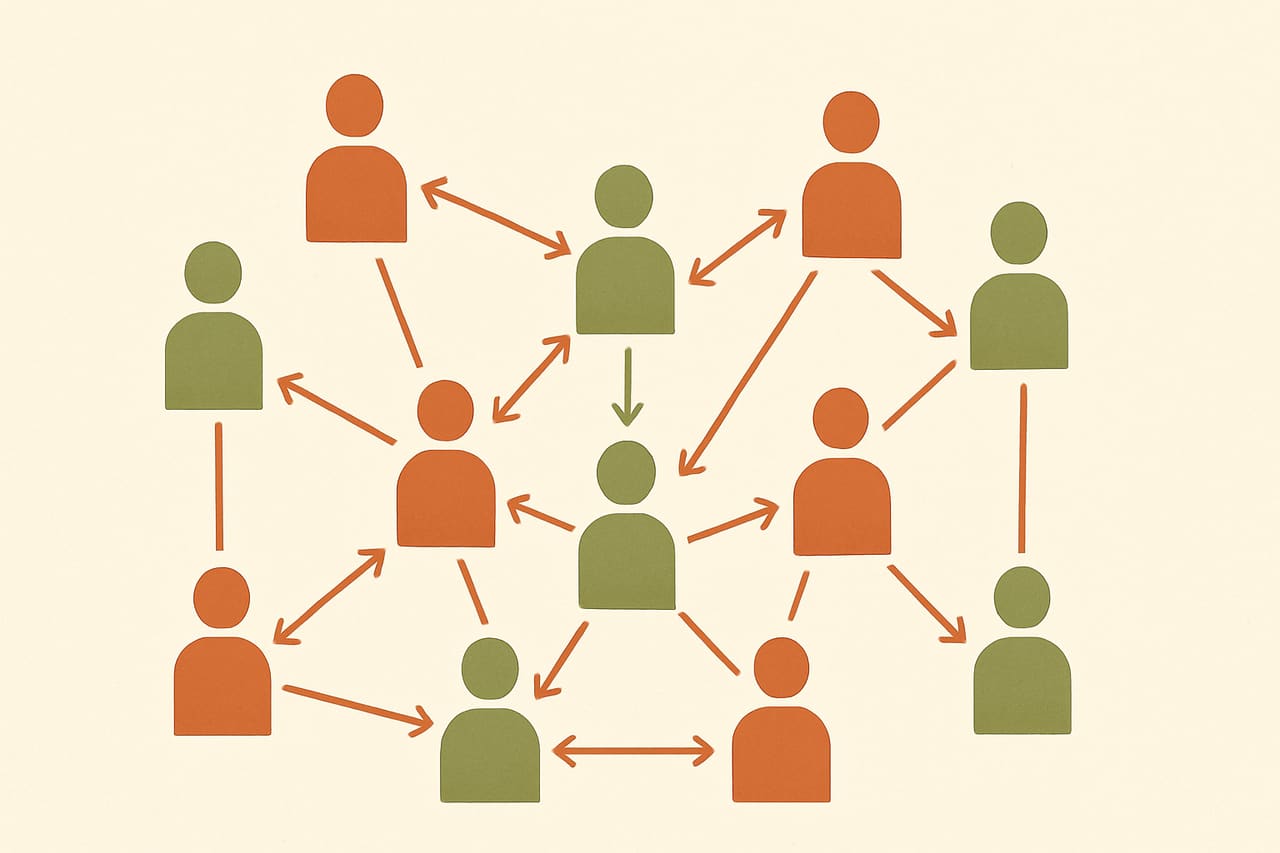
The Deep Human Need to Belong
Belonging isn't a teen luxury — it's a survival-level need wired in by evolution. Understanding that reframes a lot of 'dramatic' behavior.
-
 Social life
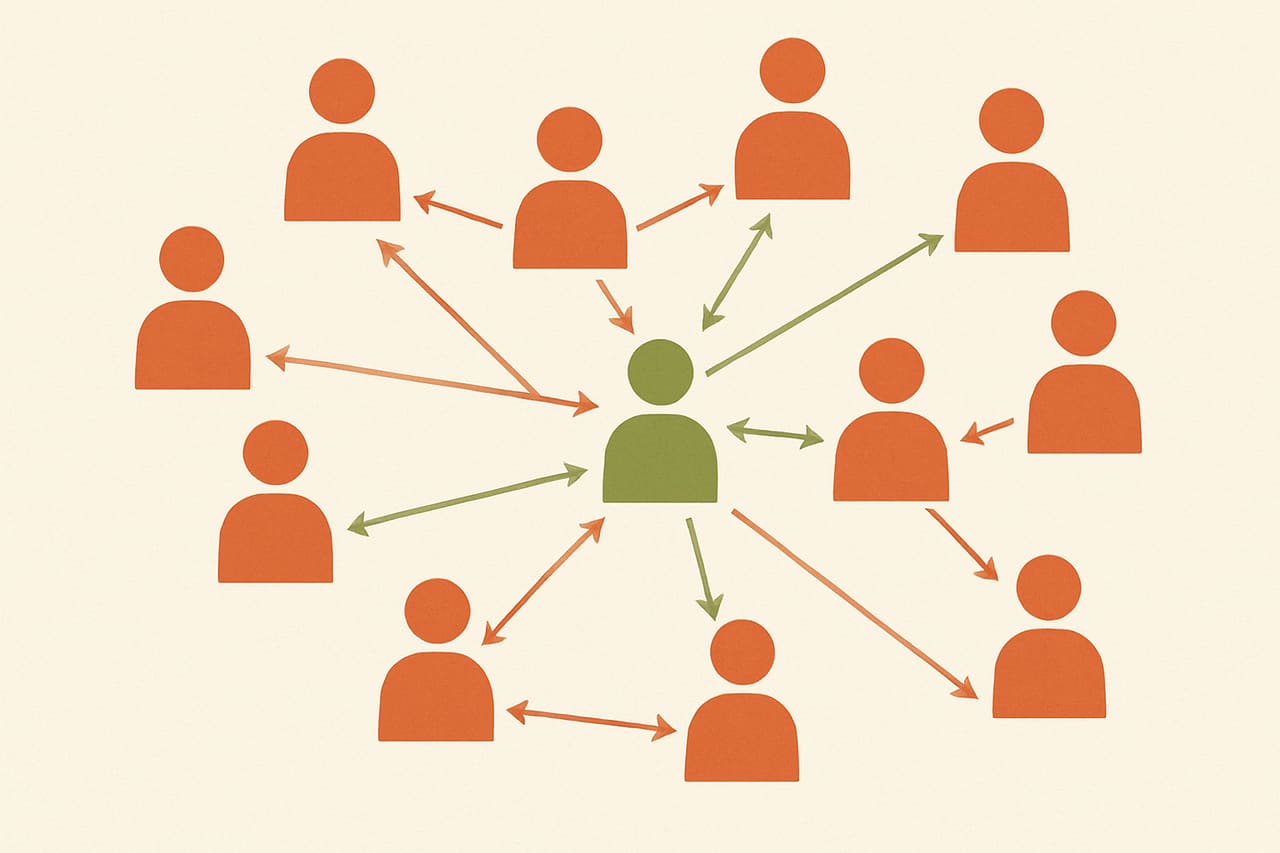
The Comparison Trap of Social Media
Teens compare their unedited insides to everyone else's edited outsides. On a feed engineered for highlights, that comparison is rigged against them.
-
 Social life
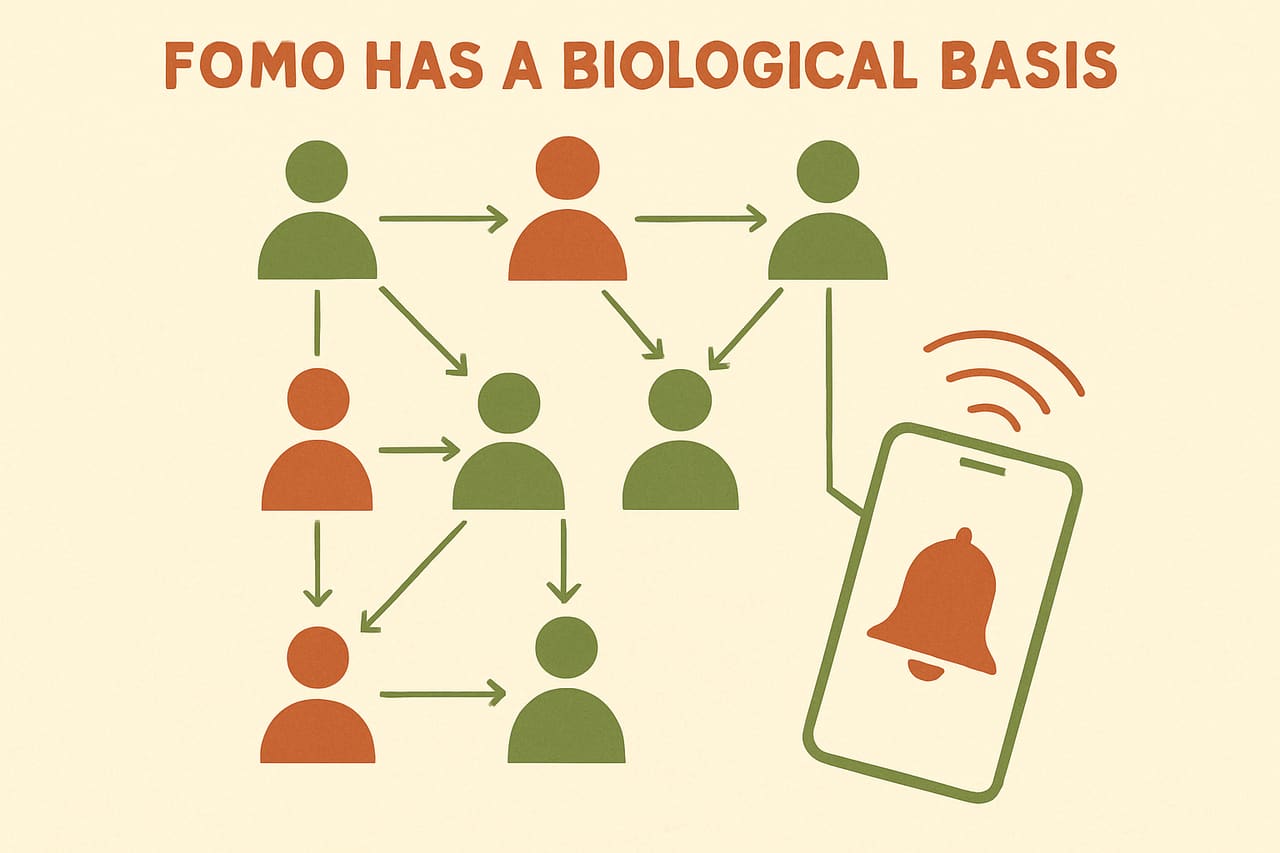
FOMO Has a Biological Basis
The fear of missing out isn't shallow. It taps the same belonging circuitry that once kept our ancestors safe inside the group.
-
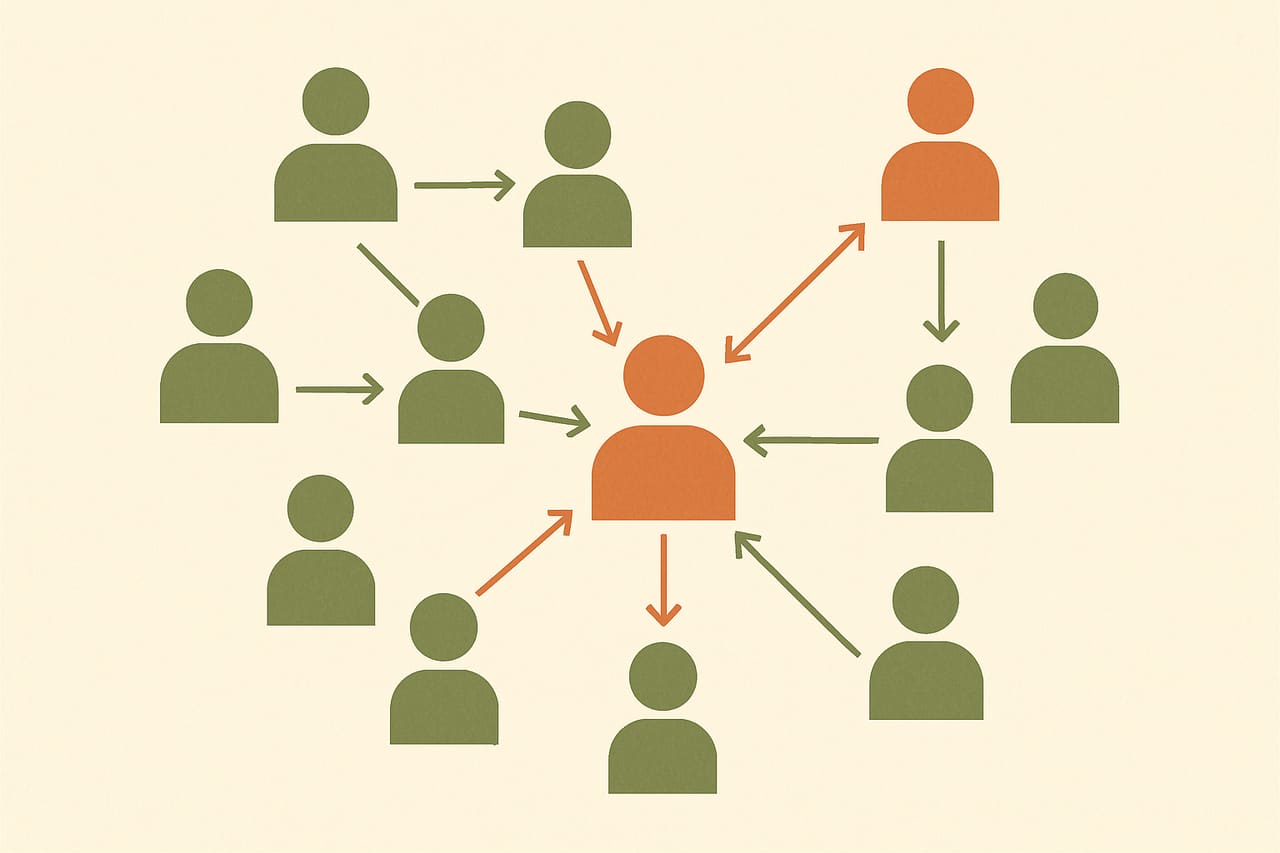 Social life
Conformity Peaks in Early Adolescence
The pull to match the group is strongest around ages 12–14, then eases. Knowing the peak helps you pick your battles.
-
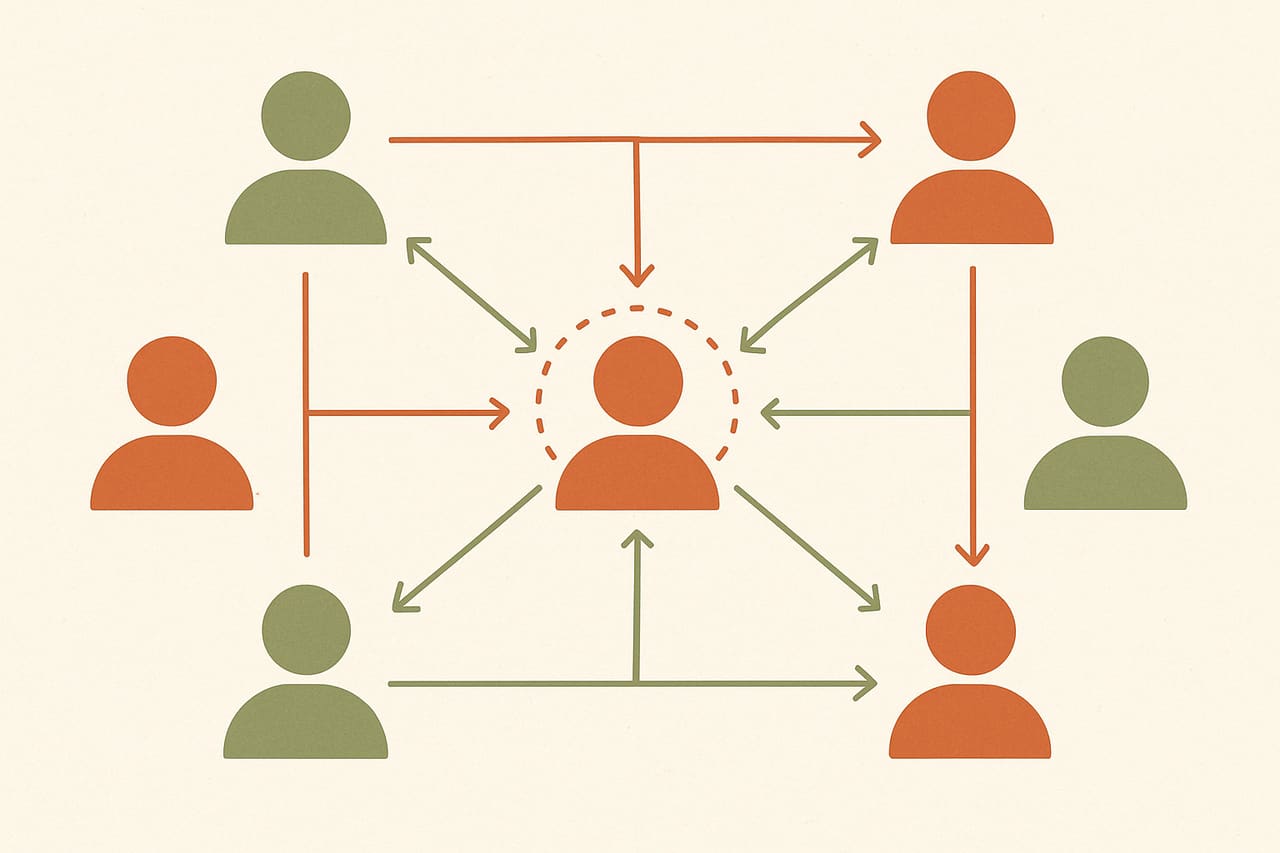 Social life
The Online Self vs. the Real Self
Teens curate an online persona that can drift far from who they are offline. Managing two selves is exhausting and quietly stressful.
-
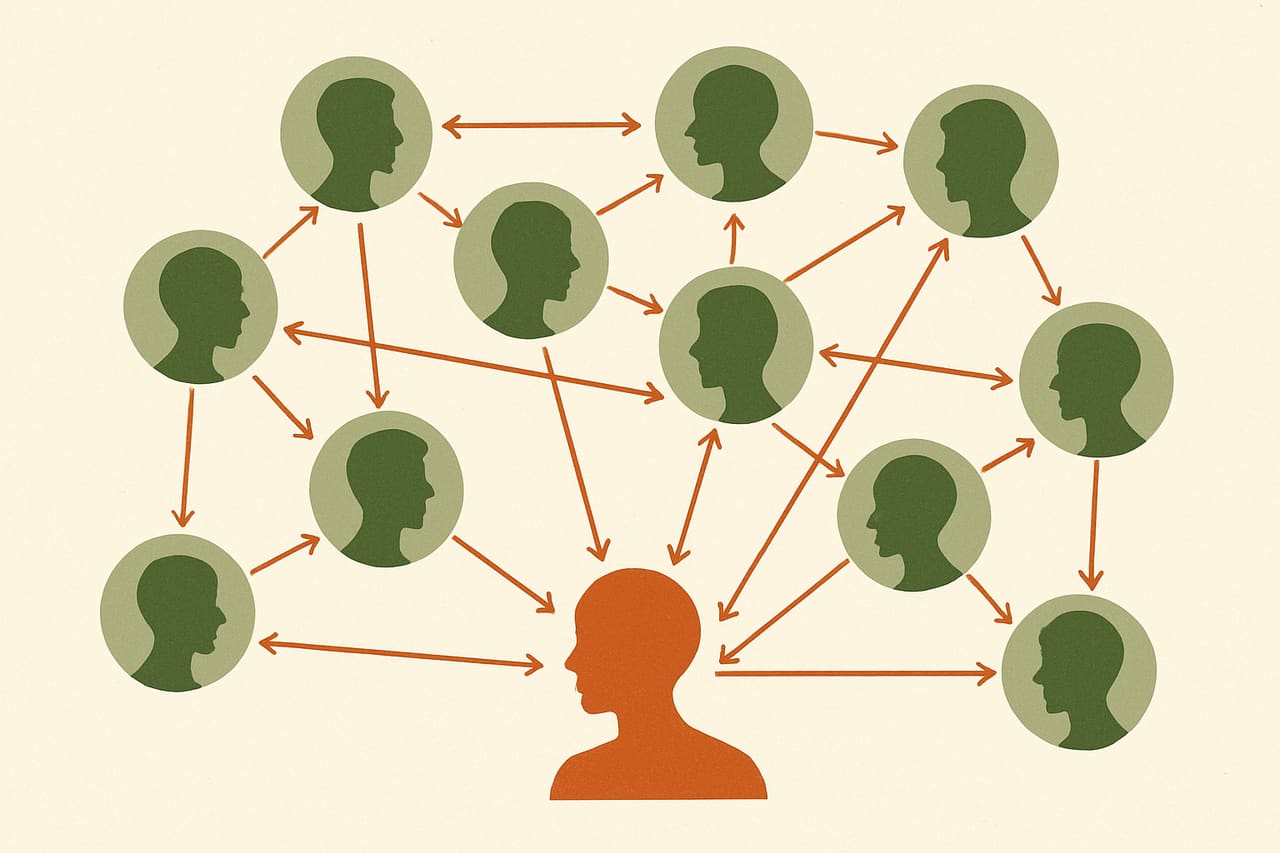 Social life
Lonely in a Hyper-Connected World
Teens are more digitally connected than any generation, and report more loneliness. Connection counts and connection felt are not the same thing.
-
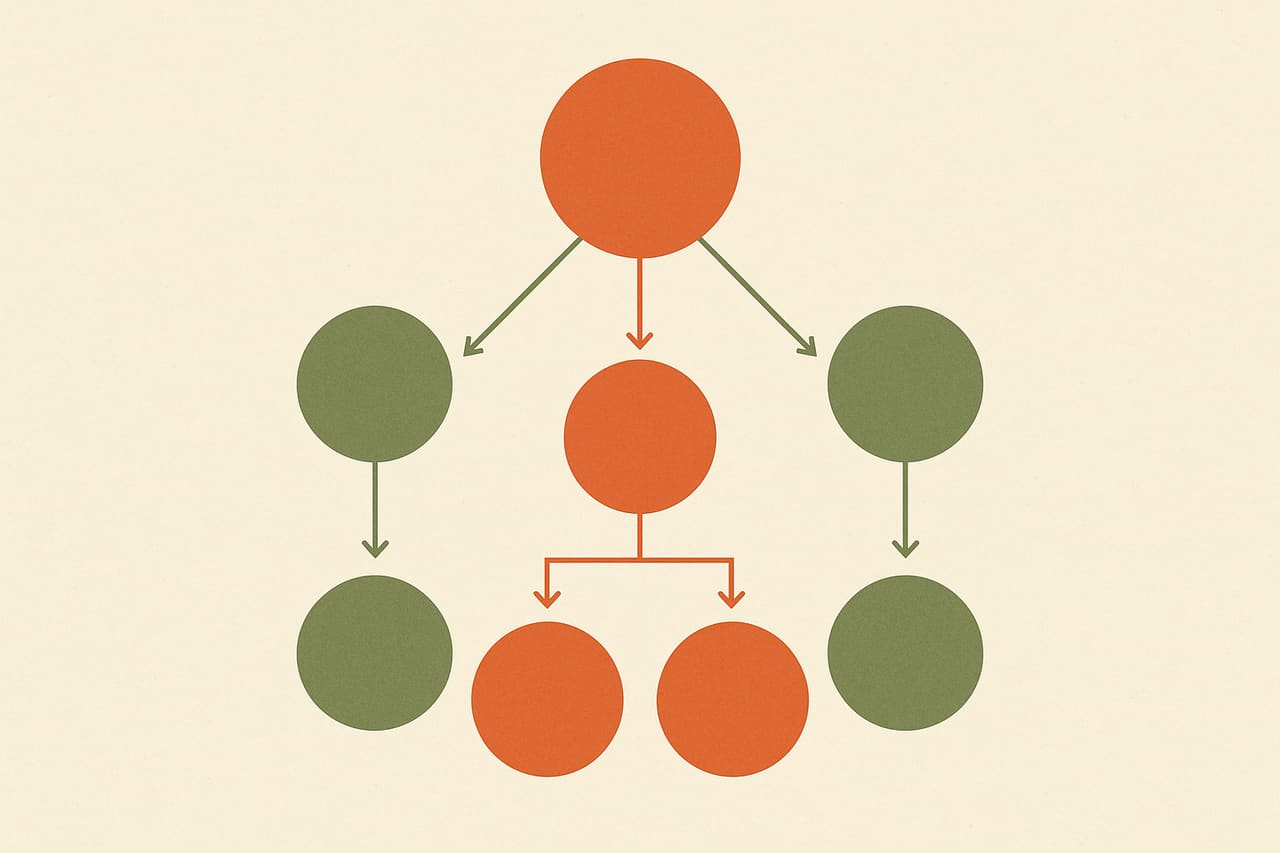 Identity
Figuring Out 'Who Am I' Is the Main Job
The central work of adolescence is building an identity. The questioning, trying-on, and reinventing aren't distractions from growing up — they are growing up.
-
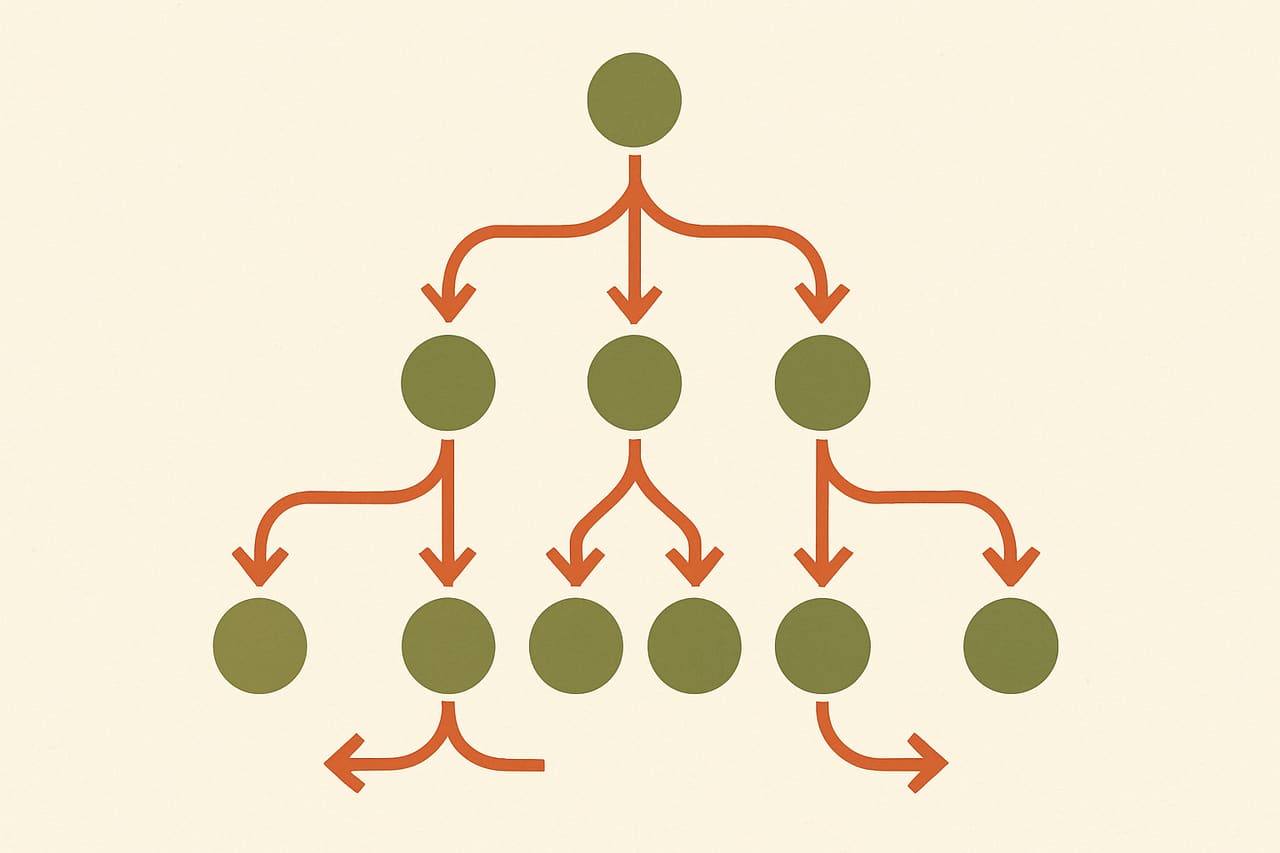 Identity
Why They Keep Reinventing Themselves
New look, new music, new friends, new opinions — on repeat. The reinvention is how teens test out who they might become.
-
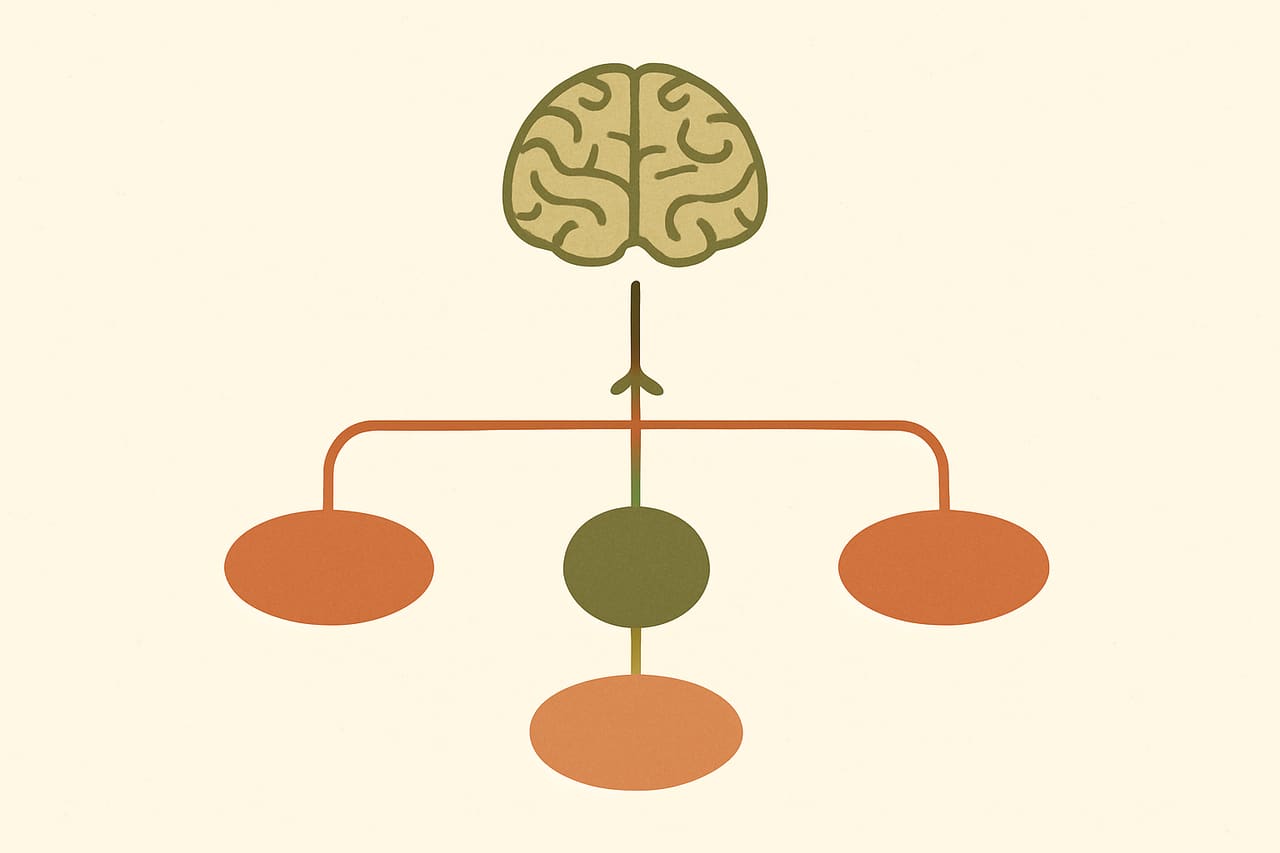 Identity
The Drive for Independence
The push for autonomy — 'I can do it myself, my way' — is a biological imperative, not a personal attack. Adolescence is built to create a separate person.
-
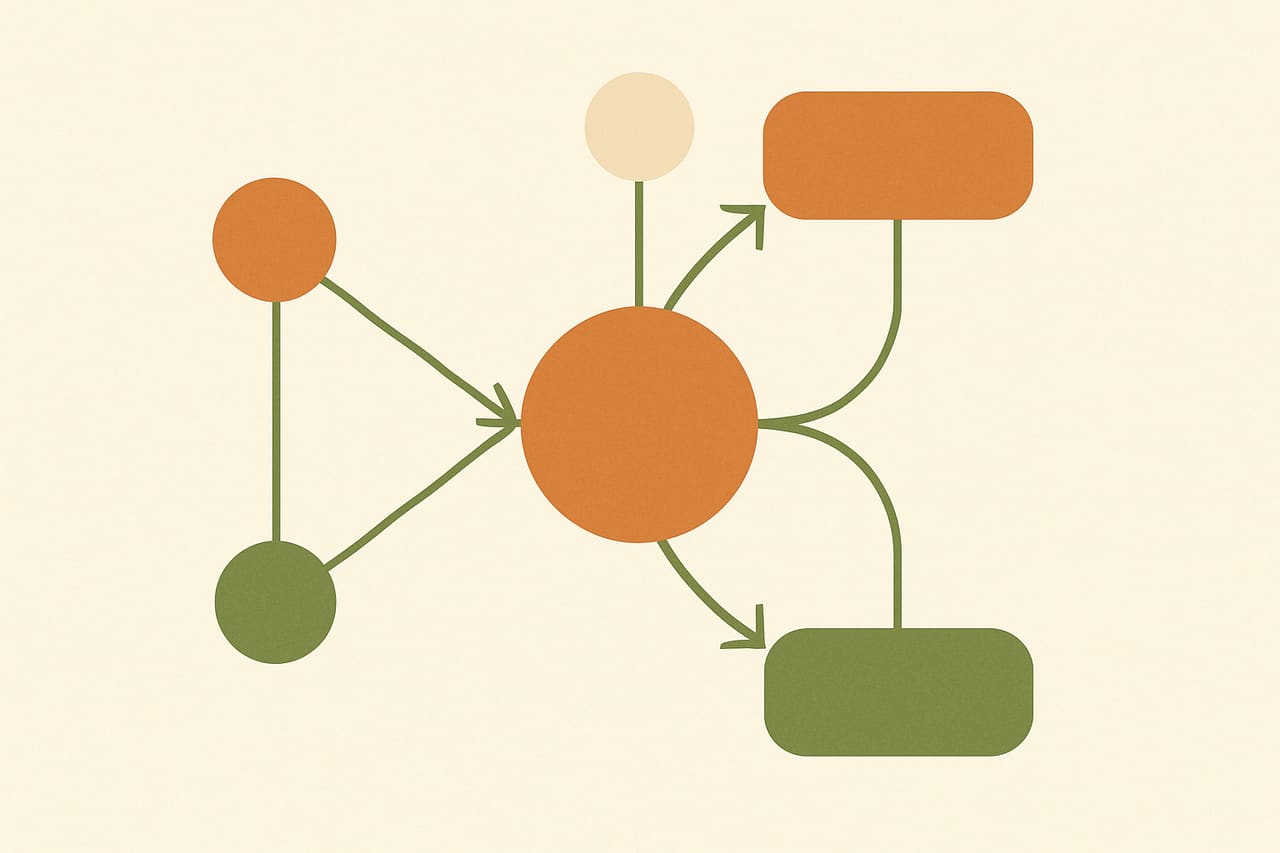 Identity
The Push-Pull of Closeness and Distance
Teens slam the door, then want a snack and a chat an hour later. The contradiction is the point: they're learning to be separate and connected at once.
-
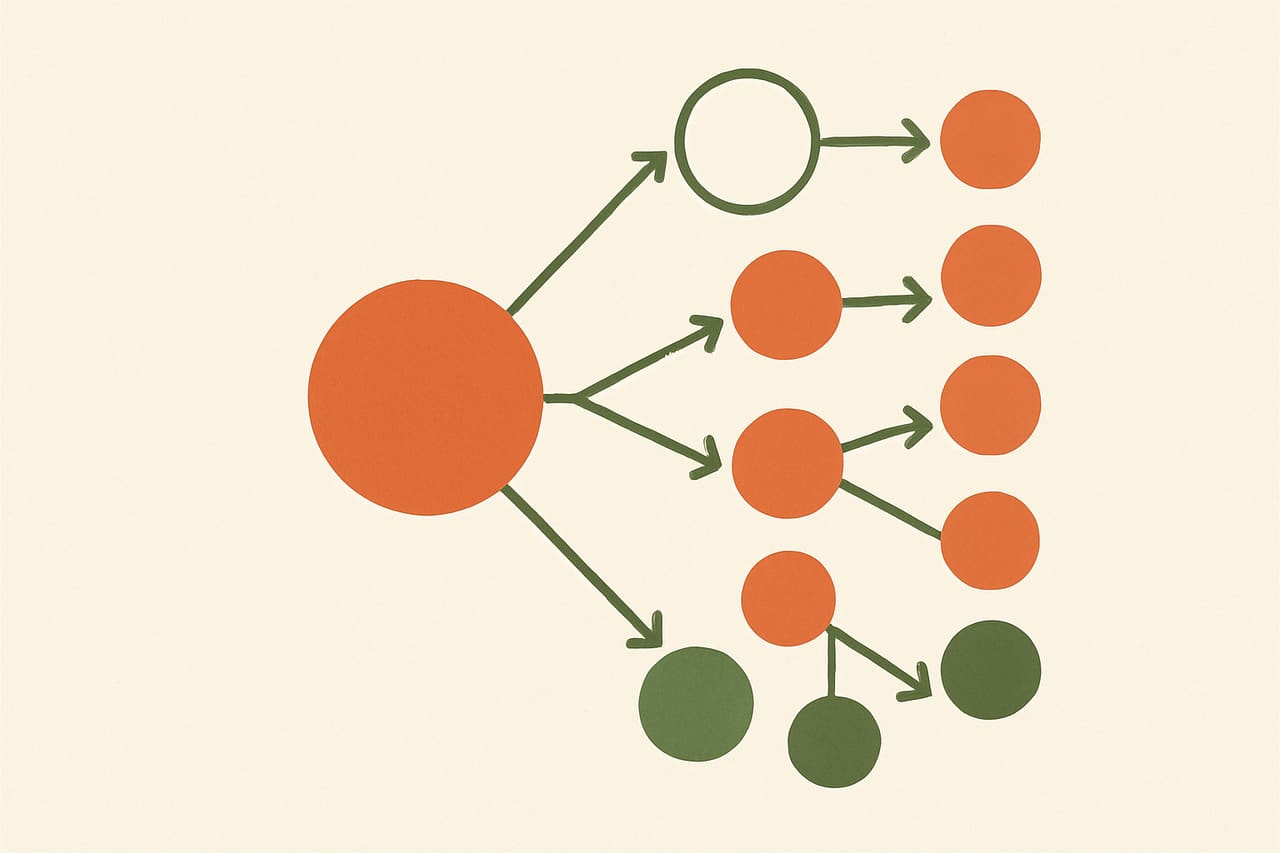 Identity
The Need to Matter
Beyond belonging, teens need to feel they matter — that they're noticed and that they make a difference. It's a powerful protective force.
-
 Identity
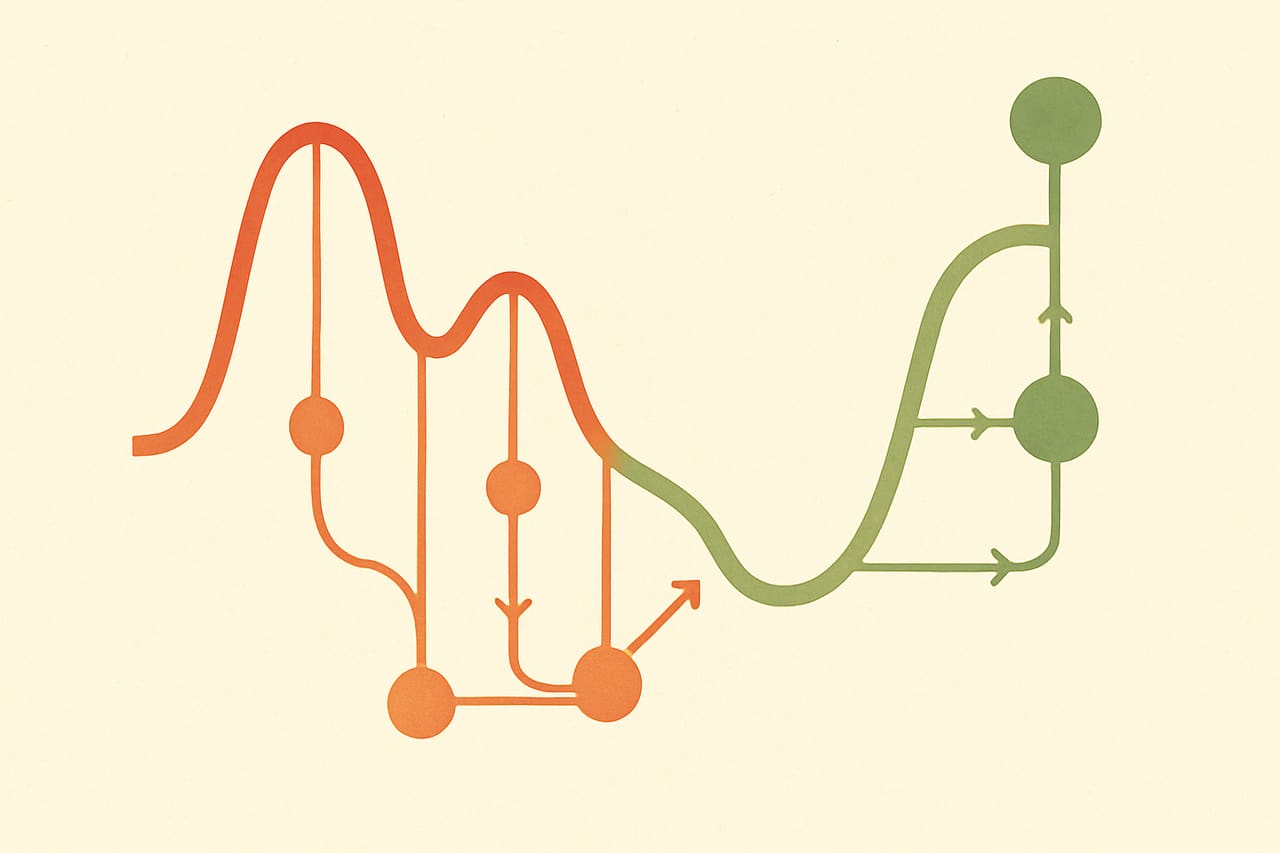
The Self-Esteem Rollercoaster
Teen self-esteem can swing wildly and often dips in early adolescence — especially for girls. The wobble is normal; the trend line is what matters.
-
 Identity
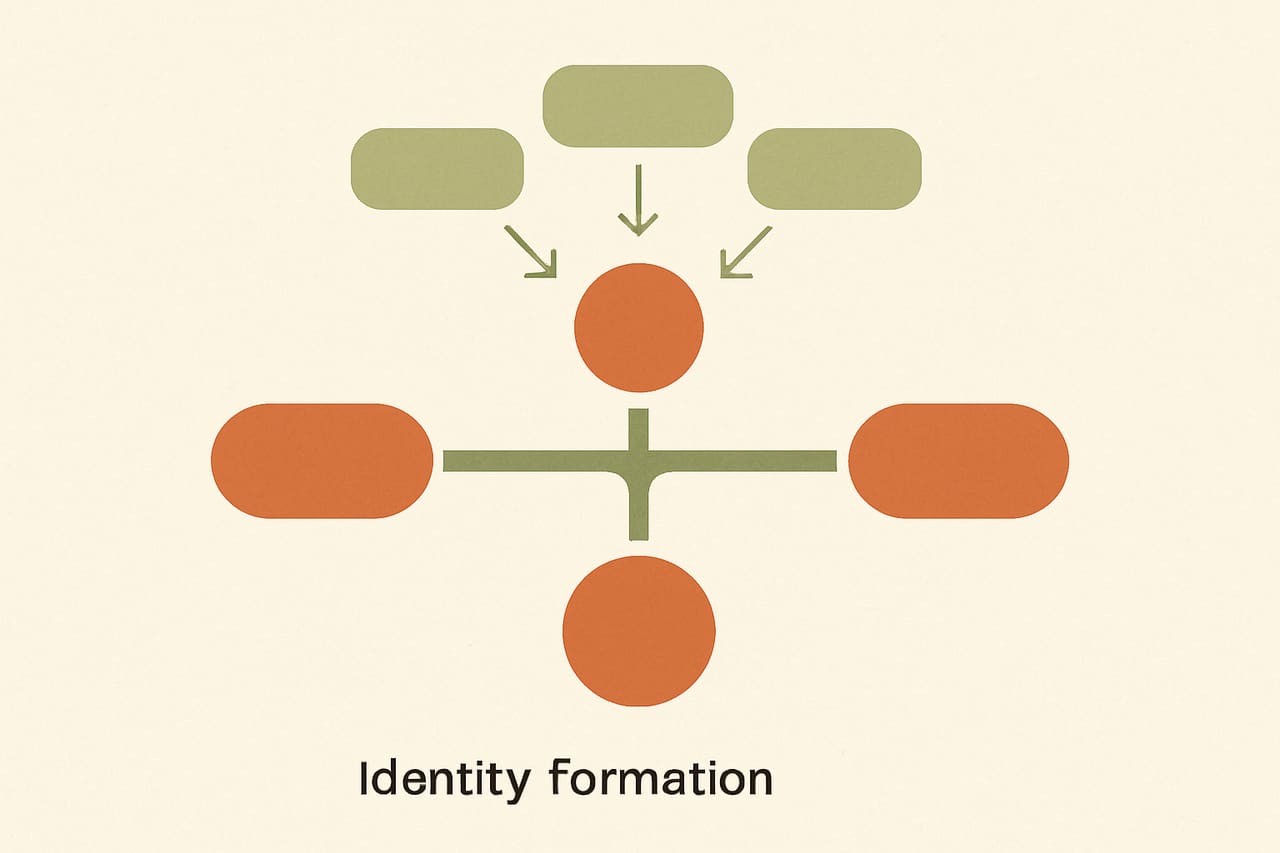
When Their Values Become Their Own
Teens start questioning the beliefs they grew up with — not to reject you, but to make their values genuinely theirs rather than inherited.
-
 Habits
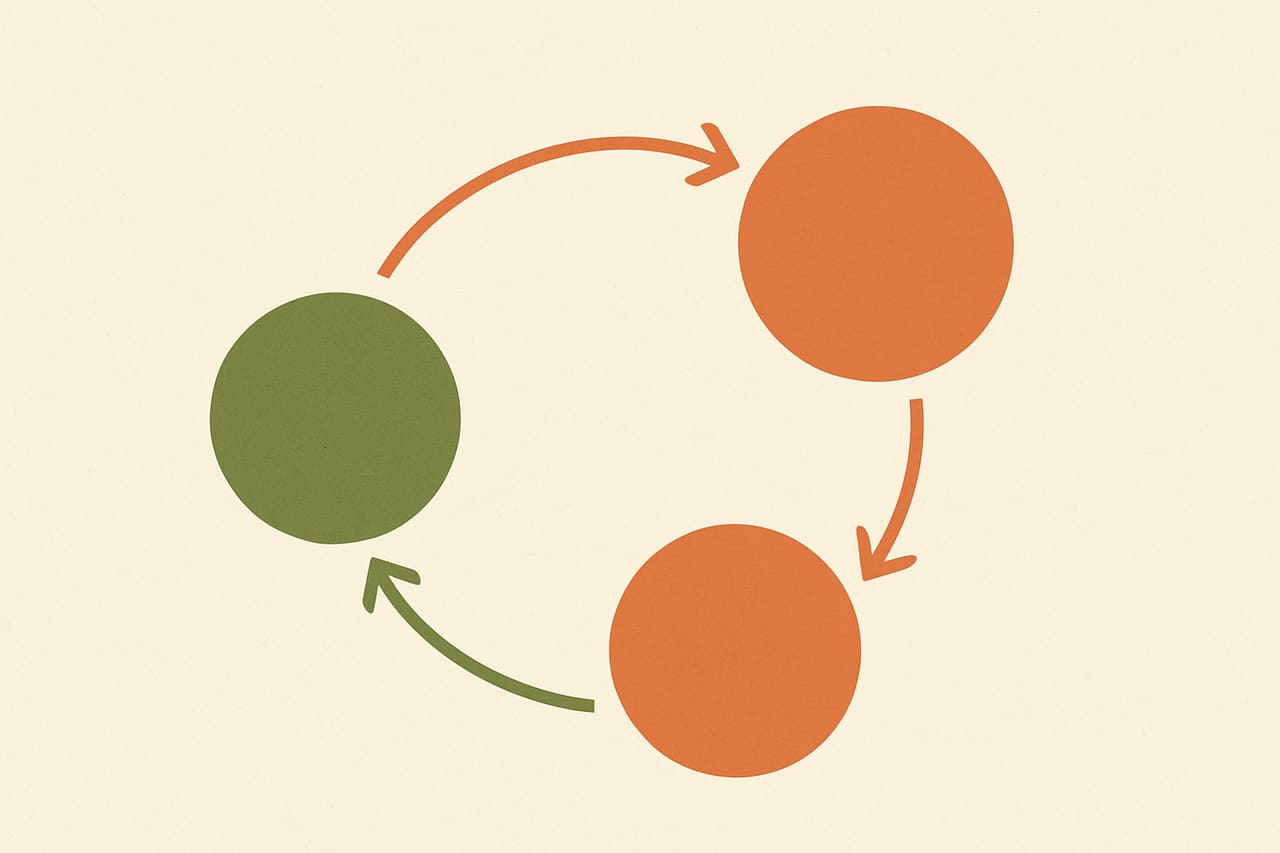
How Habits Form: Cue, Routine, Reward
Every habit runs on a loop — a trigger, a behavior, a payoff. Understanding the loop is how you help a teen change one.
-
 Habits
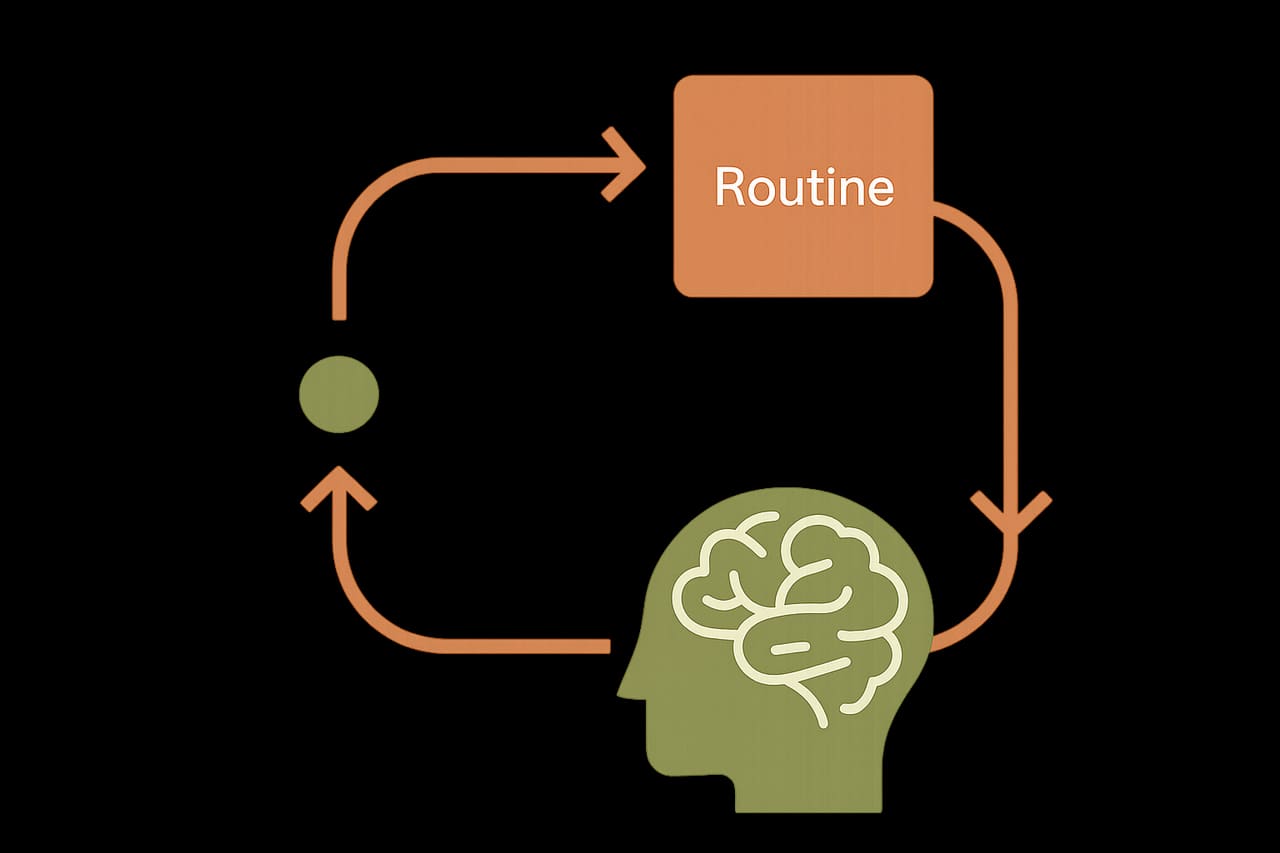
Why Apps Are So Hard to Put Down
Social apps use the same unpredictable-reward design as slot machines. It's not your teen's weak will — it's a system built to be sticky.
-
 Habits
Boredom Is Not the Enemy
Constant stimulation has made boredom feel intolerable — but boredom is where creativity, reflection, and self-direction grow. It's worth protecting.
-
 Habits
Procrastination Is About Feelings, Not Laziness
Teens put things off to escape an uncomfortable feeling — boredom, anxiety, self-doubt — not because they're lazy. That changes how you help.
-
 Habits
The Multitasking Myth
Homework with five tabs, a video, and a group chat isn't efficient multitasking — it's rapid switching that costs time and depth. The brain can't truly do two thinking tasks at once.
-
 Growth
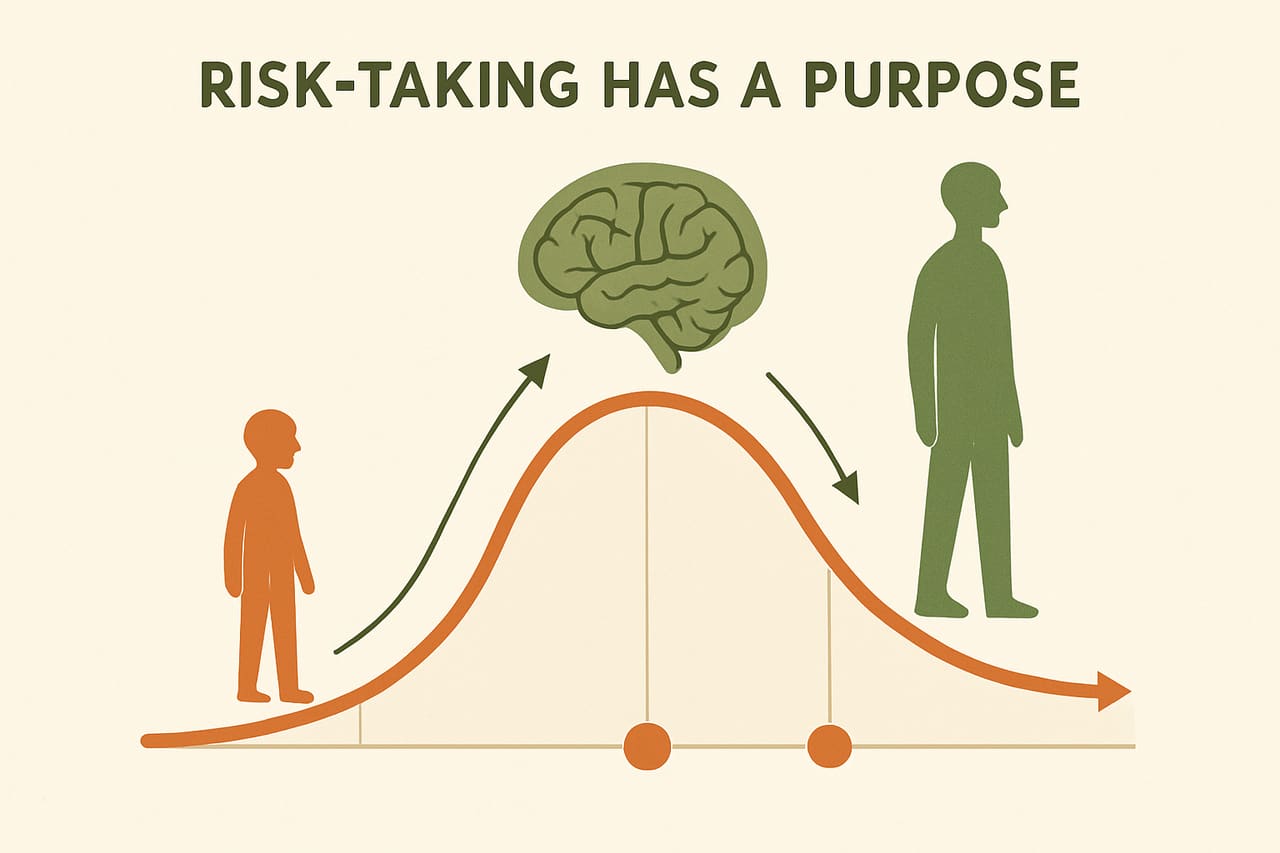
Risk-Taking Has a Purpose
The same drive that worries you also pushes teens to try out, speak up, and step into the unknown. The goal isn't to eliminate risk — it's to steer it.
-
 Growth
How Teens Think About Ability Shapes It
Whether a teen believes ability is fixed or can grow changes how they handle challenge, failure, and effort. And that belief can be shifted.
-
 Growth
Why Struggle Builds Resilience
Shielding teens from every failure can leave them fragile. Manageable struggle — with support — is how resilience actually gets built.
-
 Growth
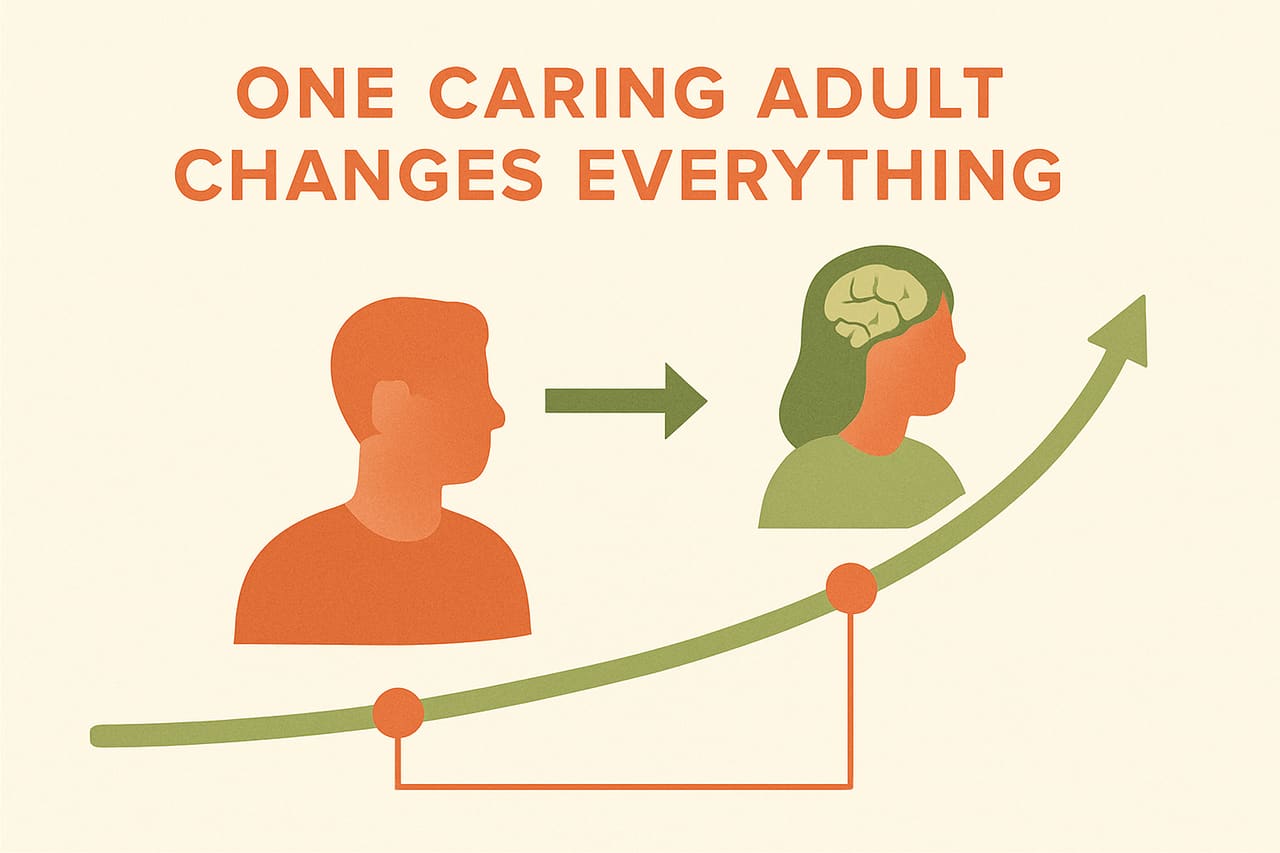
One Caring Adult Changes Everything
Across decades of research, the single biggest protective factor for a struggling teen is one stable, caring adult. Often that's you.
-
 Growth
Warm + Firm Beats Strict or Permissive
Decades of research point to the same sweet spot: high warmth plus high, fair structure. Not a drill sergeant, not a pushover.
-
 Growth
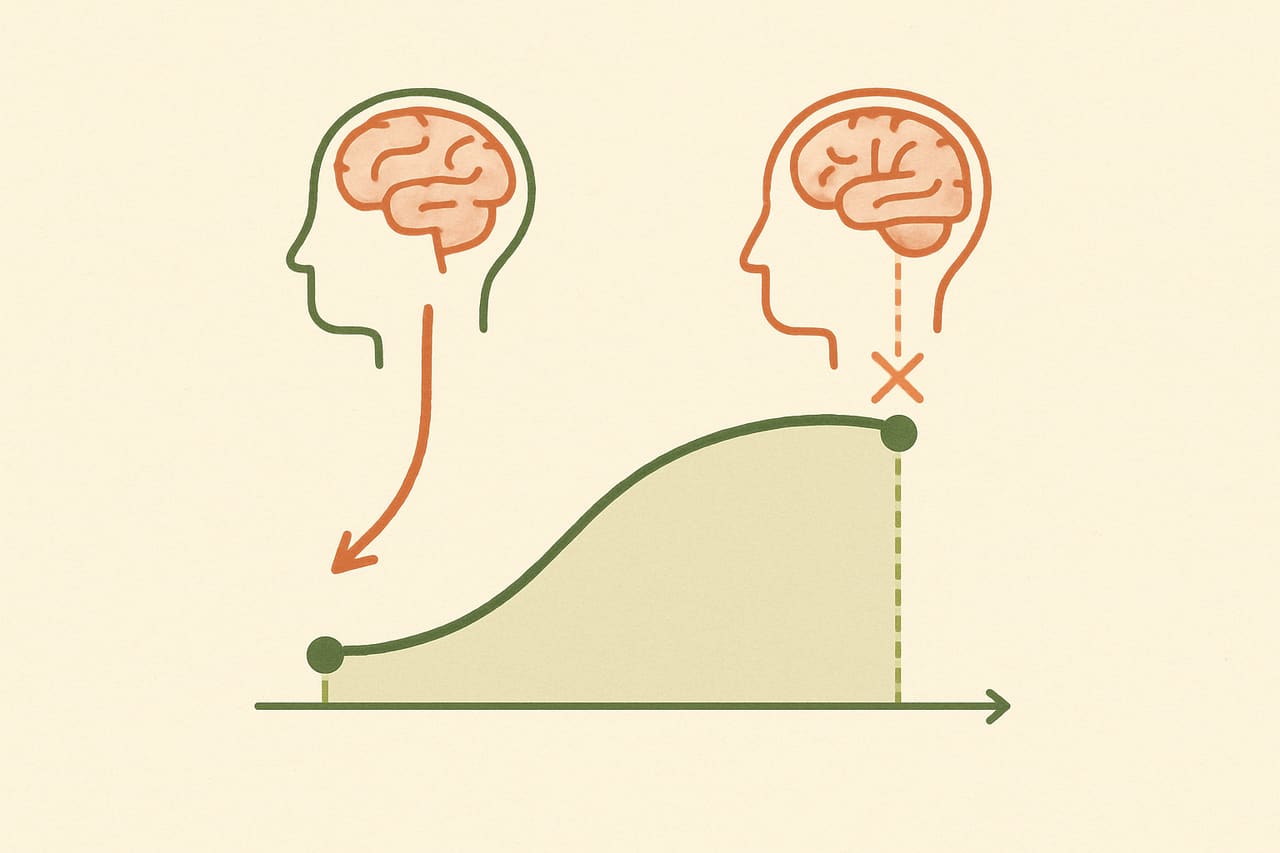
Why Listening Opens Doors Lectures Close
The more a conversation feels like a lecture, the faster a teen tunes out. Curiosity and listening keep the channel open when it matters most.
-
 Brain science
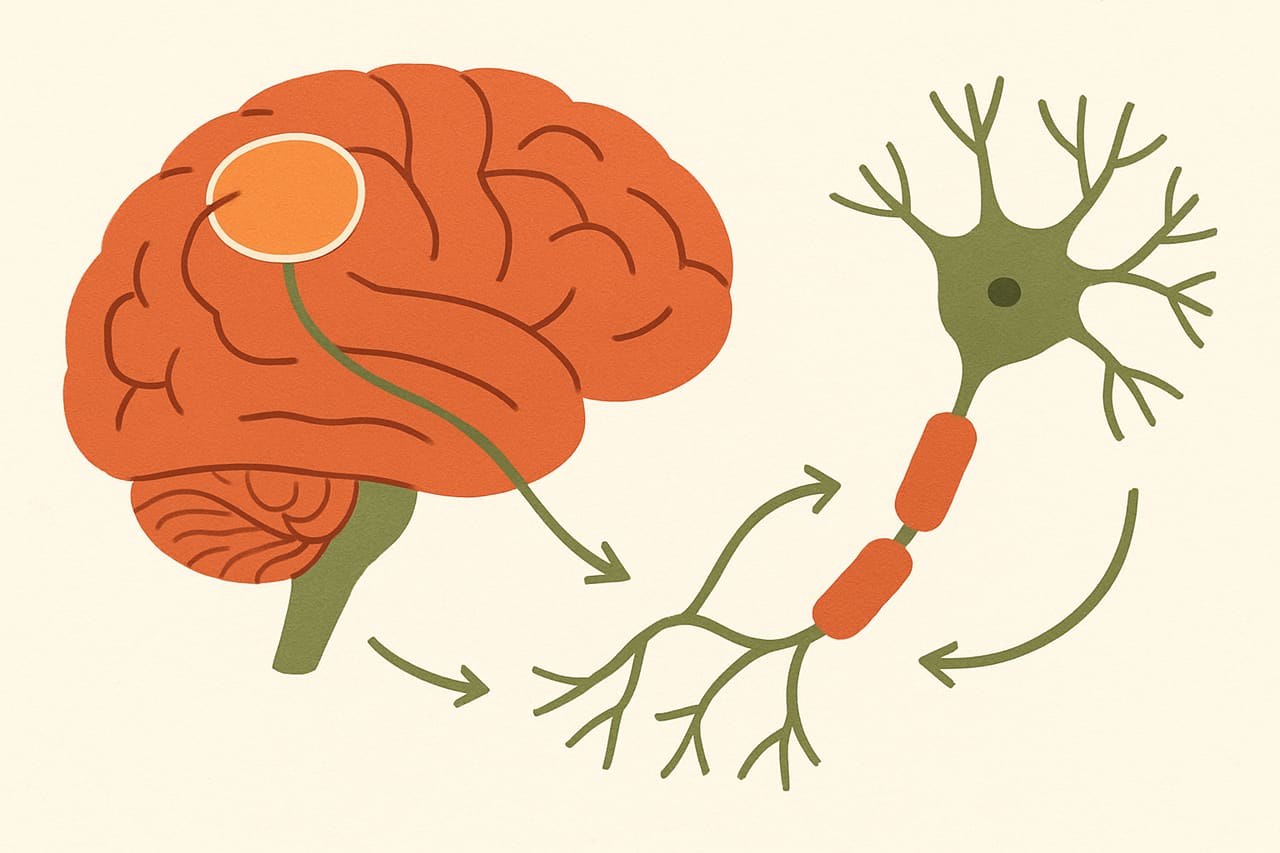
Why Teen Thinking Gets Faster and Sharper
Alongside pruning, the brain is wrapping its wiring in insulation that speeds up thought. Teens really can think faster and more abstractly than they used to.
-
 Emotions
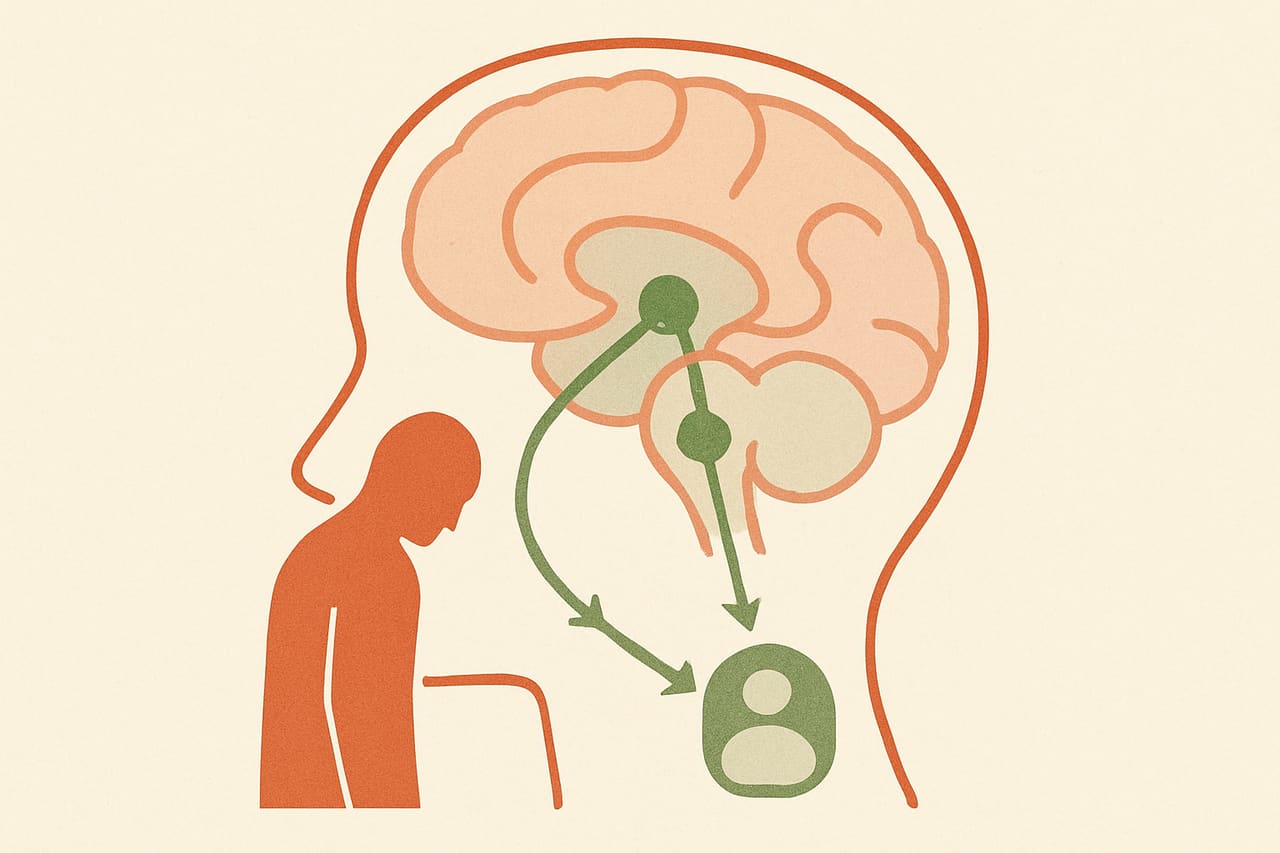
Why Being Bullied Hurts So Much
Being targeted by peers isn't just emotionally hard — it activates the same brain regions as physical pain and elevates the body's stress system in measurable ways. The hurt your bullied teen describes is biologically real.
-
 Habits
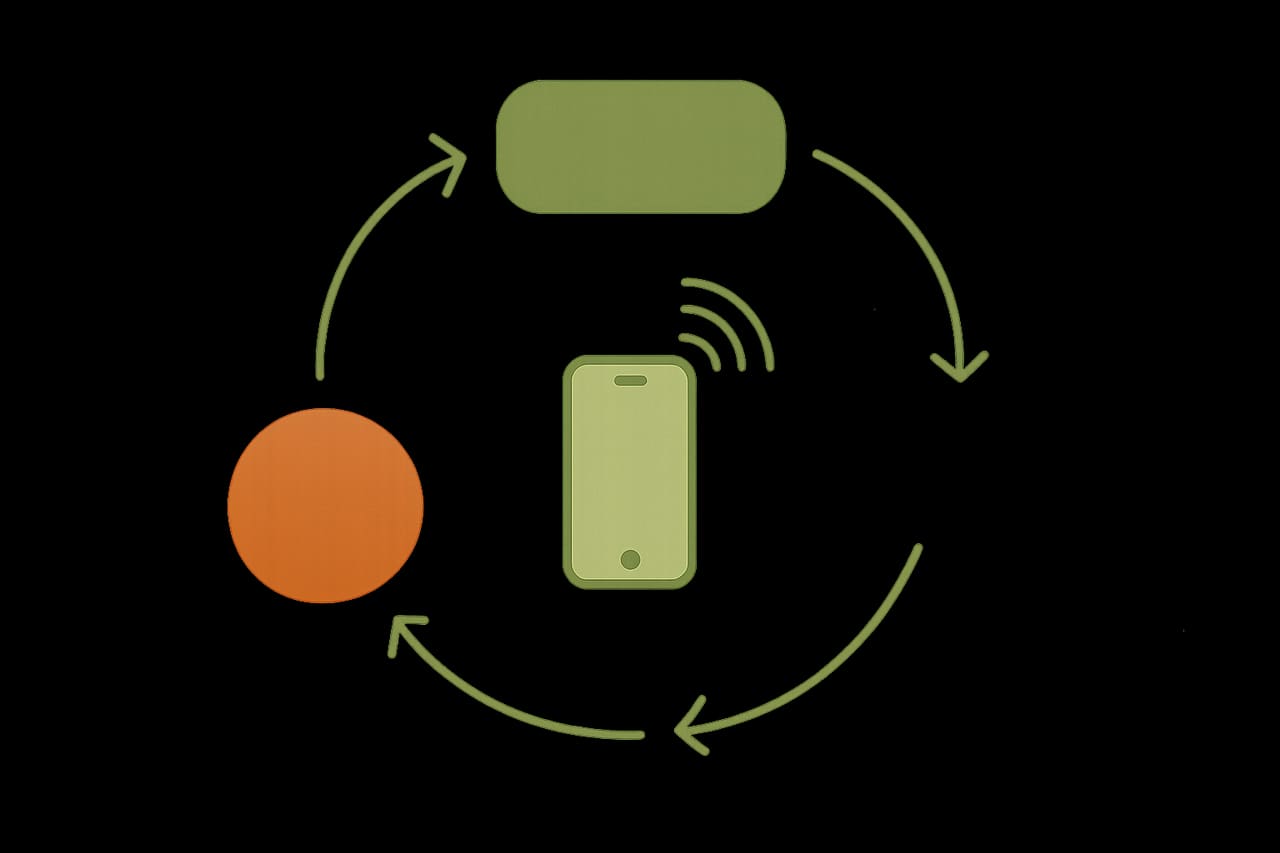
The Phone in the Room Is Costing Them Focus — Even Off
A landmark UT Austin study showed that the mere presence of a smartphone — face-down, silent, off — measurably reduces working memory and fluid intelligence. The brain spends energy not looking at it.
-
 Habits
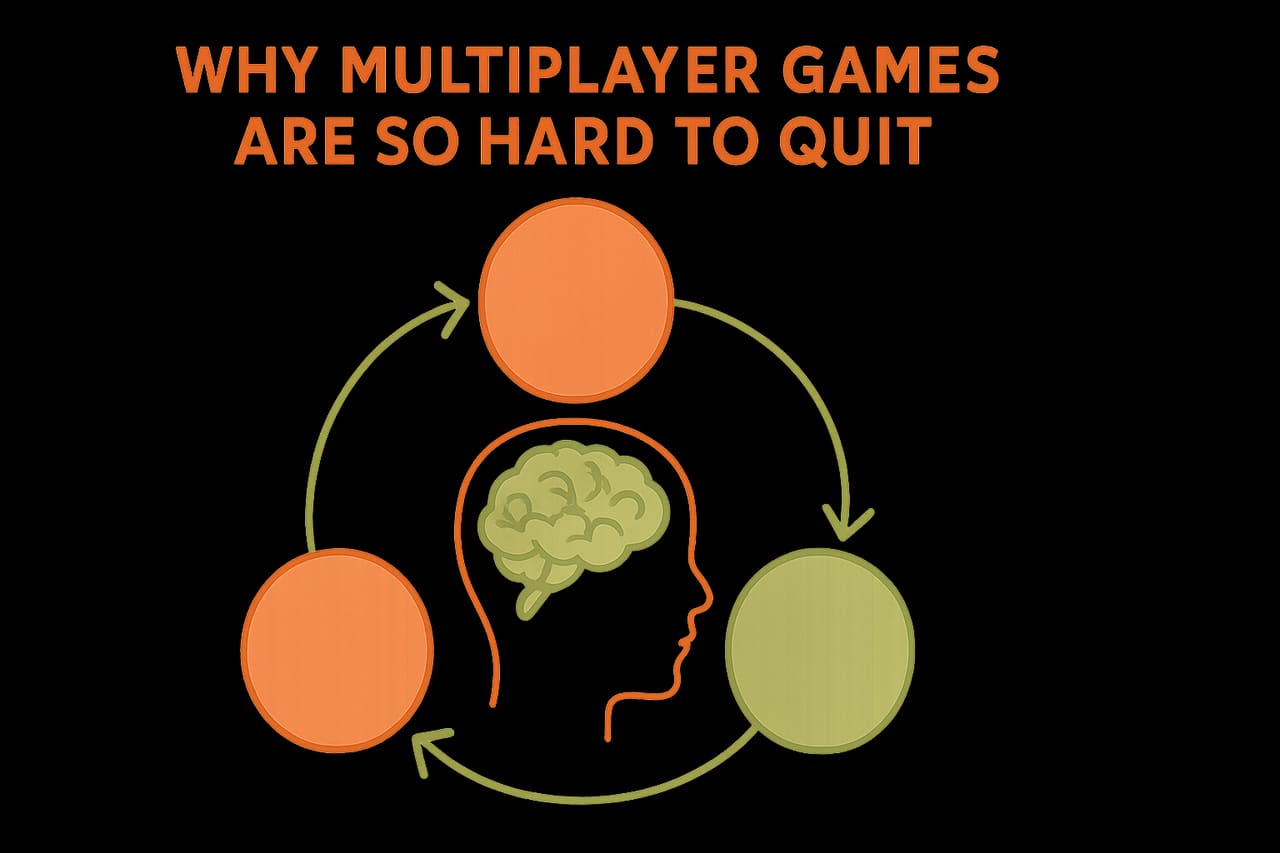
Why Multiplayer Games Are So Hard to Quit
Modern team games stack three brain hooks at once — flow, social commitment, and variable rewards. 'Five more minutes' isn't a character flaw; it's a perfectly tuned brain trap.
-
 Habits
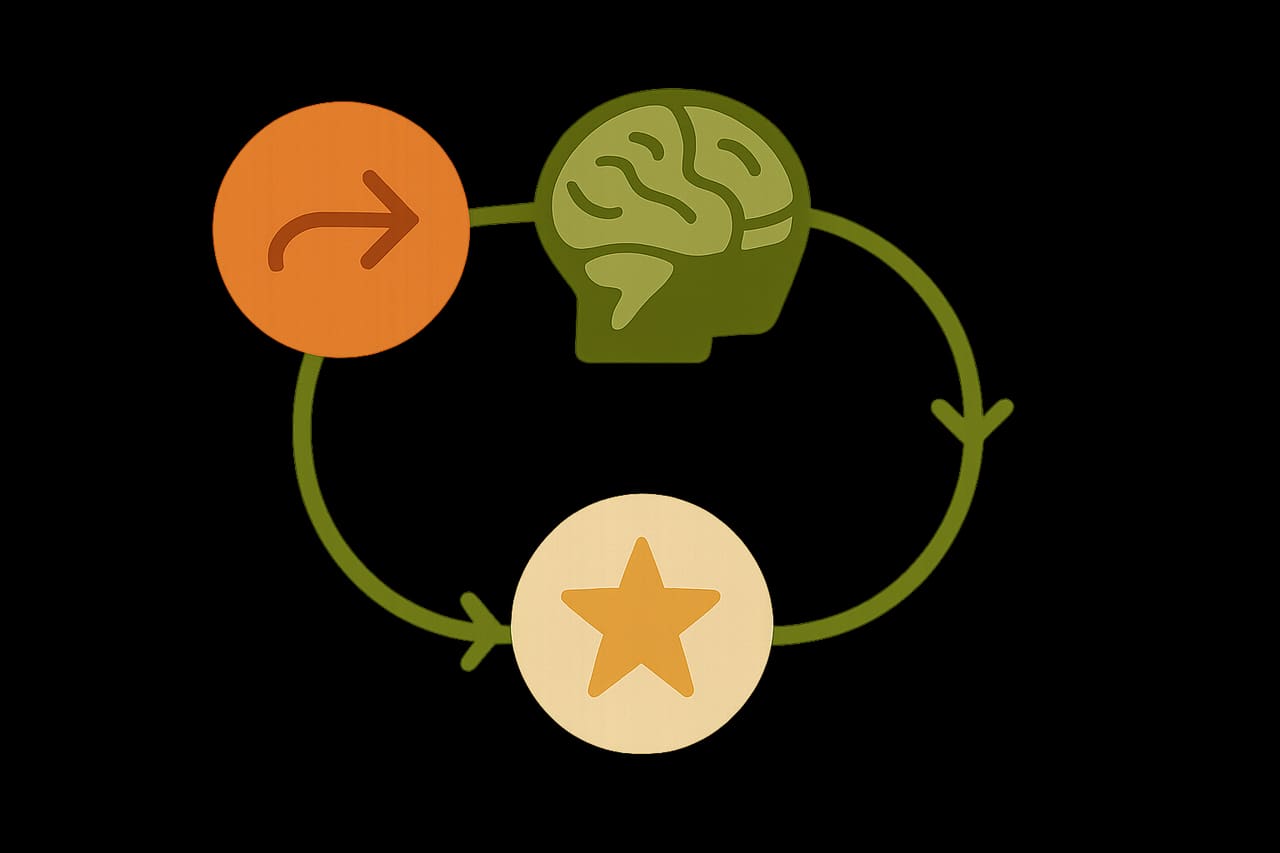
Why Unstructured Time Is Harder Than It Looks
The romantic story of summer is unstructured freedom. The developmental reality for many teens is that long stretches of unscaffolded time produce more anxiety, more sleep disruption, and more risky behavior — not less.
- Brain science
Executive Function: The Mental Air-Traffic Control
The set of skills that lets your teen hold a plan in mind, ignore distractions, and switch gears is still being wired together well into the twenties.
- Brain science
The Social Brain: Built to Read Other Minds
Adolescence supercharges the brain regions that figure out what other people are thinking and feeling — which is why peers suddenly matter so much.
- Brain science
Sensation-Seeking Peaks Before Self-Control Catches Up
The drive to chase excitement ramps up early in the teen years, while the brakes that rein it in mature years later.
- Brain science
The Stress Thermostat: How the Body Sounds the Alarm
Your teen's body has a built-in alarm-and-recovery system, and in adolescence it becomes more reactive and slower to settle.
- Brain science
Sleep Files the Day Away: Memory Consolidation
A lot of what your teen learned today only sticks because of what happens in their brain overnight.
- Brain science
Attention Is a Spotlight, Not a Floodlight
Your teen's brain runs several attention systems, and learning to aim and hold the spotlight is a developing skill.
- Brain science
Interoception: Reading the Body's Inside Signals
Your teen's brain is still learning to interpret hunger, a racing heart, or a knotted stomach — and getting it wrong is common.
- Brain science
The Daydreaming Network: When Doing Nothing Does Something
When your teen seems to be zoning out, a specific brain network is busy making sense of themselves and their world.
- Brain science
Use It and Build It: How Practice Shapes the Brain
Whatever your teen practices, their brain physically strengthens — for better or worse.
- Brain science
Hormones Rewire the Brain, Not Just the Body
The hormones of puberty don't only change your teen's body — they reshape how the brain responds to emotions, social life, and reward.
- Brain science
Every Brain Is Wired a Little Differently
Brains vary naturally in how they attend, process, and respond — and understanding your teen's wiring beats fighting it.
- Brain science
Two Systems, One Brain: Why Teens Surprise You
The teen brain runs an early-blooming reward system and a late-blooming control system that don't finish at the same time.
- Brain science
Gray Matter and White Matter: The Brain's Two Tissues
During adolescence the brain trims its gray matter and strengthens its white matter wiring — refining itself like editing a rough draft.
- Brain science
The Brain Is a Fuel Hog: Energy and Focus
Your teen's brain burns a huge share of the body's energy, so skipped meals and poor fuel hit thinking and mood directly.
- Brain science
Habituation: Why the Thrill Keeps Fading
The brain naturally tunes out anything constant, which is why your teen always seems to want the next new thing.
- Brain science
The Brakes Are Still Being Installed
The part of the brain that stops and says 'wait, bad idea' is the last to fully mature.
- Brain science
Sensitive Periods: Windows That Open and Narrow
Adolescence is a special window when certain skills and learning take root unusually easily.
- Brain science
Why Teens Catch Moods and Copy Behavior
The brain is wired to mirror what it sees, which is why emotions and behaviors spread fast among teens.
- Brain science
Big Feelings Arrive Before the Words for Them
The teen brain feels emotions intensely while the parts that label and manage them are still catching up.
- Brain science
The Brain Rewards Progress, Not Just Prizes
The brain's reward system responds powerfully to making progress toward a goal, which is the engine behind motivation.
- Brain science
Exercise Feeds the Brain, Not Just the Body
Physical activity directly improves your teen's mood, focus, and learning by changing brain chemistry and growth.
- Brain science
Fear Learning: Why Anxiety Can Stick in Teens
The teen brain is quick to learn fear and slower to unlearn it, which is why anxiety can take hold during these years.
- Brain science
The Brain Runs on Prediction
Your teen's brain is constantly guessing what comes next, and surprises — good and bad — are how it learns.
- Brain science
The Imaginary Audience: Why Teens Feel So Watched
The teen brain's intense focus on the self can make them feel like everyone is watching and judging them.
- Brain science
The Brain Needs Recovery, Not Just More Input
A teen brain that's constantly stimulated never gets the quiet it needs to consolidate, reset, and recharge.
- Brain science
Cognitive Flexibility: Changing the Mental Channel
The skill of shifting gears — switching tasks, seeing another viewpoint, adapting when plans change — is still developing in teens.
- Brain science
Working Memory: The Brain's Sticky Note
Your teen's brain can only hold a few things in mind at once, and that mental scratchpad is still growing.
- Emotions
Naming Feelings With Precision Calms Them
A teen who can say "I feel left out and a little jealous" copes better than one who only has "I feel bad." Putting a sharp name on a feeling is a real skill — and it lowers the heat.
- Emotions
Some Teens Genuinely Can't Find the Words for Feelings
"I don't know how I feel" can be the literal truth, not avoidance. Some kids feel the body sensations but can't connect them to an emotion name.
- Emotions
Rumination: When the Mind Gets Stuck on Replay
Chewing the same worry over and over feels like problem-solving but isn't. It's the engine behind a lot of teen anxiety and low mood.
- Emotions
The Window of Tolerance: The Zone Where Thinking Works
There's a sweet spot of arousal where a teen can think, listen, and cope. Push past it and the thinking brain goes offline — no lesson will land.
- Emotions
Fight, Flight, Freeze: The Body's Alarm System
Yelling, storming off, or going totally blank are not choices — they're three settings on an ancient survival switch your teen can't fully control in the moment.
- Emotions
Shame vs. Guilt: One Helps, One Corrodes
"I did a bad thing" helps a teen change. "I am a bad person" makes them hide and give up. The difference matters more than parents realize.
- Emotions
Perfectionism Isn't High Standards — It's a Trap
The straight-A kid who falls apart over an A-minus isn't thriving. Perfectionism predicts anxiety and burnout, not success.
- Emotions
Intrusive Thoughts: Weird, Unwanted, and Normal
Almost everyone gets sudden disturbing thoughts that don't reflect who they are. Teens often panic that having the thought means something is wrong with them.
- Emotions
Distress Tolerance: Riding the Wave Without Acting on It
The skill of sitting with a hard feeling until it passes — without exploding, numbing, or fleeing — is one of the most protective things a teen can learn.
- Emotions
Avoiding the Hard Thing Makes It Bigger
Skipping the scary test, ducking the awkward apology, deleting the app — avoidance brings instant relief and long-term growth of the fear.
- Emotions
Catastrophizing: The Mind's Worst-Case Machine
One bad grade becomes "I'll never get into college and my life is over." Teens are wired to leap to the catastrophe — and they believe the leap.
- Emotions
Learned Helplessness: When Trying Feels Pointless
A teen who has failed enough times stops trying — not from laziness, but because their brain concluded effort doesn't matter. It's reversible.
- Emotions
Resilience Is Built, Not Born
Tough kids aren't born tough. Resilience grows from specific, learnable ingredients — and one of the biggest is a single dependable adult.
- Emotions
Gratitude and Savoring: Training the Brain Toward the Good
The brain naturally clings to threats and lets good moments slip by. Gratitude and savoring deliberately retrain that bias — and it measurably lifts mood.
- Emotions
Hope Is a Skill — And It Protects Teens
Hope isn't wishful thinking. It's the belief that goals are reachable plus a sense of how to get there — and it predicts real-world outcomes.
- Emotions
Anger Is Often the Tip of the Iceberg
Under most teen anger sits something softer — hurt, fear, shame, or feeling unseen. Anger is the loud emotion that hides the vulnerable one.
- Emotions
Envy: The Painful Cost of Constant Comparison
Scrolling other people's highlight reels turns envy into a daily diet. It's a normal feeling — but it quietly erodes a teen's contentment.
- Emotions
Teen Grief Doesn't Look Like Adult Grief
A grieving teen may laugh, game, and seem fine one hour and fall apart the next. They grieve in bursts, not a steady stream — and it can resurface for years.
- Emotions
Bottling Feelings Up Has a Real Cost
"I'm fine" through gritted teeth doesn't make a feeling disappear — it just drives it underground, where it leaks out as headaches, snapping, or shutting down.
- Emotions
Panic Attacks: Terrifying, Harmless, and Survivable
A racing heart, can't-breathe feeling, and certainty of dying — a panic attack feels like an emergency but is the body's alarm misfiring. It always passes.
- Emotions
Social Anxiety vs. General Worry: Two Different Things
A teen terrified of being judged is not the same as one who worries about everything. Knowing which kind of anxiety it is changes how you help.
- Emotions
When Normal Teen Moodiness Crosses a Line
Most teen ups and downs are normal. But certain signs mean it's time to bring in a professional — and knowing them takes the guesswork out.
- Emotions
Emotions Are Contagious — Especially at Home
Your stress walks in the door before you say a word. Teens absorb the emotional weather around them, and they catch your calm too.
- Emotions
Self-Compassion Beats Self-Criticism Every Time
The brutal inner critic that teens think drives them actually drags them down. Treating themselves like a good friend works far better — and it's teachable.
- Emotions
Boredom Is Uncomfortable — And Surprisingly Useful
The teen who "can't stand being bored" and grabs a phone within seconds is missing something important. Tolerating boredom builds creativity and calm.
- Emotions
The Menstrual Cycle Can Move Mood — Here's the Plain Version
For many girls, mood, energy, and irritability shift across the month with hormones. It's real, it's normal, and naming the pattern helps everyone.
- Emotions
Emotional Eating: Feeding Feelings Instead of Hunger
Reaching for snacks when stressed, sad, or bored is incredibly common. The food soothes for a minute, but the feeling — and often guilt — comes right back.
- Social life
Popularity Isn't the Same as Being Liked
There are two kinds of "popular." One means lots of people genuinely like you. The other means lots of people watch you, fear you, or want what you have. They feel similar to a teen but lead very different places.
- Social life
Every Group Has a Pecking Order
Teens are exquisitely tuned to who's up and who's down. Social rank isn't shallow to them — it shapes who they sit with, who they fear, and how safe they feel walking into a room.
- Social life
Being Left Out Registers Like Physical Pain
When a teen is excluded — uninvited, ignored in the chat, frozen out — the brain treats it a lot like a physical injury. Exclusion isn't drama; it genuinely hurts.
- Social life
One Real Friend Beats a Hundred Followers
It's not how many friends a teen has that protects them — it's whether even one or two friendships are close, loyal, and honest. Depth matters far more than the headcount.
- Social life
First Relationships Are Rehearsals, Not the Real Thing
Teen dating looks intense and grown-up, but developmentally it's practice — short, dramatic, and mostly about learning how closeness, conflict, and breakups feel before the stakes get higher.
- Social life
Some Teens Are Wired to Expect Rejection
Certain teens scan every interaction for signs they're about to be turned away — and find them even when they're not there. This 'rejection radar' shapes how they read texts, looks, and silences.
- Social life
Why Your Teen Feels They 'Know' a Streamer
Teens can form a one-sided bond with a YouTuber, streamer, or celebrity that feels like a real friendship — even though the creator has no idea they exist. The brain doesn't fully distinguish.
- Social life
Kids Say Things Online They'd Never Say to Your Face
Behind a screen, with no eye contact and no instant reaction, teens lose the brakes that normally keep them civil. The same kid can be sweet in person and brutal in a comment thread.
- Social life
When Grandma and the Group Chat See the Same Post
In real life teens act one way with friends, another with teachers, another with family. Online, all those audiences collapse into one — and one post has to somehow work for everybody at once.
- Social life
Groups Push Each Other Toward Extremes
Put like-minded teens together and their shared opinion doesn't average out — it gets stronger and more extreme. A mild grudge in a group chat can harden into something much bigger.
- Social life
Behaviors Spread Between Teens Like a Cold
Moods, habits, slang, and even risky behaviors pass quietly from teen to teen. Spend enough time in a group and your teen starts catching what's going around — good and bad.
- Social life
Teens Are Always Managing Their Reputation
Much of what looks like vanity — the careful posts, the deleted photos, the agonizing over a caption — is a teen working hard to control how others see them. Reputation feels life-or-death at this age.
- Social life
Us vs. Them Comes Naturally to Teens
The instant teens sort into groups — a clique, a fandom, a school, a team — they start favoring 'us' and quietly downgrading 'them.' It happens fast, on the flimsiest of dividing lines.
- Social life
Friendship Runs on Give and Take
Teen friendships keep score in a quiet, fairness-sensitive way. Who texts first, who shows up, who shares back — the balance of give-and-take determines whether a friendship deepens or fades.
- Social life
Teens Post for an Audience That's Always Watching
Even alone in their room, teens act as if a crowd is watching — and online, one basically is. The feeling of a constant audience shapes nearly everything they share and do.
- Social life
In a Crowd, Teens Lose Themselves
Inside a big group or an anonymous online pile-on, a teen's personal sense of self fades and the group's mood takes over. Things get said and done that no one would do alone.
- Social life
Friendships Are a Kind of Wealth
Beyond money, teens are building 'social capital' — the network of relationships they can draw on for help, opportunity, and belonging. Some of it is close and deep, some wide and casual; both matter.
- Social life
Cyberbullying Follows Teens Home
Unlike schoolyard bullying, online harassment doesn't stop at the front door. It can be anonymous, permanent, witnessed by hundreds, and inescapable — which is exactly what makes it so corrosive.
- Social life
Why No One Steps In When It's Online
When a teen is being piled on in a group chat or comments, dozens watch and almost no one defends them. The bigger the silent crowd, the less likely any single person acts.
- Social life
What Dating Apps Do to Young Hearts
Swipe-based apps turn meeting people into a fast, judgment-on-looks game. For teens — who legally shouldn't be on adult dating apps at all — this distorts how relationships start and opens real safety risks.
- Social life
The Pressure Around Sending Photos
Many teens face pressure to send or share intimate images — and most overestimate how many of their peers actually do it. The pressure is real, the risks are serious, and shame keeps kids silent.
- Social life
The Feed Only Shows Them What They Already Like
Algorithms learn what keeps a teen watching and serve more of it, narrowing their world over time. They can end up in a bubble where one viewpoint feels like the only one that exists.
- Social life
First Heartbreak Is Real Grief
A first crush can feel like the whole world, and a first breakup like the end of it. The intensity isn't melodrama — early love and loss are processed by the brain with startling force.
- Social life
Why Your Teen Is a Different Person With Each Group
The kid who's loud with friends, quiet at home, and formal with teachers isn't being fake. Shifting how they act across groups is a normal, even skilled, part of growing up.
- Social life
Teens Are Learning the Hidden Rules of Every Room
How to start a conversation, join a group, apologize, flirt, bow out gracefully — these are learnable 'scripts.' Teens are mid-rehearsal, and the awkward moments are the practice paying off.
- Social life
The Quiet Sting of a Friend's Other Friends
Friendship jealousy — feeling replaced when a close friend grows closer to someone else — is real and common, especially among girls. It can ache as much as romantic jealousy.
- Social life
Bullying That Leaves No Bruises
Some of the cruelest peer harm isn't fists — it's rumors, exclusion, silent treatment, and turning a friend group against someone. It's deliberate, it's damaging, and it often flies under adults' radar.
- Social life
The Pull to Be Where the Group Is
Teens feel an almost physical tug to be wherever their friends are gathering — the hangout, the game, the live chat. Missing it isn't laziness or addiction; belonging is wired to feel urgent at this age.
- Growth
The Three Things Every Teen Runs On
Decades of research point to three basic needs behind a thriving teen: a say in their own life, the feeling of getting good at something, and people who truly have their back.
- Growth
Inside Spark vs. Outside Push
Why a teen who loves drawing can lose interest the moment it becomes 'for a grade' — and how to protect the spark that keeps them going on their own.
- Identity
The Future Selves They're Imagining
Teens quietly carry pictures of who they might become — the hoped-for self and the feared self. Those images steer choices more than any lecture you give.
- Identity
The Story They're Telling About Themselves
Teens start to weave their life into a story — and whether that story reads 'I'm someone who bounces back' or 'bad things just happen to me' shapes who they become.
- Growth
Their Built-In Fairness Radar Gets Sharper
'That's not fair!' isn't just teen drama — it's a moral mind leveling up, moving from rules to principles. How you argue with them is teaching them how to think.
- Growth
The Belief That 'I Can Handle This'
Whether a teen believes they can succeed at a task often matters more than their actual ability — and that belief is built one small win at a time.
- Growth
Do They Feel In the Driver's Seat?
Some teens feel their choices shape their lives; others feel tossed around by luck and other people. That sense of control quietly drives whether they try at all.
- Growth
Sticking With the Long, Boring Middle
Passion is easy to start; perseverance is the rare skill of staying with a goal through the dull, hard stretch. It can be modeled and nurtured at home.
- Identity
Having a Reason That's Bigger Than Themselves
Teens who find a sense of purpose — a goal that matters beyond just them — tend to be steadier, more motivated, and better protected against despair.
- Identity
Knowing Who You Are — Clearly
It's not just whether teens like themselves, but whether they have a clear, steady sense of who they are. Fuzzy self-knowledge makes everything feel shakier.
- Identity
Becoming Their Own Person — Without Losing You
Healthy teens slowly separate into their own person while staying connected to you. The goal isn't distance — it's a new, more adult relationship.
- Identity
The Push to Be the 'Real Me'
Teens increasingly crave to act as their true selves rather than a performance. Feeling fake — at school, online, even at home — quietly wears them down.
- Identity
Where They Come From Becomes Part of Who They Are
For many teens, exploring their ethnic, cultural, or heritage identity is a real developmental task — and a settled, positive sense of it supports their well-being.
- Identity
Understanding Themselves, Including Gender
Part of building an identity is making sense of gender — how they see themselves and fit in. A supportive, non-judgmental home protects teens through it.
- Identity
Trying On 'Who I'll Be When I Work'
Figuring out a future career is a real piece of teen identity — and the messy phase of trying things, changing their mind, and not knowing yet is part of the work.
- Identity
Asking the Big Questions
Many teens start questioning, exploring, or claiming beliefs about meaning, faith, and what's right. The questioning itself is a normal, healthy part of growing up.
- Growth
Giving Them a Real Say
Teens need to feel like an author of their own life, not just a passenger. Having a genuine voice in decisions builds responsibility better than rules alone.
- Growth
Why 'Now' Beats 'Later' for Teens
Teens often grab the small reward now over the bigger reward later — not because they're foolish, but because the future feels faint to a still-developing brain.
- Identity
Measuring Themselves Against Everyone Else
Teens are wired to compare — and in the age of highlight reels, that constant measuring can quietly erode self-worth. Knowing the trap helps them fight it.
- Growth
When Paying for It Kills the Joy
Reward a teen for something they already loved doing, and you can accidentally turn play into work — they start doing it only for the payout, then stop.
- Growth
The Deep Pull of Getting Good at Something
Few things motivate a teen like the feeling of steadily improving. The drive toward mastery is built-in — your job is mostly to protect and feed it.
- Identity
The One Thing That's Truly Theirs
A single deep interest a teen genuinely chose — a sport, an art, a craft — can anchor their identity, confidence, and well-being more than a dozen activities you picked.
- Identity
Defining Themselves Against a Sibling
Teens often shape their identity partly in contrast to a brother or sister — and being constantly compared can dent confidence and motivation in lasting ways.
- Growth
Chasing Flawless vs. Chasing Better
Aiming high is healthy; needing to be flawless is a trap. Perfectionism in teens looks like ambition but quietly fuels anxiety, avoidance, and burnout.
- Growth
Why 'No' Can Make Them Want It More
Push too hard on a teen and you can trigger a built-in resistance — the more their freedom feels threatened, the more they dig in, even against their own interest.
- Growth
Being a Good Friend to Themselves
Teaching teens to treat themselves with the kindness they'd give a friend protects them better than chasing high self-esteem — especially when things go wrong.
- Identity
Feeling Truly Known by Someone
Beyond being loved, teens need to feel genuinely *known* — that someone gets who they really are. That felt understanding is quietly foundational to identity.
- Body & sleep
Sleep Has Floors, and Teens Need All of Them
A night of sleep isn't one flat state — it moves through deep sleep and dream sleep in cycles. Cutting sleep short doesn't just trim minutes; it skips whole floors of the building.
- Body & sleep
You Can't Fully Bank or Repay Sleep
Skimping all week and crashing all weekend feels like balancing the books. It helps a little, but it doesn't fully erase the debt — and it scrambles the body clock for Monday.
- Body & sleep
Teen Night Owls Aren't Just Being Difficult
Most teenagers are biologically wired to feel awake later at night. It's not laziness or defiance — their internal clock genuinely runs late for a few years.
- Body & sleep
Naps: Powerful, but Easy to Get Wrong
A short nap can rescue a tired teen's afternoon. A long, late one can wreck that night's sleep. The difference is mostly length and timing.
- Body & sleep
Caffeine Lingers Longer Than Teens Think
An afternoon energy drink can still be working at midnight. For teens, caffeine is less about the buzz and more about quietly pushing sleep later.
- Body & sleep
Blue Light Matters Less Than What You're Doing on the Screen
The 'blue light ruins sleep' story is real but oversold. For most teens, the bigger sleep-stealers are bright screens late at night and the engaging stuff on them.
- Body & sleep
It's Less About Screen Hours, More About Screen Timing
Two teens can have the same daily screen time and very different sleep — because one stops an hour before bed and the other scrolls until they pass out.
- Body & sleep
Morning Light Resets the Body Clock
The cheapest sleep tool there is comes out every morning for free. Bright light early in the day anchors the body clock and makes the next night's sleep easier.
- Body & sleep
Exercise Builds Confidence Through Competence
The confidence boost from sport or movement isn't mainly about looking better. It comes from getting visibly good at something hard.
- Body & sleep
Getting Stronger Teaches Teens to Trust Their Bodies
When a teen feels their body get capable — lifting more, lasting longer — they start relating to it as something to use, not just something to be judged.
- Body & sleep
Growth Spurts Come With Bottomless Appetites
If your teen suddenly eats like they have a second stomach, it's usually biology. Rapid growth burns through fuel, and hunger is the body asking for materials.
- Body & sleep
Body Image Is Built More by Talk Than by Mirrors
How teens feel about their bodies is shaped less by what they see and more by what they hear — from friends, from feeds, and from us.
- Body & sleep
Disordered Eating: The Quiet Warning Signs
Trouble with food rarely announces itself. It usually shows up as small shifts in behavior and mood long before anything obvious — and early notice matters.
- Body & sleep
The Gut and the Brain Are in Constant Conversation
There's a reason stress hits the stomach and a bad gut affects mood. The gut and brain are wired together — and in teens, that link is very real.
- Body & sleep
Even Mild Dehydration Dulls Focus
Before reaching for caffeine, check the water bottle. Teens are chronically under-hydrated, and even a small shortfall makes concentration and mood worse.
- Body & sleep
Early and Late Bloomers Face Different Pressures
When puberty arrives off-schedule from a teen's friends, it shapes how they're treated and how they feel — often in ways adults don't see.
- Body & sleep
Acne Hits Self-Esteem Harder Than It Looks
To adults, breakouts are a passing phase. To a teen who sees their face up close every day — and posts it — acne can weigh heavily on confidence.
- Body & sleep
Hormones Swing Energy Up and Down
The puberty hormones reshaping your teen's body also jolt their energy, drive, and stamina — which is part of why one day they're unstoppable and the next they're a puddle.
- Body & sleep
'Tech Neck' Is About Habits, Not Doom
Hours hunched over a phone do strain young necks and shoulders — but the fix is simple movement and setup, not panic about permanent damage.
- Body & sleep
Earbud Volume Is a Quiet, Permanent Risk
Loud earbuds for hours don't hurt today, which is exactly the problem. Noise damage to hearing builds silently and doesn't heal.
- Body & sleep
The Menstrual Cycle Affects Energy and Mood
For teens who menstruate, energy, focus, and mood can shift across the month. It's normal, it's manageable, and naming it helps far more than ignoring it.
- Habits
Stacking New Habits Onto Old Ones
The easiest way to start a new habit isn't willpower — it's bolting it onto something a teen already does without thinking.
- Habits
Some Habits Pull All the Others Along
A few habits punch above their weight. Fix one keystone habit — like sleep or a tidy bag — and a string of other good behaviors tends to follow on its own.
- Habits
Make the Good Thing the Easy Thing
Willpower is unreliable; environment is not. Most habit changes are won by adjusting what's easy to reach, not by trying harder.
- Habits
The 'Dopamine Detox' Myth
You can't drain or reset your dopamine by going cold turkey for a weekend. The popular 'dopamine detox' misunderstands the brain — but a grain of truth survives.
- Habits
To Break a Habit, Attack the Cue and the Craving
Trying to white-knuckle a bad habit usually loses. It's far easier to win by removing the trigger and dulling the pull before the behavior even starts.
- Habits
Shrink a New Habit Until It's Almost Too Easy
Teens abandon big new habits fast. The trick is to make the starting version so small it feels silly to skip — then let it grow on its own.
- Growth
Spaced Practice Beats Cramming
Studying a little across several days locks learning in far better than one long night of cramming.
- Growth
Testing Yourself Is Learning
Closing the book and trying to recall the answer builds memory more than re-reading ever can.
- Growth
Mixing Topics While Studying
Switching between problem types instead of grinding one kind builds sharper, more flexible skill.
- Brain science
Sleep Locks In What They Learned
A full night's sleep is when the brain files away the day's learning — skip it and the studying leaks out.
- Brain science
Test Anxiety Crowds Out Thinking
Worry during a test takes up the same mental space the teen needs to actually solve problems.
- Habits
Starting Is the Hard Part
For many teens the struggle isn't doing the homework — it's getting the body to begin at all.
- Brain science
Reading Deeply: Screen vs Paper
For careful, sustained reading, paper often beats the phone — screens invite skimming and interruption.
- Growth
Notes by Hand Stick Better
Writing notes by hand forces the brain to summarize, which builds understanding typing often skips.
- Brain science
Hard Thinking Needs Quiet Stretches
Real focus takes minutes to build and seconds to break — every notification resets the clock.
- Growth
Forgetting Is Normal — Plan for It
New learning fades fast unless it's revisited; forgetting isn't failure, it's a schedule problem.
- Growth
Praise the Effort, Not the Smarts
Calling a teen 'so smart' can make them avoid hard things; praising their effort makes them lean in.
- Social life
Validate Before You Solve
Teens shut down when you jump to solutions; feeling understood first is what opens them up.
- Social life
'I' Statements Lower the Heat
Starting with 'you always' puts a teen on defense; starting with 'I feel' keeps the door open.
- Social life
Repair Matters More Than Never Fighting
Every parent loses it sometimes; what protects the relationship is coming back to repair it.
- Social life
The Small Bids Teens Make
A shared meme or random comment is often a quiet bid for connection — answering it keeps the door open.
- Habits
Consequences That Teach, Not Just Punish
Punishment teaches teens to avoid getting caught; real-world consequences teach them to think ahead.
- Social life
Giving Reasons and a Say
Teens follow rules more when they understand the why and get some real choice in the how.
- Social life
One Good Question Beats a Lecture
An open, curious question gets a teen thinking; a lecture just makes them wait for you to finish.
- Social life
Apologizing to Your Teen Builds Trust
Saying 'I was wrong' doesn't weaken your authority — it teaches accountability by showing it.
- Social life
Criticism Hurts, Contempt Corrodes
Complaining about a behavior is survivable; eye-rolls and 'what's wrong with you' do lasting damage.
- Brain science
Hot Decisions vs Cold Decisions
Teens reason well when calm but very differently when excited, scared, or with friends — plan for both.
- Habits
Waiting for the Better Reward
The pull toward 'now' over 'later' is strong in teens, but the skill of waiting can be taught.
- Brain science
How Teens Weigh Risk
Teens often know the risks as well as adults — they just weigh the rewards much more heavily.
- Habits
Teaching Teens to Question What They See
Teens are confident online but often can't tell sponsored, fake, or edited content from the real thing.
- Habits
Apps Are Built to Hold Attention
Feeds aren't neutral — they're engineered to maximize time on screen, which is why 'just one more' is so hard.
- Social life
'Everyone's Doing It' — and Why It Works
Teens lean hard on what peers seem to do as a shortcut for what's right — even when the 'everyone' is wrong.
- Habits
Defaults Quietly Steer Choices
Whatever is set up as the easy, automatic option is what teens tend to do — so design the defaults.
- Social life
When Fear of Missing Out Drives the Choice
The dread of being left out can push teens into spending, plans, or risks they'd skip with a clear head.