Wanting you and pushing you away — both at once — is normal.
The short version.
Adolescents oscillate between craving independence and needing connection. They push away to assert separateness, then return for comfort and security. This push-pull isn't manipulation; it's how they practice being an autonomous person who still belongs. The contradiction isn't a game — it's the normal rhythm of learning to be both separate and connected.
What researchers actually find.
- Secure attachment supports healthier autonomy, not less of it.
- Teens use parents as a 'secure base' to venture from and return to.
- The oscillation is normal and tends to smooth out over time.
- Teens with a secure home base actually explore independence more confidently, not less.
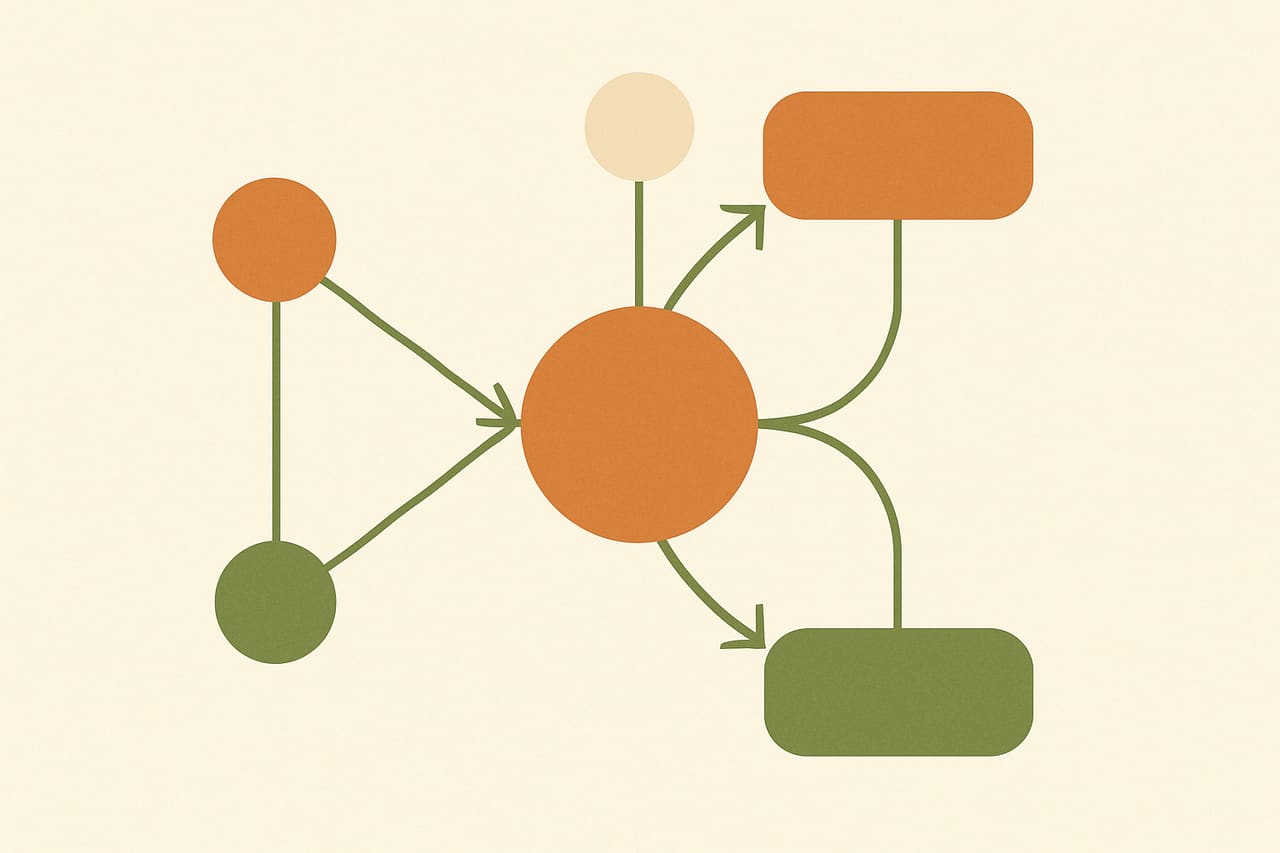
The whiplash of wanting you and shoving you away at once isn't a contradiction to fix — it's the actual mechanism of becoming separate without losing the bond. Adolescents are working two drives simultaneously: the push to assert independence and the pull of a still-real need for comfort and security. They venture out to test their separateness, then return to refuel, using you as what attachment researchers call a 'secure base' — a fixed point to leave from and come back to. The push isn't manipulation, and the return that follows isn't weakness; it's the rhythm of practicing autonomy while staying connected. Counterintuitively, the teens with the most secure home base often explore independence more boldly, because they trust the door stays open. When you stay steady through the shove, you keep the base intact for the inevitable return.
You might recognize this.
- Cold and distant, then suddenly wanting to talk.
- Rejecting affection in public, seeking it in private.
- Needing you most right after pushing you away.
- Wanting nothing to do with you in the afternoon, then opening up at midnight.
How to help.
- Stay available without forcing closeness.
- Take the openings when they come, even at odd hours.
- Don't read the push as the whole story; the pull is coming.
- Stay reliably available without forcing it; the pull comes if the door stays open.
How this changes by age
The first wobbles appear — wanting independence in public but still craving closeness at home. Let them lead on distance in front of peers while keeping the home routines (bedtime check-ins, car rides) that quietly stay open.
The oscillation is sharpest here: cold and distant one hour, wanting to talk the next, rejecting affection in public but seeking it in private. Don't take the push personally or force the pull — stay reliably available and let the openings come on their schedule.
The swings tend to smooth out as independence is more established and they choose connection more on their own terms. Keep being easy to come back to, and they'll increasingly return as something closer to a peer.
After a teen pushes you away, resist the urge to lecture or withdraw in return — leave the door open with something small and low-pressure: 'I'm around if you want company later, no agenda.' Then take the opening whenever it comes, even if it's at midnight over a snack.
Normal push-pull is different from a relationship that's only push — persistent withdrawal, hostility, or signs of distress aren't just the developmental rhythm and deserve a closer look. And 'it smooths out over time' is the typical arc, not a promise; staying available is what keeps the secure base intact, but some teens need more support than patience alone.
This is a plain-words summary of well-established psychology — a map, not a diagnosis. If your teen is struggling in a way that worries you, a pediatrician or licensed mental-health professional is the right next step. In crisis: call or text 988 (Suicide & Crisis Lifeline, 24/7) · text HOME to 741741 · call 911 for immediate danger.