What does this slang mean?
—
Pause first — try to say it out loud. Cool parents recall before they read.
—
—
Why, where it came from, what it means for you
Where it came from.
Why they say it.
For parents.

Your map
Hover any leaf — tap to jump.
Decode the slang you keep hearing.
Get your Cool-Parent certificate now — practice the cards, raise your GPA to a B+, and print it today.
Free for parents
Your round, your streak, your Cool-Parent level — all saved. Sign up free and you keep playing, unlock the whole A–Z dictionary, and pick up right where you left off next time you open it.
No payment — just an email and a password.
It's a practice — you test yourself, in private. Tap a card, guess in your head, reveal, then rate yourself. Nothing's graded.
What does this slang mean?
Pause first — try to say it out loud. Cool parents recall before they read.
—
Where it came from.
Why they say it.
For parents.
Nice work. Take a beat — the next round will reshuffle and re-prioritize what you marked "new to me."
This certifies that
Your name
has practiced the language of today's teens and walks into any conversation already reading the room.
—
Mark a few terms Knew it and your most impressive one shows up here.
Awarded — · myteensworld.com
What it means
A suffix meaning converted to or obsessed with something. 'He's gym-pilled' means heavily into the gym.
How it’s used
“He’s fully gym-pilled now, talks about protein nonstop.”
Teasing someone newly obsessed with a thing. Amused.
“I got book-pilled this summer and read twenty of them.”
Owning a new fixation with humor. Self-aware enthusiasm.
Where it came from
From 'red-pilled' (a Matrix reference), broadened into a flexible suffix across internet subcultures.
Why they say it
It quickly labels someone as deep into a particular interest or worldview.
For parents
Usually playful. Worth a closer look only if the '-pilled' thing is an extreme ideology.
What it means
Code for 'I love you' — the letter count of each word (1-4-3). 'Goodnight, 143.'
How it’s used
“Goodnight, 143.”
Coded ‘I love you’ in a quick, sweet text. Affectionate.
“Miss you already, 143.”
Soft, low-key way to say it without spelling it out. Tender.
Where it came from
Dates back to pager and early texting culture in the 1990s; still used by teens.
Why they say it
A quick, lowkey way to say 'I love you.'
For parents
Generally sweet. Just know it's an affectionate code if you see it.
What it means
Code for 'I love you forever' — the number of letters in each word (1-4-3-7). A texting shorthand of affection.
How it’s used
“Goodnight, 1437.”
Coded ‘I love you forever’ for a partner. Tender, private affection.
“1437, always.”
Quiet, devoted sign-off to someone they love. Sincere and sweet.
Where it came from
Numeric code love language, an extension of '143' ('I love you'); used in DMs and texts.
Why they say it
A cute, slightly secret way to express deep affection.
For parents
Sweet but worth light awareness — numeric love codes can be used in romantic messaging your teen may want private.
What it means
All the time, constantly. 'We're together 24/7.' Long-standing but still heavily used by teens.
How it’s used
“We’re basically together 24/7 now.”
Describing how constant and close a relationship feels. Happy and a bit swept up.
“My phone’s blowing up 24/7 lately.”
Saying something is nonstop and unending. Mild overwhelm.
Where it came from
From 'twenty-four hours a day, seven days a week'; mainstream since the 1980s-90s.
Why they say it
A quick way to say something is nonstop or constant.
For parents
Completely benign. No concern.
What it means
Information or the latest news/gossip. 'Give me the 411.'
How it’s used
“Give me the 411, what happened at the party?”
Hungry for the latest news or gossip. Curious and eager.
“She’s got all the 411 on the new kid.”
Pointing to whoever has the inside info. Playful nosiness.
Where it came from
From the old U.S. phone number for directory information; slang since the 1990s.
Why they say it
A casual way to ask for the scoop on something.
For parents
Harmless. Just means 'the info.'
What it means
An 'angel number' believed to signal protection, alignment, or that you're on the right path. Seen in captions and texts.
How it’s used
“Saw 444 again today, feels like a sign.”
Reading an ‘angel number’ as comfort and reassurance. Hopeful.
“444 in my caption for good energy.”
Using the number as a little wish for protection and alignment.
Where it came from
From numerology and spiritual TikTok ('angel numbers'); 444 spread widely after 2020.
Why they say it
Teens use it to express good vibes, reassurance, or spiritual meaning.
For parents
Harmless. It's spiritual-aesthetic slang, not anything risky.
What it means
Stands for 'for life' — loyalty to a friend, group, or relationship. 'Us 4L.'
How it’s used
“Me and her, 4L.”
Declaring lifelong loyalty to a close friend. Proud and devoted.
“This group is 4L, no matter what.”
Affirming a forever bond with their crew. Deep loyalty.
Where it came from
Hip-hop and crew slang signaling lifelong loyalty; spread via social media.
Why they say it
It signals deep, permanent loyalty to people or a group.
For parents
Usually about friendship loyalty. Worth a closer look only if tied to a worrying group or gang context.
What it means
A viral nonsense catchphrase often shouted with a hand gesture, with no fixed meaning — an absurdist inside joke from a song lyric and a basketball clip.
How it’s used
“Six-seven!”
Shouted as a random inside joke with no real meaning. Absurdist fun.
“Why does everyone keep yelling six-seven?”
The confusion is the point; it’s a viral nonsense catchphrase.
Where it came from
Blew up in 2024-2025 on TikTok from a rap snippet ('6-7') paired with NBA highlights; spread among younger kids.
Why they say it
It's meaningless on purpose — teens say it to be funny and confuse adults.
For parents
Harmless brainrot humor. If your kid yells '67,' it's a meme, not code for anything.
What it means
Coded statement of severe distress (often paired with 'unalive').
How it’s used
“I’m so done with everything, about to off myself.”
Coded language signaling real distress; take it seriously and reach out.
“About to off myself if this week gets any worse.”
May be exaggeration or genuine pain; worth a calm, caring check-in.
Where it came from
Online suicide-adjacent vocabulary that evades platform moderation.
Why they say it
Used because direct words get hidden by algorithms.
For parents
RED FLAG. Take literally. Call 988 (suicide & crisis lifeline). Stay present and warm.
What it means
A coordinated visual style or vibe for one's self, room, or social feed. 'Her whole aesthetic is so clean' means everything looks intentionally matched.
How it’s used
“Her room is all beige and plants, the aesthetic is so clean.”
Admiring a carefully matched style. Appreciative of the effort.
“I’m trying to fix my whole aesthetic this year.”
Wanting a coordinated personal look. Self-expression and identity.
Where it came from
Jumped from art-world jargon to Tumblr in the mid-2010s, then exploded on Pinterest and TikTok as a way to label curated looks and moods.
Why they say it
It lets teens signal identity and taste in a single word and find their tribe around a shared look.
For parents
Harmless self-expression. Worth noticing only if chasing an aesthetic turns into pressure to buy things or anxiety about the feed looking perfect.
What it means
'As f---,' an emphatic intensifier. 'Tired AF.'
How it’s used
“I’m tired AF, I need to sleep.”
Emphatic way to stress how strongly they feel something. Casual.
“That movie was boring AF.”
Intensifier driving home a strong opinion. Blunt and offhand.
Where it came from
Texting shorthand used since the early 2010s; ubiquitous now.
Why they say it
Adds heavy emphasis fast without spelling out a swear.
For parents
Contains a hidden swear. Usually just emphasis.
What it means
'Away from keyboard.' 'BRB, AFK for dinner.'
How it’s used
“I’m AFK for like ten minutes, don’t start without me.”
Stepping away mid-game and giving teammates a heads-up. Practical.
“Sorry I didn’t reply, I was AFK doing chores.”
Explaining a gap in messages — wasn’t ignoring you, just gone.
Where it came from
Gaming and chat-era shorthand from the 1990s; still standard in Discord and voice channels.
Why they say it
Signals temporary absence so friends don't worry or wait.
For parents
Routine gaming etiquette. No concern.
What it means
Casual spoken 'alright,' used to agree or sign off. 'Aight, see you later.'
How it’s used
“Aight, I’ll meet you after practice.”
Easy agreement, settling a plan. Relaxed.
“Aight, I’m heading out, later.”
Casual goodbye. Chill and brief.
Where it came from
Long-standing African American Vernacular English contraction, widespread in texting and speech.
Why they say it
Quicker and more relaxed than 'alright'; signals easygoing agreement.
For parents
Completely benign. Just a casual okay.
What it means
Expression of disbelief or refusal. 'Ain't no way he said that.'
How it’s used
“Ain’t no way he actually said that to the teacher.”
Stunned disbelief at wild news. Eyes-wide reaction.
“Ain’t no way I’m waking up at five for that.”
Flat-out refusal. Half-joking, fully serious.
Where it came from
AAVE phrase amplified by TikTok and Twitter reactions.
Why they say it
A punchy way to react to something shocking or to flatly refuse.
For parents
Benign reaction slang.
What it means
'Also known as,' for introducing a nickname or alias.
How it’s used
“This is my brother, aka the worst Mario Kart player alive.”
Introducing someone with a teasing nickname. Playful and affectionate.
“My new account, aka the one my mom doesn’t know about.”
Half-joking about a hidden alias. Worth a gentle check-in.
Where it came from
Standard English abbreviation long predating the internet; common in chats.
Why they say it
Quick way to name an alternate identity or alias.
For parents
Benign. Just a label.
What it means
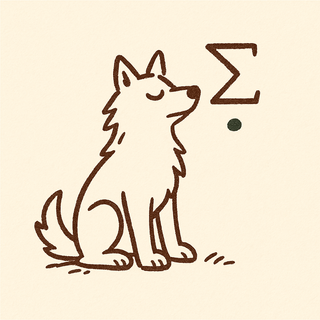
A status-ranking of males. 'Alpha' = dominant leader, 'beta' = passive follower (insult), 'sigma' = the cool lone wolf who needs no one.
How it’s used
“He skipped the party to grind alone — sigma move.”
Half-joking about a guy being a cool loner. Often meme-y.
“Stop being a beta and just text her back.”
Teasing a friend for hanging back. Can sting under the joke.
Where it came from
Borrowed from a debunked theory about wolf packs, repackaged by 'manosphere' and self-improvement influencers; 'sigma' became an ironic meme around 2022.
Why they say it
Boys use it half-jokingly to rank confidence and coolness, but the framing comes from online communities that push rigid, sometimes toxic ideas about masculinity.
For parents
Worth a closer look — heavy use can signal exposure to manosphere or 'red-pill' content. Stay curious, not alarmed; ask where they heard it.
What it means
Texting shorthand for 'alright.' Often a flat, low-energy acknowledgment, like 'alr whatever.'
How it’s used
“alr i guess we’re doing that.”
Flat, low-energy agreement. A little resigned.
“alr see you tmrw.”
Quick casual sign-off. Neutral, easygoing.
Where it came from
Texting and Discord abbreviation that spread for speed; tone varies from agreeable to dismissive.
Why they say it
Faster to type and can carry a shrug of attitude that full words wouldn't.
For parents
Usually nothing. A clipped 'alr' can signal mild annoyance, but it is normal teen texting, not a red flag.
What it means
A goofy distortion of 'Among Us,' the game; used as an absurd meme or to call something 'sus' (suspicious).
How it’s used
“He’s acting kinda sus, amogus.”
Goofy meme reference to suspicious behavior. Pure silliness.
“That shape is literally amogus, I can’t unsee it.”
Laughing at a game-shaped coincidence. Inside-joke humor.
Where it came from
Spawned from the 2020-21 'Among Us' boom and its 'sus' meme.
Why they say it
Pure absurdist humor; saying it is the joke.
For parents
Harmless meme talk among kids.
What it means
Pro-eating-disorder community names for anorexia ('Ana') and bulimia ('Mia').
How it’s used
“Ana’s the only one who gets me, I posted my fast count.”
Coded eating-disorder talk framed as a friend; a serious red flag.
“Found a Mia thread that tracks everything.”
Pro-eating-disorder community language; signals harmful online influence to address gently.
Where it came from
Pro-ED forum vocabulary from the early 2000s, still alive on Tumblr and TikTok.
Why they say it
Names a real online community pushing eating disorders as identity.
For parents
RED FLAG. If your teen uses these, contact a therapist and the NEDA helpline immediately.
What it means
'As soon as possible.' 'Send it ASAP.'
How it’s used
“Can you send me the notes ASAP, the test is tomorrow.”
Urgent and a little stressed — they need it right now.
“Mom said come home ASAP, gotta go.”
Relaying a parent’s call-back. Time-sensitive, dropping everything.
Where it came from
Office-speak abbreviation that crossed into texting decades ago.
Why they say it
Universal shorthand for urgency.
For parents
Routine. No concern.
What it means
'As hell,' an intensifier — 'tired asl.' (Older chat meaning was 'age/sex/location,' but teens now mean 'as hell.')
How it’s used
“I’m tired asl, I stayed up way too late.”
Emphasizing how worn out they feel. Just an intensifier.
“This homework is boring asl.”
Stressing how dull something is. Everyday exaggeration.
Where it came from
Texting shorthand that overtook the older 'age/sex/location' meaning in the 2010s-20s.
Why they say it
Adds emphasis fast without typing the whole phrase.
For parents
Usually just emphasis. The old 'age/sex/location' meaning is rare now but worth knowing if a stranger uses it.
What it means
Did something exceptionally well. 'She ate that' means she nailed it; 'left no crumbs' means it was flawless.
How it’s used
“She ate that performance and left no crumbs.”
Total admiration for a flawless job. Hyped-up, generous praise.
“Your makeup today? You ate, period.”
Complimenting a friend who nailed their look. Warm and affirming.
Where it came from
Came out of Black and LGBTQ+ ballroom culture, carried into the mainstream through drag and then TikTok in the early 2020s.
Why they say it
It's high, enthusiastic praise — more emphatic than 'good job' and signals genuine admiration for a performance, outfit, or comeback.
For parents
Pure compliment. A nice phrase to borrow yourself if you want to praise their effort in their own language.
What it means
Enjoyed and approved of something enthusiastically. 'The crowd ate that up.'
How it’s used
“She ate that performance up, the whole gym was screaming.”
Big admiration for someone who nailed it. Pure hype.
“You ate that outfit up, no notes.”
Genuine compliment — they look amazing and pulled it off.
Where it came from
Stage-performance slang amplified on TikTok.
Why they say it
Expresses strong, enthusiastic reception of someone's effort.
For parents
Positive. Just praise.
What it means
'At the moment,' meaning right now. 'Busy ATM.'
How it’s used
“Can’t talk atm, I’m in the middle of practice.”
Politely saying not right now — busy this exact moment.
“I’m broke atm, can we hang next week instead?”
Being honest about timing. Low-key, no big deal.
Where it came from
Chat shorthand from the early internet days, still common.
Why they say it
Compact way to flag a temporary state.
For parents
Benign. No concern.
What it means
'At this point.' Expresses resignation or a conclusion, as in 'atp I'm just gonna fail the test.'
How it’s used
“atp I’m just gonna fail this test and move on.”
Worn-down resignation after trying. Half-joking, half-defeated.
“atp why even study, the curve is wild.”
Reaching a frustrated conclusion. Tired of fighting it.
Where it came from
Texting acronym popularized on Twitter/X and TikTok comments in the early 2020s.
Why they say it
Compresses a whole 'given everything that's happened' sentiment into three letters.
For parents
Benign shorthand. If the surrounding message sounds hopeless, respond to the feeling, not the acronym.
What it means
A person's vibe or presence. Cool moves earn 'aura points'; an embarrassing moment is an 'aura loss', often a joke number like '-1000 aura'.
How it’s used
“He caught the ball one-handed without even looking — +1000 aura.”
Hyping up a friend after an effortless, cool moment. Pure approval, said with a grin.
“I waved back at someone who wasn’t waving at me. Aura: gone.”
Laughing at your own cringe — it’s self-roasting, not real distress.
Where it came from
Grew out of gaming and anime culture in 2023–24, where powerful characters radiate visible 'aura', then spread on TikTok as a way to score everyday life.
Why they say it
It turns ordinary social wins and fails into a shared scoreboard — a low-stakes, funny way to rate how someone handled a moment.
For parents
Harmless and playful. If your teen says they 'lost aura', they're laughing at themselves, not in distress — you can play along.
What it means
Pitch-correction software for vocals; teen slang sometimes mocks 'auto-tuned' overly polished personalities.
How it’s used
“His voice live is rough, it’s all auto-tune on the track.”
Calling out polish that isn’t real talent. Mildly critical.
“She’s so auto-tune, like nothing about her feels real.”
Mocking someone for seeming fake or overly produced.
Where it came from
Music production technology since the late 1990s, now a metaphor.
Why they say it
Can call out fake or overly produced presentation.
For parents
Benign. Just a music reference.
What it means
A confident, attractive, put-together girl or woman. 'She's a baddie' praises looks and self-assurance.
How it’s used
“She walked in looking like a total baddie.”
Praising confidence and a put-together look. Impressed.
“Felt like a baddie in this fit today.”
Feeling self-assured and good about their appearance. Confident.
Where it came from
Instagram beauty-influencer culture in the 2010s, tied to makeup and fashion aesthetics.
Why they say it
Signals admiration for someone polished, stylish, and self-possessed.
For parents
Usually a compliment. Worth a light check-in if it ties into appearance pressure or comparison.
What it means
'Before anyone else' — a romantic partner or close love. 'Hanging with bae.'
How it’s used
“Spending the whole weekend with bae, finally.”
Soft and happy — excited about time with a romantic partner.
“Bae just surprised me with my favorite snack.”
Glowing over a sweet gesture. Warm and a little smitten.
Where it came from
Backronym popularized in mid-2010s social media after the slang was already in use.
Why they say it
Affectionate label for a significant other or crush.
For parents
Benign. Often signals a relationship — a natural moment to ask about it warmly.
What it means
Impressive rap lyrics ('he spits bars'). Also slang for Xanax pills (bar-shaped) — context decides. 'On bars' means taking them.
How it’s used
“He spits bars, that verse was unreal.”
Praising impressive rap lyrics. Genuine admiration for skill.
“Heard he’s on bars now.”
Here it points to Xanax pills, not lyrics — a real safety flag.
Where it came from
Hip-hop term for lyrics; the drug sense comes from the bar shape of Xanax pills, echoed in rap.
Why they say it
Mostly praise for clever lyrics, but in drug contexts it names Xanax.
For parents
Usually about rap skill. But 'bars' as pills is a real fentanyl risk — notice which meaning the context points to.
What it means
Admiringly true to yourself, unafraid of others' opinions. Now also general praise for an opinion someone agrees with.
How it’s used
“He doesn’t care what anyone thinks. Based.”
Respect for someone unbothered and true to themselves. Approving.
“That take is so based, I agree completely.”
Cheering an opinion they share. Quick stamp of approval.
Where it came from
Coined by rapper Lil B around 2010 to reclaim 'basehead' as a positive, then adopted broadly (and politically) across the internet.
Why they say it
It compliments someone for saying something bold or unpopular — a badge for not caving to peer pressure.
For parents
Usually positive. Context matters: occasionally used to applaud edgy or provocative takes, so notice what's being called 'based'.
What it means
'Baby girl,' a warm or flirty term of endearment. 'Hi bbg.'
How it’s used
“Good morning bbg, hope you slept okay.”
Flirty, tender check-in. Early-relationship sweetness.
“You’re killing it bbg, I’m so proud of you.”
Affectionate encouragement to someone they care about.
Where it came from
Texting shortening that spread via Snapchat and Instagram DMs.
Why they say it
Quick affectionate address with romantic undertones.
For parents
Often romantic. Pay light attention to context if the sender is unknown.
What it means
'Brazilian butt lift,' a cosmetic surgery. Teen TikTok uses 'BBL effect' to mock confidence beyond looks.
How it’s used
“She walked in with such BBL effect, zero surgery, all confidence.”
Joking that someone radiates confidence beyond their looks.
“The way he carries himself? Pure BBL effect energy.”
Playful praise for unbothered self-assurance. A compliment.
Where it came from
Surgery name turned aesthetic reference on TikTok in 2022-23.
Why they say it
Names a controversial cosmetic trend or jokes about overconfidence.
For parents
Worth attention — surgery talk among minors signals body-image content exposure. A calm conversation about beauty standards lands well.
What it means
'Big d--- energy' — confident, unbothered swagger without trying.
How it’s used
“He didn’t even flinch, that’s BDE.”
Admiring calm, effortless confidence. Said approvingly.
“She walked in late and owned it, real BDE.”
Praising someone’s unbothered swagger. Impressed.
Where it came from
Coined on Twitter in 2018 about a specific celebrity comment; widely adopted as compliment slang.
Why they say it
Praises quiet, secure confidence.
For parents
Contains a hidden anatomical reference. Mostly used metaphorically as a compliment.
What it means
A quirky, mildly weird trait in a partner that's not a deal-breaker but you noticed. 'He puts ketchup on pizza, beige flag.'
How it’s used
“He says ‘anyways’ like fifty times a day, beige flag.”
Noticing a harmless quirk in someone they like. Amused, not worried.
“Her beige flag is naming every houseplant, it’s actually cute.”
Pointing out an endearing oddity. Affectionate teasing.
Where it came from
TikTok dating trend from 2023 building on red/green flag vocabulary.
Why they say it
Fun, low-stakes way to name oddities in dating without escalating to a red flag.
For parents
Playful. Healthy way to notice and discuss differences without alarm.
What it means
Keeping a romantic interest on the sidelines without committing — texting them just enough to keep them around.
How it’s used
“I think he’s benching me, he texts just enough to keep me waiting.”
Sensing they’re being kept on hold romantically. Hurt and unsure.
“Stop benching her, either commit or let her go.”
Calling out a friend for stringing someone along. Honest.
Where it came from
Dating-app coinage from the mid-2010s.
Why they say it
Names a manipulative dating pattern of stringing someone along.
For parents
Worth a conversation about respect in dating, in either direction.
What it means
Best friend — but also used loosely (even sarcastically) for anyone. 'Okay bestie.'
How it’s used
“Okay bestie, whatever you say.”
Friendly — or lightly sarcastic — depending on tone. Casual.
“Bestie, I missed you so much this week.”
Genuine warmth toward a close friend. Affectionate.
Where it came from
Long-standing shortening of 'best friend,' supercharged on TikTok as a friendly (or mock-friendly) address.
Why they say it
Signals warmth and closeness, or playful sarcasm depending on tone.
For parents
Benign. Tone tells you whether it's sincere or teasing.
What it means
'Okay / sounds good / it's a deal.' A one-word agreement. 'Want to come over?' 'Bet.'
How it’s used
“Want to come over after school?” “Bet.”
Quick, easy agreement. Casual and friendly.
“Meet at the field at five?” “Bet, see you there.”
Locking in a plan with one word. Confident.
Where it came from
AAVE slang ('you bet') shortened and spread widely online in the 2010s.
Why they say it
A confident, casual way to confirm plans or accept a challenge.
For parents
Completely benign. The modern 'okay' or 'deal'.
What it means
Submissive, passive, or weak — usually an insult tied to manosphere male-hierarchy framing.
How it’s used
“He let them walk all over him, total beta move.”
An insult from manosphere talk. Worth knowing where it comes from.
“Stop being so beta and just ask her out.”
Mocking someone as passive. Reflects toxic ranking of guys.
Where it came from
Borrowed from a debunked wolf-pack theory, repackaged by manosphere influencers.
Why they say it
Used as a status put-down among boys, or ironically as a self-deprecating joke.
For parents
Common as a joke but the framework is from rigid manosphere culture. Worth knowing the source if it appears often.
What it means
'Be f---ing for real' — telling someone to get serious or stop being ridiculous. 'You believe that? BFFR.'
How it’s used
“You think you’ll finish a whole book tonight? BFFR.”
Telling someone to get real. Blunt but joking.
“He said he’d change? BFFR.”
Calling out wishful thinking. Skeptical and direct.
Where it came from
Texting acronym that spread on TikTok and Twitter in the early 2020s.
Why they say it
A blunt, emphatic way to push back on something absurd.
For parents
Contains a hidden swear. Just emphasis, but worth knowing what the letters stand for.
What it means
Subculture or kink-adjacent identities. Most furry content is wholesome fandom; some is sexual.
How it’s used
“I made my furry fursona, it’s a fox, look.”
Excited about a creative fandom identity, usually wholesome. Earnest.
“My friend’s into pup play stuff, it’s a whole community.”
Mentioning a kink-adjacent subculture casually; mostly harmless, context matters. Matter-of-fact.
Where it came from
Fandom vocabulary.
Why they say it
Identity vocabulary your teen may explore.
For parents
Most furry/fandom content is harmless community. The sexual subset exists; calm conversations beat panic.
What it means
Eating a lot or being greedy with food. 'Don't be a big back.'
How it’s used
“I ate the whole pizza by myself, I’m such a big back.”
Joking self-roast about overeating. Lighthearted but body-focused.
“Don’t be a big back, leave some for everyone else.”
Teasing a friend for grabbing too much food.
Where it came from
TikTok slang from 2023-24, often paired with food memes.
Why they say it
Joking self-deprecation about eating; can sting when aimed at others.
For parents
Often self-mocking. Worth a word if used to shame someone's eating.
What it means
An intensified 'yikes' for something very embarrassing or cringeworthy. 'He texted that? Big yikes.'
How it’s used
“He texted his ex that? Big yikes.”
Cringing hard at something embarrassing. Secondhand discomfort.
“I called the teacher ‘mom,’ big yikes.”
Owning a mortifying moment. Laughing through the cringe.
Where it came from
'Yikes' amplified on Twitter and TikTok in the late 2010s.
Why they say it
Expresses secondhand embarrassment or disapproval with humor.
For parents
Benign reaction slang.
What it means
A fatalistic incel worldview that looks, height, and bone structure decide everything; nothing can be done.
How it’s used
“He’s gone full blackpill, thinks his looks doom him forever.”
Describing a hopeless incel mindset. A real mental-health concern.
“Don’t fall for that blackpill stuff, it just makes you bitter.”
A friend pushing back on a fatalistic worldview. Protective.
Where it came from
Term from incel forums adapted from 'red pill' / 'blue pill' lore from The Matrix.
Why they say it
Names a deeply hopeless framework that radicalizes some isolated young men.
For parents
RED FLAG. Heavy engagement with blackpill content is a serious mental-health warning sign; reach out warmly and get professional help if it's persistent.
What it means
Blocked on social media but not announced. 'He blockied me out of nowhere.'
How it’s used
“She blockied me and won’t even say why.”
Confused and stung by a silent social-media block.
“Wait, am I blockied? I can’t see his posts anymore.”
Realizing they’ve been quietly cut off. A little anxious.
Where it came from
Casual texting coinage for the act of being blocked.
Why they say it
Names the small social sting of discovering you've been blocked.
For parents
Benign. Just describes social media drama.
What it means
A dangerous online 'game' that pushed self-harm and suicide tasks; mostly debunked but still spawns copycats.
How it’s used
“My little cousin asked about the Blue Whale Challenge, I told him it’s fake and dangerous.”
Steering a younger kid away from a harmful online ‘game.’ The self-harm angle is the real concern.
“People keep reviving Blue Whale Challenge copycats, it’s so messed up.”
Disturbed that dangerous dares keep resurfacing. Worth a parent’s attention.
Where it came from
Hoax-and-real game that spread via Russian VK and global media in 2016-17.
Why they say it
Named here because copycat versions resurface in viral panic moments.
For parents
RED FLAG if mentioned by your teen. Genuine version was rare but copycats are real; talk openly and contact 988 if any self-harm is involved.
What it means
Caring deeply about the kids' show Bluey; a joke about wholesomeness.
How it’s used
“I cried at a Bluey episode again, I’m fully Bluey-pilled.”
Joking about loving a wholesome kids’ show. Endearing and silly.
“My whole friend group is Bluey-pilled now, we quote it constantly.”
Lighthearted bonding over something sweet and innocent.
Where it came from
Spinoff of '-pilled' suffix culture; emerged on parenting and millennial TikTok.
Why they say it
Wholesome humor about loving a kids' show.
For parents
Benign. Often a sign of a shared family interest.
What it means
A really good song. 'This is a bop.' (Heads up: in some contexts 'bop' is an insult about promiscuity — context decides.)
How it’s used
“Turn this up, it’s such a bop.”
Genuine excitement about a great song. Wants to share it.
“Every track on that album is a bop.”
Enthusiastic praise for music they love. Happy and energized.
Where it came from
Music slang dating back decades; the positive 'good song' sense dominated on TikTok and music-share culture in the 2010s–20s.
Why they say it
A quick, enthusiastic stamp of approval for a track worth sharing.
For parents
Almost always just about music. Only the rarer, cruel sense is worth noting if you see it aimed at a person.
What it means
Fancy, high-class, or luxurious tastes. 'This restaurant is so boujee.'
How it’s used
“This café charges nine dollars for toast, so boujee.”
Half-impressed, half-amused at fancy tastes. Playful.
“She got the boujee water bottle everyone wants.”
Noting a high-end, status-y purchase. Lightly teasing.
Where it came from
From 'bourgeois,' popularized by the 2016 Migos song 'Bad and Boujee.'
Why they say it
Describes upscale or high-maintenance taste, admiringly or teasingly.
For parents
Benign. Just describes fancy taste.
What it means
Exhausted to the point of being unable to think. 'I'm brain dead after that test.'
How it’s used
“I’m brain dead after that exam, I can’t even talk.”
Mentally wiped out and fried. Just needs to decompress.
“Three hours of homework and I’m straight up brain dead.”
Exhausted and out of mental gas. Venting, not literal.
Where it came from
Long-standing hyperbole now intensified in teen texting.
Why they say it
Vents mental exhaustion dramatically.
For parents
Usually hyperbole. Worth a check-in if paired with real burnout signs.
What it means
Low-quality, mind-numbing online content — or the mental fog from consuming too much of it. Also describes absurd meme slang itself.
How it’s used
“I’ve been scrolling for three hours, total brain rot.”
Self-aware about zoning out online too long. Slightly sheepish.
“His vocabulary is just brain rot memes now.”
Joking that someone only speaks in absurd internet slang.
Where it came from
An old phrase revived for the algorithmic-feed era; Oxford named 'brain rot' its 2024 Word of the Year.
Why they say it
Teens use it self-aware and ironically ('this is pure brain rot') even as they keep scrolling — naming the junk is part of the joke.
For parents
A useful opening: they already sense the content is empty. A calm chat about how it makes them feel often lands better than a screen-time crackdown.
What it means
A very close, affectionate (non-romantic) friendship between guys. 'Those two have a real bromance.'
How it’s used
“Those two text more than me and my girlfriend, full bromance.”
Teasing two guys about their close friendship. Affectionate.
“Me and my best friend have a serious bromance.”
Proud of a tight guy friendship. Warm and unembarrassed.
Where it came from
Media term from the 2000s, still in casual use.
Why they say it
Names a deep platonic male friendship without awkwardness.
For parents
Wholesome. A sign of healthy male friendship.
What it means
A drawn-out 'bro' — used as an address, or as a reaction to something disappointing or absurd. 'Bruh.'
How it’s used
“Bruh, I left my homework at home again.”
Reacting to a small disappointment. Exasperated but harmless.
“Bruh, did you really just say that?”
Stunned, half-amused disbelief. Mild call-out.
Where it came from
From 'brother/bro'; the deadpan one-word-reaction use spread through memes in the late 2010s.
Why they say it
A flexible filler that expresses disbelief, exasperation, or just gets someone's attention.
For parents
Harmless. Often just punctuation in conversation.
What it means
'By the way.' 'BTW, I'll be late.'
How it’s used
“BTW, I invited Sam too, hope that’s cool.”
Casually dropping in a side note. Easygoing.
“BTW your jacket’s still in my car.”
Tacking on a quick reminder. Friendly and offhand.
Where it came from
One of the oldest internet abbreviations; predates the web.
Why they say it
Quick way to add a side note.
For parents
Routine. No concern.
What it means
Targeted with repeated cruelty in person or online.
How it’s used
“I got bullied so hard in middle school for my braces.”
Opening up about past cruelty; a moment for support, not fixing.
“He’s being bullied and nobody’s stopping it.”
Flagging ongoing harm to a peer. Worried and protective.
Where it came from
Long-standing English term central to modern teen experience.
Why they say it
Names a recognized pattern of repeated harm — distinct from one-off conflict.
For parents
Take seriously every time. Listen, document, contact the school and counselor. Resources: StopBullying.gov, KiVa, 988.
What it means
Someone who repeatedly targets others with cruelty. 'He's a bully.'
How it’s used
“He’s such a bully, he picks on the new kids.”
Calling out repeated cruelty by name. Frustrated and clear.
“The class bully finally got called out.”
Relief that a harmful kid faced consequences. Satisfied.
Where it came from
Centuries-old English term central to school safety conversations.
Why they say it
Names a recognizable role in social conflict.
For parents
Worth modeling clearer language: 'a person bullying' rather than 'a bully' — keeps room for change. Open conversations + school involvement matter.
What it means
Repeated targeting with cruelty, in person or online, that creates power imbalance.
How it’s used
“The bullying got so bad she switched schools.”
Naming serious, repeated cruelty. A heavy, real disclosure.
“That’s not joking, that’s straight-up bullying.”
Drawing a line between teasing and real harm. Standing up.
Where it came from
Long-standing English term that has expanded to include digital forms.
Why they say it
Names a critical category of teen risk distinct from peer conflict.
For parents
If your teen is being bullied — believe them, document, escalate to school + counselor. If they're bullying — clear consequences, empathy work, and likely therapy.
What it means
Crisis support for teens in distress, including from bullying.
How it’s used
“I texted 988 when it got really bad.”
Reaching out for crisis help during real distress. Brave step.
“There’s a bullying hotline, you don’t have to handle it alone.”
Pointing a hurting friend toward support. Caring and steady.
Where it came from
988 is the U.S. national crisis and suicide lifeline (since 2022).
Why they say it
A real 24/7 resource.
For parents
Save it in your teen's phone. 988 by call or text. For bullying specifically, Crisis Text Line: text HOME to 741741.
What it means
A secret or secondary social media account, often anonymous. 'He posted that from a burner.'
How it’s used
“He said that stuff from a burner so no one knew.”
Pointing out an anonymous second account. Worth a gentle check-in.
“She has a burner just for her close friends.”
Noting a private secondary account. Common but good to know about.
Where it came from
From 'burner phone' culture; adapted to social media to mean a throwaway or hidden account.
Why they say it
Lets teens post anonymously, follow people secretly, or act without it tracing back to them.
For parents
Worth attention. Burners can be harmless (privacy) or used for bullying, snooping, or hiding activity. Ask openly.
What it means
Really good, usually about food. 'This is bussin.' ('Bussin bussin' = extra good.)
How it’s used
“Try the tacos, they’re actually bussin.”
Genuine excitement about really good food. A strong compliment.
“The new album? Bussin bussin. No skips.”
Doubling it for emphasis — this is great. Enthusiastic praise.
Where it came from
AAVE term that went viral on TikTok food videos around 2021.
Why they say it
An enthusiastic stamp of approval, most often for a tasty meal.
For parents
Harmless. If they say your cooking is bussin, that's a real compliment.
What it means
The phone's photo library; teens reference 'posting from the camera roll' for unfiltered, real-life pics. 'Camera roll dump.'
How it’s used
“Posting a camera roll dump from the weekend.”
Sharing unfiltered real-life pics. Relaxed and authentic.
“My camera roll is just memes and food pics.”
Joking about what fills their photo library. Lighthearted.
Where it came from
Standard phone feature turned into a posting style (the casual 'photo dump').
Why they say it
Signals authenticity — real, unedited moments versus polished posts.
For parents
Benign. Just casual photo-sharing.
What it means
Self-aware, exaggerated, theatrical style — being over-the-top on purpose. 'That outfit is so camp.'
How it’s used
“That music video was so camp, I loved every ridiculous second.”
Delighting in something gloriously over-the-top on purpose.
“Going full camp for the dance, sequins and drama everywhere.”
Excited to be theatrical and extra. Playful self-expression.
Where it came from
Long-standing queer aesthetic vocabulary, broadened in 2019 Met Gala discourse.
Why they say it
Celebrates loud, knowing artificiality as a style choice.
For parents
Benign and creative. Just an aesthetic.
What it means
An unavoidable, formative life experience you shouldn't interfere with. 'Letting him get his heart broken is a canon event.'
How it’s used
“Letting him fail that quiz is a canon event, don’t help.”
Treating a hard lesson as necessary growing up. Half-joking wisdom.
“Getting your heart broken at sixteen is a canon event.”
Framing a painful rite of passage as unavoidable. Oddly comforting.
Where it came from
From 'Spider-Man: Across the Spider-Verse' (2023); a 'canon event' shapes who you become.
Why they say it
A funny, knowing way to frame rites of passage and mistakes as necessary.
For parents
Harmless and often insightful. A nice shared reference for talking about learning from experience.
What it means
'Cap' means a lie; 'no cap' means 'no lie, I'm serious.' 'Stop capping' = stop lying.
How it’s used
“No cap, that was the best game all season.”
Swearing they’re being totally honest. Earnest and emphatic.
“You ran a mile in five minutes? Cap.”
Calling out a claim they don’t believe. Playful skepticism.
Where it came from
Rooted in African American Vernacular English, where 'capping' has meant boasting or lying for decades; popularized widely by 2018 rap and a 🧢 emoji.
Why they say it
A fast way to flag honesty or call out a fib without making it a big confrontation.
For parents
Totally benign. Knowing it just helps you follow the conversation — 'no cap' is the teen version of 'for real'.
What it means
Vape cartridges, often containing cannabis (THC) oil. 'Who's the plug for carts?'
How it’s used
“Who’s got carts for this weekend?”
Seeking vape cartridges; the real concern is THC vaping.
“His carts got confiscated at school.”
Mentioning cannabis vape cartridges getting caught at school.
Where it came from
Vaping culture shorthand for pre-filled cartridges.
Why they say it
It's coded language for cannabis or nicotine vapes.
For parents
A genuine warning sign for vaping or cannabis. Worth a calm, direct conversation.
What it means
A playful or real threat to fight. 'Keep talking and you'll catch these hands.'
How it’s used
“Keep talking like that and you’ll catch these hands.”
Mock or real threat to fight. Usually heated, sometimes joking.
“Touch my fries again and you’re catching these hands.”
Playful warning between friends. Teasing, not actually serious.
Where it came from
AAVE/meme culture, widespread on social media in the late 2010s.
Why they say it
Jokingly (or seriously) threatens a fight.
For parents
Usually joking bravado, but worth noting tone if real conflict is involved.
What it means
Pretending to be someone else online, usually with fake photos, to scam or hook someone romantically.
How it’s used
“That account is totally a catfish, the photos are stolen.”
Spotting a fake online identity. The scam risk is real.
“She got catfished by someone using a fake name and pics.”
Sharing that a friend was deceived online. A genuine safety flag.
Where it came from
From the 2010 documentary 'Catfish' and the MTV show that followed.
Why they say it
Names a real online deception pattern teens know to watch for.
For parents
Worth knowing. A great moment to discuss why someone online refusing video calls is a red flag.
What it means
Caught red-handed with clear proof, usually a screenshot or video. 'Caught in 4K.'
How it’s used
“There’s a screenshot, you’re caught in 4K.”
Calling out someone with undeniable proof. Playful gotcha.
“He denied it but got caught in 4K.”
Highlighting that the evidence is airtight. Teasing.
Where it came from
References ultra-high-definition '4K' video; spread around 2020 as receipts-culture grew.
Why they say it
A playful way to say someone was caught doing something with undeniable evidence.
For parents
Usually lighthearted. A reminder for teens that screenshots make everything permanent.
What it means
Caught off guard, unprepared, or in an embarrassing moment. 'Got caught lacking at the door.'
How it’s used
“I got caught lacking with no homework when she called on me.”
Embarrassed about being unprepared and put on the spot.
“Don’t get caught lacking, bring an umbrella, it’s gonna pour.”
Teasing warning to be ready. Lighthearted.
Where it came from
Street/gaming slang amplified by TikTok.
Why they say it
Funny way to admit being unready for something.
For parents
Benign humor. Note tone if it implies a real fight.
What it means
Jokingly the best at or most associated with something. 'She's the CEO of being late.'
How it’s used
“She’s the CEO of being five minutes late.”
Joking that someone’s the absolute best at a quirk. Teasing.
“I’m the CEO of forgetting my charger.”
Self-deprecating brag about a habit. Lighthearted.
Where it came from
Twitter/TikTok hyperbole format from the late 2010s.
Why they say it
A playful way to crown someone the master of a trait.
For parents
Benign humor.
What it means
A stereotypically confident, attractive, popular guy. Can be admiring ('absolute Chad') or mocking, depending on context.
How it’s used
“He just walked in like an absolute Chad.”
Admiring confident, popular-guy energy. Impressed, maybe ironic.
“Look at this Chad skipping the line.”
Mocking over-the-top confidence. Eye-rolling humor.
Where it came from
Originated in meme/incel culture as the 'alpha male' archetype, now broadly ironic.
Why they say it
Labels a confident, successful guy — sometimes genuine praise, sometimes a dig at bravado.
For parents
Often harmless and ironic, but the term comes from incel/manosphere culture — worth knowing the roots if it shows up a lot.
What it means
A close friend, term of address. 'Chum' is also old British slang.
How it’s used
“Wassup chum, you coming to the thing tonight?”
Warm, casual greeting to a close friend. Friendly.
“That’s my chamiya, we’ve been friends since fourth grade.”
Affectionate term for a longtime buddy. Cozy loyalty.
Where it came from
South Asian English / Indian-British slang now mixed into multicultural teen vocabulary.
Why they say it
Friendly address among peers.
For parents
Benign.
What it means
Bad or low-quality at something, usually a game. 'You're cheeks at this.'
How it’s used
“Bro you’re cheeks at this game, just let me drive.”
Ribbing a friend for playing badly. Competitive teasing.
“I’m so cheeks today, I keep missing every shot.”
Self-deprecating about a rough gaming run. Frustrated but joking.
Where it came from
Gaming insult slang via Twitch and Discord.
Why they say it
Mild insult about skill — usually banter, not bullying.
For parents
Watch tone. Banter among friends, but can sting if aimed at someone struggling.
What it means
Smiling stupidly. Also: exploiting a game mechanic. Also (rare): cocaine.
How it’s used
“He was cheesing so hard when she said hi.”
Describing a goofy, can’t-hide-it grin. Affectionate teasing.
“Stop cheesing the boss, just fight it normal.”
Calling out a cheap shortcut in a video game. Playful.
Where it came from
Multiple meanings depending on context.
Why they say it
Almost always benign — the drug sense is rare among teens.
For parents
Almost always benign.
What it means
Outdated or trying too hard to be trendy — especially things associated with older millennials.
How it’s used
“Those boots are kinda cheugy now, ngl.”
Gently mocking something as dated or trying too hard. Light judgment.
“Putting that quote on a mug is so cheugy.”
Poking fun at an out-of-style trend. Playful.
Where it came from
Coined by a teen in 2013, went viral via TikTok and a New York Times piece in 2021.
Why they say it
A way to mark something as off-trend or out-of-touch — often gently mocking.
For parents
Harmless taste-policing. You (and your decor) may be lovingly called cheugy.
What it means
Relax, calm down, or low-key. 'Just chill.' 'Chill vibes.'
How it’s used
“Just chill, we have plenty of time to get there.”
Telling someone to relax and stop stressing. Calming.
“Tonight’s gonna be chill, just us and a movie.”
Low-key plans, no pressure. Content and easygoing.
Where it came from
Decades-old slang, still universal among teens.
Why they say it
Universally signals 'relax' or 'easy.'
For parents
Benign. No concern.
What it means
Unattractive, low-quality, or badly done. 'That haircut is chopped.'
How it’s used
“Bro that fade is chopped, who cut your hair?”
Calling something ugly or badly done. Blunt, a little harsh.
“The dollar-store version came out chopped.”
Dismissing low quality. Disappointed and unimpressed.
Where it came from
Slang amplified through streaming and TikTok in the 2020s.
Why they say it
A blunt way to call something or someone unattractive or botched.
For parents
Can be an unkind appearance insult. Worth a word if aimed at someone.
What it means
So immersed in the internet that it warps your sense of the real world. 'That take is so chronically online.'
How it’s used
“Only someone chronically online would say that.”
Calling out an internet-warped take. Mildly critical.
“I’ve been so chronically online this summer, I need to touch grass.”
Self-aware about too much screen time. Joking but real.
Where it came from
Coined on Twitter in the early 2020s to mock out-of-touch internet takes.
Why they say it
Calls out someone whose worldview is distorted by being terminally on social media.
For parents
A useful self-aware concept. Could be an opening to talk about balance and touching grass.
What it means
A sharp, witty comeback to criticism or an insult. 'Her clapback was brutal.'
How it’s used
“She tried to roast him and his clapback was brutal.”
Impressed by a sharp comeback. Entertained.
“I had the perfect clapback but said it too late.”
Wishing they’d landed a witty reply in time. Playful regret.
Where it came from
Popularized via celebrity Twitter and hip-hop culture in the 2010s.
Why they say it
Celebrates a clever, confident response to being dissed.
For parents
Benign. Just a comeback — though context can signal online conflict.
What it means
A minimalist beauty aesthetic: slicked-back hair, dewy skin, gold hoops, 'effortless' polish. 'Going for a clean girl look.'
How it’s used
“I’m doing the clean girl look for picture day — slicked bun, gold hoops.”
Aiming for effortless, polished, put-together. Confidence in simplicity.
“Dewy skin, no heavy makeup. Very clean girl.”
Describing a minimalist beauty goal. Calm, low-key pride in the look.
Where it came from
TikTok beauty trend that peaked around 2022-23.
Why they say it
A coveted, put-together aesthetic that signals being on-trend.
For parents
Harmless beauty trend. Watch only for cost or appearance pressure it can create.
What it means
Influence, fame, or social status online. 'Doing it for clout' = chasing attention.
How it’s used
“He only did it for the clout.”
Criticizing someone chasing online attention. A little judgmental.
“That post got her so much clout.”
Noting a jump in someone’s online status. Matter-of-fact.
Where it came from
Old word for influence, revived in hip-hop and internet culture in the 2010s.
Why they say it
Names the currency of online attention — and calls out people who chase it.
For parents
Worth a values conversation. 'Clout-chasing' can push teens toward risky stunts for likes.
What it means
Coming through under pressure. 'He hit a clutch shot.'
How it’s used
“You bringing chargers was so clutch, my phone was dead.”
Grateful for someone coming through at the perfect moment.
“He hit the clutch free throws to win it.”
Admiring someone who delivered under pressure. Impressed.
Where it came from
Sports and gaming slang for performing at a critical moment.
Why they say it
Praise for delivering when it counts.
For parents
Positive. Often a compliment.
What it means
Changing speech, behavior, or appearance for different audiences (school vs. home vs. friends).
How it’s used
“I totally code switch, I talk way different at home than at school.”
Naming how they adjust for different settings. Self-aware.
“You could hear him code switch the second the teacher walked over.”
Noticing someone shift their speech for an audience.
Where it came from
Sociolinguistics term, now general teen vocabulary about navigating identity.
Why they say it
Names a real, often exhausting, daily reality for teens balancing multiple social groups.
For parents
A useful concept to know — being aware of it builds empathy when teens act differently at home than school.
What it means
In serious trouble or doomed. 'I didn't study — I'm cooked.' Can also mean exhausted.
How it’s used
“Three tests tomorrow and I haven’t started. I’m cooked.”
Comic doom about being in deep trouble. Stressed but laughing.
“They saw my search history — bro is cooked.”
Teasing someone who’s busted. Gleeful schadenfreude.
Where it came from
Gaming and sports trash-talk slang that went mainstream on streaming platforms like Twitch around 2022–23.
Why they say it
A dramatic, funny way to admit you're overwhelmed or about to fail — venting stress through humor.
For parents
Often just hyperbole about a test or game. Worth a gentle check-in only if it's paired with real signs of being overwhelmed.
What it means
Sneakily messed with or insulted behind someone's back.
How it’s used
“They were cooking me from the back the whole time, fake friends.”
Hurt at being talked about behind their back. Betrayed.
“Don’t cook people from the back, just say it to their face.”
Calling out sneaky trash-talk. Valuing honesty.
Where it came from
Variant of 'cooked' slang, amplified on TikTok.
Why they say it
Describes social betrayal or behind-the-back drama.
For parents
Worth noticing — implies friend-group conflict you might gently ask about.
What it means
Mocking dismissal telling someone their excuses are weak. 'Cope harder.'
How it’s used
“Mad you lost? Cope harder.”
A dismissive online jab dunking on someone’s excuses. Can sting.
“They’re telling everyone to cope harder, classic comment-section energy.”
Describing a mocking pile-on. A taste of online harshness.
Where it came from
Forum culture, especially gaming and incel adjacent spaces.
Why they say it
Combative shutdown line, often in arguments or trolling.
For parents
Sometimes harmless trash talk, but the phrase has roots in toxic online communities. Notice context.
What it means
A girly, ribbons-and-bows, lacy, hyper-feminine aesthetic. 'A coquette outfit.'
How it’s used
“I tied a bow in my hair for the coquette look.”
Leaning into a soft, hyper-feminine style. Playful self-expression.
“Her whole vibe is coquette, lace and ribbons everywhere.”
Describing a girly, dainty aesthetic. Admiring.
Where it came from
TikTok aesthetic peak 2023-24, leaning on pink, lace, and pearls.
Why they say it
A coordinated soft-feminine look used to signal identity.
For parents
Usually harmless. Worth a light conversation if it slides toward childlike framing of teen girls.
What it means
Dressing up as a character from anime, games, or comics, often at conventions.
How it’s used
“I spent all month sewing my cosplay for the con.”
Proud of a creative costume project. Genuine passion.
“Her cosplay was so accurate, people kept asking for photos.”
Admiring detailed fan craftsmanship. Impressed and supportive.
Where it came from
Japanese fan-culture term from the 1980s, mainstream globally now.
Why they say it
Creative self-expression and community signaling around shared fandoms.
For parents
Wholesome hobby and a great social outlet. Watch only for the cost of elaborate costumes.
What it means
A rural, vintage, hand-baked-bread aesthetic — flowy dresses, gardens, soft lighting.
How it’s used
“My room is full cottagecore now, dried flowers everywhere.”
Excited about a cozy, rustic aesthetic. Soft and personal.
“I want a cottagecore picnic with little baskets and a blanket.”
Dreaming of a gentle, vintage-feeling outing. Wholesome.
Where it came from
Tumblr aesthetic that exploded on TikTok and Pinterest during the 2020 lockdowns.
Why they say it
Romantic, soothing visual identity celebrating slow living.
For parents
Wholesome and creative. Just an aesthetic.
What it means
Tactically responding to an opponent's strategy in a game. 'Pick a counter to her main.'
How it’s used
“Pick a counter to her champion or we’re done.”
Strategizing to beat an opponent’s setup. Focused and competitive.
“He hard-countered my whole team comp, so annoying.”
Frustrated at being out-strategized in a match.
Where it came from
Standard gaming vocabulary across multiplayer titles.
Why they say it
Names skill-based strategic play.
For parents
Routine gaming talk.
What it means
To lose your temper, give up, or do something reckless out of frustration. 'I'm about to crash out.'
How it’s used
“If I get one more text from her I’m gonna crash out.”
On the edge of losing it from stress. A real warning of overwhelm.
“He crashed out over a video game and threw the controller.”
Describing someone snapping in anger. Notes a reckless reaction.
Where it came from
AAVE slang amplified on TikTok in 2023-24.
Why they say it
Names a moment of emotional overload or impulsive reaction.
For parents
Worth listening for. Usually venting, but repeated 'crashing out' can signal real stress or poor coping — a gentle check-in helps.
What it means
Losing your temper or emotional control, often dramatically. 'I'm about to crash out over this group project.'
How it’s used
“I’m about to crash out over this group project, I swear.”
Near a breaking point, venting frustration dramatically. Overwhelmed.
“She fully crashed out when her phone broke.”
Describing someone losing emotional control. A flag to check in gently.
Where it came from
Hip-hop slang that exploded on TikTok in 2024 for melting down or doing something reckless out of anger.
Why they say it
It dramatizes reaching a breaking point.
For parents
Usually exaggeration about frustration. Frequent, genuine 'crashing out' can signal poor stress coping worth supporting.
What it means
A period of acting unhinged, impulsive, or out of character. 'In my crashout era.'
How it’s used
“I’m fully in my crashout era, nothing I do makes sense right now.”
Half-joking about feeling impulsive and unhinged. Can mask real stress.
“She’s in her crashout era and dyed her hair at 2am.”
Describing a friend acting out of character. Worth a check-in.
Where it came from
Extension of 'crash out' slang on TikTok in 2024.
Why they say it
Frames bad decisions as a passing phase with humor.
For parents
Worth listening to. Often vented as a joke, but persistent 'crashout' framing can signal real struggle.
What it means
Embarrassing or awkward, especially someone trying too hard. 'That's so cringe.'
How it’s used
“Watching him flirt was so cringe, I had to leave.”
Secondhand embarrassment at someone trying too hard. Half-amused.
“Don’t show my old posts, they’re cringe.”
Wincing at their own past self. Self-conscious and joking.
Where it came from
From the physical act of cringing; became a core internet judgment word through 'cringe compilation' videos in the 2010s.
Why they say it
It polices social norms — labeling what's seen as try-hard, out-of-touch, or secondhand-embarrassing.
For parents
Teens fear being 'cringe' intensely. Being called cringe by them is often affectionate teasing; pushing back hard usually backfires.
What it means
Romantic infatuation. 'I have a crush on her.'
How it’s used
“I have the biggest crush on him and I can’t even talk to him.”
Sweet, nervous infatuation. Butterflies and shyness.
“My crush actually said hi to me today, I’m freaking out.”
Giddy over a tiny moment with someone they like.
Where it came from
Long-standing English slang.
Why they say it
The standard way to name a romantic interest.
For parents
Benign and developmentally normal.
What it means
A casual term for a friend, like 'cousin' or 'bro.' 'What's good, cuh?'
How it’s used
“What’s good, cuh? You pulling up later?”
Casual, friendly greeting to a close friend. Relaxed and warm.
“Cuh, you won’t believe what just happened.”
Talking to a buddy like family. Easy, familiar tone.
Where it came from
West Coast slang shortening of 'cousin,' spread via rap and TikTok.
Why they say it
A friendly term of address among friends.
For parents
Benign. Just means 'buddy.'
What it means
Bullied via texts, DMs, comments, or social posts.
How it’s used
“I got cyberbullied in the comments all weekend.”
Online cruelty that follows them home; genuinely painful to hear.
“She’s being cyberbullied in the group chat.”
Flagging digital harassment of a friend. Concerned and ready to help.
Where it came from
Coined in the 2000s as digital harassment grew.
Why they say it
Names harm that travels into the bedroom via phones.
For parents
Take seriously. Save screenshots, report on the platform, talk with the school. Resources: stopbullying.gov, Crisis Text Line (text HOME to 741741).
What it means
Repeated harassment, threats, or cruelty via digital channels.
How it’s used
“The cyberbullying didn’t stop until she went private.”
Describing relentless online harassment. A serious safety issue.
“Screenshotting all of it, this is cyberbullying.”
Gathering proof to push back on digital cruelty. Determined.
Where it came from
Modern term for a modern phenomenon.
Why they say it
Distinct from in-person bullying because it follows the teen home.
For parents
Document everything. Report to the platform and the school. The Cyberbullying Research Center has clear parent guides.
What it means
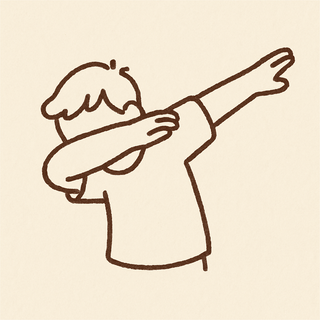
A celebratory gesture (tucking your head into a bent arm) used to mark a win or a flex. As slang it can also mean to show off.
How it’s used
“Scored the goal and hit a dab right after.”
Celebrating a win with a playful flex. Cocky and fun.
“He dabbed on them after winning the round.”
Showing off after a victory. Lighthearted bragging.
Where it came from
Emerged from Atlanta hip-hop and dance culture around 2015, then spread globally through sports and meme culture.
Why they say it
It's a quick, physical way to celebrate or punctuate a brag.
For parents
Harmless and now slightly dated. If your teen dabs, it's playful, not concerning.
What it means
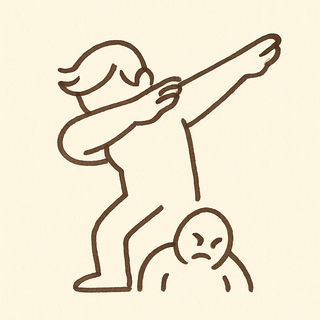
To outshine or own someone, often with a flex. 'Dab on the haters.'
How it’s used
“We won by twenty, time to dab on the haters.”
Triumphant flexing after a win. Cocky and celebratory.
“He aced the test just to dab on everyone who doubted him.”
Proving doubters wrong with a flourish. Petty pride.
Where it came from
Extension of the dab gesture into a slang verb.
Why they say it
Names public, satisfying success over a rival or critic.
For parents
Benign bravado.
What it means
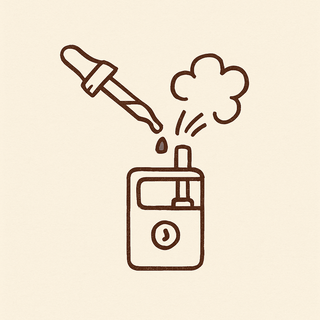
Vaping or consuming cannabis concentrates ('dabs'). NOT the dance move when context is drug-related.
How it’s used
“He’s always dabbing in his car before school.”
Refers to vaping cannabis concentrates here, not the dance. A real safety flag.
“They were dabbing in the parking lot after the game.”
Describing drug-concentrate use. The health and legal risk is genuine.
Where it came from
Originally the dance; the concentrate-vaping sense overlapped from 2015.
Why they say it
Drug sense names a high-potency cannabis use.
For parents
RED FLAG if context is drug-related. Concentrates are far stronger than flower marijuana.
What it means
A meme phrase meaning 'calm down,' delivered with mock seriousness. Often used to defuse or mock someone who's overreacting.
How it’s used
“Bro it’s just a game, daddy chill.”
Mockingly telling someone to calm down. Teasing, defusing tension.
“Daddy chill, I was joking.”
Lightening the mood after someone overreacts. Playful.
Where it came from
From a viral 2010s YouTube skit ('What are you doing? Stop! Daddy, chill!') turned into a reaction meme.
Why they say it
It's an ironic way to tell someone to relax.
For parents
Pure meme humor, no concerning meaning.
What it means
Slang for emotional patterns blamed on a strained father-daughter relationship.
How it’s used
“She’s got daddy issues, that’s why she dates older guys.”
An armchair diagnosis about someone’s love life. Often careless and judgmental.
“Joking about my daddy issues is my whole personality lately.”
Half-joking self-awareness that masks a real, tender hurt.
Where it came from
Pop-psych vocabulary turned dating-app shorthand.
Why they say it
Used in dating contexts (often shaming) or as a self-aware joke.
For parents
Watch for it being used to shame someone. Real family dynamics deserve more care than a label.
What it means
Mild expletive of surprise or agreement.
How it’s used
“Damn, that test was way harder than I expected.”
A quick exhale of surprise or frustration. Mild and everyday.
“You think we deserve a pizza night? Damn straight.”
Emphatic agreement. Confident and a little playful.
Where it came from
Long-standing English exclamation.
Why they say it
Universal reaction sound.
For parents
Benign in moderation.
What it means
Excellent or high-quality, usually describing memes ('dank memes'). Note: in drug contexts it can also describe potent marijuana.
How it’s used
“This meme is so dank, I can’t stop laughing.”
High praise for top-tier internet humor. Delighted and amused.
“Drop the dank memes in the group chat.”
Asking for the good stuff. Playful, online-savvy energy.
Where it came from
Originally drug slang for strong weed; ironically repurposed by Reddit and meme communities to mean a top-tier meme.
Why they say it
It signals something is niche-funny or impressively good.
For parents
Usually meme-related and harmless. Context matters — pay attention if it appears alongside actual drug talk.
What it means
Greeting with a fist-bump or handshake. 'Dap me up.'
How it’s used
“Yo, come dap me up before you leave.”
A friendly bid for connection. Warm guy-to-guy greeting ritual.
“We dapped up after the game like nothing happened.”
Patching things over without words. Casual reconciliation.
Where it came from
AAVE greeting term dating to the 1960s.
Why they say it
Friendly acknowledgment among peers.
For parents
Benign.
What it means
Completely serious, no joke. 'I'm dead-ass not going to that party.'
How it’s used
“I’m dead-ass not going if she’s there.”
Stressing total sincerity. No joking — a firm stance.
“Dead-ass, that was the best burger of my life.”
Insisting they really mean it. Earnest emphasis.
Where it came from
New York City slang that went national via social media in the late 2010s.
Why they say it
It adds emphasis and sincerity to a statement.
For parents
Just an intensifier. If anything, it signals your teen is being especially honest.
What it means
Knocked down or destroyed; also dressed up sharply.
How it’s used
“He got decked the second he ran his mouth.”
Describing someone getting hit. Note if a real fight is involved.
“She showed up decked out for the dance, looked amazing.”
Admiring someone dressed up sharply. Pure compliment.
Where it came from
Long-standing English slang.
Why they say it
Dramatic verb for hitting hard — physically or stylistically.
For parents
Watch tone if it's about a real fight.
What it means
Not literal — means something was hilarious. 'That meme killed me / I'm dead.'
How it’s used
“That meme killed me, I’m dead.”
Reacting to something hilarious. Pure delight, not literal.
“He tripped on nothing — I’m ded.”
Laughing hard at a goofy moment. Light and playful.
Where it came from
Long-running internet hyperbole; '💀' (the skull emoji) became its shorthand around 2020 as 😂 came to feel dated.
Why they say it
Maximum-laughter shorthand — saying a joke was so funny it 'ended' you.
For parents
Completely harmless humor. The skull emoji means 'dying laughing', not anything dark.
What it means
Short for 'delusional' — believing something unrealistic, usually about romance or success. Often self-aware ('delulu is the solulu').
How it’s used
“She thinks her celebrity crush will text back. She’s so delulu.”
Teasing a friend for an unrealistic hope. Affectionate, not cruel.
“Being a little delulu is the only thing getting me through finals.”
Owning your wishful thinking as a coping joke. Playful optimism.
Where it came from
Started in K-pop fan communities around 2014 describing fans with fantasy relationships with idols, then went mainstream on TikTok in 2023.
Why they say it
A playful way to admit to hopeful, unrealistic thinking — and sometimes to encourage bold optimism ('be delulu and shoot your shot').
For parents
Usually lighthearted. Only worth attention if the 'delusion' is about something genuinely risky rather than a crush or a daydream.
What it means
Modest and put-together. From the viral 'very demure, very mindful' joke about being tasteful.
How it’s used
“Look how I packed my lunch, very demure, very mindful.”
Riffing on the viral joke about being tastefully modest. Funny and ironic.
“I kept it very demure at the family dinner.”
Joking about being on best, low-key behavior. Lighthearted.
Where it came from
From an August 2024 TikTok by creator Jools Lebron that became a massive catchphrase.
Why they say it
Used ironically to describe doing anything in a 'classy', understated way.
For parents
Harmless meme. Mostly quoted for laughs, not literal.
What it means
Stealing or vandalizing something (often from school) and posting video of it as a brag. 'I pulled a devious lick.'
How it’s used
“Someone pulled a devious lick and took the bathroom soap dispenser.”
Bragging about a theft-for-clout dare. Flags real property damage.
“The devious lick trend got people suspended.”
Noting consequences of a viral stealing challenge. A genuine concern.
Where it came from
A 2021 TikTok challenge where students stole school property; 'lick' is older slang for a theft/score.
Why they say it
It chases viral attention through dares.
For parents
This is theft framed as a prank. If you hear it, ask directly — challenge-driven stealing can bring real school discipline.
What it means
A girl perceived as romantically tied to a Discord server's social hierarchy; often used disparagingly.
How it’s used
“Everyone in that server thinks she’s the discord kitten.”
A dismissive label about online attention. Often used to belittle a girl.
“I’m not anybody’s discord kitten, leave me alone.”
Pushing back on a demeaning online reputation. Defensive and tired of it.
Where it came from
Discord community slang from gaming-adjacent servers.
Why they say it
Often a shaming term aimed at girls in online communities.
For parents
Worth a conversation if it appears — it can name predatory dynamics in older male-dominated servers.
What it means
A volunteer moderator on a Discord server; often mocked as power-tripping, lonely men.
How it’s used
“Bro acts like a discord mod over a group chat.”
Mocking someone for power-tripping over small authority. Teasing.
“The discord mod muted me for literally nothing.”
Annoyed at online rule-enforcement. Feels arbitrary and petty.
Where it came from
Discord platform role, now a mocking stereotype.
Why they say it
Joke insult about being controlling or terminally online.
For parents
Usually a meme. The underlying issue — minors in servers run by unaccountable adults — is real.
What it means
'Direct message,' a private message on social media. 'DM me.'
How it’s used
“Just DM me the details, it’s easier than texting.”
Casual everyday request to move a chat private. Neutral and practical.
“She left me on read in my DMs again.”
Stung by being ignored in a private message. Quietly bothered.
Where it came from
Twitter terminology that became universal.
Why they say it
Standard way to ask for private chat.
For parents
Routine. Worth knowing what platform — DMs are private channels strangers can use to reach your teen.
What it means
Sending a flirty private message to someone you like. 'He slid into her DMs.'
How it’s used
“He slid into her DMs after liking all her posts.”
Recapping a flirty opening move online. Half-amused, half-judging.
“Should I slide into his DMs or is that too much?”
Nervous excitement about making a romantic first move.
Where it came from
Twitter-era dating slang from the late 2010s.
Why they say it
Names the act of making a romantic move online.
For parents
Common dating behavior. Worth knowing the term to discuss boundaries around strangers DMing.
What it means
Direct (private) messages on a social app. To 'slide into the DMs' means to privately message someone, often to flirt.
How it’s used
“He finally slid into my DMs after liking all my posts.”
Excited a crush made a private, flirty move. Butterflies.
“Just slide into her DMs and say hi already.”
Nudging a friend to message a crush privately. Encouraging.
Where it came from
Twitter and Instagram terminology that became dating shorthand in the mid-2010s.
Why they say it
It's how teens make private contact, especially romantic interest, away from public comments.
For parents
Normal social behavior, but DMs are where unwanted contact and strangers can reach a teen. Worth knowing who's messaging.
What it means
An online label meaning 'do not interact with me/my account,' usually listing groups a person doesn't want engaging with their content.
How it’s used
“DNI if you’re just here to start drama.”
Setting a boundary online about who shouldn’t engage. Protective.
“My bio literally says DNI for that account.”
Pointing to a stated no-interaction rule. Firm and clear.
Where it came from
Originated in fandom and activist corners of Twitter and Tumblr to set boundaries.
Why they say it
It lets teens set social boundaries and signal their values publicly.
For parents
A boundary-setting tool. Generally a sign your teen is curating who they engage with.
What it means
Bad, low-skill, or worthless — especially in gaming. 'You're dogwater at this game.'
How it’s used
“You’re dogwater at this game, hand me the controller.”
Trash-talking a friend’s gaming skills. Competitive ribbing.
“My aim was dogwater all match.”
Admitting they played badly. Frustrated, self-deprecating.
Where it came from
Gaming/streaming insult that spread via Fortnite and Twitch communities.
Why they say it
It's a casual gamer put-down for poor performance.
For parents
Mild trash-talk. Common in competitive gaming banter, rarely serious.
What it means
Pre-emptive 'don't argue with me about this' attached to an opinion.
How it’s used
“Pineapple belongs on pizza, don’t @ me.”
Playfully stating a hot take and pre-blocking the argument.
“That movie was overrated, don’t @ me.”
Owning an unpopular opinion with a wink. Lighthearted defiance.
Where it came from
Twitter culture using @-mentions to argue.
Why they say it
Half-jokingly stakes out a contentious take.
For parents
Benign.
What it means
Endlessly scrolling depressing news or social media, unable to stop.
How it’s used
“I doom scrolled till 2am and feel awful now.”
Admitting a habit that left them drained. Quiet self-aware regret.
“Stop doom scrolling, it’s just making you sad.”
A caring nudge to a friend stuck in a bad loop.
Where it came from
Pandemic-era coinage describing compulsive bad-news consumption.
Why they say it
Names a now-universal anxious behavior teens recognize in themselves.
For parents
Worth opening a conversation about — they may welcome help managing it.
What it means
Endlessly scrolling through negative or distressing content, unable to stop. 'I was doomscrolling until 2am.'
How it’s used
“I was doomscrolling the news until 2am and felt awful.”
Stuck consuming distressing content. Drained and unable to stop.
“Stop doomscrolling and go to sleep.”
Catching yourself in a bad-news spiral. Tired self-awareness.
Where it came from
Coined around 2018-2020, surging during the pandemic to describe compulsive bad-news consumption.
Why they say it
It names the anxious, can't-look-away feeling of being glued to a feed.
For parents
A real wellbeing concern. If your teen mentions it, it's an opening to talk about screen breaks and sleep.
What it means
Desperate or pathetically longing for someone (or something). 'He's down bad for her.'
How it’s used
“He’s texting her good morning every day, he’s down bad.”
Teasing someone for being hopelessly into a crush. Amused.
“I’m down bad for these concert tickets.”
Joking about desperately wanting something. Over-the-top longing.
Where it came from
AAVE-rooted; popularized on Twitter and TikTok to describe romantic desperation.
Why they say it
It humorously describes having an obvious, intense crush.
For parents
Lighthearted teasing about a crush. Generally just normal romantic interest played for laughs.
What it means
Publicly revealing someone's private personal information (real name, address, school) online to harass them.
How it’s used
“Someone’s doxxing her, they posted her address.”
Alarm over private info shared to harass. A real safety concern.
“Don’t post your school online, that’s how doxxing starts.”
A peer warning about protecting personal details. Genuinely cautious.
Where it came from
Hacker culture term from the 1990s; now mainstream.
Why they say it
Names a serious form of online abuse with real-world consequences.
For parents
RED FLAG. Doxxing is dangerous and often illegal; if your teen is being doxxed, document, report, and contact authorities.
What it means
To harshly criticize or publicly mock someone. 'They got dragged in the comments.'
How it’s used
“They dragged him in the comments for that opinion.”
Describing a public pile-on of mockery. Notes how harsh it got.
“Don’t drag me, I already know it was a bad take.”
Half-joking plea to not be roasted. Sheepish self-awareness.
Where it came from
Rooted in Black and drag-ball culture, popularized broadly through Twitter call-out culture.
Why they say it
It describes the social experience of being roasted online.
For parents
Often playful between friends, but can also describe genuine pile-ons. Ask whether it felt funny or hurtful.
What it means
Slang for codeine cough syrup mixed into a drink ('lean'). 'Drank' refers to the sippable opioid mixture.
How it’s used
“He showed up sipping drank in a foam cup.”
Describing codeine syrup misuse. A serious health and safety concern.
“They were rapping about drank again.”
Referencing lean in music or talk. Worth a parent’s attention.
Where it came from
Rooted in Houston hip-hop culture; spread through music lyrics referencing 'lean,' 'sizzurp,' and 'drank.'
Why they say it
It's referenced in music and used to sound part of that scene.
For parents
This is a genuine drug term for a dangerous opioid mixture. If it shows up in your teen's vocabulary or texts, take it seriously and talk.
What it means
Stylish, fashionable clothing or accessories. 'Check the drip' = look at my outfit.
How it’s used
“New jacket, check the drip.”
Proud of a fresh outfit and showing it off. Confident.
“His drip is unmatched at every game.”
Complimenting someone’s consistently great style. Admiring.
Where it came from
Hip-hop slang from the mid-2010s, tied to luxury fashion and jewelry; spread through rap lyrics and sneaker culture.
Why they say it
Lets teens flex personal style and status — clothes as identity and confidence.
For parents
Harmless pride in appearance. Can occasionally fuel pressure to buy expensive brands — a chance to talk about value vs. labels.
What it means
Showing off your outfit, usually in a photo or video. 'Drip check' invites people to admire your style.
How it’s used
“Drip check — rate the fit out of ten.”
Proudly showing off an outfit and inviting praise. Confident.
“She posted a drip check before the dance.”
Sharing a stylish look for admiration. Excited to be seen.
Where it came from
Extension of 'drip' (stylish clothing) on TikTok and Instagram.
Why they say it
It's a way to display fashion and get validation.
For parents
Harmless self-expression. Just normal teen interest in style and presentation.
What it means
'Define the relationship' — the conversation where two people decide what they are.
How it’s used
“We finally had the DTR talk, we’re official now.”
Relief and happiness after clarifying where things stand.
“I want to DTR but I’m scared of the answer.”
Anxious about asking what they really are. Vulnerable.
Where it came from
Dating-advice acronym from the early 2010s.
Why they say it
Names the awkward but important relationship-status talk.
For parents
Healthy concept. A good moment to talk about clarity in relationships.
What it means
An online aesthetic: dyed hair, eyeliner, chains, anime references, often emo-adjacent.
How it’s used
“He went full e-boy with the chains and eyeliner.”
Describing an online aesthetic shift. Amused observation.
“I had an e-girl phase in middle school, no regrets.”
Fond, slightly embarrassed look back at a past style.
Where it came from
TikTok aesthetic from 2019-20.
Why they say it
Visual identity signaling subculture and online-native style.
For parents
Harmless aesthetic. Some E-boys lean into 'sad-boy' content worth noting.
What it means
An online aesthetic and persona — typically alt-styled, heavy makeup or emo-influenced looks, popular on TikTok. 'She's gone full e-girl.'
How it’s used
“She went full e-girl with the blush and chains.”
Noting someone’s adopted an alt online aesthetic. Observational.
“He’s giving e-boy with that emo hair.”
Describing a moody, internet-styled look. Neutral, a little playful.
Where it came from
Emerged on TikTok around 2019 as a digital-native subculture blending emo, anime, and skater styles.
Why they say it
It's an identity and look teens adopt to fit an online aesthetic.
For parents
Mostly about fashion and self-expression. Normal identity exploration, not a red flag.
What it means
Delaying gratification on purpose (in sexual or gaming contexts). 'Edging' means holding off.
How it’s used
“Bro was edging on that final boss for an hour.”
Teasing about drawing out a game moment. Often a crude double meaning.
“Stop edging the suspense and just tell me what happened.”
Impatient at someone stalling. Playful frustration.
Where it came from
Sex-positivity vocabulary, also borrowed into gaming and meme culture.
Why they say it
Names a deliberate not-yet pattern in physical or game contexts.
For parents
Context matters. In gaming/memes it's benign; in sexual contexts the conversation belongs in age-appropriate talk.
What it means
An attractive man into the 'edging' kink, or just a meme name.
How it’s used
“He keeps posting like he’s some edge daddy.”
Half-joking name for an attractive, edgy guy. Flirty mockery.
“The comments calling him edge daddy are wild.”
Riffing on a meme nickname online; suggestive undertone. Playful.
Where it came from
Online vocabulary.
Why they say it
Mostly a meme.
For parents
Worth knowing the kink reference exists if it's used unironically.
What it means
Someone who performs shocking, dark, or offensive opinions to seem deep or cool.
How it’s used
“He says shocking stuff just to be an edgelord.”
Calling out someone performing darkness for attention. Unimpressed.
“The edgelord comments in that thread are exhausting.”
Tired of people being offensive to seem deep. Done with it.
Where it came from
Reddit/4chan culture vocabulary from the 2010s.
Why they say it
Calls out performative provocation.
For parents
Worth knowing — heavy 'edgelord' content can be a gateway to extremism. Watch what's being framed as edgy.
What it means
Sleepy or tired in a cute, soft way. 'I'm so eepy, going to bed.'
How it’s used
“I’m so eepy, going to bed early tonight.”
Cutely admitting they’re sleepy. Soft, cozy, low-key.
“Look at the cat, he’s all eepy.”
Calling something adorably drowsy. Gentle, affectionate.
Where it came from
Internet baby-talk slang that spread on TikTok and Twitter.
Why they say it
It's an endearing way to say you're sleepy.
For parents
Cute and harmless. Just a soft way of saying tired.
What it means
The vibe or attitude someone gives off. 'I love her energy' or 'that's weird energy.'
How it’s used
“I love her energy, she makes everything fun.”
Praising the warm vibe someone gives off. Genuine appreciation.
“That’s weird energy, I’m not feeling it.”
Reading an off vibe from someone. Cautious, slightly put off.
Where it came from
AAVE and astrology-adjacent culture; widely adopted across social media.
Why they say it
It's a fast way to describe how someone or something makes them feel.
For parents
Benign. A normal way teens evaluate people and situations.
What it means
'End of day' — by the end of today. 'I need it EOD.'
How it’s used
“Can you send me the notes by EOD?”
A clear deadline request. Brisk and practical.
“I’ll have it done EOD, promise.”
Reassuring someone the task will be finished today. Responsible.
Where it came from
Office-speak that crossed into texting.
Why they say it
Quick deadline shorthand.
For parents
Routine.
What it means
A phase someone is in. 'I'm in my study era / villain era' frames a current mood or focus.
How it’s used
“I’m in my study era, no distractions.”
Framing a current focus as a chapter. Motivated and intentional.
“She’s in her villain era and not apologizing.”
Owning a bolder, don’t-care phase. Half-serious, empowered.
Where it came from
Borrowed from how musicians (notably Taylor Swift's 'Eras') label album periods; teens applied it to personal life around 2022–23.
Why they say it
A positive, intentional way to name a chapter of growth or a change in attitude — claiming agency over a phase.
For parents
Healthy self-narration, usually. A 'villain era' typically means 'putting myself first', not actual misbehavior.
What it means
An excited exclamation meaning roughly 'let's get it!' — a hype word. 'Esketit!'
How it’s used
“We won the tournament — esketit!”
Pure hype after a win. Loud excitement and celebration.
“Pizza’s here, esketit!”
Amping up over something fun. Goofy, high-energy joy.
Where it came from
Popularized by rapper Lil Pump around 2017 as a slurred 'let's get it.'
Why they say it
It's a high-energy way to express excitement.
For parents
Just a hype phrase. No concerning meaning.
What it means
'Estimated time of arrival.' 'ETA in 5.'
How it’s used
“ETA like five minutes, almost there.”
A quick heads-up on arrival time. Casual and considerate.
“What’s your ETA, the movie starts soon.”
Mildly impatient check-in. Trying to stay on schedule.
Where it came from
Aviation/logistics term universally adopted in chat.
Why they say it
Quick way to say how long until someone arrives.
For parents
Routine.
What it means
Over-the-top, dramatic, doing too much. 'You're being so extra.'
How it’s used
“You brought balloons to a study session? So extra.”
Teasing a friend for overdoing it. Fond exasperation.
“I know I’m being extra, but I’m excited.”
Owning their own dramatic energy. Self-aware and cheerful.
Where it came from
Emerged in Black slang and reality-TV culture in the mid-2010s, then spread broadly online.
Why they say it
A gentle (or pointed) way to tell someone they're overreacting or trying too hard.
For parents
Benign. If your teen calls you 'extra', it's the modern 'you're embarrassing me' — usually said with a smile.
What it means
An expression of strong agreement. Someone makes a point and you reply 'facts.'
How it’s used
“School should start later. — Facts.”
Strong, instant agreement. Confident and emphatic.
“Facts, that movie was overrated.”
Co-signing an opinion fully. No hesitation.
Where it came from
AAVE-rooted affirmation popularized via hip-hop and social media.
Why they say it
It's a quick way to say 'I totally agree.'
For parents
Benign. Just agreement.
What it means
Intoxicated, usually high or drunk. 'He was faded at the party.'
How it’s used
“He was faded at the party and barely made sense.”
Describing someone drunk or high. A real safety concern.
“They posted being faded on their story.”
Noting intoxication shared online. Worth a parent’s notice.
Where it came from
Hip-hop slang for being under the influence, widespread for years.
Why they say it
It's casual code for being high or drunk.
For parents
A genuine substance-use term. If it shows up about your teen or their plans, it's worth a calm conversation.
What it means
A whimsical, woodland, mushroom-and-moths aesthetic. Lots of pastels and nature.
How it’s used
“My room is so fairycore now, mushrooms everywhere.”
Proud of a soft, whimsical aesthetic. Delighted and creative.
“That dress is giving fairycore and I love it.”
Admiring a dreamy woodland look. Gentle enthusiasm.
Where it came from
TikTok aesthetic that branched off cottagecore in 2021-22.
Why they say it
Magical, escapist visual identity.
For parents
Wholesome aesthetic.
What it means
Close friends or one's group, used like 'dude' or 'bro.' 'You good, fam?'
How it’s used
“You good, fam? You seemed off today.”
Checking on a close friend warmly. Caring and casual.
“Thanks for having my back, fam.”
Showing loyalty and gratitude to the group. Tight-knit.
Where it came from
AAVE term of endearment that went mainstream through hip-hop and social media.
Why they say it
It signals affection and belonging within a friend group.
For parents
Warm and friendly. A good sign your teen feels connected to their people.
What it means
Someone enthusiastically devoted to a celebrity, band, or media. 'Total fanboy moment.'
How it’s used
“I fully fangirled when they walked on stage.”
Joyful, overwhelmed excitement over someone they love. Unfiltered.
“He’s such a fanboy for that team, it’s adorable.”
Fond teasing about someone’s deep devotion. Warm.
Where it came from
Fan-culture vocabulary from the 2000s, neutral now.
Why they say it
Names passionate fan dedication.
For parents
Healthy unless devotion overrides school, sleep, or family time.
What it means
Fan-written stories using existing characters or real people. Hugely popular in fandom spaces. 'I read a fanfic about them.'
How it’s used
“I stayed up reading fanfic about my favorite characters.”
Happily lost in fan-written stories. Cozy fandom joy.
“Someone wrote a whole fanfic where they end up together.”
Sharing a fan story excitedly. Invested and delighted.
Where it came from
Decades-old fan tradition that thrives on sites like Wattpad, AO3, and Tumblr.
Why they say it
It's a creative outlet and a way to connect with fellow fans.
For parents
Mostly creative and social, but some fanfic is mature/explicit. Worth knowing what platforms and tags your teen follows.
What it means
Jokingly 'taxing' (stealing) a bite of a friend's food. Among the most-used schoolyard meme phrases.
How it’s used
“You weren’t looking, so I took the fanum tax.”
Joking after swiping a fry from a friend. Goofy and harmless.
“Hand over a nugget, that’s the fanum tax.”
Playful demand for a bite of someone’s food. Lighthearted.
Where it came from
Named after streamer Fanum, who'd grab food from friends on camera; exploded across schools in 2023–24.
Why they say it
A goofy injoke that bonds friend groups — sharing food becomes a running gag.
For parents
Pure silliness. If younger kids say it constantly, they're just quoting a streamer they like.
What it means
'F---boy' — a guy who treats dating casually and women poorly. 'Total fboi.'
How it’s used
“Don’t catch feelings, he’s a known fboi.”
Warning a friend about a guy who plays games. Protective.
“Turns out he was just an fboi the whole time.”
Disappointed realization after being treated carelessly.
Where it came from
Dating-app and Twitter vocabulary from the mid-2010s.
Why they say it
Calls out a recognizable dating pattern.
For parents
Worth a conversation about dating respect and red flags either direction.
What it means
To crave something intensely. 'I'm feining for that game.' Note: 'fiend' originally describes a drug addict's craving.
How it’s used
“I’m feining for that new game so bad.”
Intensely craving something. Impatient, all-consuming want.
“She’s been feining for boba all week.”
Describing a strong craving. Note the word echoes addiction language.
Where it came from
From 'fiend' (drug-craving slang); popularized further by a Travis Scott song ('FE!N').
Why they say it
Teens use it hyperbolically for wanting anything badly, from snacks to games.
For parents
Almost always non-literal these days. Only worth concern if it's genuinely paired with drug talk.
What it means
A boy who presents in a traditionally feminine way (skirts, makeup, soft styling).
How it’s used
“He rocks the femboy look better than anyone.”
Complimenting a soft, feminine style on a boy. Accepting.
“Femboy fashion is honestly so underrated.”
Appreciating a gender-bending aesthetic. Open and casual.
Where it came from
Online queer-adjacent identity vocabulary, mainstreamed via TikTok and Discord.
Why they say it
Names a gender-expression style some boys claim.
For parents
Often just style. If your teen identifies this way, lead with curiosity and warmth.
What it means
Wildly out of control, unhinged — often used positively or humorously about excitement. 'The crowd went feral.'
How it’s used
“The crowd went feral when the song dropped.”
Describing wild, over-the-top excitement. Hyped and fun.
“I go feral every time my team scores.”
Owning an unhinged reaction with humor. Playfully extreme.
Where it came from
Standard word repurposed by fandom and Twitter to describe over-the-top reactions.
Why they say it
It dramatizes intense excitement or chaos.
For parents
Usually exaggeration for fun. Rarely literal — just colorful expression.
What it means
'Fixing to / about to.' 'I'm finna head out.'
How it’s used
“I’m finna head out, text me later.”
Casually saying they’re about to do something. Relaxed.
“We’re finna order pizza, you in?”
Announcing a plan in motion. Easygoing and inclusive.
Where it came from
Southern AAVE contraction of 'fixing to', long predating the internet.
Why they say it
A quick, casual way to say you're about to do something.
For parents
Benign dialect. Just means 'about to'.
What it means
A 'fake Instagram' — a private second account for close friends with unfiltered, silly, or riskier posts.
How it’s used
“Only my close friends follow my finsta.”
A private account for unfiltered posts. Worth a gentle parent check-in.
“I posted that on my finsta, not my real one.”
Keeping silly or risky posts to a hidden circle. Privacy matters here.
Where it came from
Coined around 2015 as teens split their 'real' polished account ('rinsta') from a private 'fake' one for the inner circle.
Why they say it
It's a backstage space — somewhere to be messy and unguarded away from parents, teachers, and acquaintances.
For parents
Worth knowing your teen may have one you can't see. Not automatically alarming, but a reason to keep open, trust-based conversations about what they post.
What it means
Posting unfiltered or risky content on a private secondary account.
How it’s used
“Posted a whole finsta confession last night, big mistake.”
Sharing risky, unfiltered stuff on a hidden account. Regret-tinged.
“Only my finsta gets the real confessions.”
A secret account for content they hide from parents. Guarded.
Where it came from
Finsta culture.
Why they say it
Where the most candid teen content often appears.
For parents
Worth knowing about. Finstas can be where bullying, self-harm content, or risky photos appear.
What it means
Excellent, exciting, amazing. 'That party was fire / lit.'
How it’s used
“That party last night was so lit.”
Genuine excitement about something fun. Enthusiastic.
“Your new playlist is straight fire.”
Strong praise for something great. Hyped.
Where it came from
Long-running hip-hop praise words; 'lit' peaked mid-2010s, 'fire' (🔥) stays evergreen.
Why they say it
All-purpose high praise for anything fun or impressive.
For parents
Harmless. Just means 'awesome'.
What it means
'Fit' means outfit; a 'fit check' is showing off what you're wearing. 'Fit check before school.'
How it’s used
“Fit check before school — rate it.”
Showing off an outfit for feedback. Confident and stylish.
“This fit is fire, where’d you get the jacket?”
Complimenting someone’s outfit. Genuine admiration.
Where it came from
Fashion shorthand that exploded on TikTok and Instagram.
Why they say it
It's a way to share style and get feedback.
For parents
Normal interest in clothing and self-presentation. Harmless.
What it means
Marked as inappropriate or rule-breaking on a platform. 'My post got flagged.'
How it’s used
“My post got flagged for no reason, so annoying.”
Frustrated at being moderated unfairly. Indignant.
“Careful, that word might get your comment flagged.”
A practical heads-up about platform rules. Looking out for a friend.
Where it came from
Platform moderation terminology.
Why they say it
Names content being reported or auto-detected.
For parents
Worth knowing what kind of content is getting flagged — could be benign or could signal what they're posting.
What it means
To show off. 'Stop flexing.' A 'flex' is a brag; 'weird flex but ok' mocks an odd brag.
How it’s used
“He keeps flexing his new phone in every photo.”
Calling out showing off. Mild eye-roll.
“Weird flex but okay, I guess.”
Mocking an odd thing to brag about. Sarcastic and amused.
Where it came from
Hip-hop slang for showing off wealth, mainstreamed as a meme around 2018.
Why they say it
Calls out (or playfully owns) showing off possessions, wins, or status.
For parents
Harmless. Worth noting if 'flexing' fuels material comparison or pressure.
What it means
A failure or something that didn't land. 'That party was a flop' or a 'flop era' for a bad stretch.
How it’s used
“That party was such a flop, nobody showed.”
Calling an event a letdown. Disappointed and let down.
“I’m fully in my flop era right now.”
Joking about a rough personal stretch. Self-deprecating humor.
Where it came from
Entertainment-industry term (a flop movie/album) adopted into stan and TikTok culture.
Why they say it
It bluntly labels something as a letdown.
For parents
Benign. Just describes disappointment.
What it means
'Fear of missing out' — anxiety that others are having fun without you, often fueled by social media.
How it’s used
“Everyone’s at the lake without me, major FOMO.”
Anxious about missing out, often fueled by social feeds. Left out.
“I came out just because of FOMO, honestly.”
Showing up mostly to avoid feeling excluded. Restless.
Where it came from
Coined in a 2004 college magazine, popularized in a 2013 dictionary update; supercharged by the rise of Stories and live feeds.
Why they say it
Names a real, common feeling that scrolling intensifies — seeing everyone's highlight reel in real time.
For parents
A genuine emotional pressure, not just a buzzword. A good entry point for talking about how feeds distort reality and why breaks help.
What it means
A casual spelling of 'fool,' used affectionately for a friend. 'What's up, foo?'
How it’s used
“What’s up, foo? Long time no see.”
Affectionate greeting to a buddy. Warm and casual.
“Foo, you forgot your backpack again.”
Ribbing a friend fondly. Easy, familiar teasing.
Where it came from
Chicano/West Coast slang that spread nationally.
Why they say it
It's a friendly, joking term among friends.
For parents
Usually affectionate, not an insult. Benign.
What it means
Doing something risky or dramatic just to have a good story. 'For the plot.'
How it’s used
“I texted my ex back, but it’s for the plot.”
Framing a risky choice as a good story. Playful self-justification.
“Let’s go to the party, do it for the plot.”
Hyping a friend into a bold, dramatic moment. Fun-seeking.
Where it came from
TikTok phrase reframing risk as narrative.
Why they say it
Frames decisions as protagonist energy in your own story.
For parents
Often playful, sometimes used to justify genuinely risky choices. Listen for which one.
What it means
'For real' / 'for real for real' — used to confirm sincerity. 'That movie was bad, frfr.'
How it’s used
“That test was impossible, frfr.”
Doubling down on sincerity. Stressing they really mean it.
“FR though, you’re the best at this.”
Backing up a compliment as genuine. Earnest warmth.
Where it came from
Texting abbreviation rooted in AAVE, ubiquitous across social media.
Why they say it
It emphasizes that they genuinely mean what they said.
For parents
Just an emphasis marker. Completely benign.
What it means
Being kept as a friend by someone you have romantic feelings for. 'He got friendzoned.'
How it’s used
“I asked her out and got friendzoned hard.”
Disappointed a crush only wants friendship. A little stung.
“He’s been friendzoned for months but won’t give up.”
Describing unreturned romantic feelings. Sympathetic, a bit awkward.
Where it came from
Sitcom-era slang ('Friends') that became dating shorthand online.
Why they say it
It names the disappointment of unreturned romantic interest.
For parents
Normal part of teen romantic life. A chance to talk about respecting others' boundaries.
What it means
'FaceTime' — video calling. 'Ft me later.'
How it’s used
“FT me when you get home, I miss you.”
Wanting face-to-face connection from afar. Sweet and casual.
“We FT’d for three hours last night.”
Recapping a long, happy video call. Content and close.
Where it came from
Apple's FaceTime feature, now a verb.
Why they say it
Quick way to suggest a video call.
For parents
Routine. Worth knowing who they FT with if strangers are involved.
What it means
To blow a good opportunity, especially romantically. 'He fumbled her' means he ruined his chance.
How it’s used
“He had a great girl and totally fumbled her.”
Lamenting a blown romantic chance. Disbelief at the mistake.
“Don’t fumble this, just text her back.”
Urging a friend not to ruin a good opportunity. Encouraging.
Where it came from
Football metaphor (dropping the ball) adopted into TikTok dating talk.
Why they say it
It describes messing up a relationship or opportunity.
For parents
Lighthearted. Normal way teens talk about romantic missteps.
What it means
'Mess with you / like you / hang with you.' 'I fw that.' (Tone decides meaning.)
How it’s used
“Honestly I fw you, you’re good people.”
A genuine statement of liking and respect. Warm.
“I don’t fw that energy, leave me out of it.”
Setting a boundary against a vibe they dislike. Firm.
Where it came from
AAVE expression, common in texting.
Why they say it
Versatile expression of approval or alignment.
For parents
Usually benign.
What it means
'Friends with benefits' — sexual relationship without commitment.
How it’s used
“They’re not dating, they’re just FWB.”
Describing a no-strings setup factually. Note the romantic gray area.
“FWB always gets complicated, someone catches feelings.”
Wary realism about casual arrangements turning messy.
Where it came from
Long-standing English dating term.
Why they say it
Names a recognized casual-sexual arrangement.
For parents
Worth knowing for any context where teen dating is being discussed openly. Older teens, calm health-and-respect conversation.
What it means
'For your information.' Prefacing a heads-up.
How it’s used
“FYI, the plan changed to Saturday.”
A neutral heads-up to keep someone in the loop.
“FYI I’m not covering for you again.”
A pointed warning dressed as a courtesy. Slightly fed up.
Where it came from
Office-speak that's universal in chat.
Why they say it
Quick way to flag a notification.
For parents
Routine.
What it means
'For You Page' — TikTok's algorithmic main feed. 'I saw it on my FYP.' Teens tag posts #fyp hoping to go viral.
How it’s used
“This song keeps showing up on my FYP.”
Noting what the algorithm keeps serving. Casual, plugged-in.
“Tag it #fyp and maybe it’ll blow up.”
Hoping a post goes viral. Optimistic, a little strategic.
Where it came from
TikTok's personalized recommendation feed, central to how content spreads.
Why they say it
It's where they discover most of what they watch.
For parents
Core to TikTok use. Knowing what hits their FYP tells you a lot about what they're seeing.
What it means
To 'gas' someone is to hype them up; being 'gassed' means feeling great or overly confident. 'My friends gassed me up.'
How it’s used
“My friends gassed me up before the audition.”
Feeling boosted by friends’ hype. Grateful and confident.
“He’s so gassed after one good game.”
Teasing someone for being overly cocky. Light ribbing.
Where it came from
AAVE-rooted; widely used in friend-group and social media culture.
Why they say it
It's about encouragement and confidence-boosting between friends.
For parents
Positive — usually friends supporting each other. Benign.
What it means
To manipulate someone into doubting their own perception or memory. 'Stop gaslighting me.'
How it’s used
“Stop gaslighting me, I know what you said.”
Calling out someone twisting the truth. Frustrated and standing their ground.
“She gaslit me into thinking it was my fault.”
Naming real manipulation that left them doubting themselves. Hurt and serious.
Where it came from
From the 1944 film 'Gaslight'; became mainstream psychology-adjacent slang in the late 2010s.
Why they say it
Teens use it (sometimes loosely) to describe manipulation in friendships and relationships.
For parents
Sometimes overused, but it can flag genuinely unhealthy relationship dynamics. Worth listening for what they mean.
What it means
To hoard information or access, refusing to share a recommendation, source, or community. 'Stop gatekeeping that brand.'
How it’s used
“Stop gatekeeping that thrift store, just tell me where.”
Annoyed someone won’t share a find. Playfully frustrated.
“She gatekeeps her favorite artists so hard.”
Calling out info-hoarding. Mildly exasperated.
Where it came from
Internet culture term that went mainstream via the 'gatekeep, gaslight, girlboss' meme.
Why they say it
It calls out someone being stingy with knowledge or access.
For parents
Benign social commentary. No concern.
What it means
Very excited or hyped — but also slang for being high (especially on stimulants). 'I'm geeked for the concert.'
How it’s used
“I’m so geeked for the concert this weekend.”
Pure excitement about something fun coming up. Here it’s harmless hype.
“He was geeked out of his mind at the party.”
This use hints at being high on stimulants — worth a closer look.
Where it came from
Has dual roots: 'geeked up' as drug slang, and a general excitement meaning.
Why they say it
Mostly used to mean thrilled; sometimes to mean high.
For parents
Usually just means excited. Pay attention only if the surrounding context is about substances.
What it means
'Good game' — said after a match, or sarcastically when something is over/ruined. 'GG, we lost.'
How it’s used
“GG everyone, good match.”
Friendly sign-off after a game. Sportsmanlike and chill.
“Forgot to save my essay. GG.”
Sarcastic ‘it’s over’ moment. Defeated but laughing it off.
Where it came from
Long-standing gaming sportsmanship phrase from competitive multiplayer.
Why they say it
It's standard end-of-game etiquette, sometimes used ironically elsewhere.
For parents
Benign gaming culture. A sign of normal sportsmanship.
What it means
To cut off contact suddenly without explanation. 'He ghosted me.'
How it’s used
“We talked for weeks and then he just ghosted me.”
Hurt and confused by sudden silence. Left without closure.
“I had to ghost him, he wouldn’t take a hint.”
Cutting off contact to escape discomfort. A little guilty, a little done.
Where it came from
Dating vocabulary from the early 2010s.
Why they say it
Names a recognized dating exit pattern.
For parents
Worth a conversation about respectful communication.
What it means
Suddenly cutting off all contact with no explanation. 'He ghosted me.'
How it’s used
“We talked for weeks and then he just ghosted me.”
Hurt and confused by sudden silence. A real sting.
“She’s been ghosting the whole group chat lately.”
Noticing someone went quiet without explanation. A little worried.
Where it came from
Dating-app era term that entered dictionaries around 2015.
Why they say it
Names a painful but common modern experience — being silently dropped.
For parents
A real source of hurt. A good opening to talk about kindness, closure, and how digital distance makes ghosting easy.
What it means
Excessively praising or fawning over someone. 'Stop glazing him.'
How it’s used
“Okay you can stop glazing him, we get it.”
Teasing a friend for over-praising someone. Playful eye-roll.
“The comments were just glazing the whole time.”
Calling out excessive fawning online. Amused.
Where it came from
Streamer and gaming slang that broke mainstream in 2023–24.
Why they say it
Calls out over-the-top flattery or hype as cringe or insincere.
For parents
Harmless peer-policing. Just means 'you're hyping that person too much'.
What it means
A hot dog. 'He ate five glizzies.' (Originally regional slang for a handgun, now overwhelmingly the hot-dog meaning online.)
How it’s used
“He ate like five glizzies at the cookout.”
Just hot dogs. Playful, food-focused, the usual harmless meaning online.
“Pass me a glizzy, I’m starving.”
Casual snack request at a barbecue. Lighthearted and hungry.
Where it came from
DC-area slang for a Glock that flipped into meaning hot dog via meme culture around 2020.
Why they say it
It's mostly a silly food meme now.
For parents
Almost always means hot dog and is harmless. The weapon meaning is rare and context-dependent.
What it means
The opposite of a glow-up — looking worse over time. 'He had a glow down.'
How it’s used
“Bro really had a glow down since middle school.”
Teasing someone for looking worse over time. Often half-joking, half-shady.
“I’m on a glow down, I haven’t slept in days.”
Self-deprecating about looking rough lately. Tired and a little dramatic.
Where it came from
TikTok counterpart to 'glow-up.'
Why they say it
It's a (sometimes harsh) judgment on someone's changed appearance.
For parents
Can be mean if aimed at a real person. A chance to discuss kindness about looks.
What it means
A dramatic improvement in looks, confidence, or life — the positive opposite of a 'glow-down'.
How it’s used
“Summer glow-up incoming, watch me.”
Excited about a planned improvement in looks or confidence. Hopeful.
“Bro had a serious glow-up since middle school.”
Impressed by someone’s big transformation. Genuine compliment.
Where it came from
Popularized by a 2013 Chris Brown lyric ('glow up'), then a staple of before/after transformation videos.
Why they say it
Celebrates self-improvement and growth — a hopeful, aspirational frame for change.
For parents
Generally positive and motivating. Watch only if it tips into appearance obsession or comparison.
What it means
'Got me f---ed up' — strong disapproval or shock. 'You gmfu with that.'
How it’s used
“You ate my leftovers? That gmfu fr.”
Strong, almost theatrical disapproval. Shocked and annoyed.
“The way he lied to her face gmfu.”
Genuine outrage on someone’s behalf. Disgusted.
Where it came from
AAVE phrase abbreviated on Twitter and TikTok.
Why they say it
Emphatic outrage.
For parents
Contains hidden swear. Just emphasis.
What it means
'Greatest of all time.' High praise for a person — 'she's the GOAT.' Often paired with a 🐐 emoji.
How it’s used
“She carried the whole team — she’s the GOAT.”
Highest praise for someone’s talent. Admiring and proud.
“This teacher is the GOAT, no debate.”
Crowning a favorite person the best ever. Affectionate.
Where it came from
Coined in sports (LL Cool J's 2000 album, then Muhammad Ali fandom), now used everywhere.
Why they say it
The top tier of compliment — ranking someone as the best there is.
For parents
Pure praise. The goat emoji has nothing to do with the animal.
What it means
The verb form of GOAT — to be the greatest. 'This game is goated.'
How it’s used
“This game is goated, I can’t stop playing.”
Crowning something the best of its kind. Big enthusiasm.
“She’s goated at math, helps everyone study.”
High praise for someone’s skill. Admiring.
Where it came from
Spun off from 'GOAT' (greatest of all time) in gaming and sports culture.
Why they say it
High praise — ranking something as the best of its kind.
For parents
Pure compliment. Nothing to flag.
What it means
Embracing lazy, messy, unkempt behavior with zero shame. 'I'm in full goblin mode this weekend.'
How it’s used
“I’m in full goblin mode, not leaving my bed today.”
Embracing a lazy, messy day with zero guilt. Cozy and unbothered.
“Finals are over, time to go goblin mode.”
Celebrating a break by fully checking out. Relieved and gleefully unkempt.
Where it came from
Named Oxford's 2022 word of the year after going viral as a self-care-rejecting attitude.
Why they say it
It celebrates dropping the pressure to be put-together.
For parents
Mostly playful self-acceptance. Only worth attention if it signals ongoing low mood or withdrawal.
What it means
Reacting wildly with excitement — usually over something fandom-related.
How it’s used
“The band announced a tour and I’m going feral.”
Wild, joyful overexcitement over fandom news. Unrestrained.
“She went feral when the cat did a backflip.”
Losing it happily over something delightful. Pure glee.
Where it came from
Tumblr fan-culture term spread via TikTok.
Why they say it
Names hyper-enthusiastic reactions, usually playful.
For parents
Benign fan-energy.
What it means
A silly, ridiculous version of something. 'That's a goofy ahh haircut.' ('Ahh' is a censored spelling of a stronger word.)
How it’s used
“That’s a goofy ahh haircut bro.”
Teasing something as silly or ridiculous. Affectionate roasting.
“Stop doing that goofy ahh dance in public.”
Cringing at a friend’s antics. Embarrassed but amused.
Where it came from
From AAVE and Black Twitter, amplified into 'brainrot' meme talk on TikTok.
Why they say it
It's playful mockery of something ridiculous.
For parents
Harmless teasing humor. No concern.
What it means
Internet slang for compulsive, prolonged masturbation to pornography. Often joked about, but refers to a genuinely explicit habit.
How it’s used
“He stayed home gooning all weekend, gross.”
Joked about constantly, but it names a genuinely compulsive porn habit.
“Bro needs to stop gooning and go outside.”
Mocking tone over a real concern about excessive porn use.
Where it came from
From niche adult forums, spread into ironic meme use among teen boys around 2023-24.
Why they say it
Boys use it as edgy, ironic humor, often without grasping its meaning.
For parents
Even as a joke, it points to porn-related habits. A calm cue to have age-appropriate conversations about porn and online content.
What it means
An aesthetic of outdoor gear (fleeces, hiking boots, technical jackets) worn casually.
How it’s used
“He’s full gorpcore now, fleece and hiking boots daily.”
Noting an outdoorsy style worn in the city. Amused.
“Gorpcore is just dressing like you’re always camping.”
Lightly poking fun at the trend. Easygoing.
Where it came from
Fashion blogosphere coinage (GORP = Good Old Raisins and Peanuts) from 2017, mainstream via TikTok.
Why they say it
Trendy casual style signaling earthy or rugged identity.
For parents
Harmless fashion.
What it means
Got beaten or embarrassed in a contest of skill or words.
How it’s used
“He tried to roast me and got served instead.”
Gleeful about turning the tables on someone. Triumphant.
“We got served on the court, not gonna lie.”
Admitting a clear loss with some humility. Good sport.
Where it came from
Dance and rap-battle vocabulary.
Why they say it
Names a clear public loss.
For parents
Benign.
What it means
An older social-media influencer (usually a grandparent figure).
How it’s used
“My grandma’s basically a granfluencer now, 80k followers.”
Proud and tickled by an older relative’s online fame.
“That granfluencer’s cooking videos are so wholesome.”
Genuine affection for a heartwarming older creator.
Where it came from
Portmanteau of 'grandma' + 'influencer.'
Why they say it
Names the wholesome older-creator niche.
For parents
Benign.
What it means
A 'green flag' is a sign someone is healthy to date or befriend; a 'red flag' is a warning sign.
How it’s used
“He texts back and remembers little things, total green flag.”
Spotting healthy signs in someone. Hopeful and thoughtful.
“He was rude to the waiter, big red flag.”
Catching a warning sign early. Cautious and aware.
Where it came from
Therapy and relationship language that flooded TikTok around 2021 in 'flag' list videos.
Why they say it
A simple framework teens use to evaluate friends and crushes.
For parents
Actually healthy. Reflects real awareness of relationship dynamics — a great conversation starter.
What it means
A celebratory dance (wiping motion near the eyes, swaying legs), often after a win. 'He hit the griddy.'
How it’s used
“He scored and hit the griddy right away.”
Celebrating a win with the signature dance. Cocky and joyful.
“Teach me the griddy, I keep messing it up.”
Wanting in on the fun viral move. Playful and a little competitive.
Where it came from
Louisiana-born dance popularized by NFL players and Fortnite.
Why they say it
It's a fun way to celebrate.
For parents
Harmless dance trend. No concern.
What it means
Working hard or repetitively at something — a game, schoolwork, or a goal. 'I'm grinding for that rank.'
How it’s used
“I’m grinding for that next rank all weekend.”
Determined to level up through sheer repetition. Focused and a little obsessed.
“Been grinding homework since five, I’m fried.”
Putting in long, hard effort and feeling the burnout. Proud but tired.
Where it came from
Gaming term for repetitive leveling-up, broadened to mean any sustained effort.
Why they say it
It frames persistent effort as admirable.
For parents
Usually positive (drive and focus). Only watch for it tipping into unhealthy gaming hours.
What it means
A euphemism for a stay in a psychiatric hospital or inpatient mental-health unit (named for the non-slip socks patients wear).
How it’s used
“My cousin’s on a grippy sock vacation right now.”
A coded, softened way to mention a psychiatric hospital stay.
“One more week like this and I’m booking a grippy sock vacation.”
Joking about mental-health crisis — humor that can mask real struggle.
Where it came from
Dark-humor mental-health slang that spread on TikTok and Twitter.
Why they say it
Teens use gallows humor to talk about mental-health crises.
For parents
This points to serious mental-health struggles, even when joked about. Treat any reference as a cue to check in gently and directly.
What it means
A playful spelling of 'girl,' used as an exclamation or term of endearment. 'Gworl, what happened?'
How it’s used
“Gworl, what even happened last night?”
A dramatic, gossipy opener to a close friend. Warm and expressive.
“Gurl, you did NOT just say that.”
Mock-scandalized reaction between friends. Playful and teasing.
Where it came from
From Black and drag culture, popularized on TikTok and Twitter.
Why they say it
It's expressive, affectionate, and a bit dramatic.
For parents
Friendly and benign. Just an expressive greeting.
What it means
An exclamation reacting to a large backside; a crude term for body shape. Common among younger boys repeating it as a meme.
How it’s used
“Gyat, did you see that car?”
A crude shocked exclamation, often just repeated as a meme. Usually silly.
“The boys yell gyat at literally everything now.”
Noting how younger kids spam it as a joke. More meme than meaning.
Where it came from
A drawn-out version of 'goddamn', popularized by streamers like YourRAGE around 2022 and spread by Gen Alpha.
Why they say it
Shock-value humor — younger kids often say it for the reaction without fully grasping the crudeness.
For parents
Mostly meme-parroting by tweens. A calm moment to talk about respect and not reducing people to body parts goes further than punishment.
What it means
Exclamation about a large butt; sometimes a general hype yell. 'Gyatt!'
How it’s used
“Gyatt, did you see that dunk?”
An over-the-top hype yell. Mostly silly and loud.
“Bro yelled gyatt across the whole hallway.”
Recounting a crude, attention-grabbing outburst. Note the body-focused meaning.
Where it came from
Twitch/Kai Cenat slang, mainstream on TikTok in 2023.
Why they say it
Hype reaction usually aimed at appearance.
For parents
Watch if it becomes a constant comment on people's bodies — uncomfortable for those it's aimed at.
What it means
Cool, impressive, or intimidating. 'That outfit goes hard.'
How it’s used
“That new track goes so hard, on repeat all day.”
Strong praise for something impressive. Enthusiastic.
“Your jacket goes hard, where’d you get it?”
A genuine compliment on someone’s style. Approving.
Where it came from
AAVE-derived intensifier widespread now.
Why they say it
Praises something for being striking.
For parents
Benign.
What it means
Publicly revealing a relationship on social media in a clear, obvious way (e.g., posting a couple photo). Opposite of a subtle 'soft launch.'
How it’s used
“She finally did the hard launch, full couple photo and everything.”
Excited about a relationship being made public. Happy for them.
“Are we soft launching or going straight to a hard launch?”
Deciding how openly to share a new romance online. A little nervous.
Where it came from
Social-media relationship culture on Instagram and TikTok around 2021-22.
Why they say it
It is how teens make a relationship 'official' to their followers.
For parents
A normal part of modern teen dating. Worth knowing who the relationship is with and that their posts are public.
What it means
Someone who tries way too hard, especially at being cool, tough, or competitive. 'He's such a hardo about pickup basketball.'
How it’s used
“He’s such a hardo about pickup basketball.”
Eye-rolling at someone trying way too hard. Mildly annoyed.
“Don’t be a hardo, it’s just a board game.”
Telling a friend to chill on the intensity. Lightly exasperated.
Where it came from
Sports and bro culture, popularized through Barstool Sports and gaming streams in the late 2010s.
Why they say it
Teens use it to mock peers who take things too seriously or force an image.
For parents
Harmless ribbing slang. If your teen is called a hardo it stings socially but signals nothing dangerous.
What it means
Someone who criticizes you out of jealousy. 'Don't worry about haters.'
How it’s used
“Ignore the haters, you killed that performance.”
Encouraging a friend to brush off jealous critics. Supportive.
“People only hate when you’re winning.”
Reframing criticism as a sign of success. Self-assured.
Where it came from
Hip-hop vocabulary from the 1990s, universal now.
Why they say it
Reframes criticism as envy.
For parents
Sometimes useful, sometimes a way to dismiss real feedback. Healthy distinction.
What it means
A viral catchphrase from a 2024 street-interview clip, used as a crude joke or random punchline. The original meaning was sexual innuendo, but most teens repeat it as a meme.
How it’s used
“He just yelled hawk tuah in the hallway.”
Repeating a viral meme for a random laugh. Goofy and attention-seeking.
“Why is everyone still saying hawk tuah?”
Mostly a punchline now, detached from its crude origin. Just meme noise.
Where it came from
A June 2024 viral video where a woman used the phrase on camera; it exploded across TikTok and merch.
Why they say it
Teens repeat viral sounds and phrases to be in on the joke, often without the original context.
For parents
Mostly meme-repetition, not a statement about your teen. If you want, calmly ask if they know what it originally referred to rather than banning the phrase.
What it means
Acknowledgment, not necessarily agreement. 'Heard you.'
How it’s used
“Heard. I’ll be ready in ten.”
A quick acknowledgment that the message landed. Cool and brief.
“Heard you, but I still see it differently.”
Registering someone’s point without fully agreeing. Respectful pushback.
Where it came from
Texting shorthand.
Why they say it
Confirms receipt without engaging.
For parents
Benign.
What it means
Angry or worked up. 'Don't text him, you're too heated right now.'
How it’s used
“Don’t text him back, you’re way too heated right now.”
Recognizing anger and urging a pause. Looking out for a friend.
“I got so heated during that game I had to walk away.”
Admitting they were worked up and needed to cool down.
Where it came from
Long-standing slang for being angry; common in gaming when someone is losing.
Why they say it
It is a quick way to describe rising anger.
For parents
A useful emotional vocabulary word. If your teen says they are heated, it is a cue to give space, then talk.
What it means
An effortlessly attractive, admired person everyone seems to like. 'She's such a Heather.'
How it’s used
“She’s such a Heather, everyone loves her.”
Admiring someone effortlessly liked and pretty. A little envy mixed in.
“I wish I was a Heather honestly.”
Quiet longing to be that universally admired person. Wistful.
Where it came from
From Conan Gray's 2020 song 'Heather' (itself nodding to the 1989 film Heathers), viral on TikTok.
Why they say it
It is shorthand for envying someone who has the looks or popularity you want.
For parents
Often tinged with self-comparison. If your teen calls themselves 'not a Heather,' it may be a small window into body or social insecurity.
What it means
A lot; very. 'That test was hella hard.' An intensifier, like 'really' or 'so.'
How it’s used
“That test was hella hard, I’m cooked.”
Strong emphasis on how rough it was. Stressed and venting.
“There were hella people at the mall today.”
Just an intensifier for ‘a lot.’ Casual and offhand.
Where it came from
Northern California / Bay Area slang from the 1970s-80s that went national through hip-hop and the internet.
Why they say it
It is a quick, emphatic way to exaggerate without sounding formal.
For parents
Completely benign regional slang. No reaction needed beyond noting it is just emphasis.
What it means
Said when something is very good or satisfying, especially food, music, or a moment. 'This pizza hits.'
How it’s used
“This pizza hits, no notes.”
Something is deeply satisfying right now. Content and pleased.
“That song hits different at night.”
A moment lands emotionally just right. Reflective and a little moved.
Where it came from
Shortened from 'hits the spot'; spread widely on TikTok.
Why they say it
It is a compact way to express that something is deeply satisfying.
For parents
Positive, everyday slang. No concern.
What it means
Feels noticeably better or more meaningful in a particular moment. 'This song hits different at night.'
How it’s used
“This song hits different when it’s raining.”
A moment feeling unusually meaningful. Reflective and a little soft.
“Cold water after practice just hits different.”
Savoring something extra satisfying right then. Content.
Where it came from
AAVE-rooted phrase that went mainstream on Twitter and TikTok around 2019–20.
Why they say it
Captures a feeling that's hard to put into words — when something resonates more than usual.
For parents
Harmless and even a little poetic. Nothing to flag.
What it means
'Hit me up' — contact me. 'HMU later.'
How it’s used
“HMU if you’re free this weekend.”
A casual, open invitation to hang out. Friendly and low-pressure.
“He said HMU but never actually answers.”
Mild frustration at a flaky non-follow-through.
Where it came from
Texting shorthand since the 2000s.
Why they say it
Quick invite to message.
For parents
Routine.
What it means
Being emotionally present and supportive for someone. 'I'm just holding space for you right now.'
How it’s used
“You don’t have to explain, I’m just holding space for you.”
Offering quiet emotional support without fixing. Warm and present.
“Thanks for holding space while I figured that out.”
Grateful someone sat with their feelings patiently. Tender.
Where it came from
Therapy and wellness language; became a viral (and meme-mocked) phrase in 2024.
Why they say it
Teens use it sincerely for support, or ironically to mock therapy-speak.
For parents
A healthy concept when sincere. Often used jokingly now, so read the context.
What it means
Telling someone to back off, stop bothering you, or stop hyping something. 'Hop off, I didn't even do anything.'
How it’s used
“Hop off, I didn’t even do anything.”
Telling someone to back off and quit nagging. Defensive and irritated.
“Y’all need to hop off her, it wasn’t that deep.”
Defending someone from a pile-on. Protective and a bit fed up.
Where it came from
Gaming and Twitter slang; literally 'get off' my case or my page.
Why they say it
It is a fast, dismissive way to shut down annoyance or criticism.
For parents
Usually just friction with friends or siblings. Worth a gentle check-in only if it shows up in heated arguments.
What it means
An invitation to join a game or voice chat. 'Hop on Fortnite, we need one more.'
How it’s used
“Hop on Fortnite, we need one more.”
Inviting a friend into the game right now. Eager to play together.
“Bro hop on, we’ve been waiting forever.”
Impatiently calling a friend into voice chat. Friendly nagging.
Where it came from
Online multiplayer culture; 'hop on' a server, party, or Discord call.
Why they say it
It is the standard casual call to come play together.
For parents
A normal social cue that gaming is how your teen hangs out with friends. Good moment to ask who they play with.
What it means
Confident, fun, independent summer vibes; phrase by Megan Thee Stallion.
How it’s used
“Single, tan, and thriving — it’s hot girl summer.”
Confident, carefree energy about owning the season solo. Self-celebration.
“We’re booking the beach trip, hot girl summer is ON.”
Excited planning with friends, claiming fun and independence ahead.
Where it came from
2019 Megan Thee Stallion song-and-phrase that became a cultural marker.
Why they say it
Empowerment-themed aesthetic and attitude.
For parents
Empowerment framing. Healthy unless it pushes risky behavior in a teen's social circle.
What it means
An opinion. A 'hot take' is a bold or controversial one; a 'bad take' is a wrong or foolish opinion. 'That's a terrible take.'
How it’s used
“Hot take: pineapple actually belongs on pizza.”
Tossing out a bold opinion to spark friendly debate. Playful provocation.
“That’s a terrible take, you cannot be serious.”
Reacting to an opinion they find clearly wrong. Light exasperation.
Where it came from
Journalism/Twitter slang ('hot take') that spread into general teen use online.
Why they say it
Teens use it to label and judge opinions in online discussion.
For parents
Harmless. Just means 'opinion.' No concern.
What it means
One hundred percent; totally agreed or totally certain. 'Are you coming? Hundo p.'
How it’s used
“You coming Friday? Hundo p.”
Total certainty and a firm yes. Confident and committed.
“Hundo p that was the best day ever.”
Wholehearted agreement with no doubt. Enthusiastic and sure.
Where it came from
Shortened 'hundred percent,' spread through YouTube and meme culture in the late 2010s.
Why they say it
It is a snappier, more playful way to say 'absolutely.'
For parents
Pure filler enthusiasm. Nothing to flag.
What it means
Teens jokingly call a close same-gender friend their 'husband' or 'wife' to signal an inseparable platonic bond. 'That's my wife, we do everything together.'
How it’s used
“That’s my wife, we literally do everything together.”
Claiming a best friend with playful devotion. Purely platonic closeness.
“Where’s my husband, we walk to class together.”
Jokingly tagging an inseparable friend. Affectionate and silly.
Where it came from
Long-running friendship slang amplified by TikTok and group-chat culture.
Why they say it
It dramatizes how close a best friendship is.
For parents
Almost always platonic and affectionate. Not a statement about romance or sexuality.
What it means
Recent meme slang loosely meaning girls/women ('huzz') and guys ('bruzz'). Often crude, usually joking.
How it’s used
“The bruzz are coming over to game later.”
Joking, crude-ish way to say the guys. Usually just playful.
“She’s out with the huzz tonight.”
Meme-y term for the girls. Often silly, sometimes crude.
Where it came from
Streamer slang (associated with Kai Cenat and friends) that spread in 2024; 'huzz' is a riff on a derogatory term, softened into a meme.
Why they say it
Group-chat shorthand and in-joke energy — funnier to the speaker than meaningful.
For parents
Watch the underlying tone. The meme is mostly harmless, but its root is a demeaning word, so it's worth a light conversation about respect.
What it means
An intense, all-consuming focus on a hobby, show, or interest. 'This game is my current hyperfixation.'
How it’s used
“This game is my whole hyperfixation, I can’t stop.”
Naming an intense, absorbing interest. Excited, a little self-aware.
“My hyperfixation switched from baking to guitar overnight.”
Describing how consuming and shifting their focus can be. Honest.
Where it came from
Originally a clinical term (ADHD/autism), now used loosely by teens for any obsession.
Why they say it
It describes the feeling of being totally absorbed in one thing.
For parents
Usually harmless and even productive. Only a concern if a fixation crowds out sleep, school, or friends.
What it means
Encouraging or building someone up. 'My friends are hyping me up.'
How it’s used
“The girls were hyping me up before my audition.”
Grateful for friends building her confidence before something scary.
“Stop hyping him up, his ego’s big enough.”
Teasing that someone’s getting too much praise. Playful pushback.
Where it came from
Long-standing positive slang.
Why they say it
Names supportive cheerleading.
For parents
Healthy social dynamic.
What it means
Wearing a lot of flashy jewelry, especially diamonds. 'His watch is iced out.'
How it’s used
“His watch is iced out, that thing is blinding.”
Impressed by flashy diamond jewelry. Admiring the flex.
“She showed up iced out for the dance, looked rich.”
Noting someone decked in sparkly jewelry. A bit awed.
Where it came from
Hip-hop slang ('ice' = diamonds) that has been mainstream for decades.
Why they say it
It signals wealth, status, or style.
For parents
Just style talk. Nothing to flag.
What it means
A sudden turn-off — a small thing someone does that instantly kills attraction. 'He gave me the ick.'
How it’s used
“He chewed with his mouth open and I caught the ick instantly.”
A sudden turn-off that kills attraction. Often petty — and they know it.
“She gave me the ick when she was rude to the waiter.”
A real character red flag in slang clothing. Genuine disappointment.
Where it came from
Used on a 2017 UK reality show ('Love Island'), then exploded on TikTok in 2022 with endless 'ick' lists.
Why they say it
A vivid way to describe an irrational, instant loss of interest — and a fun trend to make videos about.
For parents
Normal part of how teens process attraction. A light way in if you want to talk about not judging people too harshly.
What it means
'I can't lie' — used to introduce an honest or blunt opinion. 'ICL that movie was mid.'
How it’s used
“ICL that movie was kinda mid.”
Bracing for an honest, unflattering take. Blunt but casual.
“ICL I forgot we even had a test.”
Owning up to something a little embarrassing. Sheepish honesty.
Where it came from
Texting acronym that spread through TikTok comments in the early 2020s.
Why they say it
It signals the speaker is about to be candid.
For parents
Harmless honesty marker. No concern.
What it means
'I don't care.' Often dismissive.
How it’s used
“IDC what they think, I’m wearing it.”
Brushing off other people’s opinions. Defiant and self-assured.
“IDC, pick whatever movie.”
Low-energy and indifferent — genuinely doesn’t have a preference.
Where it came from
Standard texting shorthand.
Why they say it
Quickly closes a topic.
For parents
Routine. Worth a check-in if used about something genuinely important.
What it means
'I don't give a f---.' Strong dismissal.
How it’s used
“IDGAF if she’s mad, I told the truth.”
Strong, blunt refusal to care about someone’s reaction. Defiant.
“New school, new me, IDGAF era.”
Claiming a tougher, unbothered identity. Bravado covering some nerves.
Where it came from
Long-standing online emphasis abbreviation.
Why they say it
Names emphatic disregard.
For parents
Contains hidden swear. Worth noting if aimed at consequences they should care about.
What it means
'I don't know' / 'I don't care' / 'I don't give a f---.' Escalating shorthand for indifference.
How it’s used
“IDK, ask someone else honestly.”
Plain ‘I don’t know,’ wanting out of it. Disengaged.
“IDGAF what they think anymore.”
Hardened indifference, sometimes hiding real hurt. Defiant and worth a check-in.
Where it came from
Classic texting acronyms; IDGAF is the most emphatic and crude.
Why they say it
They are fast ways to express not knowing or not caring.
For parents
Common and usually mild. A sudden run of 'IDGAF' about things they used to care about can be worth a gentle check-in.
What it means
'I feel you' — empathy or acknowledgment.
How it’s used
“Mondays are rough. IFY, honestly.”
Quiet empathy — letting a friend know they’re understood.
“IFY, breakups are the worst.”
Comforting acknowledgment after a friend shares something hard.
Where it came from
AAVE expression abbreviated in texting.
Why they say it
Validates someone's feelings.
For parents
Positive empathy marker.
What it means
'If you know, you know' — gatekeeping a reference for insiders.
How it’s used
“Third booth, extra sauce. IFYKYK.”
Inside-joke pride — winking at friends who share the reference.
“That summer hit different, IFYKYK.”
Nostalgic, exclusive nod to shared memories outsiders won’t get.
Where it came from
TikTok and Twitter caption shorthand.
Why they say it
Signals niche or shared-experience humor.
For parents
Usually benign. Occasionally hides things meant to exclude parents — ask if you're curious.
What it means
'Instagram,' or 'I guess.' Context decides.
How it’s used
“Add me on IG, same name as my number.”
Casual, friendly move to stay connected on Instagram.
“I’ll come, IG. Not really feeling it though.”
Reluctant, half-hearted agreement — going along without enthusiasm.
Where it came from
Instagram or general texting shorthand.
Why they say it
Multi-purpose shorthand.
For parents
Routine.
What it means
'If I recall correctly.' 'IIRC she said no.'
How it’s used
“IIRC the test is Friday, not Thursday.”
Sharing info while hedging in case the memory’s off.
“IIRC she already said no to that.”
Politely correcting someone, leaving room to be wrong.
Where it came from
Forum-era shorthand still common in chat.
Why they say it
Hedges a claim politely.
For parents
Routine.
What it means
'I just burst out laughing' — a newer alternative to LOL. 'IJBOL that's so random.'
How it’s used
“IJBOL that’s so random, I can’t.”
Genuinely cracking up at something silly. Light and delighted.
“Wait IJBOL, who texted you that?”
Caught off guard by something funny. Surprised laughter.
Where it came from
Gen Z acronym that gained traction around 2023 as 'LOL' came to feel dated.
Why they say it
Teens cycle through fresh laughter acronyms to sound current.
For parents
Just a newer way to say something is funny. Nothing to flag.
What it means
'I know, right?' — strong agreement.
How it’s used
“That movie was so overrated.” “IKR!”
Enthusiastic agreement — relieved someone else thinks the same.
“This homework is endless.” “IKR, I’m dying.”
Bonding over a shared complaint. Solidarity in suffering.
Where it came from
Texting shorthand from the 2000s.
Why they say it
Compact agreement.
For parents
Routine.
What it means
'I love you' / 'I love you so much.' Casual or sincere.
How it’s used
“You covered my shift? ILYSM.”
Warm gratitude to a friend for a real favor. Sincere affection.
“Night night, ILY.”
Casual, easy love signing off a chat with someone close.
Where it came from
Texting shorthand, now ubiquitous.
Why they say it
Quick affection between friends, family, partners.
For parents
Usually benign. Pay attention if a stranger sends 'ILY' to your teen.
What it means
'In my opinion' / 'in my humble opinion.'
How it’s used
“IMO the first album was better.”
Stating a take while owning it as personal opinion.
“IMHO you should just text him back.”
Offering gentle advice, softened so it doesn’t sound bossy.
Where it came from
Forum shorthand from the 1990s.
Why they say it
Marks something as a personal take.
For parents
Routine.
What it means
Feeling emotional, sad, or reflective. 'I'm in my feels tonight.'
How it’s used
“I’m in my feels tonight, don’t mind me.”
Quietly emotional and reflective. A soft signal they’re tender right now.
“That song got me in my feels so bad.”
Swept up in nostalgia or sadness. Vulnerable and open.
Where it came from
From 'in my feelings'; popularized by Drake's 2018 song and the related dance challenge.
Why they say it
It is a low-key way to admit being emotional without going into detail.
For parents
A normal way to flag a moody moment. A good, no-pressure opening to ask if they want to talk.
What it means
'Involuntary celibate' — a man-only online community that blames women for not dating them; toxic and sometimes violent.
How it’s used
“He started posting incel stuff and it got dark.”
Naming a worrying online turn — worth a parent’s attention.
“That forum is full of incel takes about girls.”
Flagging a toxic, woman-blaming community. A real safety concern.
Where it came from
Online community vocabulary from the late 1990s, increasingly extremist over time.
Why they say it
Names a real radicalization pipeline.
For parents
RED FLAG. Identification with incel ideas is a serious mental-health and radicalization signal — seek professional support quickly.
What it means
A 2000s-2010s aesthetic of grungy nightlife, flash photography, and 'who cares' styling.
How it’s used
“Flash photos and messy hair, full indie sleaze.”
Embracing a deliberately grungy, careless 2000s party look.
“My party theme is indie sleaze, wear something rumpled.”
Excited about a retro aesthetic that prizes effortless mess.
Where it came from
Nostalgia revival on TikTok in 2022-23.
Why they say it
Reaction against clean-girl polish.
For parents
Benign aesthetic. Watch for romanticizing partying it goes with.
What it means
British-origin tag meaning 'isn't it' / 'right?'; used by American teens influenced by UK creators. 'That's mad, innit.'
How it’s used
“That test was actually impossible, innit.”
Tacking on a British-style tag for agreement. Casual and trendy.
“It’s freezing out here, innit.”
Borrowing UK creator slang for a chill, easygoing comment.
Where it came from
British slang spread to U.S. teens via UK drill music and TikTok.
Why they say it
It is adopted because UK slang feels current and cool.
For parents
Harmless slang borrowing. Nothing to flag.
What it means
A child raised on constant screen time, used to mock someone immature or overstimulated. 'He's such an iPad kid.'
How it’s used
“He’s such an iPad kid, can’t sit still for a second.”
Mocking someone as immature or overstimulated. Teasing with a real jab.
“My little brother is a full iPad kid now.”
Half-joking concern about a screen-glued younger sibling. Knowing.
Where it came from
TikTok shorthand for kids handed tablets to keep them quiet; became a generational insult.
Why they say it
Older teens use it to distance themselves from younger, screen-dependent kids.
For parents
An insult about immaturity, not a clinical label. If aimed at your teen it is a tease, not a diagnosis.
What it means
'In real life' — offline, as opposed to online.
How it’s used
“We finally met IRL after texting all year.”
Excited that an online friendship became in-person. Happy.
“He’s funnier IRL than online, honestly.”
Comparing someone’s offline self to their posts. Casual.
Where it came from
Early internet/chatroom abbreviation from the 1990s, still standard.
Why they say it
Distinguishes online friends and personas from in-person ones — a meaningful line for a generation living partly online.
For parents
Useful shorthand to know. If a teen is meeting an online-only contact 'IRL', that's the moment for a safety conversation.
What it means
'In search of.' 'ISO recommendations.'
How it’s used
“ISO a ride to practice Saturday morning.”
Practical ask, hoping someone in the group can help out.
“ISO recommendations for a good horror movie.”
Casually crowdsourcing suggestions from friends or followers.
Where it came from
Marketplace and forum shorthand.
Why they say it
Quick way to ask for suggestions.
For parents
Routine.
What it means
'I swear to God' — used for emphasis or mild frustration. 'ISTG if you delete my save again.'
How it’s used
“ISTG if you delete my save again I’m done.”
Mock-serious threat over something small. Frustrated but joking.
“ISTG this is the funniest thing I’ve seen.”
Swearing for emphasis on how real it feels. Genuinely tickled.
Where it came from
Texting acronym from the early 2010s, now standard in chats and comments.
Why they say it
It adds intensity or exasperation quickly in text.
For parents
Routine texting shorthand. Tone, not the acronym, tells you if they are actually upset.
What it means
A culturally dominant, effortlessly stylish woman teens admire. 'She's such an it girl.'
How it’s used
“She walks in and the room shifts — total it girl.”
Admiring someone’s effortless cool and pull. A little envy.
“New haircut, new fit, it girl energy unlocked.”
Hyping herself up, claiming confidence and style.
Where it came from
1920s magazine vocabulary, revived on Twitter and TikTok.
Why they say it
Names a specific kind of style and influence aspiration.
For parents
Benign aspiration. Watch only for the unattainable-standard side of it.
What it means
'It conveys / it has the vibe of.' 'It's giving main character', 'it's giving desperate.'
How it’s used
“This outfit? It’s giving main character.”
Naming the vibe something gives off. Playful and stylish.
“His apology? It’s giving fake.”
Reading an insincere vibe off someone. Lightly skeptical.
Where it came from
From Black queer and ballroom culture, mainstreamed via 'RuPaul's Drag Race' and TikTok around 2021.
Why they say it
A flexible way to describe the impression something makes — outfit, mood, or whole situation.
For parents
Harmless. Mostly just a stylish way to say 'this gives off the energy of…'.
What it means
A format used to call out one specific thing about someone or something, often as a playful drag. 'It's the attitude for me.'
How it’s used
“It’s the attitude for me, honestly.”
Singling out one thing to drag or praise. Playful and pointed.
“It’s the way she said sorry for me.”
Calling out a specific detail that stood out. Wry and observant.
Where it came from
Viral on TikTok and Black Twitter around 2020 as a comment template.
Why they say it
It pinpoints one standout (good or bad) detail with comedic emphasis.
For parents
Usually playful. Can be used to mock, so context tells you if it is a joke or a jab.
What it means
'If you know, you know.' Marks an inside joke or reference only certain people will get.
How it’s used
“The cafeteria on a Friday, iykyk.”
Nodding to an inside joke only some will get. Knowing and a little exclusive.
“That one song from middle school, iykyk.”
Sharing a reference among people who were there. Bonding.
Where it came from
Hashtag and caption style that spread on Instagram and TikTok in the late 2010s.
Why they say it
Signals belonging to an in-group without explaining the reference.
For parents
Harmless. Just flags an inside joke.
What it means
Jealous. 'Don't be jelly.' Light, playful tone.
How it’s used
“You got front-row tickets? I’m so jelly.”
Playfully jealous of a friend’s luck. Light and friendly.
“Don’t be jelly, you can come next time.”
Teasing someone for being a little envious. Warm.
Where it came from
A cutesy clipping of 'jealous' that's circulated online since the late 2000s.
Why they say it
Softens the admission of envy into something teasing and harmless.
For parents
Benign and a bit old-school. Nothing to worry about.
What it means
A male body-modification technique falsely claimed to enlarge genitalia, circulated in 'looksmaxxing' and incel-adjacent online spaces.
How it’s used
“They were talking about jelqing in that forum, it’s sketch.”
A bogus body-modification trend from incel-adjacent corners. Worth knowing about.
“Some guys actually believe jelqing works.”
Mocking a harmful, unproven practice that targets insecure boys. Concerning.
Where it came from
An old fringe practice that resurfaced through male-insecurity content on TikTok, YouTube, and forums in the 2020s.
Why they say it
Boys exposed to extreme self-improvement content repeat it, sometimes as a joke, sometimes seriously.
For parents
A red flag for exposure to toxic male-insecurity content. Worth a calm conversation about where they are getting body-image ideas, not punishment.
What it means
A young kid, or a younger/less experienced person. 'Some jit tried to start something at the park.'
How it’s used
“Some jit tried to start something at the park.”
Dismissing a younger or greener kid. A little condescending.
“Watch out for the jits on the court, they’re wild.”
Referring to little kids with amused caution. Casual.
Where it came from
Florida slang (especially Tampa) that spread nationally via hip-hop and TikTok.
Why they say it
It is a quick label for someone younger or seen as immature.
For parents
Usually neutral or mildly dismissive. Context matters if it appears around conflict.
What it means
'Just kidding.' Often softens what came before.
How it’s used
“You’re the worst… jk, love you.”
Softening a tease so the other person knows it’s playful.
“We’re not invited. JK we are, relax.”
Walking back a fake-out — light teasing, no harm meant.
Where it came from
Texting shorthand since the 1990s.
Why they say it
Walks back a joke or provocative statement.
For parents
Sometimes used to soften something they actually meant. Worth gentle attention.
What it means
'Joy of missing out' — happily skipping social events.
How it’s used
“Skipped the party for my bed. Pure JOMO.”
Genuinely happy to stay in instead of going out. Content.
“Everyone’s out and I’m so JOMO right now.”
Peaceful satisfaction in missing the event — no regret.
Where it came from
Coined as the opposite of FOMO around 2012, mainstream now.
Why they say it
Healthy reframe of staying in.
For parents
Healthy concept. Could be a great talking point about choosing rest.
What it means
Making money, often through a hustle, side scheme, or quick come-up — and sometimes through illegal means like scamming or theft. 'He's out here juggin.'
How it’s used
“He’s out here juggin all summer.”
Bragging about making money on a hustle — sometimes a shady one.
“Trying to jugg some cash before the trip.”
Scheming for a quick come-up; the method may not be legit.
Where it came from
Rooted in trap and hip-hop slang where a 'juug' was originally a robbery or hustle.
Why they say it
Teens use it to brag about making money fast, legit or not.
For parents
Often just bragging about a job or resale flip, but it can mask scams or theft. Worth a calm, specific question about where the money is coming from.
What it means
Influence, power, or clout. 'He's got juice' = he has pull or status.
How it’s used
“Ask him to host — he’s got juice with the seniors.”
Pointing out someone’s social pull. Matter-of-fact respect.
“She lost all her juice after that drama.”
Noting a drop in someone’s influence. Observational.
Where it came from
Hip-hop slang dating to the 1992 film 'Juice'; the social-status sense carried into online culture.
Why they say it
A compact way to talk about someone's social capital or sway in a group.
For parents
Harmless. Just describes status, not anything substance-related in this context.
What it means
An unexpected, often jarring sight — sometimes a person's appearance or a sudden message. 'I opened the camera and it was a jumpscare.'
How it’s used
“I opened the front camera and it was a jumpscare.”
Joking that their own face startled them. Self-deprecating humor.
“His text at 3am was a jumpscare fr.”
Caught off guard by something sudden. Surprised and amused.
Where it came from
From horror games and movies; repurposed by teens as an exaggerated reaction to anything startling.
Why they say it
It is a comedic way to react to something unexpected.
For parents
Usually a joke about being surprised. Can be unkind if aimed at someone's looks, so worth noting the target.
What it means
A dismissive way to tell someone to stop talking and just do the thing. 'Nobody cares, just put the fries in the bag bro.'
How it’s used
“Nobody cares, just put the fries in the bag bro.”
Cutting off rambling and demanding action. Impatient and blunt.
“Stop explaining and just put the fries in the bag.”
Dismissing excuses, wanting the thing done. Half-joking exasperation.
Where it came from
A 2024 TikTok phrase mocking people who over-explain or beg; treats them like a fast-food worker.
Why they say it
It is a blunt, funny way to shut down rambling or pleading.
For parents
Harmless meme phrasing. No concern beyond ordinary sass.
What it means
'OK,' but often passive-aggressive in tone.
How it’s used
“Fine, do whatever.” “k.”
Clipped reply that signals annoyance more than agreement.
“So we’re still on for 6?” “k”
Could be neutral or cold — tone leaves the other person guessing.
Where it came from
Texting universal.
Why they say it
Compact agreement OR flat dismissal — tone decides.
For parents
Sometimes a sign of friction with a friend or partner — worth a gentle check-in.
What it means
A demanding, entitled adult (usually a woman) who over-complains. Used as an insult or label.
How it’s used
“She demanded the manager over a free refill — total Karen.”
Labeling an entitled, over-complaining adult. Mocking.
“Don’t be a Karen about the seating, it’s fine.”
Telling someone to stop overreacting. Half-joking jab.
Where it came from
Built from memes over the 2010s into a viral archetype around 2020, tied to videos of public confrontations.
Why they say it
A quick label for entitled or overbearing behavior — and sometimes lobbed at any annoyed adult.
For parents
Mostly cultural shorthand. Worth noting it can be used to dismiss legitimate adult concerns, including yours.
What it means
Cute, in the Japanese aesthetic sense. 'So kawaii.'
How it’s used
“Look at this kawaii little cat keychain!”
Delighted over something adorable in the cute Japanese style.
“Her whole room is so kawaii, pink everything.”
Admiring a sweet, cutesy aesthetic. Soft and cheerful.
Where it came from
Japanese anime/manga culture vocabulary.
Why they say it
Names a specific cute aesthetic teens adopt.
For parents
Wholesome.
What it means
To be completely honest and real. 'Keep it 100' means keep it real. The 💯 emoji carries the same meaning.
How it’s used
“Keep it 100 with me, did you actually like it?”
Asking for total honesty, no sugarcoating. Wants the real answer.
“I’ma keep it 100, that idea won’t work.”
Choosing blunt honesty over flattery. Direct but not unkind.
Where it came from
Hip-hop slang popularized around 2013, including by the show 'Keep It 100'; now mainstream.
Why they say it
It's a call for total honesty and authenticity.
For parents
Positive. It just means being truthful. No concern.
What it means
Be completely honest. 'Keep it a buck — did you even study?' ('A buck' = 100, as in 100% real.)
How it’s used
“Keep it a buck — did you even study?”
Asking for total honesty, no softening. Direct and trusting.
“Imma keep it a buck, I didn’t like it.”
Prefacing a frank opinion. Honest and a bit braced.
Where it came from
Hip-hop slang where 'a buck' means one hundred; an extension of 'keeping it 100.'
Why they say it
It is a way to ask for or promise total honesty.
For parents
A positive value framed in slang. No concern.
What it means
A challenge meaning 'stay consistent' — usually daring someone to repeat bold behavior to your face. 'Talk big online? Keep that same energy in person.'
How it’s used
“You talk big online, keep that same energy in person.”
Daring someone to back up bold words. Confrontational edge.
“She hyped me up all week, love that, keep that same energy.”
Asking a friend to stay consistently supportive. Appreciative.
Where it came from
Hip-hop and Twitter slang, widely used since the late 2010s.
Why they say it
It calls out hypocrisy or two-faced behavior.
For parents
Can be confrontational. If it shows up around a conflict, it may signal brewing drama worth gently tracking.
What it means
A small, low-key get-together; not a wild party.
How it’s used
“Just a kickback at Maya’s, like ten people.”
Reassuring that it’s small and chill, not a wild party.
“No party energy, just a chill kickback tonight.”
Setting low-key expectations for a relaxed hangout.
Where it came from
Hip-hop and rap vocabulary for casual hangs.
Why they say it
Names a chill social plan.
For parents
Worth asking who's hosting and who's there. Kickbacks can still involve drinking.
What it means
A meme phrase mocking try-hard or specific characters; absurdist.
How it’s used
“How is he this bad — kid named Finger ahh moment.”
Absurdist meme jab at someone trying too hard. Playful mockery.
“Bro really tweeted that. Kid named Finger.”
Random meme reference dropped for laughs. Nonsense humor among friends.
Where it came from
TikTok absurdist meme.
Why they say it
Random meme humor.
For parents
Pure goofiness.
What it means
A fun, gossipy hangout or lighthearted gathering. 'We're just having a little kiki.'
How it’s used
“We’re just having a little kiki, come through.”
A relaxed, gossipy hangout. Warm and inviting.
“Tonight’s a kiki, bring the snacks.”
Planning a chill, chatty gathering. Easygoing and social.
Where it came from
Ballroom and LGBTQ culture; mainstreamed by the 2012 Scissor Sisters song 'Let's Have a Kiki.'
Why they say it
It names casual, joyful social time with friends.
For parents
Wholesome social slang. Nothing to flag.
What it means
Sexual preference outside the mainstream; or, by extension, a quirky habit.
How it’s used
“Reading menus before we go is my weird little kink.”
Joking about a quirky personal habit, not anything serious.
“That’s a him thing, don’t yuck someone’s kink.”
Casual nod to private preferences, kept light and non-judgmental.
Where it came from
Sex-positivity vocabulary now broadly known.
Why they say it
Names sexual or playful preferences.
For parents
Context matters. Younger teens may use it jokingly; older teens may use it more literally. Calm health conversations help.
What it means
Mocking someone for their sexual preference. 'Don't kink-shame.'
How it’s used
“He has so many candles, stop kink-shaming him.”
Playfully defending a quirky preference — mostly a joke among friends.
“Don’t kink-shame, let people like what they like.”
Lighthearted call to be non-judgmental about personal tastes.
Where it came from
Online vocabulary borrowed from kink communities.
Why they say it
Names a recognized form of judgment.
For parents
Concept worth understanding. The framing prioritizes acceptance, but discernment about age-appropriate behavior is still healthy.
What it means
'Kill myself' — often hyperbolic ('this homework makes me wanna KMS') but always worth a check-in.
How it’s used
“Three tests tomorrow, KMS.”
Usually hyperbole about stress — but always worth a gentle check-in.
“Forgot my lines on stage, literally KMS.”
Exaggerated embarrassment; harmless here, yet phrasing worth noticing.
Where it came from
AAVE expression abbreviated; common in casual texting.
Why they say it
Vents frustration via dark hyperbole, but can also signal real distress.
For parents
RED FLAG TO LISTEN FOR. Usually hyperbole, but it's the kind of slang you can't dismiss — a gentle, non-alarmed 'are you okay?' is always right. If repeated or paired with real signs, call 988.
What it means
An abbreviation of a serious harmful phrase telling someone to harm themselves. Sometimes typed carelessly as a casual insult.
How it’s used
“People type kys like it’s nothing in game chat.”
A genuinely harmful phrase tossed around casually. Worth taking seriously.
“He told me kys over a video game and logged off.”
A cruel comment thrown in anger online. A real red flag.
Where it came from
Toxic gaming-chat and forum shorthand that, troublingly, spread into everyday teen texting as a 'joke' insult.
Why they say it
Used flippantly to mean 'you're being annoying' — but the literal meaning is deeply harmful and normalizes dark language.
For parents
A red flag worth a calm, direct conversation — whether your teen received it or sent it. Treat it seriously without panicking; it signals how casually cruel online talk can get.
What it means
An 'L' is a loss or failure ('I took an L'); a 'W' is a win. 'Big W', 'that's an L.'
How it’s used
“Forgot my lines on stage — took a big L.”
Owning a loss with a shrug. Self-deprecating but okay.
“Aced the test, huge W today.”
Celebrating a clear win. Upbeat and proud.
Where it came from
Sports and gaming shorthand for win/loss columns, mainstreamed through Twitch and Twitter.
Why they say it
A fast, low-drama way to score everyday outcomes — keeps wins and losses light.
For parents
Benign. A teen 'taking an L' is just admitting a small setback, usually with humor.
What it means
Being caught unprepared, unaware, or vulnerable — sometimes in a confrontational, street-conflict sense. 'He got caught lacking.'
How it’s used
“He got caught lacking outside the game.”
Caught unprepared or vulnerable, sometimes in a conflict sense. A safety flag.
“Never get caught lacking, always know who’s around.”
Street-aware advice about staying alert. Hints at real-world tension.
Where it came from
Drill and street slang for being off-guard, especially without protection or backup.
Why they say it
It is used in tough-talk culture about being caught vulnerable.
For parents
In casual use it just means caught off-guard. In drill-influenced contexts it can hint at real conflict — worth attention if paired with fight or weapon talk.
What it means
'Live action role play.' Originally fantasy reenactment, now also a verb meaning 'pretending online.'
How it’s used
“We LARP medieval battles in the park Saturdays.”
Genuine enthusiasm for dressing up and acting out a fantasy world.
“He’s LARPing as a CEO online, owns nothing.”
Calling out someone faking a persona for clout. Mocking.
Where it came from
Tabletop and fantasy gaming community since the 1970s.
Why they say it
Names role-play or performative online behavior.
For parents
Hobby version is wholesome. 'LARPing' as accusing someone of faking online behavior is normal slang.
What it means
Pretending to be something you're not, often online; from 'live action role-play.' 'He's just larping as a tough guy.'
How it’s used
“He’s just larping as some tough guy online.”
Calling out someone faking a persona. Skeptical and unimpressed.
“Stop larping, we all know you can’t even drive yet.”
Teasing a friend for pretending to be something they’re not.
Where it came from
From the live-action role-playing hobby; repurposed online to mean faking a persona.
Why they say it
It calls out someone performing a fake identity.
For parents
Usually a harmless callout of online posturing. Worth attention only if it points to someone hiding their real identity.
What it means
A dangerous recreational drink made from prescription cough syrup (codeine/promethazine), soda, and candy. Also called 'purple drank' or 'sizzurp.'
How it’s used
“People at the party were drinking lean and it scared me.”
Naming a dangerous codeine syrup mix. Genuine concern is warranted here.
“That song just glamorizes lean, it’s actually sad.”
A teen seeing through music that romanticizes a harmful drug.
Where it came from
Houston hip-hop culture in the 1990s-2000s; heavily referenced in rap music.
Why they say it
It is glamorized in music and seen as a way to get high and mellow out.
For parents
A genuine safety concern — lean can cause respiratory failure and death. Any mention deserves immediate, non-judgmental attention.
What it means
When someone sees your message but doesn't reply. 'She left me on read for three hours.'
How it’s used
“She left me on read for three hours, I’m done.”
Hurt and anxious about being ignored after texting. Feeling rejected.
“Sorry I left you on read, I fell asleep.”
Apologizing for going quiet on a message. A little guilty.
Where it came from
From read-receipt features on iMessage and Snapchat.
Why they say it
It names the specific sting of being seen and ignored.
For parents
A common source of teen anxiety and overthinking. A good chance to talk about not reading too much into delayed replies.
What it means
Genuinely, really, or authentic. 'I'm legit so tired' or 'That deal is legit.'
How it’s used
“I’m legit so tired I almost fell asleep in class.”
Emphasizing how real and strong a feeling is. Sincere.
“That deal is legit, I already checked the reviews.”
Reassuring someone something is genuine, not a scam. Trustworthy.
Where it came from
Short for 'legitimate'; long-standing slang that stayed current.
Why they say it
It emphasizes that something is real or sincere.
For parents
Everyday filler. Nothing to read into.
What it means
Let someone keep doing their thing because it is working — or, sarcastically, when it is clearly not. 'He's got a plan, let him cook.'
How it’s used
“He’s got a plan, just let him cook.”
Trusting someone to keep going because it’s working. Supportive.
“Bro said that out loud? Let him cook I guess.”
Sarcastically watching someone flop. Amused and skeptical.
Where it came from
Sports and gaming commentary, mainstreamed through Twitch and TikTok around 2022.
Why they say it
It is a way to encourage someone in their flow, or mock a bad idea.
For parents
Playful and supportive (or teasing). No concern.
What it means
A distinctive, intentional outfit or styled appearance. 'She served a lewk today.'
How it’s used
“Okay she served a lewk today, who is she.”
Admiring a bold, standout outfit. Impressed and supportive.
“Give me five minutes, I’m putting together a lewk.”
Excited to dress up intentionally for a moment that matters.
Where it came from
Drag and fashion culture spelling of 'look,' popularized on social media.
Why they say it
It celebrates a deliberately styled, eye-catching appearance.
For parents
Positive style slang. A sign your teen cares about self-expression, which is healthy.
What it means
Exciting, fun, intoxicated. 'That party was lit.'
How it’s used
“That concert was so lit, my ears are still ringing.”
Buzzing excitement about a thrilling night out.
“Bonfire tonight’s gonna be lit, you coming?”
Hyping an event to get friends pumped to show up.
Where it came from
Hip-hop slang from the 2010s; can imply drinking.
Why they say it
Universal hype word.
For parents
Watch context. 'Lit' sometimes means drunk.
What it means
A mocking phrase for basic, cheesy positivity ('your aunt's bathroom sign').
How it’s used
“She framed the quote unironically — live laugh love core.”
Gently mocking cheesy, basic positivity. Eye-rolling humor.
“Ugh, very live laugh love of you.”
Teasing a friend for being corny or overly wholesome.
Where it came from
Decor cliché mocked on Twitter.
Why they say it
Ironic dismissal of saccharine optimism.
For parents
Benign meme.
What it means
Loving something intensely right now. 'I'm living for this outfit.'
How it’s used
“The new hair color? I’m living for this.”
Loving something intensely right now. Joyful and enthusiastic.
“Whole table laughing, I’m living for this energy.”
Soaking up a happy moment they want to last. Content.
Where it came from
Drag and pop-culture slang, mainstreamed through stan and TikTok culture.
Why they say it
It expresses enthusiastic approval.
For parents
Pure positivity. No concern.
What it means
Something you can't stop thinking about. 'That moment lives rent free in my head.'
How it’s used
“That embarrassing moment lives rent free in my head.”
Can’t stop replaying something. A little self-deprecating.
“His comeback was so good it lives rent free.”
Stuck on something memorable in a good way. Amused.
Where it came from
An older expression that became a Twitter/TikTok staple around 2020.
Why they say it
A funny way to admit a thought, song, or memory won't leave your mind.
For parents
Harmless and relatable. Nothing to worry about.
What it means
'Laughing my a-- off' / with an added expletive for more emphasis. Standard laughter shorthand.
How it’s used
“Lmao she really tripped on the stairs and blamed the dog.”
Easy, genuine laughter at a funny moment. Lighthearted and casual.
“Lmfao you actually wore that to school?”
Bigger laugh, slightly more shock. Teasing a friend playfully.
Where it came from
Early-2000s internet and texting acronyms, now universal.
Why they say it
They convey laughter more strongly than 'lol.'
For parents
Ubiquitous and benign. No concern.
What it means
'Let me know.' 'LMK if you want to go.'
How it’s used
“LMK if you’re coming so I can save a seat.”
Easygoing nudge for a plan, no pressure attached.
“LMK what time works for you.”
Polite, practical way to leave the decision open.
Where it came from
Standard texting shorthand.
Why they say it
Compact request for a reply.
For parents
Routine.
What it means
To focus intensely and get serious about a task. 'Finals are next week, time to lock in.'
How it’s used
“Finals are next week, time to lock in.”
Resolving to focus hard and get serious. Determined and a little anxious.
“Lock in, we’re so close to finishing this.”
Rallying for one last push. Motivated and focused.
Where it came from
Gaming and sports slang for committing fully, spread widely on TikTok in 2023-24.
Why they say it
It signals switching from goofing off to real effort.
For parents
Actually a positive, productivity-minded term. A good one to echo back when encouraging schoolwork.
What it means
'Laugh out loud.' Often just acknowledgment, not actual laughter.
How it’s used
“lol yeah I’ll be there in five.”
Softening filler more than real laughter — keeps the text friendly.
“You did NOT just send that lol.”
Genuine amusement at something a friend said. Light and warm.
Where it came from
Internet relay chat from the early 1990s; still universal.
Why they say it
Softens a message or signals you're amused.
For parents
Routine.
What it means
Efforts — from grooming to extreme measures — aimed at maximizing physical attractiveness. A large online subculture, especially among teen boys.
How it’s used
“He’s deep into looksmaxxing videos lately.”
Noting a friend chasing maximum attractiveness. Worth a caring check-in.
“My whole feed is looksmaxxing tips now.”
Describing an online appearance subculture, big among teen boys. Observant.
Where it came from
Grew out of 'incel' and pickup-artist forums, where 'maxxing' meant optimizing traits; surged on TikTok and YouTube from 2022.
Why they say it
Promises control over looks and social success through routines, ratings, and 'tier lists' — appealing to insecure teens.
For parents
Worth real attention. Mild grooming interest is fine, but the subculture can spiral into appearance obsession, disordered habits, and harmful 'incel' ideas. Keep the conversation open and self-worth-focused.
What it means
A person's backstory or accumulated personal history. 'You don't know her lore.' Also '+ lore' means a moment adds to someone's legend.
How it’s used
“You don’t even know her lore, trust me.”
Hinting at a rich backstory others miss. Knowing and a little smug.
“Tripping over the curb really added to my lore.”
Joking that an embarrassing moment adds to their legend. Self-aware humor.
Where it came from
From gaming and fandom (a game's 'lore'), applied jokingly to real people online.
Why they say it
It treats friends' lives like an unfolding story worth knowing.
For parents
Playful framing of gossip or personal history. Harmless unless it is used to spread private information.
What it means
High-quality, strong-smelling cannabis. 'He had some loud.' A coded term for potent marijuana.
How it’s used
“He said he had some loud on him.”
Coded reference to potent marijuana. A real reason for parents to pay attention.
“The whole car smelled like loud after the party.”
Casually noting strong cannabis. Worth a calm, honest conversation.
Where it came from
Drug slang referring to weed so pungent it is 'loud' through the bag; widespread in hip-hop.
Why they say it
Teens use coded words like this to discuss drugs without adults catching on.
For parents
This is a real drug reference, not general slang. If you see it in your teen's messages, it warrants a calm, direct conversation.
What it means
Overwhelming someone with affection early to control them later.
How it’s used
“He was love bombing her — gifts, texts, all in a week.”
Naming an intense early rush that can mask control. Real concern.
“Constant flattery that fast? That’s love bombing.”
Spotting a manipulation red flag in someone’s romance.
Where it came from
Therapy and dating-advice vocabulary mainstreamed online.
Why they say it
Names a manipulation tactic.
For parents
Healthy concept. Great relationship-talk opener.
What it means
'Lowkey' = somewhat / secretly; 'highkey' = very much / openly. 'Lowkey nervous', 'highkey obsessed.'
How it’s used
“Lowkey nervous about the tryouts tomorrow.”
Quietly admitting a feeling. Soft and a bit vulnerable.
“Highkey obsessed with this show right now.”
Openly enthusiastic about something. Loud and happy.
Where it came from
AAVE-rooted intensifiers that spread widely through Twitter in the 2010s.
Why they say it
Fine-tunes how strongly or quietly someone admits to a feeling.
For parents
Harmless filler. Just dials the volume up or down on whatever follows.
What it means
Someone who watches a chat/feed without participating. 'Don't be a lurker.'
How it’s used
“Quit being a lurker and say hi in chat.”
Gently calling out someone who watches but never posts.
“I’m just a lurker on that group, never comment.”
Admitting they read along quietly without joining in.
Where it came from
Forum-era term still in use.
Why they say it
Names passive observation in online spaces.
For parents
Usually benign — sometimes a privacy/safety concern if it's an adult lurking around teen content.
What it means
Quietly watching someone's posts or a chat without engaging. 'I was just lurking on her story.'
How it’s used
“I was just lurking on her story, didn’t even like it.”
Quietly watching without engaging. A bit nosy, a bit shy.
“I know you’re lurking in the group chat, say something.”
Lightly calling out a silent watcher. Playful nudge to join in.
Where it came from
Early internet forum term for reading without posting.
Why they say it
It describes passively observing online without leaving a trace.
For parents
Common and usually harmless. Worth a light talk about privacy and not obsessively monitoring exes or crushes.
What it means
Acting as though you're the center of the story. Can be a compliment (confident) or a critique (self-absorbed).
How it’s used
“She walked in like the main character, head high.”
Admiring confident, center-stage energy. Can be a compliment.
“He’s acting so main character about one goal.”
Critiquing someone as self-absorbed. Lightly annoyed.
Where it came from
From 'main character energy' on TikTok in 2020, encouraging people to romanticize their own lives.
Why they say it
Lets teens claim confidence and self-focus — or call out someone for being self-centered.
For parents
Usually positive (self-confidence). Context tells you whether it's praise or a dig.
What it means
An exasperated phrase asking for an explanation of something illogical. 'They cancelled the show after one season — make it make sense.'
How it’s used
“They raised prices and cut the menu — make it make sense.”
Exasperated at something that has no logical explanation.
“He texts back in a week but likes every post — make it make sense.”
Frustrated and baffled by someone’s contradictory behavior.
Where it came from
Twitter and TikTok reaction phrase.
Why they say it
It vents frustration at something that doesn't add up.
For parents
Harmless expression of disbelief. No concern.
What it means
To be furious to the point of melting down, often while gaming. A blend of 'mad' and 'bald' (from raging so hard you tear your hair out).
How it’s used
“I was full malding after losing that match five times.”
Gaming rage hitting a meltdown point. Frustrated and overheated.
“Stop malding over a video game, it’s not that deep.”
Teasing a friend for raging too hard. Lighthearted ribbing.
Where it came from
Twitch streamer slang from the late 2010s, popularized through livestream chat culture.
Why they say it
It mocks over-the-top rage in a self-aware way.
For parents
A signal of gaming frustration. Fine in moderation; a pattern of malding can be a cue to talk about taking breaks.
What it means
To will something into reality by thinking or speaking it as if it's already true. 'I'm manifesting a snow day.'
How it’s used
“I’m manifesting a snow day tomorrow, don’t test me.”
Half-joking hope, willing something good into being. Playful optimism.
“I manifested that text and it actually came, I’m shook.”
Delighted that wishful thinking seemed to pay off. Hopeful.
Where it came from
From law-of-attraction and wellness culture; exploded on TikTok 2020 onward.
Why they say it
It turns hope into a fun, shareable ritual.
For parents
Mostly playful optimism. Only a concern if a teen treats it as a substitute for actual effort on something important.
What it means
Strong, impressive, or huge. 'That goal was massif.'
How it’s used
“That dunk was absolutely massif.”
Impressed amazement at something huge or impressive.
“Her glow-up this year? Massif.”
Big, emphatic praise for a striking change. Hype.
Where it came from
London slang via UK rap.
Why they say it
Punchy praise.
For parents
Benign.
What it means
Maximizing some trait to its limit, usually looks or fitness. 'Looksmaxxing' is the common form — chasing a more attractive face or body.
How it’s used
“He’s deep into looksmaxxing, gym every single day now.”
Chasing peak appearance hard. Can hint at body-image pressure.
“I’m just maxxing my grades this semester, no distractions.”
Pushing a trait to its limit, here in a focused way. Driven.
Where it came from
Grew out of incel and male-grooming forums in the late 2010s, then went mainstream on TikTok around 2023-24.
Why they say it
It frames self-improvement as a grindable game with levels and stats.
For parents
Usually harmless gym-and-skincare talk, but heavy 'looksmaxxing' can signal body-image anxiety. Worth a gentle check-in if it gets obsessive.
What it means
A cutesy shorthand for 'mental breakdown'. 'I'm having a menty b.'
How it’s used
“I have three tests tomorrow, I’m having a menty b.”
Overwhelmed but softening it with a cute name. A half-joking stress vent.
“Don’t talk to me, I’m mid menty b rn.”
Genuinely frazzled, asking for space the playful way.
Where it came from
TikTok slang from around 2022 that softens a heavy phrase with a jokey nickname.
Why they say it
Lets teens name stress and overwhelm in a light, shareable way.
For parents
Often hyperbole about everyday stress — but the joke can mask real struggle. Worth a gentle check-in if it's frequent or paired with other signs.
What it means
Pressing the tongue to the roof of the mouth, believed (without solid evidence) to sharpen the jawline. Part of looksmaxxing.
How it’s used
“Can’t talk, I’m mewing.”
Joking they’re working on their jawline. Usually a meme, evidence is thin.
“He swears mewing changed his face.”
Earnest belief in an unproven jaw trick. Part of looksmaxxing.
Where it came from
Named after orthodontist John Mew's fringe theories; turned into a viral teen trend around 2019, with a 'mewing' hand-shush gesture in 2023.
Why they say it
Promises a stronger jaw with no cost or effort. Teens also 'mew' to comically dodge a question — staying silent and pointing at their jaw.
For parents
Harmless in itself, but a marker of looksmaxxing interest. The silent jaw-point is usually just a joke, not defiance.
What it means
Mediocre, unimpressive. 'That movie was mid.'
How it’s used
“Everyone hyped that movie but honestly it was mid.”
Unimpressed — not bad, just average. A quiet letdown.
“Don’t @ me, that restaurant is mid.”
Confidently dismissing something overrated. A little provocative.
Where it came from
Spread through wrestling and gaming Twitter around 2021 as a dismissive rating.
Why they say it
An efficient, slightly savage way to rate something as forgettable.
For parents
Harmless opinion-slang. If they call your cooking 'mid', it stings but it's not serious.
What it means
In the middle phase of something — life, a season, a project.
How it’s used
“I’m mid-game in this whole growing-up thing.”
Reflecting on being in the middle of a long process. Thoughtful.
“We’re mid-game on the project, halfway there.”
Matter-of-fact check-in on progress through something.
Where it came from
Gaming vocabulary extended metaphorically.
Why they say it
Frames being mid-project as its own state.
For parents
Benign.
What it means
An insult meaning someone of average intelligence who overthinks simple things. From the 'IQ bell curve' meme.
How it’s used
“Only a midwit would overthink a question that simple.”
A condescending insult about average, over-complicating thinkers.
“He’s a total midwit, ruins easy stuff by overanalyzing.”
Mocking someone for needless overthinking, from a meme.
Where it came from
The 'IQ bell curve' meme format on Reddit and Twitter.
Why they say it
It mocks people who think they're smart but aren't.
For parents
A put-down rooted in meme culture. Low concern; just a dig.
What it means
Aesthetic of fur, gold, big hair, cigarette-glam. 'On my mob wife era.'
How it’s used
“Big fur coat, gold hoops — full mob wife era.”
Reveling in a bold, glamorous, dramatic look. Confident fun.
“Going mob wife for the holiday party.”
Excited to dress up in rich, statement glamour.
Where it came from
TikTok aesthetic from 2024.
Why they say it
Bold maximalist visual identity.
For parents
Benign aesthetic.
What it means
To dominate someone by being more attractive or impressive. 'He's mogging everyone in the photo.'
How it’s used
“He’s mogging everyone in that group photo.”
Saying someone outshines others in looks. Half-joking, half-serious.
“Don’t stand next to him, you’ll get mogged.”
Teasing about being outshined. Lighthearted appearance ribbing.
Where it came from
Another term from looksmaxxing/incel forums, short for 'AMOG' (alpha-male-of-group) from pickup-artist culture.
Why they say it
Frames looks and presence as a constant competition where someone is always 'winning'.
For parents
A signal of looksmaxxing exposure. The underlying mindset — ranking people by attractiveness — is worth gently questioning.
What it means
Slang for MDMA/ecstasy, a party drug. Frequently referenced in music and party contexts.
How it’s used
“Someone said there was molly going around at that party.”
Mentioning a party drug; the real concern is MDMA use.
“That song talks about molly like it’s nothing.”
Noting how casually music references a serious party drug.
Where it came from
From 'molecular'; widespread in EDM and rap culture since the 2010s.
Why they say it
It names the drug in a casual, almost friendly way.
For parents
A serious drug term. In party or festival contexts treat references as a real warning; counterfeit pills can be dangerous.
What it means
Saying something is excellent or perfectly done. 'That outfit is money.'
How it’s used
“That outfit is money, you nailed it.”
Calling something excellent and well done. A confident compliment.
“The way you handled that, that’s money.”
Praising a perfect move or choice. Approving and impressed.
Where it came from
Older American slang revived and kept alive through hip-hop and sports culture.
Why they say it
It's a confident way to give praise.
For parents
Pure compliment. No concern.
What it means
A one-word reply meaning 'I relate to that completely.' Often said to a photo or statement that captures a feeling. 'Tired on a Monday — mood.'
How it’s used
“Tired on a Monday, honestly a mood.”
Relating completely to a feeling in one word. Quietly bonding.
“Eating cereal for dinner again, mood.”
Affirming a relatable, slightly chaotic moment. Easygoing solidarity.
Where it came from
Spread on Twitter and Tumblr in the mid-2010s as a reaction term.
Why they say it
It's a fast way to say 'same, I feel that.'
For parents
Harmless and extremely common. Just a relatable shorthand, nothing to decode.
What it means
Someone you follow who follows you back online — a 'mutual'. 'Moots' is the affectionate short form.
How it’s used
“One of my moots posted the same meme, we’re twins.”
Warm about an online friend who follows back. Feeling connected.
“She’s not my friend irl, just a mutual.”
Clarifying an online-only acquaintance. Casual, no big deal.
Where it came from
Twitter/Tumblr community term for reciprocal follows, shortened to 'moot' in the 2020s.
Why they say it
Names online friendships that may be close but exist entirely on a platform.
For parents
Worth understanding: a 'moot' may be a stranger your teen has never met. A natural opening for online-safety talks.
What it means
'Mutual followers' on social media.
How it’s used
“My moots always repost my art, love them.”
Warm appreciation for online friends who follow back and support.
“We’re moots but I’ve never met her IRL.”
Describing a friendly online-only mutual-follow connection.
Where it came from
Twitter/Instagram texting shorthand.
Why they say it
Quick way to name people who follow you and you follow them back.
For parents
Routine.
What it means
Calling a celebrity or admired woman 'mother' as the ultimate compliment for being iconic and in charge.
How it’s used
“The way she walked out on stage — she’s mother.”
Ultimate compliment for an iconic, in-charge woman.
“Mother is mothering, this album is perfect.”
Gushing admiration for an artist who can do no wrong.
Where it came from
Black and queer ballroom culture, then stan Twitter and TikTok.
Why they say it
It expresses worshipful admiration.
For parents
Usually fandom praise. Mild concern only if directed at strangers in a parasocial or sexualized way.
What it means
A dismissive insult for someone seen as desperate, used, or insignificant — often someone who does too much for little respect.
How it’s used
“He does everything for her and she calls him a munch.”
A harsh, dismissive insult. Worth knowing for how cutting it lands.
“Stop being a munch over someone who ignores you.”
Telling a friend they’re trying too hard for little respect.
Where it came from
Popularized by Ice Spice's 2022 song 'Munch (Feelin' U)'.
Why they say it
It's a cutting way to belittle someone, especially an ex or a hanger-on.
For parents
A put-down. If aimed at your teen it can sting; if they use it a lot, it may be worth a word about kindness.
What it means
Intense hunger, classically a side effect of marijuana use. 'I've got the munchies.'
How it’s used
“I’ve got the munchies so bad, where’s the snacks.”
Intense hunger; classically tied to marijuana use.
“Midnight munchies hit and I ate the whole pantry.”
Joking about a sudden craving to eat everything.
Where it came from
Long-standing cannabis-culture term.
Why they say it
It's a winking reference to weed-induced snacking.
For parents
Sometimes used innocently for normal hunger, but in the wrong context it can hint at marijuana use.
What it means
An ironic phrase celebrating a return to normalcy or something old making a comeback. Often sarcastic.
How it’s used
“The old logo is back? Ah, nature is healing.”
Ironic relief at something familiar making a comeback.
“Snow day on a Monday — nature is healing.”
Sarcastic celebration of a small return to normal.
Where it came from
Pandemic-era meme that stuck around.
Why they say it
It's a wry way to comment on things returning to form.
For parents
Harmless internet humor. No concern.
What it means
An exaggerated, drawn-out 'no' mimicking an Australian accent. Used for dramatic emphasis. 'Naur, don't do that.'
How it’s used
“Naur, don’t send that text, please.”
An exaggerated, dramatic ‘no’ for comic effect. Playful panic.
“Naur she did not just say that out loud.”
Mock horror at something embarrassing. Theatrical and funny.
Where it came from
TikTok joke about how Australians pronounce 'no,' popular from 2021.
Why they say it
It adds playful drama to a refusal or reaction.
For parents
Harmless humor. No concern.
What it means
Someone whose success is helped by famous or powerful parents ('nepotism baby').
How it’s used
“Of course she got the part, she’s a total nepo baby.”
A little salty about famous parents opening doors. Skeptical of earned success.
“He’s a nepo baby but honestly he’s still talented.”
Acknowledging the leg-up while giving fair credit. Balanced take.
Where it came from
Went viral in late 2022 after articles about celebrity children dominating Hollywood.
Why they say it
A pointed way to talk about unfair advantages and inherited success.
For parents
Harmless cultural commentary. Can spark good conversations about privilege and fairness.
What it means
To weaken something, originally in games when a developer makes a weapon or character less powerful. 'They nerfed my favorite gun.'
How it’s used
“They nerfed my favorite gun and now it’s useless.”
Annoyed a game weakened something they relied on. Mildly bitter.
“Bro got nerfed in real life, he’s so tired today.”
Jokingly applying a gaming term to a person. Playful.
Where it came from
From the Nerf toy brand (soft, harmless darts); gaming use dates to the 1990s.
Why they say it
It's the standard gamer word for a power being reduced.
For parents
Harmless gaming jargon. Sometimes used jokingly offline ('my curfew got nerfed').
What it means
Short for 'not gonna lie' — a preface to an honest or blunt opinion. 'NGL, that movie was boring.'
How it’s used
“NGL, that movie was kind of boring.”
Prefacing an honest, blunt opinion. Candid but not mean.
“NGL I actually missed you guys this summer.”
Using the phrase to admit a softer truth. Sincere.
Where it came from
Texting and chat acronym from the 2010s.
Why they say it
It signals 'here's my real take.'
For parents
Standard texting shorthand. No concern.
What it means
'Not gonna make it' — fatalistic resignation, sometimes from doomer or incel spaces.
How it’s used
“Studied zero hours for this final, NGMI.”
Half-joking fatalism about a situation feeling hopeless.
“He keeps doing this, NGMI honestly.”
Resigned, gloomy write-off — sometimes echoes darker online corners.
Where it came from
Reddit/4chan vocabulary, especially crypto and incel forums.
Why they say it
Defeatist framing about success or worth.
For parents
Worth attention if used about themselves. Repeated 'NGMI' framing can signal real hopelessness.
What it means
'No lie / for real.' (See 'Cap'.) Teens say it constantly on its own.
How it’s used
“No cap, that’s the best burger I’ve ever had.”
Insisting they’re being totally real. Earnest emphasis.
“I studied all weekend, no cap.”
Backing up a claim as honest truth. Sincere.
Where it came from
The honesty-affirming half of the 'cap' (lie) slang from AAVE.
Why they say it
Adds emphasis and sincerity — the modern 'I swear' or 'for real'.
For parents
Completely benign. Just an emphasis tag.
What it means
Short for 'no difference' — a gamer brag meaning your team won easily because the other side was weak. 'We won, no diff.'
How it’s used
“We swept them, no diff, they were trash.”
Cocky gamer brag about an easy, lopsided win.
“GG no diff, that wasn’t even close.”
Trash-talking after dominating an opponent in a match.
Where it came from
League of Legends and competitive gaming chat.
Why they say it
It's trash-talk asserting dominance.
For parents
Harmless competitive bravado. No concern.
What it means
British slang and a serious insult meaning a child sex offender or creep. Sometimes thrown as a harsh insult between teens.
How it’s used
“Don’t talk to that creep, he’s a total nonce.”
A harsh British insult accusing someone of being a predator.
“They called him a nonce and it got really ugly.”
A serious, ugly insult thrown to wound; not casual.
Where it came from
British prison slang, now widespread online especially in gaming/UK circles.
Why they say it
It's an extreme insult, or a genuine accusation of predatory behavior.
For parents
If used seriously, it can flag a real safety concern about an adult or peer. Worth asking who and why.
What it means
A beginner or unskilled player, sometimes an insult. 'Don't be a noob.'
How it’s used
“Don’t be a noob, just push the cart already.”
Light ribbing of a beginner mid-game. Friendly impatience.
“I’m a total noob at this, teach me.”
Admitting they’re new and asking for help. Humble and open.
Where it came from
From 'newbie'; one of the oldest pieces of internet gaming slang.
Why they say it
It quickly labels someone as inexperienced.
For parents
Mild and very common. Usually teasing, occasionally a put-down in heated games.
What it means
Someone mainstream or conventional — not into niche internet, gaming, or subculture trends. Can be neutral or slightly mocking.
How it’s used
“He’s such a normie, never heard of any of these games.”
Lightly labeling someone mainstream. Half-teasing, half-neutral.
“I’m kind of a normie about that stuff, explain it to me.”
Owning that they’re not into a niche scene. Easygoing.
Where it came from
Imageboard and meme culture (4chan, Reddit) in the 2010s.
Why they say it
It separates 'in-the-know' online kids from the mainstream.
For parents
Mostly harmless identity talk. Watch only if it's used to gatekeep or feel superior.
What it means
A self-deprecating joke format calling out your own behavior. 'Not me crying at a dog commercial.'
How it’s used
“Not me crying at a dog commercial again.”
A self-deprecating joke calling out their own behavior. Endearing.
“Not me forgetting my own locker combo.”
Poking fun at their own mistake. Light and self-aware.
Where it came from
Stan Twitter and TikTok caption format, popular since the late 2010s.
Why they say it
It's a playful way to confess something embarrassing.
For parents
Harmless humor format. Nothing to decode.
What it means
From 'non-player character' in games — someone acting robotic, unoriginal, or without independent thought.
How it’s used
“He gives the same answer every time, total NPC.”
Calling someone robotic or unoriginal. Teasing, a bit dismissive.
“Stop being an NPC and have your own opinion.”
Nudging someone to think for themselves. Playful jab.
Where it came from
A gaming term repurposed as an insult around 2018, then revived by 'NPC streaming' livestream memes in 2023.
Why they say it
Mocks people seen as conformist or scripted — or describes someone going through the motions.
For parents
Usually playful teasing. Worth noting if it's used to dehumanize or bully a specific classmate.
What it means
Refers to the TikTok Live trend where creators act like glitchy video-game characters for paid 'gifts.' 'Ice cream so good' is a famous example.
How it’s used
“She’s an NPC streamer, just says ‘ice cream so good’ for gifts.”
Describing the glitchy-character livestream trend with a laugh.
“Watching an NPC streamer do the same robot moves is unreal.”
Amused and baffled by the repetitive paid-gift performance.
Where it came from
Viral TikTok Live trend in 2023.
Why they say it
Teens find it bizarrely funny and meme-worthy.
For parents
Mostly a meme. Worth knowing the trend involves viewers paying creators, so understand the money side if your teen sends gifts.
What it means
'Not safe for life' — extremely disturbing content (gore, real violence).
How it’s used
“Do NOT click that link, it’s NSFL.”
Warning a friend off genuinely disturbing, graphic content. Real concern.
“Someone posted NSFL stuff in the group chat.”
Flagging that something deeply upsetting showed up uninvited online.
Where it came from
Reddit and 4chan vocabulary.
Why they say it
Names the most graphic content tier.
For parents
RED FLAG. If they're seeking NSFL content, that's a serious conversation about exposure and mental health.
What it means
'Not safe for work' — sexually explicit or graphic content.
How it’s used
“NSFW, don’t open that link at school.”
Warning a friend that content is explicit. Practical heads-up.
“Tag it NSFW before you post that, please.”
Asking someone to flag graphic content so it isn’t seen unexpectedly.
Where it came from
Forum vocabulary from the 2000s.
Why they say it
Flags adult content.
For parents
Important to know. If your teen labels their own posts NSFW, it's a serious conversation.
What it means
Sexually explicit photos. Often abbreviated or hinted at in requests. 'He asked for nudes.'
How it’s used
“He asked me for nudes and I left him on read.”
A real safety moment — pressure to send explicit photos, and a teen declining.
“Don’t ever send nudes, even if they swear it’s private.”
A friend giving protective advice. The risk of images spreading is real.
Where it came from
A long-running risk topic in teen digital life.
Why they say it
Teens may send, request, or discuss these under social or romantic pressure.
For parents
Take this seriously and calmly. Sharing explicit images of minors is illegal and can spread fast; focus on pressure, consent, and that they can always come to you without judgment.
What it means
Destroy decisively. 'Got nuked in the comments.'
How it’s used
“He got absolutely nuked in the comments.”
Reporting a brutal online pile-on, half amused, half wincing.
“One reply and she nuked his whole argument.”
Impressed at a decisive verbal takedown. A little awe.
Where it came from
Gaming hyperbole.
Why they say it
Names being absolutely flamed online.
For parents
Watch for pile-on bullying.
What it means
Short for 'never mind.' Used to drop a topic or retract a question.
How it’s used
“NVM, I figured it out myself.”
Dropping a question after solving it. Quick and casual.
“Wait, NVM, wrong chat, ignore that.”
Retracting a misfired message. A little flustered.
Where it came from
Classic texting/IM acronym from the early 2000s.
Why they say it
It's faster than typing 'never mind.'
For parents
Ordinary shorthand. No concern.
What it means
'OnlyFans' — adult subscription platform. 'She has an OF.'
How it’s used
“I heard she started an OF.”
Gossiping about someone selling adult content. Often spread fast and judgmentally.
“Stop, he is not putting that on his OF.”
Joking reference to the adult platform among friends.
Where it came from
Platform name turned shorthand.
Why they say it
Names a recognized adult-content marketplace.
For parents
RED FLAG if a minor in your teen's circle is mentioned. Underage OF accounts are illegal and a serious safety issue.
What it means
'Of course.' Quick agreement.
How it’s used
“You coming Friday?” “Ofc.”
Quick, easy yes. No hesitation, fully in.
“Ofc I saved you a seat.”
Warm reassurance — obviously I had your back.
Where it came from
Texting shorthand.
Why they say it
Confirms enthusiastically.
For parents
Routine.
What it means
'Original gangster' — now just means original, classic, or someone who's been around since the start. Generally positive.
How it’s used
“He’s been here since day one, total OG.”
Respect for someone original and longtime. Warm and admiring.
“The OG version of this game was better.”
Praising the classic original. Nostalgic approval.
Where it came from
1990s West Coast hip-hop term, long since softened into general praise for anything authentic or veteran.
Why they say it
A respectful nod to someone or something foundational and trusted.
For parents
Harmless and even affectionate — being called 'the OG' is a compliment.
What it means
Meme shorthand for anything weird, cursed, or absurd. 'Only in Ohio' captions strange clips. Often paired with 'skibidi.'
How it’s used
“This whole hallway is so Ohio right now.”
Joking that a scene is weird or absurd. Goofy meme humor.
“Only in Ohio would that actually happen, lol.”
Captioning something strange with meme shorthand. Playful.
Where it came from
Grew from 'only in Ohio' Twitter memes around 2016, then exploded in Gen Alpha brainrot culture.
Why they say it
It's an absurdist inside joke that flags something as bizarre.
For parents
Pure nonsense humor, popular with younger kids. No concern — just brainrot meme language.
What it means
Dismissive reply to an older person's out-of-touch opinion.
How it’s used
“Back in my day we— ” “Ok boomer.”
Playfully dismissing an older person’s out-of-touch take.
“Ok boomer, nobody uses Facebook anymore.”
Light generational eye-roll, half-teasing, half-serious.
Where it came from
TikTok 2019 phrase by Gen Z aimed at Boomers.
Why they say it
Generational dismissal humor.
For parents
Benign generational humor.
What it means
Short for 'on my way.' A quick reply when heading somewhere.
How it’s used
“OMW, save me a seat.”
Quick heads-up that they’re heading over. Practical and breezy.
“OMW, give me ten minutes, traffic is rough.”
Letting someone know they’re coming but running late. Reassuring.
Where it came from
Texting acronym, long-standing.
Why they say it
It's faster than spelling it out.
For parents
Ordinary logistics shorthand. No concern.
What it means
'I swear,' for emphasis. 'On god, that was real.'
How it’s used
“On god, I left my phone at home.”
Swearing it’s true — emphatic, sincere insistence.
“That movie was so good, on god.”
Doubling down on a strong opinion for emphasis.
Where it came from
Hip-hop emphasis idiom.
Why they say it
Strong claim of truth.
For parents
Benign.
What it means
Short for 'on God' — used to swear something is true. 'Ong, I didn't take it.'
How it’s used
“Ong I did not take your charger, I swear.”
Swearing something is true with emphasis. Earnest, a bit defensive.
“That test was so hard, ong.”
Stressing they really mean what they said. Genuine.
Where it came from
African American Vernacular English; spread through rap lyrics and TikTok.
Why they say it
It's an emphatic way to promise honesty.
For parents
Everyday emphasis slang. No concern beyond it sometimes meaning they really mean it.
What it means
An interjection expressing sympathy, secondhand embarrassment, or minor pain. 'Oof, that's rough.'
How it’s used
“Oof, you failed that test? That’s rough.”
Sympathy mixed with secondhand cringe at bad news.
“Oof, stubbed my toe so hard.”
A small wince of pain, said almost reflexively.
Where it came from
Popularized heavily by the sound effect in Roblox.
Why they say it
It's a quick, lighthearted reaction.
For parents
Harmless. No concern.
What it means
'One of my followers / friends' — a vague way to reference someone online without naming them.
How it’s used
“OOMF keeps posting cryptic stuff at 2am.”
Vaguely referencing someone online without naming them. Coy.
“Shoutout to oomf for the playlist rec.”
Thanking a follower indirectly. Casual and a little mysterious.
Where it came from
Twitter abbreviation from the early 2010s, still used to subtweet or hint.
Why they say it
Lets teens talk about someone — a crush, a rival, a friend — without naming them publicly.
For parents
Usually harmless gossip. Occasionally used for vague subtweeting that can fuel drama.
What it means
'Outfit of the day' — a daily fashion post.
How it’s used
“Posting my OOTD before school.”
Proud to show off today’s look. Small daily ritual.
“OOTD is giving cozy fall vibes.”
Casual fashion pride, sharing the day’s outfit.
Where it came from
Instagram fashion vocabulary.
Why they say it
Frames daily style as content.
For parents
Benign. Watch for appearance pressure if posting becomes daily anxiety.
What it means
Short for 'overpowered' — something too strong or unbalanced in a game. Also means 'original poster' on forums.
How it’s used
“That character is so OP, it’s not even fair.”
Complaining a game feature is too strong. Frustrated competitor.
“The OP of that thread had no idea what they started.”
Using the forum meaning for ‘original poster.’ Matter-of-fact.
Where it came from
Gaming and forum slang; both meanings are decades old.
Why they say it
It's quick shorthand for 'unfairly strong' or 'the person who posted.'
For parents
Harmless. Meaning depends on whether they're talking games or threads.
What it means
An enemy or rival ('opposition'). Can be playful among friends or signal real conflict.
How it’s used
“That’s my opp, we don’t talk anymore.”
Naming a rival or enemy. Can be playful or signal real tension.
“Watch out, the opps are at the same party.”
Flagging rivals nearby. Sometimes a joke, sometimes real conflict.
Where it came from
Drill and hip-hop slang for rival gang members, broadened into general 'enemy' usage by teens online.
Why they say it
Labels rivals — often jokingly between friends, sometimes pointing to genuine beef.
For parents
Context is everything. Usually banter, but if it's tied to real-life conflict or threats, take it seriously.
What it means
'One true pairing' — your favorite fictional couple (ship).
How it’s used
“They’re literally my OTP, I’m obsessed.”
Enthusiastic devotion to a favorite fictional couple.
“Don’t even talk to me, my OTP just broke up.”
Mock-devastated over a story’s ship. Playful fandom feelings.
Where it came from
Fan fiction vocabulary.
Why they say it
Fan-culture passion marker.
For parents
Wholesome fandom.
What it means
Wildly inappropriate, outrageous, or out of line. 'That comment was out of pocket.'
How it’s used
“Bro that joke was so out of pocket, I can’t.”
Shocked and amused by something way over the line. Half-laughing.
“Saying that to her face was out of pocket.”
Calling out behavior that crossed a line. Mild disapproval.
Where it came from
AAVE expression broadened online to mean behaving unexpectedly or crossing a line.
Why they say it
Flags behavior that's shocking, hilarious, or over the top.
For parents
Usually playful. Context tells you whether it's amused or genuinely critical.
What it means
Short for 'post a picture' — asking someone to share a photo of what they're doing. 'Pap your outfit.'
How it’s used
“Pap your outfit, I wanna see the fit.”
Playfully asking a friend to send a quick photo.
“Pap the sunset rn, that sounds gorgeous.”
Curious and warm, wanting to share a friend’s moment.
Where it came from
From paparazzi; spread on Twitter/X and TikTok.
Why they say it
It's a quick request for a real-time photo.
For parents
Usually innocent photo-sharing. Just be aware it's a request to send images, so context matters with strangers.
What it means
Slang for Percocet, a prescription opioid painkiller. A serious drug term, often referenced in music.
How it’s used
“He posted about popping percs like it’s nothing.”
Naming a prescription opioid. A serious, real safety concern for parents.
“That whole song is just bragging about percs, it’s grim.”
A teen uneasy about music glamorizing dangerous painkillers.
Where it came from
Hip-hop and prescription-drug culture; widely referenced in 2010s-20s rap.
Why they say it
It names the drug casually, normalizing it.
For parents
A real red flag. Counterfeit 'percs' are often laced with fentanyl. If you see this referencing actual use, treat it as urgent.
What it means
Added to the end of a statement for emphasis — 'and that's final.' 'It's the best, periodt.'
How it’s used
“She’s the best dancer in the class, periodt.”
Stating it like fact, no debate. Confident and final.
“We’re going and that’s it. Period.”
Shutting down argument with total certainty. Done discussing.
Where it came from
From Black and drag culture; the spelled-out 'periodt' adds extra punch.
Why they say it
Punctuates a strong opinion with finality and confidence.
For parents
Harmless emphasis. The teen version of 'end of story'.
What it means
Emphatic 'period' to end an argument. 'And that's that, periodt.'
How it’s used
“She did nothing wrong, periodt.”
Slamming the door on debate. Final, confident, done.
“Best pizza in town, periodt.”
Punctuating a strong opinion with no room for argument.
Where it came from
AAVE and ballroom vocabulary, mainstream via TikTok.
Why they say it
Hard-stop emphasis.
For parents
Benign.
What it means
Reacting in a small-minded, score-settling way. 'I'm being petty.'
How it’s used
“I unfollowed him back, I know I’m petty.”
Owning a small, score-settling move with a laugh.
“She’s being so petty over a parking spot.”
Calling out someone’s minor, grudge-driven reaction.
Where it came from
Standard English with renewed slang life.
Why they say it
Names small spiteful behavior, often self-aware.
For parents
Benign, especially when self-aware.
What it means
'Profile picture.'
How it’s used
“New pfp, who dis.”
Excited about a fresh profile picture, fishing for compliments.
“Your pfp is so cute, where’s it from?”
Friendly compliment on someone’s profile photo.
Where it came from
Social media shorthand.
Why they say it
Names the avatar/identity icon.
For parents
Routine.
What it means
Someone (often a girl) seen as seeking attention or approval, especially from boys, by putting others down. 'Pick-me behavior.'
How it’s used
“She’s like ‘I’m not like other girls’ — so pick me.”
Eye-rolling at someone fishing for approval by putting others down.
“Bragging about never crying is pick-me behavior.”
Naming the attention-seeking move. Mildly judgmental.
Where it came from
From a 2016 hashtag, broadened on TikTok into a common critique by 2021.
Why they say it
Calls out perceived attention-seeking or trying to seem 'not like other girls'.
For parents
Can be a tool for subtle bullying between girls. Worth noticing if it's used to tear someone down.
What it means
In gacha and loot games, 'pity' is a guaranteed reward after enough tries. Teens discuss 'hitting pity' when spending in games.
How it’s used
“I finally hit pity and got the character, fifty pulls deep.”
Relief after spending a lot to guarantee a game reward.
“I’m saving up so I can guarantee pity next banner.”
Planning in-game spending toward a guaranteed pull.
Where it came from
Gacha game mechanics (Genshin Impact, etc.).
Why they say it
It's core vocabulary for games with random paid rewards.
For parents
Worth attention because it involves spending real money on random rewards — a gambling-adjacent mechanic.
What it means
Wallowing in self-pity, or telling someone to stop doing so. 'Quit the pity party.'
How it’s used
“Okay, quit the pity party and let’s figure it out.”
Nudging a friend to stop wallowing and act.
“I’m throwing myself a little pity party tonight, leave me alone.”
Half-joking about wanting to sulk for a bit.
Where it came from
Long-standing English idiom, still common with teens.
Why they say it
It calls out (or admits to) self-indulgent sadness.
For parents
Usually mild teasing. Notice if it's used to dismiss genuine feelings.
What it means
A supplier or connection, most often a drug dealer. 'I got a plug' means having a source. Can also mean a hookup for any goods.
How it’s used
“He says he’s got a plug for basically anything.”
Referring to a supplier, often a drug dealer. A flag worth a calm talk.
“My plug for cheap concert tickets came through.”
Using ‘plug’ for a harmless hookup on goods. Context decides the meaning.
Where it came from
Drug-trade slang popularized through hip-hop.
Why they say it
It's coded language for a source of supply.
For parents
In drug or vape contexts this is a serious warning sign. Worth a direct, calm conversation about what they're sourcing.
What it means
Expression of excitement, originally from Twitch chat. 'Pog moment.'
How it’s used
“You beat the boss first try? Poggers.”
Hyped reaction to something impressive in a game.
“New update drops tonight, pog.”
Quick burst of excitement, gamer-flavored celebration.
Where it came from
Streamer chat emote.
Why they say it
Hype reaction.
For parents
Benign gaming culture.
What it means
An affectionate pet name for a partner or close friend. 'Hey pookie.'
How it’s used
“Goodnight, pookie, text me when you’re home.”
A sweet pet name for someone close. Affectionate and tender.
“Pookie, you did so good today.”
Cheering on a partner or best friend lovingly. Warm.
Where it came from
An old term of endearment revived by a viral influencer couple ('Pookie and Jett') on TikTok in 2023.
Why they say it
Sweet, slightly ironic affection — used sincerely or as a joke between close friends.
For parents
Wholesome. Nothing to worry about.
What it means
To do something impressively, go on a winning streak, or rant passionately. 'Pop off, queen!' is encouragement.
How it’s used
“Pop off, queen, you earned that solo.”
Hyping someone up to shine. Encouraging and proud.
“She really popped off in that essay, ten out of ten.”
Praising an impressive, passionate performance. Admiring.
Where it came from
AAVE; spread through stan culture and TikTok.
Why they say it
It's high-energy praise or encouragement.
For parents
Positive and supportive. No concern.
What it means
'Point of view' — a video framed as if you're experiencing the scene yourself. 'POV: it's Monday morning.'
How it’s used
“POV: it’s Sunday night and homework isn’t done.”
Framing a relatable moment so others feel it too. Playful.
“POV: you’re the last one picked in gym.”
Putting you inside a shared, slightly awkward scene. Humor with a sting.
Where it came from
A filmmaking term turned into a massive TikTok format around 2020.
Why they say it
A storytelling device that pulls viewers into a relatable or imagined scenario.
For parents
Harmless video format. Just sets up a scene from a perspective.
What it means
Press / promotional packages from brands. 'She got PR.' Also 'public relations.'
How it’s used
“She got PR from that makeup brand.”
Noting a creator received free promo products. Mild envy.
“Unboxing my PR package, thank you guys.”
Influencer excitement about a brand freebie. A small flex.
Where it came from
Influencer-economy vocabulary.
Why they say it
Names brand-influencer gifting.
For parents
Benign.
What it means
A pink, hyper-girly, branded aesthetic (think Stanley cups, Lululemon, bows) — redefined by Gen Alpha, not the classic 'prep school' look.
How it’s used
“My whole room is so preppy now — pink bows and Stanley cups everywhere.”
Proud of a curated, girly aesthetic. Showing off a style identity.
“She’s the most preppy girl in our grade, no contest.”
Naming a peer by her bright, branded, hyper-feminine look.
Where it came from
Reinvented on TikTok around 2022-23, mostly by tween and young-teen girls.
Why they say it
It signals belonging to a popular, polished style group.
For parents
A fashion identity, sometimes tied to status and spending pressure. Worth noticing if it drives comparison or wanting expensive brands.
What it means
Upset, bothered, or worked up over something. 'Why are you so pressed?'
How it’s used
“Why are you so pressed over a meme?”
Calling out someone overreacting. Lightly teasing.
“I’m not pressed, I just think it’s unfair.”
Insisting they’re calm while clearly a little bothered. Defensive.
Where it came from
AAVE-rooted slang that spread through social media in the 2010s.
Why they say it
A way to call out (or dismiss) someone for caring too much or overreacting.
For parents
Harmless. If they tell you not to be 'pressed', they're saying 'don't sweat it'.
What it means
The unearned social advantage attractive people get.
How it’s used
“He got out of the ticket, pretty privilege is real.”
Observing how looks earn unearned breaks. Half-joking, half-true.
“Pretty privilege got her that internship, lowkey.”
Naming the unfair edge attractive people get socially.
Where it came from
Social-justice vocabulary that mainstreamed via TikTok discourse.
Why they say it
Names recognized real-world bias.
For parents
Healthy concept for an emotionally aware conversation about looks and fairness.
What it means
To attract or successfully date someone. 'He pulls' means he's good at getting romantic interest. 'Did you pull?' after a party.
How it’s used
“Bro actually pulls, every girl at the party knew him.”
Impressed by a friend’s ease at attracting romantic interest.
“Did you pull last night or nah?”
Casual morning-after curiosity about a friend’s dating luck.
Where it came from
British slang that spread globally via TikTok.
Why they say it
It's a casual way to talk about romantic success.
For parents
Normal dating talk for teens. Worth knowing it's about attraction and hookups.
What it means
Keeping it real and positive — doing things the right, genuine way. 'That's pushin P.'
How it’s used
“He paid everyone back same day — that’s pushin P.”
Praising someone for doing things the honest, stand-up way.
“Stay loyal and keep it real, that’s pushin P.”
Endorsing genuine, positive behavior as the right move.
Where it came from
Coined by rappers Gunna and Future in the 2022 song 'pushin P.'
Why they say it
It's a stamp of approval for authentic, smooth behavior.
For parents
Harmless approval slang, now somewhat dated. No concern.
What it means
An absurdist meme character/name used in nonsense brainrot videos. No real meaning beyond the joke.
How it’s used
“Hello, I’m Quandale Dingle, and I’m about to do crime.”
Quoting an absurd meme character purely for the laugh.
“Why is this random guy named Quandale Dingle, I’m crying.”
Delighted by pure nonsense humor with no real meaning.
Where it came from
Started from a real name found on a school computer, spun into surreal memes in 2021-22.
Why they say it
It's random internet humor that's funny for being nonsensical.
For parents
Harmless brainrot meme. No concern.
What it means
Praise for a confident, admired girl or woman. 'You're a queen.' Supportive tone.
How it’s used
“You handled that so well, you’re a queen.”
Lifting up a friend with warm, genuine admiration. Supportive.
“She showed up looking amazing, absolutely queening.”
Hyping a girl’s confidence and presence. Proud and celebratory.
Where it came from
From drag and Black queer culture, mainstreamed as empowering praise in the 2010s.
Why they say it
Uplifting affirmation — a way friends hype each other up.
For parents
Positive and supportive. Nice peer encouragement.
What it means
Umbrella term for LGBTQ+ identities, also a reclaimed identity label.
How it’s used
“I’m queer and I’m proud of it.”
Claiming an identity openly. Self-affirming, matter-of-fact.
“It’s a really welcoming queer space.”
Describing an inclusive LGBTQ+ community. Warm, belonging.
Where it came from
Once a slur, reclaimed since the 1990s by LGBTQ+ communities.
Why they say it
Identity vocabulary your teen may be exploring.
For parents
If your teen identifies this way, warmth and curiosity matter most. The Trevor Project has parent resources.
What it means
Doing only the bare minimum required — originally about jobs, used by teens about school or activities. 'I'm quiet quitting this class.'
How it’s used
“I’m quiet quitting this class, doing the bare minimum till June.”
Checked-out but still showing up; coasting on purpose.
“After that group project I started quiet quitting the club.”
Pulling back effort after feeling burned out or unappreciated.
Where it came from
Workplace term that went viral in 2022, adopted by teens.
Why they say it
It names disengaging without formally dropping out.
For parents
Can signal burnout or low motivation. A gentle check-in about what's draining them can help.
What it means
From the viral 'quirked-up white boy' meme — describes someone lively, goofy, or dancing energetically. Used jokingly.
How it’s used
“He just hit a quirked up little dance in the hallway, I’m crying.”
Laughing at a goofy, harmless burst of energy. Pure fun.
“We were all quirked up at the lunch table today, no thoughts.”
Being silly together with friends, lighthearted and a little chaotic.
Where it came from
From a 2023 meme phrase ('quirked-up white boy busting it down') that spread as an absurd, quotable line.
Why they say it
Pure meme humor — quoted for the silliness of the phrase itself, not for real meaning.
For parents
Harmless nonsense. It's a quote, not a description of anything concerning.
What it means
Content posted on purpose to make people angry so they comment, share, and boost it. 'That video is just rage bait, don't reply.'
How it’s used
“That video is just rage bait, don’t even reply.”
Warning a friend not to feed deliberately provoking content.
“He posts rage bait on purpose so people comment.”
Recognizing engagement-farming designed to make people angry.
Where it came from
An evolution of 'clickbait'; the term spread on TikTok and YouTube around 2022-2023.
Why they say it
Teens name it to call out manipulative content — or to excuse engaging with it.
For parents
A useful media-literacy concept. If your teen recognizes rage bait, that's a good sign; ask who profits when they get mad online.
What it means
Quitting a game abruptly out of anger or frustration. 'He rage quit after losing.'
How it’s used
“He rage quit after losing three times.”
Amused by a friend storming off in frustration. Light ribbing.
“I almost rage quit but I stuck it out.”
Admitting how close they came to snapping. Self-aware.
Where it came from
Long-standing gaming term for storming off mid-game.
Why they say it
Teens use it to describe (or mock) someone who quit in a rage.
For parents
Common gaming behavior. Frequent rage quitting can signal a teen struggling to regulate frustration — notice the pattern, not the word.
What it means
Loud, messy, or trashy — sometimes an insult, sometimes self-aware fun. 'That party was ratchet.'
How it’s used
“That party got ratchet real fast.”
Describing a loud, messy scene. Half amused, half judging.
“We were being ratchet at the mall, so fun.”
Self-aware, playful — owning the chaos as a good time.
Where it came from
Southern hip-hop slang from the 2000s; entered mainstream teen vocabulary in the 2010s.
Why they say it
Teens use it to describe chaotic or low-class behavior, sometimes affectionately.
For parents
Tone-dependent. Can be a playful self-description or a harsh judgment of someone.
What it means
When a reply gets more likes than the original post — a public clap-back. 'Ratioed.'
How it’s used
“Bro got ratioed in his own comments.”
Noting a post where the clap-back beat the original. Public sting.
“Say that again and you’ll get ratioed.”
Playful online threat — the crowd will pile on you.
Where it came from
Twitter culture vocabulary.
Why they say it
Public-shaming metric for bad takes.
For parents
Watch for online pile-ons aimed at your teen.
What it means
On social media, when a reply gets more likes than the post it answers — a sign the crowd disagrees. 'You got ratio'd.'
How it’s used
“His reply got ratio’d so hard, everyone disagreed.”
Pointing out that a comment flopped publicly online. Mild schadenfreude.
“Bro really posted that and got ratio’d instantly.”
Teasing someone for a take the crowd rejected. Playful.
Where it came from
Twitter culture around 2017, where a reply out-liking the original became public proof of a bad take.
Why they say it
A form of crowd judgment — being 'ratio'd' is a low-key public embarrassment.
For parents
Mostly harmless internet sport. Worth knowing it can feel like public pile-on pressure to a sensitive teen.
What it means
To call out or criticize someone sharply and accurately. 'She read him for filth.'
How it’s used
“She read him for filth in front of everyone.”
Impressed by a sharp, accurate call-out. A little gleeful.
“Don’t make me read you, I know everything.”
Playful warning that they could expose someone’s flaws.
Where it came from
From Black and LGBTQ ballroom culture (1980s-90s), popularized further by 'RuPaul's Drag Race.'
Why they say it
Teens use it to describe a precise, cutting takedown.
For parents
Usually about a witty verbal burn. Context tells you whether it's playful or genuinely mean.
What it means
Agreement and validation. 'That's so real' = 'I completely relate / you're right.'
How it’s used
“Naps after school should be required. You’re so real for that.”
Strongly agreeing and validating a friend. Warm and bonding.
“That’s so real, I feel the exact same way.”
Relating hard to what someone said. Feeling understood.
Where it came from
Grew out of 'keeping it real'; the affirming 'you're so real for that' form spread on TikTok around 2021.
Why they say it
A warm way to validate someone's honesty or relatable feeling.
For parents
Supportive and kind. A green flag in friendships.
What it means
A genuinely loyal, trustworthy friend. 'You showed up for me — you're a real one.'
How it’s used
“You drove an hour to get me — you’re a real one.”
Deep gratitude for a loyal, show-up kind of friend.
“Only real ones remembered my birthday.”
Quietly valuing the friends who actually came through.
Where it came from
Rooted in hip-hop slang about authenticity and loyalty ('keeping it real'); crossed into mainstream teen use.
Why they say it
Teens say it as high praise for someone who proved they can be trusted.
For parents
A warm compliment. Hearing your teen call someone a 'real one' tells you who they actually rely on.
What it means
Proof of what someone said or did — screenshots, texts, photos. 'Post the receipts or it didn't happen.'
How it’s used
“Post the receipts or it didn’t happen.”
Demanding proof — screenshots — before believing a claim.
“I’ve got receipts, she literally texted me that.”
Confidently holding evidence to back up an accusation.
Where it came from
From the literal idea of a receipt as proof; popularized in stan and gossip Twitter culture in the 2010s, often paired with 'tea.'
Why they say it
Teens use it to demand or offer evidence in an argument or piece of gossip.
For parents
Harmless on its own — it just means proof. Worth noting that 'collecting receipts' on a peer can tip into screenshot-based drama.
What it means
Warning sign about a person, especially in dating. 'Total red flag.'
How it’s used
“He texted ‘k’ and that’s a red flag.”
Spotting an early warning sign in dating. Half-serious caution.
“No hobbies at all? Red flag.”
Naming a trait that signals trouble in a partner.
Where it came from
Long-standing dating vocabulary, intensified by TikTok lists.
Why they say it
Names warning signs to share.
For parents
Healthy framework. Build the conversation muscle for it.
What it means
Used verbally to mean 'I agree completely' — like co-signing what someone just said. 'Retweet.'
How it’s used
“Pizza for dinner? Retweet.”
Quick, full agreement — co-signing what was just said.
“Retweet, that teacher really does play favorites.”
Emphatically backing up a friend’s opinion out loud.
Where it came from
From the Twitter/X 'retweet' button that reshares someone's post; teens lifted the word into spoken agreement.
Why they say it
Teens use it as a fast, casual way to say 'same' or 'well said.'
For parents
Just a verbal thumbs-up. No concern.
What it means
'Rest in peace' or 'this is done.' 'Rip my battery.'
How it’s used
“Rip, my phone’s at one percent.”
Lighthearted ‘well, it’s over’ about a minor doom.
“Rip to everyone who has school tomorrow.”
Mock-mourning a small shared misfortune. Comic sympathy.
Where it came from
Texting shorthand.
Why they say it
Names a moment of demise (literal or metaphorical).
For parents
Routine.
What it means
Charisma or skill at flirting. 'He's got rizz.' To 'rizz someone up' is to charm them.
How it’s used
“He walked up and got her number in two minutes — insane rizz.”
Admiration for someone smooth at flirting. Impressed, a little jealous.
“I tried to be smooth and called her by the wrong name. Negative rizz.”
Joking about a flirting fail. Light and self-deprecating — no big deal.
Where it came from
Coined by streamer Kai Cenat around 2021 (from 'charisma'); Oxford's 2023 Word of the Year.
Why they say it
Names the social skill of attracting someone through confidence and charm — endlessly discussed and rated.
For parents
Harmless and central to teen social life. A light, non-cringe way to ask about their world ('got any rizz?') if you dare.
What it means
To flirt with or charm someone successfully. 'He tried to rizz her up.'
How it’s used
“He tried to rizz her up at lunch.”
Gossiping about a friend flirting. Amused and curious.
“Watch me rizz up the new kid.”
Confident, playful bragging before making a move. Bravado.
Where it came from
Verb form of 'rizz' (charisma); popularized by streamer Kai Cenat in 2022-2023.
Why they say it
Teens use it to describe actively flirting.
For parents
Normal dating-age slang. Signals interest in flirting, not a red flag by itself.
What it means
Someone who has a lot of 'rizz' — charm or skill at flirting. Often half-joking. 'He thinks he's a rizzler.'
How it’s used
“He thinks he’s a rizzler but she ignored him all night.”
Teasing a friend who overrates his own flirting charm.
“Look at the rizzler over there shooting his shot.”
Half-joking admiration for someone smooth at flirting.
Where it came from
A noun form of 'rizz,' pushed into wide use by streamer Kai Cenat and the 2023 'Rizzler' meme aimed at little kids.
Why they say it
Teens use it to praise or tease someone about their flirting confidence.
For parents
Lighthearted. It signals interest in dating/social status, not a red flag in itself.
What it means
To make fun of someone with jokes, usually mutually and for laughs. 'They roasted him after that fit.'
How it’s used
“They roasted him after that fit, all love though.”
Friendly group teasing for laughs. Bonding, not bullying.
“Go ahead, roast me, I can take it.”
Inviting the jokes good-naturedly. Confident and playful.
Where it came from
From the comedy 'roast' tradition; teens use it for friendly (or sometimes harsh) mockery.
Why they say it
Teens use it for joking insults among friends.
For parents
Usually playful. Watch tone — a 'roast' can cross into bullying if it's one-sided or relentless.
What it means
A massive online game platform popular with kids. 'Get on Roblox.'
How it’s used
“Get on Roblox, we’re playing tonight.”
Inviting friends into a favorite online game. Social, eager.
“I spent all my Robux on Roblox already.”
Casual gamer chatter about a hugely popular platform.
Where it came from
Game platform from 2006, dominant among under-13s.
Why they say it
A major online social space for young teens.
For parents
Worth knowing the major risks: stranger chat in voice channels, in-game purchases, and inappropriate user-made experiences.
What it means
Something you think about surprisingly often. 'That's my Roman Empire.'
How it’s used
“The lunchroom seating chart is my Roman Empire fr.”
Joking about a random thing they think about constantly. Self-aware.
“That one comment from 2022 is still my Roman Empire.”
Admitting something small lives rent-free in their head. Amused.
Where it came from
From a viral 2023 trend where women asked men how often they think about the Roman Empire (answer: a lot).
Why they say it
A playful way to name a recurring fixation or obsession.
For parents
Wholesome and funny. Nothing to flag.
What it means
Subject of rumors. 'I'm being rumored about.'
How it’s used
“I’m being rumored about and it’s not even true.”
Hurt and frustrated by gossip spreading. Feeling exposed.
“She got rumored hard after the party.”
Watching a peer get targeted by gossip. Uneasy sympathy.
Where it came from
Generic English; takes on a heavier weight in online drama.
Why they say it
Names the experience of being talked about behind your back.
For parents
Worth a conversation about gossip and resilience.
What it means
Do it again — replay the game, the song, or the moment. 'Run it back.'
How it’s used
“That was close, run it back?”
Eager to replay a game right away. Friendly competitiveness.
“Best song ever, run it back.”
Loved it so much they want it again immediately. Pure enjoyment.
Where it came from
Gaming and sports slang for a rematch or replay; widely used in multiplayer gaming.
Why they say it
Teens use it to ask for another round or another go.
For parents
Harmless. No concern.
What it means
Bitter, resentful, or annoyed — usually about losing. 'Why are you so salty?'
How it’s used
“He lost the game so now he’s being salty.”
Teasing a sore loser. Lightly poking fun.
“Don’t be salty just because I beat you.”
Calling out bitterness after a loss. Cheeky.
Where it came from
Gaming and sports trash-talk slang, mainstream by the mid-2010s.
Why they say it
A teasing way to call out sour grapes or hurt pride.
For parents
Harmless. Just means 'a bit bitter'.
What it means
Brutally blunt, fearless, or harsh in a way that's admired. 'Her comeback was savage.'
How it’s used
“Her comeback was savage, he had nothing to say.”
Admiring a fearless, brutally blunt put-down.
“That was savage, you didn’t have to end him like that.”
Impressed and a little shocked at someone’s harsh honesty.
Where it came from
Older slang revived in the late 2010s, boosted by memes and Megan Thee Stallion's 2020 song 'Savage.'
Why they say it
Teens use it to praise someone who said or did something boldly without holding back.
For parents
Usually positive admiration. Context matters — 'savage' can describe a clever joke or a cruel one.
What it means
Go for it; commit to something risky. 'Send it.'
How it’s used
“Just text her, send it.”
Urging a friend to take a risky leap. Encouraging, hyped.
“Ramp at the end of the hill? Send it.”
Daring commitment to something bold, maybe reckless.
Where it came from
Skate/snowboard slang.
Why they say it
Encouragement to act decisively.
For parents
Watch if it's about genuinely risky behavior.
What it means
Go for it, commit fully, take the risk. 'Just send it.'
How it’s used
“Just text her, send it, what’s the worst that happens.”
Hyping a friend to commit and take the risk.
“We’re already here, send it.”
Full-send energy — going all in without hesitation.
Where it came from
From action-sports culture ('sending' a jump); spread through YouTube and meme videos.
Why they say it
Teens use it to hype each other up to be bold or take a chance.
For parents
Often harmless encouragement. Worth a glance if it's egging someone toward a genuinely dangerous stunt or dare.
What it means
Something so funny it 'sends' you — you can't stop laughing. 'This is sending me.'
How it’s used
“This meme is sending me, I can’t breathe.”
Something so funny it triggers helpless laughter.
“The way he tripped is sending me, stop.”
Cracking up uncontrollably at something hilarious.
Where it came from
Shortened from 'sending me to my grave' with laughter; common on TikTok and Twitter in the 2020s.
Why they say it
Teens use it to react to something hilarious.
For parents
Purely an expression of laughter. No concern.
What it means
Looking great. 'She's serving.'
How it’s used
“Okay, she is serving in that dress.”
Big compliment — someone looks absolutely amazing.
“You served at the dance, no contest.”
Praising someone’s killer look. Pure admiration.
Where it came from
Ballroom culture vocabulary mainstream via reality TV.
Why they say it
Compliment for style.
For parents
Positive.
What it means
When someone threatens to share a person's explicit images unless they pay money or send more. A serious crime targeting teens.
How it’s used
“This guy’s threatening to post my pics unless I pay.”
A serious crime in progress — a teen being extorted needs an adult and the police, fast.
“It was sextortion, so I told my mom and we reported it.”
The right move — telling a trusted adult and reporting it. Scary but handled.
Where it came from
A recognized form of online blackmail; the FBI has warned of a sharp rise targeting teen boys especially.
Why they say it
It's not casual slang — but a term parents must know, as predators use fake profiles to trap teens.
For parents
Critical to know. If your teen is targeted: don't pay, save evidence, stop contact, and report to the platform and the FBI/NCMEC. Reassure them it's not their fault.
What it means
A hidden penalty where your posts get reduced reach without notice.
How it’s used
“My posts get no views, I think I’m shadow banned.”
Frustrated that reach quietly dropped with no explanation.
“They shadow banned that hashtag.”
Noting a hidden penalty hiding content from feeds.
Where it came from
Platform-moderation term that mainstreamed by 2020.
Why they say it
Names a real (and disputed) platform behavior.
For parents
Worth knowing how teens experience platform changes.
What it means
When a platform quietly limits who sees your posts without telling you. 'I think I got shadowbanned.'
How it’s used
“I think I got shadowbanned, my views tanked.”
Confused and frustrated that posts quietly stopped reaching people.
“No likes all week, feels like a shadowban.”
Worried their content is being silently buried. Discouraged.
Where it came from
Social-media term for stealth content suppression; widely discussed by teen creators.
Why they say it
Teens use it to explain a sudden drop in their post engagement.
For parents
Mostly relevant to teens who post a lot. Heavy focus on it can signal a lot of identity tied up in online metrics.
What it means
Term of endearment for a girl or a partner.
How it’s used
“Come here shawty, I saved you a snack.”
Affectionate, flirty nickname for a girl or partner.
“That’s my shawty right there.”
Sweet, playful claim of someone special.
Where it came from
Hip-hop term of endearment from the 1990s-2000s.
Why they say it
Affectionate label.
For parents
Benign.
What it means
An exclamation of awe, hype, or being impressed — often drawn out. 'Sheeeesh, that fit is clean.'
How it’s used
“Sheeeesh, that fit is clean, where’d you get it?”
Drawn-out awe and hype at something impressive.
“Sheesh, you really aced that? Respect.”
Genuine, excited admiration for an achievement.
Where it came from
An old interjection turned viral via a 2021 TikTok trend with an exaggerated voice and hand gestures.
Why they say it
Teens say it to show they're impressed or to hype someone up.
For parents
Harmless filler hype. No action needed.
What it means
To want two people to be in a relationship. 'I ship them.' From 'relationship'.
How it’s used
“They’d be so cute together, I ship them so hard.”
Excited about two people maybe dating. Hopeful and invested.
“I’ve been shipping you two since fall.”
Rooting for a couple to happen. Playful matchmaker energy.
Where it came from
Fan-fiction community term from the 1990s–2000s, now mainstream.
Why they say it
A fun way to root for a couple — real friends or fictional characters.
For parents
Harmless. Usually lighthearted matchmaking enthusiasm.
What it means
Wanting two characters or people to be in a relationship. 'I ship them.'
How it’s used
“I’m shipping those two so hard.”
Rooting for two people or characters to get together.
“Stop shipping us, we’re just friends.”
Half-embarrassed pushback when others pair you up.
Where it came from
Fan fiction vocabulary.
Why they say it
Fan engagement vocabulary.
For parents
Wholesome.
What it means
Shocked, rattled, or surprised. 'I'm shook.'
How it’s used
“I’m shook, I did not see that ending coming.”
Genuinely rattled and surprised by a twist.
“She actually showed up? I’m shook.”
Caught off guard by something unexpected.
Where it came from
African American Vernacular English; popularized broadly via social media in the mid-2010s.
Why they say it
Teens use it to describe being caught off guard emotionally.
For parents
Everyday slang for surprise. No concern.
What it means
A judgmental sideways look. 'I gave her a side eye.'
How it’s used
“She said that and I gave her the side eye.”
Silent, judgmental skepticism. A wordless ‘really?’
“Major side eye to whoever ate my leftovers.”
Playful suspicion aimed at an unnamed culprit.
Where it came from
Long-standing English idiom.
Why they say it
Names silent disapproval.
For parents
Benign.
What it means
A 'lone wolf' high-status male — independent, doesn't follow the group. Often ironic now ('sigma grindset').
How it’s used
“He ate lunch alone and didn’t even care, kinda sigma.”
Half-joking praise for someone unbothered and independent. Ironic.
“Skipping the party to grind? Sigma move honestly.”
Mock-admiring a lone-wolf choice. Tongue-in-cheek.
Where it came from
From the same debunked wolf hierarchy as 'alpha/beta'; became a heavily ironic meme by 2022.
Why they say it
Half-aspiration, half-joke — admiring (or mocking) the idea of the self-sufficient cool loner.
For parents
Mostly ironic among teens, but it springs from manosphere content. Notice if it's used sincerely alongside other red-pill language.
What it means
An ironic meme about hyper-productive, hustle-obsessed 'lone wolf' self-improvement. Often mocking. 'Sigma grindset, no sleep.'
How it’s used
“Up at 4am, sigma grindset, no sleep.”
Mocking hustle-culture self-improvement. Ironic, tongue-in-cheek.
“He really thinks skipping lunch is sigma grindset.”
Teasing a friend taking the lone-wolf meme too seriously.
Where it came from
Meme culture around 2021-2022, parodying hustle-and-grind 'alpha male' motivational content.
Why they say it
Teens use it ironically to joke about extreme productivity or self-improvement culture.
For parents
Almost always a joke. Like 'sigma,' it nods to manosphere content — only worth attention if taken seriously.
What it means
Someone seen as doing too much for a person they like, especially without it being returned. 'He's simping for her.'
How it’s used
“He’s simping so hard, buying her stuff and she ignores him.”
Teasing a friend for over-investing in a one-sided crush.
“Stop simping and just talk to her like a normal person.”
Ribbing someone for doing too much over a crush.
Where it came from
Old slang ('simpleton') that exploded on TikTok and Twitch in 2019-2020 as a teasing label.
Why they say it
Teens use it to tease friends for being overly devoted to a crush.
For parents
Usually playful ribbing. The concept can carry an unhealthy edge — mocking kindness as weakness — so a light conversation helps if it comes up a lot.
What it means
Friendly address among friends, often LGBTQ+ or queer-coded.
How it’s used
“Sis, you would not believe what happened.”
Warm, gossip-ready opener to a close friend.
“Slow down, sis, you’ll be fine.”
Affectionate, calming address among friends.
Where it came from
Ballroom and queer vocabulary mainstream via TikTok.
Why they say it
Warm friendly address.
For parents
Benign.
What it means
A romantic-ish relationship with no label or commitment — more than friends, less than dating. 'We're not together, it's a situationship.'
How it’s used
“We’re not together, it’s a situationship, it’s complicated.”
Naming the murky no-label space between friends and dating.
“I’m tired of this situationship, I want something real.”
Quiet frustration at a relationship with no commitment.
Where it came from
A blend of 'situation' and 'relationship'; spread widely on social media in the early 2020s.
Why they say it
Teens use it to describe the very common undefined connection stage.
For parents
A normal part of how teens date now. A calm opening to ask how they feel — situationships can leave one person hurt or confused.
What it means
Codeine cough syrup mixed for recreational use ('purple drank').
How it’s used
“He came to the party already on lean.”
Casual mention of codeine syrup use; a real safety concern.
“They were mixing drank like it’s nothing.”
Treating a dangerous drug habit as normal; worth taking seriously.
Where it came from
Hip-hop drug culture, mainstreamed via rap.
Why they say it
Names a recognizable teen drug risk.
For parents
Worth knowing. Lean is sedating and dangerous, especially with other depressants.
What it means
Skibidi Toilet meme: surreal animated video series enormously popular with younger kids.
How it’s used
“My little brother won’t stop watching Skibidi.”
Bemused at the surreal meme glued to younger kids.
“Why is everyone saying skibidi at school.”
Half-confused, half-amused by a viral kid meme.
Where it came from
YouTube animated series since 2023.
Why they say it
Cultural touchstone for younger teens; the slang derived feels like nonsense to outsiders.
For parents
Mostly benign brainrot. Watch only for total content saturation.
What it means
Largely nonsense, from the 'Skibidi Toilet' video series. Can mean 'cool', 'bad', or nothing — pure meme language for younger kids.
How it’s used
“That’s so skibidi, I can’t even explain it.”
Nonsense meme-speak, usually younger kids being silly. Means almost nothing.
“Bro woke up and chose skibidi today.”
Goofing around with pure meme language. Playful and absurd.
Where it came from
From the wildly popular 2023 YouTube animated series 'Skibidi Toilet'; became Gen Alpha's signature nonsense word.
Why they say it
Mostly said for fun and absurdity — a generational in-joke that baffles adults on purpose.
For parents
Harmless. If your younger child says it nonstop, they're just quoting a cartoon they love.
What it means
A dismissive way to say a problem is your own fault for not being good enough. 'You lost? Skill issue.'
How it’s used
“You lost again? Skill issue.”
Cocky, dismissive jab — pinning the loss on the other player.
“Lagging? Nah, skill issue, bro.”
Refusing excuses with a smug joke. Competitive teasing.
Where it came from
Gaming slang for blaming a loss on the player's lack of skill rather than bad luck; spread as a general dismissal.
Why they say it
Teens use it to tease someone or shrug off a complaint.
For parents
Usually playful gamer banter. No concern.
What it means
Typed-out keyboard smash showing laughter, excitement, or secondhand embarrassment. 'sksksk stop.'
How it’s used
“sksksk stop, you’re too much.”
Typed-out laughter and flustered excitement in chat.
“sksksk I cannot believe he said that.”
Giddy, secondhand-embarrassed reaction over text.
Where it came from
Associated with 'VSCO girl' culture around 2019; mimics flailing/giggling by mashing the s and k keys.
Why they say it
Teens type it to react with laughter or flustered excitement.
For parents
A texting-only sound effect. No concern.
What it means
Something that's excellent, usually music or food. 'This song slaps.'
How it’s used
“This song slaps, turn it up.”
Enthusiastic praise for music that hits just right.
“Their new fries actually slap.”
Genuine delight at something — usually food or a track.
Where it came from
Music slang dating back decades for a hard-hitting beat; went mainstream among teens via streaming.
Why they say it
Teens use it as quick praise for something really good.
For parents
Positive everyday slang. No concern.
What it means
To do something impressively well, or look great. 'You slayed that.' Often genuine praise.
How it’s used
“You nailed that presentation, slay.”
Genuine praise for doing something impressively well. Encouraging.
“New haircut? Okay slay, you look amazing.”
Hyping someone’s look with real enthusiasm. Supportive.
Where it came from
From Black and LGBTQ+ ballroom culture, mainstreamed via drag and pop music in the 2010s.
Why they say it
Enthusiastic encouragement — hyping up a friend's success or style.
For parents
Positive. Can be used ironically, but the core meaning is supportive.
What it means
Something underrated that turns out to be great — a 'sleeper hit.' 'That movie's a sleeper.'
How it’s used
“That movie’s a total sleeper, nobody talks about it but it’s great.”
Excited to champion an underrated, overlooked gem.
“This game was a sleeper, way better than I expected.”
Pleasantly surprised by something quietly excellent.
Where it came from
Long-standing English idiom ('sleeper hit') adopted casually by teens for underrated games, songs, or shows.
Why they say it
Teens use it to flag something low-key that deserves more attention.
For parents
Harmless. No concern.
What it means
Underappreciated; not getting the recognition it deserves. 'This artist is so slept on.'
How it’s used
“This artist is so slept on, it hurts.”
Frustrated that something great goes unnoticed. Protective.
“That movie is slept on, nobody talks about it.”
Championing an underrated favorite. Wants others to catch up.
Where it came from
Hip-hop slang ('sleeping on' something good) that crossed into general teen use.
Why they say it
Teens use it to champion something or someone overlooked.
For parents
Harmless. No concern.
What it means
To send someone a private direct message, usually to flirt or start a conversation. 'He slid into her DMs.'
How it’s used
“He finally slid into her DMs last night.”
Gossiping about a private flirty message. Curious and amused.
“Should I slide into his DMs or not?”
Nervous excitement about making a first move online.
Where it came from
From 'DM' (direct message); the 'slide' implies a smooth, casual approach. Common since the mid-2010s.
Why they say it
Teens use it to describe initiating private contact, often romantic.
For parents
Normal way teens flirt now. Worth knowing who's sliding into a younger teen's DMs, since strangers can too.
What it means
A close friend or ally; a term of endearment for someone loyal. 'That's my slime.'
How it’s used
“That’s my slime, we go way back.”
Affectionate loyalty toward a trusted friend.
“Slime, I got you no matter what.”
Reassuring a close ally of their loyalty. Ride-or-die warmth.
Where it came from
Atlanta hip-hop slang popularized by rapper Young Thug and his collective; spread to teens via music.
Why they say it
Teens use it as an affectionate word for a tight friend.
For parents
Friendship slang. No concern.
What it means
Texting acronym for 'shaking my head' — disappointment or disbelief. 'You forgot again, smh.'
How it’s used
“You forgot the tickets again, smh.”
Mild disappointment or disbelief at a letdown. Texting shorthand.
“smh this whole day has been a mess.”
Venting low-key frustration. Tired, resigned.
Where it came from
Early internet/texting shorthand from the 2000s.
Why they say it
Teens type it to show mild disapproval or exasperation.
For parents
Standard texting acronym. No concern.
What it means
Intentional misspelling of 'small,' used affectionately for something cute and little. 'Look at this smol cat.'
How it’s used
“Look at this smol cat, I’m gonna cry.”
Affectionate gushing over something cute and tiny.
“He got a smol little plant for his desk, so cute.”
Tender, playful fondness for something small and sweet.
Where it came from
Internet baby-talk spelling popular in meme and fandom communities in the 2010s.
Why they say it
Teens use it to express adoration for something cute.
For parents
Cutesy internet slang. No concern.
What it means
An attractive person. 'He's a whole snack.'
How it’s used
“He showed up looking like a whole snack.”
Playful compliment about someone looking very attractive.
“Not gonna lie, she’s a snack in that fit.”
Casual, admiring note on someone’s good looks.
Where it came from
Slang comparing an attractive person to something delicious; widespread on social media in the late 2010s.
Why they say it
Teens use it as a playful compliment about someone's looks.
For parents
Lighthearted appearance slang. Generally harmless among peers.
What it means
A backstabber; someone two-faced or disloyal. 'He's such a snake.'
How it’s used
“He’s a snake, told everyone my secret.”
Stung by betrayal from someone two-faced. Real hurt and anger.
“Watch her, she’s kind of a snake.”
Quietly warning a friend about someone disloyal. Wary.
Where it came from
Long-standing metaphor for a betrayer; reinforced by the snake emoji used to call people fake online.
Why they say it
Teens use it to label someone who betrayed a friend or talked behind their back.
For parents
Signals a friendship conflict or betrayal. Worth a gentle check-in if your teen is using it about someone close.
What it means
Consecutive days of exchanging snaps with someone; tracked by emoji and number.
How it’s used
“Don’t break our streak, we’re at 300 days.”
Anxious to protect a daily snap habit. Real pressure.
“I lost my streak with her and I’m devastated.”
Genuine letdown over a snapped daily-connection chain.
Where it came from
Snapchat feature.
Why they say it
Creates pressure to maintain daily contact.
For parents
Worth knowing. Streaks can become exhausting or used by strangers to establish contact patterns.
What it means
Did something exceptionally well, especially a performance or look. 'She snapped on that verse.'
How it’s used
“She snapped on that verse, replay it.”
Genuine awe at a standout performance. Strong praise.
“You snapped with this fit today.”
Complimenting someone’s look — they nailed it. Warm hype.
Where it came from
Music and fashion slang for an outstanding effort; widespread on social media in the 2020s.
Why they say it
Teens use it as strong praise for someone who excelled.
For parents
Positive praise. No concern.
What it means
Looking flawless, especially a sharp outfit or figure. 'Your waist is snatched.'
How it’s used
“Your outfit is snatched, you ate that up.”
Big compliment on a sharp look. Genuinely impressed.
“Did her makeup today, she’s snatched.”
Praising a flawless, put-together result. Proud and hype.
Where it came from
From Black and drag culture, mainstreamed as a beauty compliment in the late 2010s.
Why they say it
High praise for a put-together, striking look.
For parents
Positive. Occasionally tied to body or beauty pressure — worth gentle awareness.
What it means
Telling an authority figure about someone's wrongdoing; carries strong social stigma among teens. 'Don't be a snitch.'
How it’s used
“Don’t be a snitch, just keep it between us.”
Pressuring a friend to stay quiet about a secret or rule-break.
“I’m not a snitch, I didn’t tell the teacher anything.”
Defending their reputation; loyalty to peers ranks above adults.
Where it came from
Long-standing slang reinforced by 'no snitching' culture in music and media.
Why they say it
Teens use it to pressure peers against reporting things to adults.
For parents
Worth a thoughtful conversation. The anti-snitch norm can stop a teen reporting real danger (bullying, abuse, self-harm). Make clear that telling a trusted adult about real harm is never 'snitching.'
What it means
A dismissive insult for someone seen as overly sensitive or easily offended. 'Don't be a snowflake.'
How it’s used
“It’s a joke, don’t be a snowflake.”
Dismissing someone as too sensitive. Can sting or shut down feelings.
“They called me a snowflake for speaking up.”
Recounting being mocked for caring. Hurt under the brush-off.
Where it came from
Became a political/cultural insult in the 2010s; absorbed into teen slang as a put-down.
Why they say it
Teens use it to mock someone for being too sensitive.
For parents
Can be a casual jab or genuine bullying. If your teen is being called this, it's worth gently checking how it lands.
What it means
Hinting at a new relationship online without fully revealing the person — a hand in a photo, a partial shot. 'She soft launched her boyfriend.'
How it’s used
“She soft launched her boyfriend, just a hand in the pic.”
Noticing a hinted-at relationship teased online without reveal.
“I might soft launch us before telling everyone.”
Cautiously testing the waters on going public with a partner.
Where it came from
Borrowed from marketing ('soft launch' of a product); applied to Instagram/Snapchat relationship reveals in the early 2020s.
Why they say it
Teens use it to share relationship news while keeping some privacy or testing reactions.
For parents
A normal way teens manage relationship privacy online. Mostly a sign they're dating someone, not a warning.
What it means
Casual evasive answer. 'You okay?' 'Sometimes.'
How it’s used
“You good?” “Sometimes.”
Quiet, evasive honesty — not fully okay, not saying more.
“Happy lately?” “Eh… sometimes.”
A soft, guarded answer that hints at more underneath.
Where it came from
Generic English.
Why they say it
Often a quiet 'not really.'
For parents
Worth listening — vague answers can be quiet calls for help.
What it means
A second, private social account (often Instagram) for close friends, with unfiltered or silly posts. Also called a 'finsta.' 'That's just my spam.'
How it’s used
“Don’t follow my main, add my spam.”
Inviting a close friend into the unfiltered, silly inner circle.
“That cringe video? Spam only, never the main.”
Keeping goofy posts private from the wider audience. Selective sharing.
Where it came from
Grew out of Instagram culture in the mid-2010s; 'spam' = the throwaway account vs. the polished 'main.'
Why they say it
Teens use it to post freely to a small trusted circle away from family and acquaintances.
For parents
Worth knowing about. Usually harmless venting spaces, but also where a teen may post things they hide — a calm 'who follows your spam?' chat is reasonable.
What it means
An insult meaning stupid or annoying, derived offensively from 'special ed.' 'Stop being a sped.'
How it’s used
“Stop being a sped and read the room.”
A harsh insult; the ‘special ed’ root makes it genuinely cruel.
“They called him a sped and he laughed it off.”
Recounting a mean jab. The word lands harder than they admit.
Where it came from
Derives from 'special education'; used as a slur-adjacent insult, often to dodge filters where other slurs are blocked.
Why they say it
Teens use it as a casual insult, often without thinking about its ableist origin.
For parents
Worth addressing. It's an ableist put-down; a calm explanation of where it comes from usually lands better than punishment.
What it means
Synthetic cannabinoid sprayed on plant material; very dangerous and unpredictable.
How it’s used
“Someone had K2 at the lot, it messed him up bad.”
Synthetic drug that’s unpredictable and dangerous; a genuine alarm.
“Don’t touch that spice, my cousin freaked out on it.”
Even teens warning each other off; signals real harm. Sobering.
Where it came from
Synthetic drug-market vocabulary.
Why they say it
Names a high-risk substitute for cannabis.
For parents
RED FLAG. Synthetic cannabinoids cause hospitalizations far more than natural cannabis.
What it means
An extremely devoted fan. 'I stan her.' Can be a verb ('to stan') or noun.
How it’s used
“I will defend her to the end, I stan so hard.”
Devoted superfan energy. Loyal and enthusiastic.
“New album dropped, time to stan.”
Throwing full support behind someone they love. Excited.
Where it came from
From Eminem's 2000 song 'Stan' about an obsessed fan; later softened into general fandom.
Why they say it
Expresses intense admiration and loyalty toward a celebrity, group, or friend.
For parents
Usually harmless enthusiasm. Worth noticing only if fandom becomes all-consuming or hostile toward 'rivals'.
What it means
Being serious, handling responsibilities, or sticking firmly to your word. 'I'm standing on business.'
How it’s used
“I said I’d finish it, I’m standing on business.”
Serious about keeping a promise. Quiet determination.
“She’s standing on business with those grades.”
Respecting someone handling their responsibilities firmly.
Where it came from
Hip-hop-rooted phrase that went viral on TikTok in 2023-2024.
Why they say it
Teens use it to say they mean what they say and are taking care of what they need to.
For parents
Positive, about accountability. No concern.
What it means
Texting acronym for 'swear to God' — emphasizing seriousness or frustration. 'stg if you're late again.'
How it’s used
“stg if you’re late one more time.”
Emphasizing real frustration and a warning. Half-serious heat.
“stg this is the best burger ever.”
Swearing for emphasis — total sincerity and excitement.
Where it came from
Texting shorthand for the spoken phrase.
Why they say it
Teens use it to stress they're serious or annoyed.
For parents
Common acronym. No concern.
What it means
Stimulant medications (Adderall, Vyvanse) used recreationally as study aids.
How it’s used
“I borrowed a stim to get through finals week.”
Misusing ADHD meds as a study aid; common and risky.
“Half the dorm’s on stims before exams.”
Treating prescription stimulants as casual study fuel. A real concern.
Where it came from
College-era abuse vocabulary, now common in high school.
Why they say it
Names a recognized study-drug risk pattern.
For parents
Worth a conversation. Sharing prescription stimulants is dangerous and illegal.
What it means
A Brooklyn drill dance style and a hype word meaning cool, solid, or going hard. 'That's sturdy.'
How it’s used
“That new fit is sturdy, no cap.”
Strong approval — something looks cool and goes hard.
“He hit the sturdy at the function.”
Excited about the dance move at a party. Hype energy.
Where it came from
From NYC drill rap and the viral 'sturdy' dance around 2022; spread on TikTok.
Why they say it
Teens use it to hype something or reference the dance trend.
For parents
Niche hype/dance slang. No concern.
What it means
Suspicious or untrustworthy. 'That's kinda sus.'
How it’s used
“He said he was ‘studying’ but his story keeps changing — kinda sus.”
Suspicion that something’s off. Wary, half-joking.
“That random link in the group chat looks sus — don’t click it.”
An actual safety heads-up. Cautious and protective.
Where it came from
Old crime-drama slang ('suspect'), turbocharged by the 2020 game 'Among Us' where players accuse each other.
Why they say it
A quick, fun way to flag that something — or someone — seems off.
For parents
Benign and everywhere. Just means 'that seems suspicious'.
What it means
In gaming, a player who tries extremely hard, often too hard, to win. 'He's so sweaty at Fortnite.'
How it’s used
“Bro’s so sweaty, it’s just a casual match.”
Lightly mocking a friend for trying way too hard at a game.
“This lobby is sweaty, everyone’s a tryhard.”
Frustrated that opponents are intense. Wishes the game were chill.
Where it came from
Gaming slang implying someone sweats from effort; common in Fortnite and Call of Duty communities.
Why they say it
Teens use it to tease over-competitive players or describe a hard match.
For parents
Normal gaming banter. No concern.
What it means
An aggressive acronym for 'shut yo b---- ass up,' used to tell someone to be quiet. 'sybau.'
How it’s used
“sybau, nobody asked.”
Aggressive, harsh way to tell someone to be quiet. Real edge.
“He kept arguing so I just said sybau.”
Recapping shutting someone down rudely. Annoyed, blunt.
Where it came from
TikTok comment-section slang that spread in 2024-2025; often typed in lowercase as a dismissive clapback.
Why they say it
Teens use it as a harsh, dismissive way to shut someone down online.
For parents
It's crude and confrontational. Mostly online posturing, but worth knowing it's a hostile phrase if it shows up in your teen's messages.
What it means
The early, undefined phase of getting to know a romantic interest before officially dating. 'We're in the talking stage.'
How it’s used
“We’re not official, we’re just in the talking stage.”
Naming the uncertain early phase. A little hopeful, a little guarded.
“The talking stage is so stressful, I never know where I stand.”
Anxious about an undefined romance. Wants clarity.
Where it came from
Modern dating term that spread widely on TikTok around 2020–21.
Why they say it
Names the ambiguous, often anxious limbo before a relationship is defined.
For parents
A real and emotionally significant stage for teens. A natural opening to ask about their dating world without prying.
What it means
To join, connect, or get involved. 'Tap in with us later' means 'come hang out.'
How it’s used
“We’re skating later, tap in!”
Friendly invite to come hang out. Open and inclusive.
“Tap in with the group chat for details.”
Nudging someone to get involved and stay connected.
Where it came from
Hip-hop and streaming slang; spread widely via social media and gaming.
Why they say it
Teens use it as an invitation to join something.
For parents
Friendly slang for connecting. No concern.
What it means
Texting acronym for 'to be honest.' Also a social-media feature where people post honest opinions. 'tbh you're really funny.'
How it’s used
“tbh you’re actually really funny.”
Offering a sincere, slightly vulnerable compliment. Honest warmth.
“tbh I didn’t love the movie.”
Bracing to share an unpopular honest opinion. Gentle candor.
Where it came from
Texting shorthand; later a named feature on apps where teens request 'tbhs' about themselves.
Why they say it
Teens use it to preface an honest opinion or to fish for compliments.
For parents
Usually harmless. The 'send me tbhs' format can occasionally invite mean anonymous feedback — worth knowing if your teen seems hurt afterward.
What it means
'Throwback Thursday' — posting old photos.
How it’s used
“TBT to summer camp, miss it so bad.”
Nostalgic post of an old photo. Sweet longing.
“Found this TBT of us in fifth grade.”
Sharing a throwback for laughs and memories.
Where it came from
Instagram hashtag culture from the mid-2010s.
Why they say it
Nostalgia posting convention.
For parents
Wholesome.
What it means
Gossip or drama. 'Spill the tea' = tell me the gossip.
How it’s used
“Okay wait, spill the tea, what happened?”
Eager for gossip from a friend. Curious and excited.
“I have so much tea from this weekend.”
Bursting to share drama. Animated and a little gleeful.
Where it came from
From Black drag culture (the 'T' for truth), mainstreamed through reality TV and social media.
Why they say it
A fun, social frame for sharing news and drama within a friend group.
For parents
Usually harmless. Only worth a look if the 'tea' is fueling exclusion or bullying.
What it means
Sharing gossip — sometimes harmless, sometimes social cruelty.
How it’s used
“Sit down, the tea spilling starts now.”
Gleeful about sharing juicy gossip. Excited and dramatic.
“That tea spilling went too far, it hurt her.”
Noticing gossip crossed into cruelty. Second-guessing the fun.
Where it came from
Ballroom vocabulary mainstream via reality TV.
Why they say it
Names a recognized social activity.
For parents
Talk through when gossip becomes bullying.
What it means
Texting/meme acronym for 'that feeling when.' 'tfw it's Friday.'
How it’s used
“tfw it’s finally Friday afternoon.”
Sharing a relatable feeling in meme shorthand. Light relief.
“tfw your phone dies at one percent.”
Joking about a universally annoying moment. Playful commiseration.
Where it came from
Originated as a meme caption format on image boards and Twitter in the 2010s.
Why they say it
Teens use it to set up a relatable feeling or reaction.
For parents
Harmless meme shorthand. No concern.
What it means
Curvy in an admired way. 'She's thicc.'
How it’s used
“She’s thicc and she knows it.”
Admiring compliment about curvy body confidence.
“That burger was thicc, no joke.”
Jokingly stretching the word to mean big and hefty.
Where it came from
AAVE term for curves, mainstreamed via hip-hop.
Why they say it
Body compliment.
For parents
Mostly positive. Note if it slides into objectifying classmates.
What it means
A deliberately sexy or attention-seeking photo posted to get likes and comments. 'She posted a thirst trap.'
How it’s used
“She posted a thirst trap and it’s working.”
Half-joking commentary on an attention-seeking selfie. Mild gossip.
“Bro really dropped a thirst trap at midnight.”
Teasing someone for fishing for likes and attention.
Where it came from
Combines 'thirsty' (craving validation) with 'trap'; in wide use on social media since the mid-2010s.
Why they say it
Teens post or label these to get validation, or to comment on someone else doing so.
For parents
Worth a calm conversation. The deeper issue is the validation loop and what photos a teen feels pressure to post — focus there, not on the word.
What it means
In gaming, to lose a game you should have won, often by playing badly at the end. 'We were winning and he threw.'
How it’s used
“We were winning and he threw at the end.”
Frustrated that a teammate blew a sure win. Exasperated.
“Don’t throw now, we’re so close.”
Tense plea mid-game not to choke. High stakes, nerves.
Where it came from
Esports and competitive gaming term ('throwing the game'); long used in sports too.
Why they say it
Teens use it to blame a bad loss on poor play.
For parents
Normal gaming frustration. No concern unless it fuels harassment of a teammate.
What it means
To fight physically, or to threaten to. 'He's ready to throw hands.'
How it’s used
“Say that again and we throw hands.”
Heated threat to fight. Real anger or posturing tension.
“He was ready to throw hands over a parking spot.”
Recapping how fast a small thing escalated. Half disbelief.
Where it came from
Long-standing slang for fighting; stayed current through hip-hop and meme culture.
Why they say it
Teens use it to talk about (or joke about) fighting.
For parents
Often hyperbole among friends. If it's aimed at a specific person, it's worth checking whether a real conflict is brewing.
What it means
Subtly insult or mock someone.
How it’s used
“She just threw shade at my outfit.”
Catching a sly, indirect insult. Mildly stung.
“Not me throwing shade in the group chat.”
Owning a subtle dig with a guilty grin.
Where it came from
Ballroom vocabulary mainstream via TV.
Why they say it
Names indirect criticism.
For parents
Benign — note if it's a constant social tactic.
What it means
'Today I learned.' 'TIL the sun is a star.'
How it’s used
“TIL honey never actually spoils.”
Delighted to share a surprising new fact.
“TIL I’ve been saying it wrong my whole life.”
Amused, slightly embarrassed little discovery.
Where it came from
Reddit vocabulary.
Why they say it
Frames a fun fact.
For parents
Wholesome.
What it means
Being emotionally frustrated and playing worse because of it, often paired with malding. 'I'm so tilted right now.'
How it’s used
“I’m so tilted, I keep dying and playing worse.”
Admitting frustration is wrecking their game focus.
“Take a break, you’re way too tilted to win right now.”
A friend gently calling out rage-driven bad play.
Where it came from
Poker term ('on tilt') adopted by gamers and streamers.
Why they say it
It names the spiral of frustration affecting performance.
For parents
A cue that gaming is causing stress. A break is usually the fix.
What it means
Slang for crystal meth, especially in gay party scenes.
How it’s used
“He said there’d be Tina at that party, I left.”
Coded crystal meth reference; a serious safety flag worth knowing.
“People kept asking about Tina in the group chat.”
Hidden drug slang surfacing in messages; genuinely concerning.
Where it came from
Gay-community drug vocabulary.
Why they say it
Coded way to discuss meth use.
For parents
RED FLAG. If 'Tina' appears as a person who can't be identified, treat as a drug reference.
What it means
'Too long; didn't read.' Followed by a summary.
How it’s used
“TLDR: we won and it was insane.”
Cutting a long story down to the quick version.
“Too long, just give me the TLDR.”
Politely asking for the short summary. Low patience, friendly.
Where it came from
Reddit and forum vocabulary.
Why they say it
Provides a quick summary marker.
For parents
Routine.
What it means
'Too much information.' 'TMI but I had to share.'
How it’s used
“TMI but I cried at the dentist today.”
Oversharing on purpose, half-laughing at themselves.
“Okay that’s TMI, I did not need that.”
Gently flagging that someone shared too much.
Where it came from
Long-standing texting shorthand.
Why they say it
Self-deprecating warning before oversharing.
For parents
Benign.
What it means
A jab telling someone who's too online to go outside and reconnect with reality.
How it’s used
“You’ve been online for nine hours, go touch grass.”
Teasing a friend who’s too plugged in to step away. Playful nudge.
“This argument is so dumb, everyone needs to touch grass.”
Calling out people taking online drama too seriously. Half-joking.
Where it came from
An internet insult that spread around 2020, aimed at people overly invested in online arguments.
Why they say it
A pointed but often self-aware nudge to log off and get perspective.
For parents
Ironically useful — even teens recognize the value of touching grass. A phrase you can borrow gently.
What it means
Short for 'traditional'; 'tradwife' is a social-media aesthetic glorifying traditional homemaker roles. Can carry ideological undertones.
How it’s used
“My feed is all tradwife content lately.”
Noticing an aesthetic trend. Can carry ideological undertones worth a chat.
“She’s going for a whole tradwife aesthetic.”
Describing a homemaker-glamour style. Often more about the look than belief.
Where it came from
A 2020s social-media trend, especially on TikTok and Instagram, sometimes linked to political messaging.
Why they say it
Teens encounter it as an aesthetic trend in their feeds.
For parents
Worth awareness. The aesthetic can be wrapped in ideology; a curious, non-alarmed conversation about what's behind the trend is more effective than dismissing it.
What it means
In some teen circles, a derogatory or objectifying term for an attractive person; meaning varies and can be crude.
How it’s used
“They were calling him trade all night.”
An objectifying, crude term. Reduces a person to looks; meaning varies.
“Don’t call people trade, it’s gross.”
Pushing back on a demeaning label. Standing up for respect.
Where it came from
From ballroom/LGBTQ slang where it had a specific meaning; broadened and shifted in teen use online.
Why they say it
Teens use it to comment on someone's attractiveness, sometimes crudely.
For parents
Context-heavy and can be objectifying. Worth a glance at how it's being used if it appears.
What it means
Unloading heavy personal problems on someone, often unexpectedly. 'Sorry to trauma dump on you.'
How it’s used
“Sorry to trauma dump on you at lunch like that.”
Apologizing after pouring out heavy feelings unexpectedly. Mild guilt, real trust.
“I need to trauma dump, do you have a sec?”
Asking permission before unloading something heavy. A check-in for emotional space.
Where it came from
Mental-health-adjacent slang that spread on TikTok in the early 2020s.
Why they say it
Teens use it to name oversharing emotional struggles, sometimes self-deprecatingly.
For parents
Often used jokingly, but it can flag a teen carrying real stress. If your teen 'trauma dumps' often, it may be an opening to ask how they're genuinely doing.
What it means
A drug-induced experience. 'Bad trip.' Also: a journey.
How it’s used
“He had a bad trip and couldn’t calm down.”
Describing a frightening drug experience; a real safety concern.
“That road trip was unreal, best weekend ever.”
Just means a fun journey here. Happy and harmless.
Where it came from
Drug culture vocabulary.
Why they say it
Context decides whether it's literal travel or a psychedelic experience.
For parents
Note context. 'Trip on shrooms' is literal; 'trip to grandma's' is not.
What it means
Deliberately provoking or winding people up online for a reaction or laughs. 'He's just trolling.'
How it’s used
“Ignore him, he’s just trolling.”
Brushing off someone stirring the pot for a reaction.
“I was only trolling, chill.”
Backpedaling after winding someone up. Half-apology, half-defense.
Where it came from
Internet term dating to early forums; 'troll' = someone who baits others.
Why they say it
Teens use it to describe (or excuse) provoking people online or in games.
For parents
Often harmless joking. Can shade into harassment — worth knowing whether your teen is trolling, being trolled, or watching.
What it means
Texting acronym for 'talk to you later.' A casual sign-off.
How it’s used
“Gotta do homework, ttyl!”
Casual, friendly sign-off before logging off. Easy and warm.
“Mom’s calling me, ttyl.”
Quick goodbye when something interrupts. No big deal.
Where it came from
Classic instant-messaging shorthand from the AIM era of the early 2000s.
Why they say it
Teens use it to end a conversation casually.
For parents
Standard, dated-but-still-used acronym. No concern.
What it means
Acting crazy, overreacting, or saying something absurd. 'You're tweaking.'
How it’s used
“You think I said that? You’re tweaking.”
Telling someone they’re overreacting or misremembering. Dismissive but light.
“Bro stop tweaking, it’s not that deep.”
Calming someone who’s spiraling over something small.
Where it came from
Originally drug slang for being agitated; broadened by teens to mean 'acting irrationally'.
Why they say it
A casual way to tell someone they're overreacting or not making sense.
For parents
Usually just means 'overreacting' in teen use, not literal drug reference — but context matters.
What it means
A close friend you're so in sync with they feel like your twin. 'That's my twin.' Can also be a casual address: 'twin, let's go.'
How it’s used
“Twin, we wore the same hoodie again.”
Warm closeness — a friend so in sync they feel matched.
“That’s my twin, we think the exact same.”
Proudly claiming a best friend. Affection and belonging.
Where it came from
Spread on TikTok in the 2020s; can refer to a best friend or be used like 'bro/dude' for anyone.
Why they say it
Teens use it to signal closeness or as a friendly filler word.
For parents
Affectionate friendship slang. No concern.
What it means
Originally 'an [artist] type beat' (a sound-alike instrumental); used loosely to mean 'that kind of thing/vibe.' 'A rainy day type beat.'
How it’s used
“It’s a cozy rainy-day type beat today.”
Describing a mood or vibe loosely. Easygoing and expressive.
“That outfit is a main-character type beat.”
Playfully naming an aesthetic. Creative, lighthearted.
Where it came from
From YouTube music-producer culture labeling beats by the artist they imitate; teens extended it to mean a general vibe.
Why they say it
Teens use it to describe a mood or category of thing.
For parents
Harmless. No concern.
What it means
A filler agreement phrase, like 'yeah, for real / that kind of thing'. Often typed 'type shi'.
How it’s used
“We finally beat the level, type shi.”
Casual agreement and satisfaction. Low-key hype.
“Staying in tonight, type shi.”
Filler phrase signaling easy agreement. Relaxed.
Where it came from
Trap-music ad-lib that became a texting tic around 2023–24.
Why they say it
Conversational filler that signals casual agreement or vibe.
For parents
Harmless filler, though it contains a mild swear. Mostly meaningless punctuation in their speech.
What it means
Texting acronym for 'thank you so much.' 'tysm for the help!'
How it’s used
“tysm for covering my shift!”
Genuine, enthusiastic gratitude. Relieved and thankful.
“You remembered my birthday, tysm.”
Touched that someone cared. Warm appreciation.
Where it came from
Texting/social-media shorthand.
Why they say it
Teens use it as an enthusiastic, fast thank-you.
For parents
Friendly acronym. No concern.
What it means
A coded word for death, killing, or suicide, used to dodge social-media censorship filters.
How it’s used
“The character gets unalived in the first episode.”
A coded word for death used to dodge platform filters. Worth knowing where they see it.
“I was so embarrassed I wanted to unalive on the spot.”
Often hyperbole for embarrassment, but the word also masks real distress. Worth a gentle check-in.
Where it came from
Emerged around 2021 as platforms like TikTok began suppressing posts using words like 'suicide' or 'kill'.
Why they say it
Lets teens discuss serious, heavy topics without their posts being hidden by automated moderation.
For parents
Important to recognize. It can appear in genuine posts about self-harm or distress. If you see your teen using it about themselves, treat it as a real signal and reach out with care (and 988 if needed).
What it means
An affectionate-teasing label for an older person (or a young person acting old). 'You're giving unc status.'
How it’s used
“You don’t know that song? Unc status fr.”
Teasing someone for seeming out of touch or old. Affectionate ribbing.
“I went to bed at nine, I’m giving unc.”
Joking about their own old-person habits. Self-deprecating humor.
Where it came from
From 'uncle'; spread in sports and meme culture around 2023 to gently rib someone for being out of touch.
Why they say it
Lightly teases anyone showing their age — including older teens.
For parents
Affectionate ribbing. Being called 'unc' is teasing, not an insult.
What it means
Did exactly what was needed, and did it well. 'She understood the assignment.'
How it’s used
“She showed up dressed perfectly, understood the assignment.”
Praising someone who delivered exactly what the moment called for. Impressed.
“The decorations are perfect, you understood the assignment.”
Crediting a friend for nailing it completely. Appreciative.
Where it came from
Spread on Twitter and TikTok around 2021 as high praise for someone who nailed an occasion or outfit.
Why they say it
Compliments someone for reading a situation perfectly and delivering.
For parents
Pure praise. Nothing to flag.
What it means
To be winning, thriving, or in a strong position — often financially or socially. 'He stayed up all year' means he kept succeeding.
How it’s used
“He’s been up all year, new whip, new everything.”
Admiring someone who’s thriving and succeeding. Respect, a little envy.
“Stay up, things are finally going your way.”
Encouraging a friend to keep winning. Warm support and hype.
Where it came from
Drill and hip-hop slang that spread through TikTok; being 'up' means having money or status.
Why they say it
It's a quick brag or compliment about momentum and success.
For parents
Usually harmless boasting. Worth a closer look only if it's paired with talk of money that doesn't add up, or with conflict (where 'up' can turn menacing).
What it means
Heavily into someone or something; thirsty or thirsting.
How it’s used
“He texts her good morning every day, up bad.”
Teasing someone for being head-over-heels into a crush.
“I’m up bad for this band, it’s embarrassing.”
Cheerfully admitting an intense obsession.
Where it came from
Twitter/TikTok slang.
Why they say it
Names obvious romantic or aesthetic obsession.
For parents
Usually a joke. Worth a check-in if it's about an adult or stranger.
What it means
Asking to be picked up or held; baby-talk affection used jokingly between friends or partners. 'Uppies?'
How it’s used
“I’m so tired, uppies?”
Babyish, affectionate ask to be picked up. Playful, clingy cuteness.
“Carry me, I need uppies.”
Joking baby-talk between close friends or partners. Silly and sweet.
Where it came from
Cutesy internet baby-talk that spread on TikTok and Twitter around 2022-2023.
Why they say it
It's exaggeratedly affectionate and silly, used ironically or sweetly.
For parents
Harmless and goofy. No concern.
What it means
A text emoticon showing a cute, happy, or affectionate face (the letters look like a smiling face with closed eyes). Often used ironically.
How it’s used
“You brought me snacks? uwu thank you.”
Showing cute, melty affection over a small kind gesture.
“Oh you’re SO tough uwu.”
Using it ironically to tease someone who’s being dramatic.
Where it came from
Originated in anime and furry online communities in the 2000s, then went mainstream through Discord and TikTok.
Why they say it
It signals exaggerated cuteness or mock-adorable reactions, often as a joke.
For parents
Completely benign. It's an internet-cute expression, not a coded term.
What it means
Acceptable, reasonable, or worthy of respect. 'That's a valid point', 'your feelings are valid.'
How it’s used
“You’re mad about that? Honestly valid.”
Reassuring a friend their feelings make sense. Supportive.
“Wanting a night to yourself is so valid.”
Affirming a reasonable choice. Warm and accepting.
Where it came from
Crossed over from therapy and mental-health language into everyday teen speech in the late 2010s.
Why they say it
Affirms that someone's opinion or emotion is legitimate — a supportive, accepting frame.
For parents
A green flag. Reflects how fluent this generation is in emotional-validation language.
What it means
The overall feeling, mood, or energy of a person, place, or situation. 'This party has no vibe' or 'I'm just vibing.'
How it’s used
“This party has no vibe, let’s go somewhere else.”
Judging a place’s energy as flat and disappointing. Ready to leave.
“I’m getting a weird vibe from him, honestly.”
Trusting a gut feeling about someone. Quiet caution.
Where it came from
From 'vibration,' long used in music and counterculture; revived heavily by Gen Z after 2018.
Why they say it
It's shorthand for an atmosphere or feeling that's hard to name precisely.
For parents
Everyday vocabulary now. No concern — it's just how teens describe mood.
What it means
An assessment of someone's mood or energy. 'Failing the vibe check' means giving off bad energy.
How it’s used
“Vibe check, how’s everyone feeling right now?”
Casually reading the room’s mood. Friendly and aware.
“He walked in grumpy and failed the vibe check.”
Noting someone’s off energy. Light teasing.
Where it came from
A 2019 meme that turned 'checking the vibe' into a playful test of someone's energy.
Why they say it
A light way to comment on mood, atmosphere, or whether someone fits the moment.
For parents
Harmless. Sometimes a gentle, real way teens check in on each other's feelings.
What it means
Relaxing and enjoying the moment, usually to music or with friends. 'We're just vibing.'
How it’s used
“We’re just vibing in the car with the windows down.”
Relaxed, content, soaking up a simple good moment with friends.
“No plans tonight, just vibing to music.”
Happy doing nothing in particular. Easy, low-key contentment.
Where it came from
Same root as 'vibe'; popularized further by 2020 lo-fi and chill playlists.
Why they say it
It describes low-key, content, in-the-moment enjoyment.
For parents
Harmless. It usually means your teen is content and relaxed.
What it means
A phase of self-prioritization, often unapologetically. 'In my villain era.'
How it’s used
“Saying no to plans, I’m in my villain era.”
Half-joking about putting yourself first, guilt-free.
“New villain era, I block and move on.”
Empowered phase of choosing self over keeping the peace.
Where it came from
TikTok framing from 2022.
Why they say it
Frames selfishness as recovery from people-pleasing.
For parents
Usually empowering. Worth a check if it justifies hurting others.
What it means
A playful spin on 'bro,' used to address a friend. 'You good, vro?'
How it’s used
“You good, vro? You seem off.”
Playful spin on ‘bro’ while genuinely checking on a friend.
“Vro, that was the funniest thing all day.”
Goofy, affectionate way to talk to a buddy. Warm and casual.
Where it came from
Internet variation of 'bro' that spread through TikTok and gaming chat around 2023.
Why they say it
A goofy, affectionate way to address a friend.
For parents
Harmless. Just a buddy term.
What it means
A stereotype of a teen girl with scrunchies, oversized tees, Hydro Flasks, and 'save the turtles' phrases like 'sksksk.' Often teasing.
How it’s used
“She’s such a VSCO girl with all those scrunchies.”
Lightly teasing a friend about a recognizable trendy style.
“sksksk save the turtles, full VSCO girl mode.”
Joking around by leaning into the stereotype. Playful self-aware humor.
Where it came from
Named after the photo-editing app VSCO; peaked as a meme aesthetic in 2019.
Why they say it
It pokes fun at a specific girly, eco-aware fashion archetype.
For parents
A dated, mostly joking label. Not an insult with any real edge.
What it means
A win. 'Big W', 'that's a dub.' The opposite of an 'L'.
How it’s used
“We won the game, big W!”
Celebrating a clear win. Excited and proud.
“No homework this weekend? That’s a dub.”
Marking a small everyday victory. Happy and relieved.
Where it came from
Sports/gaming win-column shorthand; 'dub' is slang for the letter W.
Why they say it
Celebrates a success quickly and casually.
For parents
Benign. Just means something went well.
What it means
A greeting meaning 'what's going on?' — basically 'what's up?' 'Wagwan bro.'
How it’s used
“Wagwan bro, haven’t seen you all week.”
Casual, friendly greeting. Glad to reconnect with someone.
“Wagwan, what’s the plan tonight?”
Opening a chat and fishing for plans. Relaxed and ready.
Where it came from
From Jamaican Patois ('what's going on'), spread through UK culture, grime music, and then TikTok.
Why they say it
It's a casual, friendly hello with a bit of cultural flavor.
For parents
Just a greeting. No concern.
What it means
Phone or laptop background; also a 'just wallpaper' = bland or replaceable.
How it’s used
“Sending you a cute wallpaper for your phone.”
Friendly little gift — a background to brighten a screen.
“That guy’s just wallpaper, no personality.”
Dismissing someone as bland and forgettable.
Where it came from
Tech vocabulary.
Why they say it
Aesthetic identity vocabulary.
For parents
Benign.
What it means
An acronym for an explicit sexual term, from the 2020 Cardi B and Megan Thee Stallion song. Often used jokingly.
How it’s used
“Bro started singing WAP in the car, I’m done.”
Joking reference to the explicit song lyric. Crude humor among friends.
“Not him playing WAP with his mom in the room.”
Laughing at awkward timing. The shock value is the joke.
Where it came from
From the chart-topping 2020 song 'WAP'; became a viral TikTok sound and meme.
Why they say it
Teens repeat it for shock value or as an inside joke from the song.
For parents
Sexually explicit in origin. Usually meme-quoting rather than literal, but worth knowing it's adult content.
What it means
Feeling good, buzzed, or stylish — sometimes from substances. 'Feeling wavy.'
How it’s used
“Couple drinks in, feeling wavy.”
Describing a light buzz. Can signal substance use behind the good mood.
“This fit is so wavy, I love it.”
Calling an outfit stylish and cool. Pure confidence, no substances here.
Where it came from
Popularized by rapper Max B; widespread in hip-hop.
Why they say it
A casual description of feeling great, sometimes intoxicated.
For parents
Often just 'feeling good,' but pay attention to context around parties or substances.
What it means
'What about you?'
How it’s used
“I’m bored at home, wbu?”
Casual back-and-forth, turning the question around. Keeping it going.
“Doing good lately, wbu?”
Friendly check-in inviting the other person to share.
Where it came from
Texting shorthand.
Why they say it
Pivots the conversation back.
For parents
Routine.
What it means
Just keep going despite setbacks. 'It's whatever, we move.'
How it’s used
“Didn’t make the team, but it’s whatever, we move.”
Shrugging off a letdown and pushing forward. Quiet resilience.
“She left me on read. We move.”
Refusing to dwell on a small sting. Casual self-protection.
Where it came from
African / UK slang via social media.
Why they say it
Healthy 'don't dwell' attitude.
For parents
Positive resilience framing.
What it means
A non-Japanese person obsessed with anime culture, often pejorative.
How it’s used
“He’s such a weeb, his whole room is anime posters.”
Teasing a friend over an intense anime obsession. Light ribbing.
“I’m a weeb and proud, don’t come for my shows.”
Owning a fandom label others use as an insult. Defiant pride.
Where it came from
4chan vocabulary from the 2000s.
Why they say it
Names anime obsession, sometimes affectionately.
For parents
Mostly benign fandom talk.
What it means
A car. 'Nice whip' means nice car.
How it’s used
“Nice whip, when did you get the new car?”
Complimenting someone’s car. Genuine admiration and a little surprise.
“Pull up in the whip, we’ll be outside.”
Coordinating a ride with friends. Easy everyday logistics.
Where it came from
Hip-hop slang dating to the 1990s, reportedly from a nickname for the Mercedes steering wheel; now mainstream.
Why they say it
It's a cooler-sounding word for a vehicle.
For parents
Harmless. Just car talk.
What it means
Genuinely sweet and pure content; sometimes ironic.
How it’s used
“He gave his fries to the stray cat, wholesome 100.”
Calling out something genuinely sweet online. Warm approval.
“Wholesome 100, very cool, very nice.”
Half-ironic praise for cheesy feel-good content. Playful.
Where it came from
Reddit vocabulary.
Why they say it
Tags the opposite of edgy content.
For parents
Benign.
What it means
An expression of being amazed or impressed — so shocked your 'wig flew off.' 'Wig!' or 'she snatched my wig.'
How it’s used
“Wig! That performance was insane.”
Blown away and amazed. Loud, delighted praise for something impressive.
“She walked out and snatched my wig, no joke.”
Shocked in the best way by someone’s look or talent.
Where it came from
From Black drag and ballroom culture; popularized by stan Twitter and Ariana Grande fans around 2018.
Why they say it
It's a dramatic way to react to something stunning or impressive.
For parents
Pure enthusiasm. No concern.
What it means
A dismissive 'too bad / boo hoo' in response to someone's complaint. 'Womp womp.'
How it’s used
“Your team lost? Womp womp.”
Mock sympathy that’s really a shrug. Playfully unbothered.
“Grounded all weekend? Womp womp, bestie.”
Dismissing a complaint with fake pity. Teasing, not cruel.
Where it came from
The sad trombone sound effect, turned into a verbal/text dismissal around 2023.
Why they say it
Brushes off a complaint with mock (or real) lack of sympathy.
For parents
Usually playful. Can read as cold if aimed at someone genuinely upset.
What it means
'Weird rizz' — awkward or off-putting attempts at flirting. A playful dig at bad game.
How it’s used
“He tried a pickup line and it was pure wrizz.”
Teasing an awkward, off-putting flirting attempt. Playful ribbing.
“Don’t send that text, that’s straight wrizz.”
Warning a friend their flirting is missing the mark. Joking.
Where it came from
A 2023 spin-off of 'rizz', part of a wave of 'rizz' word-play (negative rizz, W rizz, L rizz).
Why they say it
Teases someone for clumsy or cringe-worthy flirting.
For parents
Harmless ribbing. Part of the endless 'rizz' joke ecosystem.
What it means
'What's good' — a casual greeting. 'Wsg bro.'
How it’s used
“Wsg bro, you up?”
Casual late-night check-in with a friend. Relaxed and friendly.
“Wsg, haven’t talked to you in forever.”
Easy greeting to reconnect. Warm and low-key.
Where it came from
Texting abbreviation that spread through group chats and streaming culture.
Why they say it
A quick, low-effort hello.
For parents
Harmless. Just 'what's up'.
What it means
Texting shorthand for 'what's up?' A conversation opener.
How it’s used
“wsp, you up?”
Casual conversation opener over text. Looking to chat.
“wsp with you lately, you’ve been quiet.”
Checking in on a friend who’s gone a bit distant. Caring.
Where it came from
SMS-era abbreviation now default on Snapchat and Instagram DMs.
Why they say it
Fast, low-effort way to start a conversation.
For parents
Routine messaging. No concern by itself.
What it means
'What the f---.' Shock or confusion.
How it’s used
“WTF, why is the homework due tonight??”
Startled and stressed by surprise bad news. Frustrated shock.
“She just walked in like that, WTF.”
Jaw-dropped reaction to something unexpected. Pure disbelief.
Where it came from
Universal texting shorthand.
Why they say it
Compact strong reaction.
For parents
Contains hidden swear. Routine.
What it means
'Wtw' means 'what's the word?' — asking what's the plan or what's happening. 'Wtw tonight?'
How it’s used
“Wtw tonight, anything happening?”
Fishing for plans and what’s going on. Casual and ready.
“Wtw with the trip, are we still going?”
Checking the status of a plan. Easygoing curiosity.
Where it came from
Texting acronym popular in group chats for making plans.
Why they say it
A fast way to ask about plans or news.
For parents
Routine. Just plan-making slang.
What it means
'Where you at?'
How it’s used
“WYA, the movie starts in ten minutes.”
Checking on a late friend before plans start. Mild urgency.
“WYA? I’m already at the mall.”
Trying to find someone to link up. Casual logistics.
Where it came from
Texting shorthand.
Why they say it
Quick location ask.
For parents
Routine.
What it means
Texting acronyms: wyd ('what you doing'), wbu ('what about you'), wya ('where you at'). Everyday message shorthand.
How it’s used
“Wyd rn, I’m so bored at home.”
Reaching out, hoping to make plans or just connect. A little restless.
“Heading to the mall, wya?”
Trying to meet up; asking a friend’s location. Casual coordination.
Where it came from
Long-standing SMS abbreviations that carried over into Snapchat and Instagram chat.
Why they say it
Quick to type and universally understood among teens.
For parents
Routine messaging. 'Wya' asking location is normal among friends, not a red flag on its own.
What it means
The platform formerly called Twitter. Teens may say 'on X' to mean posting there.
How it’s used
“I saw that going viral on X earlier.”
Just naming the platform once called Twitter. Neutral.
“Everyone’s posting about it on X right now.”
Talking about where online conversation is happening. Matter-of-fact.
Where it came from
Twitter was rebranded 'X' by Elon Musk in 2023.
Why they say it
Just the current name for the platform; many still say 'Twitter' interchangeably.
For parents
Neutral. Worth knowing so 'I saw it on X' doesn't confuse you.
What it means
Slang for Xanax (alprazolam), a prescription anti-anxiety drug misused recreationally.
How it’s used
“People were passing xans around at that party.”
Slang for misused Xanax — a real safety concern worth attention.
“He said xannies make him feel numb.”
References recreational anti-anxiety drug use. Flag this one factually.
Where it came from
Entered teen vocabulary through 'SoundCloud rap' and emo-rap lyrics in the late 2010s that referenced the drug heavily.
Why they say it
Sometimes glamorized in music and memes as a way to numb stress — which dangerously downplays real risks.
For parents
A serious term to recognize in messages or lyrics. Counterfeit pills laced with fentanyl make this especially dangerous; if you see it referenced personally, address it directly and calmly.
What it means
An emoticon laughing face (X = squinted eyes, D = open mouth). Means laughing hard. 'That's so funny xD.'
How it’s used
“That meme killed me xD.”
Signaling they’re laughing hard at something funny online. Lighthearted.
“You tripped on flat ground xD.”
Teasing a friend over a goofy moment. Friendly, no malice.
Where it came from
An old-school emoticon from early gaming and forum chat in the 2000s; now used semi-ironically.
Why they say it
A quick visual way to show laughter in text.
For parents
Completely benign. Just a laughing face.
What it means
'Hugs and kisses,' a sign-off showing affection. 'See you soon, xoxo.'
How it’s used
“See you soon, xoxo.”
Affectionate sign-off to a friend or partner. Sweet and warm.
“Love you, text me later, xoxo.”
Closing a message with hugs and kisses. Caring and tender.
Where it came from
Decades-old letter-writing shorthand (X = kiss, O = hug); still used in texts and posts.
Why they say it
A warm, affectionate way to close a message.
For parents
Completely benign. No concern.
What it means
Talking a lot, often pointlessly. 'Stop yapping.' A 'yapper' won't stop talking.
How it’s used
“Bro you’ve been yapping for ten minutes, breathe.”
Teasing someone who won’t stop talking. Affectionate annoyance.
“Sorry for yapping, anyway, how are you?”
Half-apologizing for rambling. Self-aware and friendly.
Where it came from
Old slang for chatter, revived as a dominant 2023–24 meme (the 'yap meter', 'certified yapper').
Why they say it
A teasing way to call someone long-winded — often used affectionately about a chatty friend.
For parents
Harmless teasing. If your teen calls you a yapper, it's cheeky, not cruel.
What it means
Someone who talks too much. 'He's such a yapper.' The noun form of 'yapping.'
How it’s used
“He’s such a yapper, never stops talking.”
Teasing a friend who talks nonstop. Affectionate eye-roll, not real anger.
“Okay yapper, let someone else say something.”
Playfully cutting off a friend who’s dominating the conversation.
Where it came from
Old slang for chatter, revived heavily by Gen Z and TikTok in 2023-2024.
Why they say it
A light insult for a person who won't stop talking.
For parents
Just a tease about being chatty. No concern.
What it means
To throw something hard, or an excited exclamation. 'Yeet!' Older slang but still in rotation.
How it’s used
“Yeet!” he yelled, tossing the ball across the yard.”
Excited exclamation while throwing something. Silly and energetic.
“I’m gonna yeet this backpack into my locker and run.”
Playful way to say tossing something hard. Lighthearted.
Where it came from
Started as a 2014 dance and Vine meme, then became a general word for throwing or excitement.
Why they say it
An energetic, fun all-purpose exclamation — and a verb for hurling things.
For parents
Completely harmless and a bit nostalgic now.
What it means
An enthusiastic 'yes!' or expression of hype and agreement, not literal formality. 'Yessir!'
How it’s used
“We won! Yessir!”
Pumped celebration and agreement. Pure hype and excitement.
“Pizza for dinner? Yessir.”
Enthusiastic yes to good news. Happy and on board.
Where it came from
Popularized by hip-hop and streamers; a hype affirmation across social media.
Why they say it
An energetic way to celebrate or strongly agree.
For parents
Harmless enthusiasm. No concern.
What it means
Short for 'you know' — used as filler or implied agreement. 'It's gonna be a good summer, yk.'
How it’s used
“It’s gonna be a good summer, yk.”
Soft filler that adds a knowing, easygoing closeness to the thought.
“I just want things to chill out, yk?”
Inviting agreement, assuming the listener already understands. Warm and casual.
Where it came from
Texting abbreviation that spread into casual speech via TikTok captions.
Why they say it
It implies shared understanding without spelling things out.
For parents
Harmless filler. No concern.
What it means
A younger guy in a group, often respectfully or dismissively.
How it’s used
“That YN got game, he’s gonna be a problem.”
Respectfully hyping up a younger guy’s skills. Approving.
“Let the YN cook, he knows what he’s doing.”
Backing a younger member of the group. Encouraging.
Where it came from
Hip-hop slang.
Why they say it
Names a younger peer.
For parents
Watch for the n-word context if used by non-Black teens.
What it means
'You only live once' — justification for risky or fun decisions.
How it’s used
“Booked the concert tickets, YOLO.”
Justifying a spontaneous splurge. Excited, slightly reckless.
“Might dye my hair blue, YOLO right?”
Talking themselves into a bold leap. Playful daring.
Where it came from
2011 Drake song that exploded into vocabulary.
Why they say it
Frames decisions as once-in-a-lifetime.
For parents
Watch for it justifying genuinely dangerous behavior.
What it means
Excited 'yeah!' Often hyphy or hype. 'Yuh!'
How it’s used
“We won?? Yuh!”
Explosive celebration over good news. Pure hype.
“Yuh, that’s my song, turn it up.”
Bursting with energy when a favorite track drops. Hyped.
Where it came from
Hip-hop vocabulary.
Why they say it
Hype affirmation.
For parents
Benign.
What it means
A drawn-out greeting or affirmation, like 'yeah' or 'what's up.' 'Yurr, you good?'
How it’s used
“Yurr, you good?”
Drawn-out, casual greeting plus a check-in. Easy and friendly.
“Yurr! Let’s go, I’m hyped.”
Excited affirmation and hype. Pumped and ready to roll.
Where it came from
Bay Area and hip-hop slang spread nationally through TikTok and streamers.
Why they say it
A casual, energetic way to greet or agree.
For parents
Just a greeting. No concern.
What it means
Texting shorthand for 'you're welcome.' 'Ty!' then 'yw.'
How it’s used
“ty so much!” then “yw.”
Quick, breezy ‘you’re welcome.’ Casual and friendly.
“yw, anytime.”
Warm, low-effort kindness in a text. Easygoing.
Where it came from
Standard messaging abbreviation, universal across texting and social apps.
Why they say it
Faster than typing it out.
For parents
Routine. No concern.
What it means
An attractive, stylish, confident older man. A flirtier version of 'daddy' as a compliment.
How it’s used
“The dad in that show is lowkey a zaddy.”
Joking, flirty comment about an attractive, confident older man.
“He dresses so clean, total zaddy.”
Complimenting style and confidence in an older guy. Playful admiration.
Where it came from
Coined in a 2016 Ty Dolla $ign song, then spread widely through Twitter and Instagram.
Why they say it
It's playful praise for an appealing, put-together man.
For parents
Usually lighthearted and about celebrities. Worth noting if aimed at a specific adult your teen actually knows.
What it means
An exaggerated version of 'damn,' showing shock — often at someone attractive. 'Zamn!'
How it’s used
“Zamn, did you see her in that outfit?”
Exaggerated shock, usually at someone attractive. Over-the-top reaction for laughs.
“Zamn, that car is actually gorgeous.”
Loud surprise and admiration at something impressive. Hyped reaction.
Where it came from
Spread from a 2022 meme featuring a stretched-out reaction face; took off on TikTok.
Why they say it
An over-the-top way to react to something surprising or eye-catching.
For parents
Generally harmless reaction slang, sometimes mildly thirsty. No real concern.
What it means
Slang for high-grade cannabis (marijuana). Also 'za'.
How it’s used
“They were passing zaza behind the gym.”
Referring to high-grade weed. A real signal worth a calm conversation.
“He said the party had za everywhere.”
Casual mention of marijuana at a gathering. Worth noting factually.
Where it came from
Popularized in rap lyrics around 2020 referring to exotic, expensive weed.
Why they say it
A coded, casual way to reference cannabis that flies under adult radar.
For parents
A term worth recognizing. If you see it in messages, it's a reason for a calm, direct conversation about substances.
What it means
Flamboyant or effeminate in mannerisms. Sometimes lighthearted, often used to mock.
How it’s used
“The way he walks is kinda zesty, no offense.”
Often used to mock perceived flamboyance. Can sting; worth knowing.
“That outfit is a little zesty for him.”
A jab at mannerisms or style. Sometimes lighthearted, sometimes not.
Where it came from
Older word for 'lively/spicy', repurposed around 2022 as coded commentary on a boy's mannerisms.
Why they say it
Used jokingly among friends — but frequently as a veiled jab about masculinity or sexuality.
For parents
Worth attention. It can function as a soft slur. A good moment to talk about not policing how others act and where teasing crosses a line.
What it means
Completely exhausted or out of it. 'I'm zonked after practice.'
How it’s used
“I’m so zonked after practice, I could sleep right here.”
Worn out and drained. Honest and a little dramatic.
“Two tests today, I’m completely zonked.”
Mentally and physically spent. Looking for a break.
Where it came from
Mid-20th-century slang for being dazed or wiped out; still in casual use.
Why they say it
A vivid way to say you're drained — physically or mentally.
For parents
Harmless. Just means very tired.
What it means
A member of Gen Z. Sometimes self-applied, sometimes a mild jab from older generations.
How it’s used
“Of course the zoomers already made it a meme.”
Joking about Gen Z trends, sometimes from older folks. Light ribbing.
“As a zoomer, I can confirm we love this song.”
Claiming the generation label with pride. Playful self-ID.
Where it came from
A play on 'Boomer' coined to label Gen Z, widely used by the late 2010s.
Why they say it
A quick generational label — worn with pride or used to tease.
For parents
Neutral. Just a generational nickname, like 'Boomer' or 'Millennial'.
What it means
Very intoxicated, usually from marijuana or alcohol. 'He was zooted last night.'
How it’s used
“He was straight zooted at the party last night.”
Describing someone very high or drunk. Factually, this flags real substance use.
“They came back zooted and couldn’t stop laughing.”
Casual retelling; worth noting it points to intoxication among teens.
Where it came from
Slang of uncertain origin, popularized through hip-hop and social media in the 2010s.
Why they say it
A casual word for being high or drunk.
For parents
A substance-use term. If your teen uses it about themselves or close friends, it's worth a gentle check-in.
Slang moves at internet speed — a word can blow up on TikTok and feel dated within months. New terms appear constantly, old ones flip meaning, and a lot of it is deliberately coded so adults don't get it. That's normal; it's how every generation has built its own identity. This A–Z glossary stays updated so you can look up any word your teen uses and get a plain-English answer in seconds.
Usually not — the vast majority of teen slang is harmless humor, identity, and belonging. A small set of terms can signal something worth a gentle check-in (hidden accounts, risky behavior, or coded talk about self-image). Every entry here includes a 'for parents' note telling you exactly when a word is just fun and when it's worth a conversation — so you can stop guessing.
Ask, lightly and without judgment: 'I keep hearing that — what does it actually mean?' Genuine curiosity keeps them talking and teaches you more than disapproval ever will. Looking a term up first (here) so you understand it before you react also helps — you can join the conversation instead of policing it.
A little, with a wink — most teens find it funny when a parent tries. But using it constantly or trying too hard usually gets an eye-roll, because slang is partly about having a space that's theirs. Understanding it matters far more than using it: the goal is to connect, not to sound like one of them.
Thanks — your message is on its way.
We'll reply to the email you gave us.

Let's make this about your teen
The older one, Jake, JJ, however you say it at home. It makes everything we write feel made for them. optional
A quick start
A couple of minutes here, worth a lifetime with them.
Every age is a different world. We'll match it.
Pick up to 3, this tunes every page to your teen.
Pick any that fit, it points you to exactly the right help.
Pick any that fit, this is just for the writing.
Pick up to 3, this becomes what your reading drives toward.
A sentence or two is plenty. This shapes your Friday Reading once you're a member.
Optional, but the more you tell us, the sharper it lands.
Your teen's profile is ready
Quick and easy. Everything you told us is kept and sorted to your teen.
Continue with GoogleAlready have an account? Sign in →
Your dashboard and libraries are sorted to your teen. Your customized Friday Reading lives at Friday Reading →
You're nearly there
Your first Friday Reading is waiting. Tell us about your teen and we'll write one made just for your family.
Set up my reading →
We are a small team of real people, and we read everything you share with us ourselves. Check your inbox today and tomorrow, our team will get in touch with you soon.
Meanwhile, here is an example See what a Friday Reading looks like →No charge yet. You choose on the next step.
Practice is how the words start coming out naturally at home. Ten focused minutes a day, and the road below is where it goes.
The road, session by session.
Every family moves at its own pace. What the practice road promises is simple: a little every day beats one big talk, and you never walk it guessing.
No charge yet. You choose on the next step.
A real example. Yours arrives written for your teen, from everything you just told us.
We have sent all of this to your email, so you will not lose it. And this is just the starting point.
This is the second and last time we will offer you this discount.
Written for your teen's exact situation, and your family alone.
Become a member now and your full first Friday Reading lands this Friday, written for your teen alone. The free plan does not include it.
For about what one fast-food order costs in a month, you get a plan built for your teen, and a steadier home to show for it.
Memberships renew automatically until you cancel, at the regular monthly or yearly price after any intro period. Cancel anytime in a few clicks. Terms.
Money tight right now? Email us and we'll work around your budget. Nobody who needs us gets turned away.
It's all built around your teen, ready the moment you join.
Plus a Friday Reading written for them alone.
You also help us reach more parents who need this.
cancel anytime · secure checkout · 30-day money-back
And one thing, parent to parent. If money is tight right now, do not let that stop you. Just email us and we will work something out together. This is a mission before it is a business.