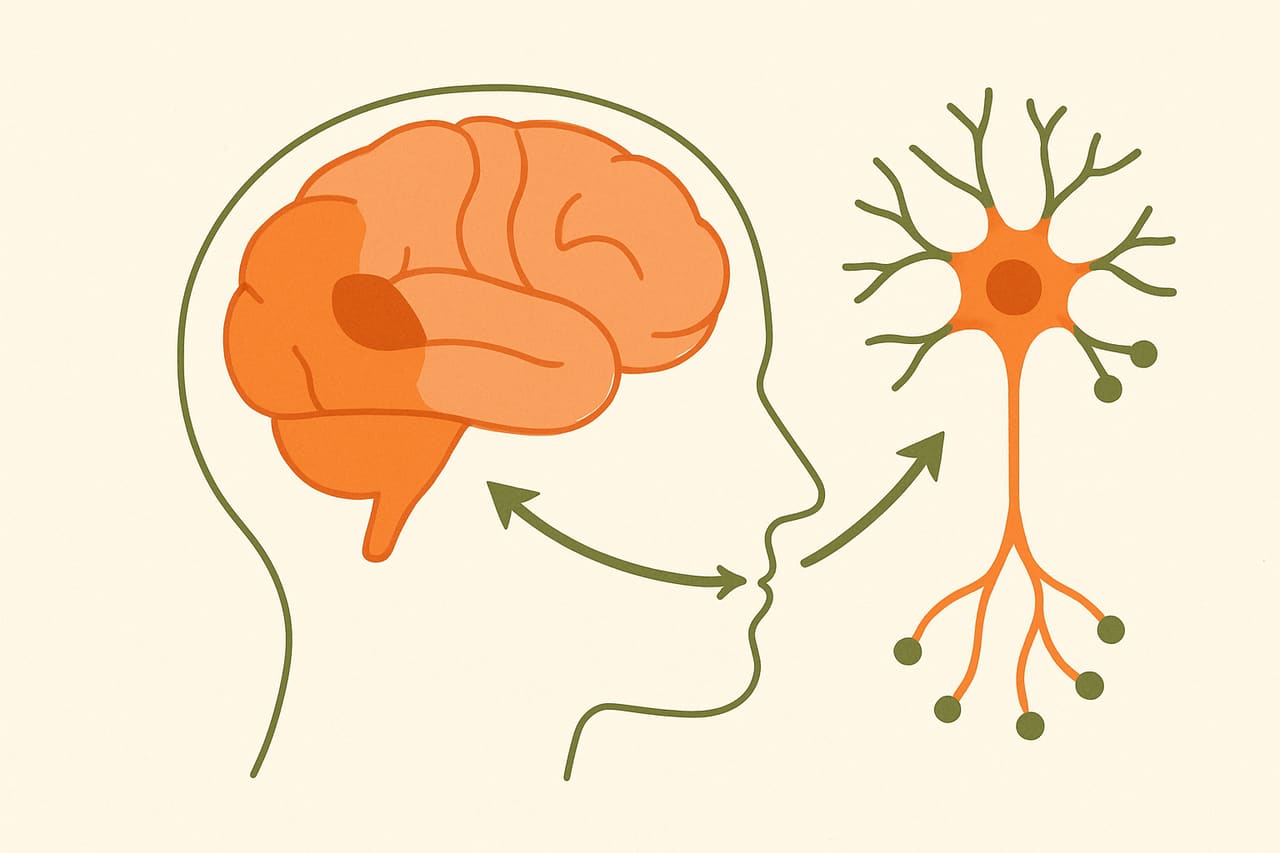
Seeking the new is how the adolescent brain learns to leave home.
The short version.
Adolescents are wired to seek novel experiences — new places, people, sensations, and ideas. Evolutionarily, this push is what gets a young person to explore beyond the family and build an independent life. Today it shows up as a hunger for new content, trends, and experiences. Channeled well, this same hunger is what drives teens to learn instruments, travel, master sports, and discover what they love.
What researchers actually find.
- Novelty triggers the same reward chemistry as other rewards, and teens are extra-sensitive to it.
- Sensation-seeking rises sharply in adolescence and peaks around 15–17.
- The drive is double-edged: it powers learning and creativity, and also risk-taking.
- The novelty drive is shared across many young mammals, which all explore more around the time they leave the nest.
The hunger for newness is closely tied to how the adolescent reward system treats novelty itself as a reward — an unfamiliar experience carries its own dopamine charge, almost a bonus for exploring. From an evolutionary view this is the engine that pushes a young animal away from the safety of the nest to find its own territory, mates, and skills; in humans it's the drive that builds an independent identity. That's why the same teen who finds chores unbearably dull will pour hours into a brand-new interest — the brain is genuinely rewarding the act of seeking, not just the payoff. The flip side is that familiar things lose their shine faster, so boredom registers as real discomfort rather than mild idleness. Understanding this reframes "I'm bored" not as ingratitude but as a system actively hunting for the next thing to learn from.
You might recognize this.
- Quick to pick up new slang, apps, hobbies — and quick to drop them.
- Restless with routine; 'I'm bored' as a near-constant refrain.
- Drawn to whatever is new, even when the old thing worked fine.
- Endless appetite for new music, shows, and trends — and a quick loss of interest once the novelty wears off.
How to help.
- Feed the hunger safely: new sports, travel, classes, and challenges scratch the itch.
- Reframe boredom as a starting point, not an emergency to be solved with a screen.
- Say yes to safe novelty often, so the risky kind has less appeal.
- Rotate in fresh, safe challenges regularly so the craving always has somewhere healthy to go.
How this changes by age
The craving shows up as picking up and dropping hobbies quickly and wanting whatever's new. Let them sample widely without pressure to commit, and treat the churn as normal exploration rather than flakiness.
Sensation-seeking climbs steeply and pulls toward intense, novel experiences — new trends, content, social scenes. Say yes to plenty of safe novelty (trips, classes, sports, challenges) so the riskier kind has less to offer.
The drive is near its peak but increasingly channeled into identity and ambition — travel, causes, deeper interests. Support bigger, real-world novelty with appropriate independence, which satisfies the craving while building genuine skills.
Next time you hear "I'm bored," resist solving it with a screen — instead say "That's your brain looking for something new; what's one thing you've never tried that we could line up this week?" Then actually put one fresh, doable experience on the calendar together.
Craving novelty doesn't mean a teen can never focus or stick with anything — many develop deep, lasting commitments, and the drive often matures into healthy ambition. Dropped hobbies are usually normal exploration, not a warning sign, and shouldn't be treated as a problem to fix.
This is a plain-words summary of well-established psychology — a map, not a diagnosis. If your teen is struggling in a way that worries you, a pediatrician or licensed mental-health professional is the right next step. In crisis: call or text 988 (Suicide & Crisis Lifeline, 24/7) · text HOME to 741741 · call 911 for immediate danger.