High plasticity cuts both ways: vulnerable and full of opportunity.
The short version.
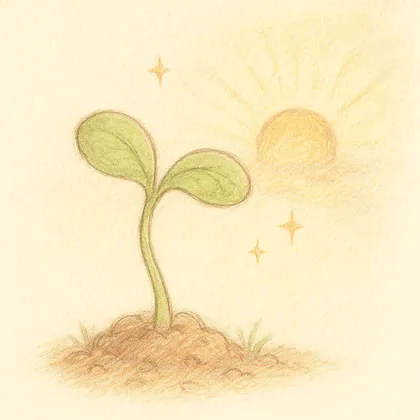
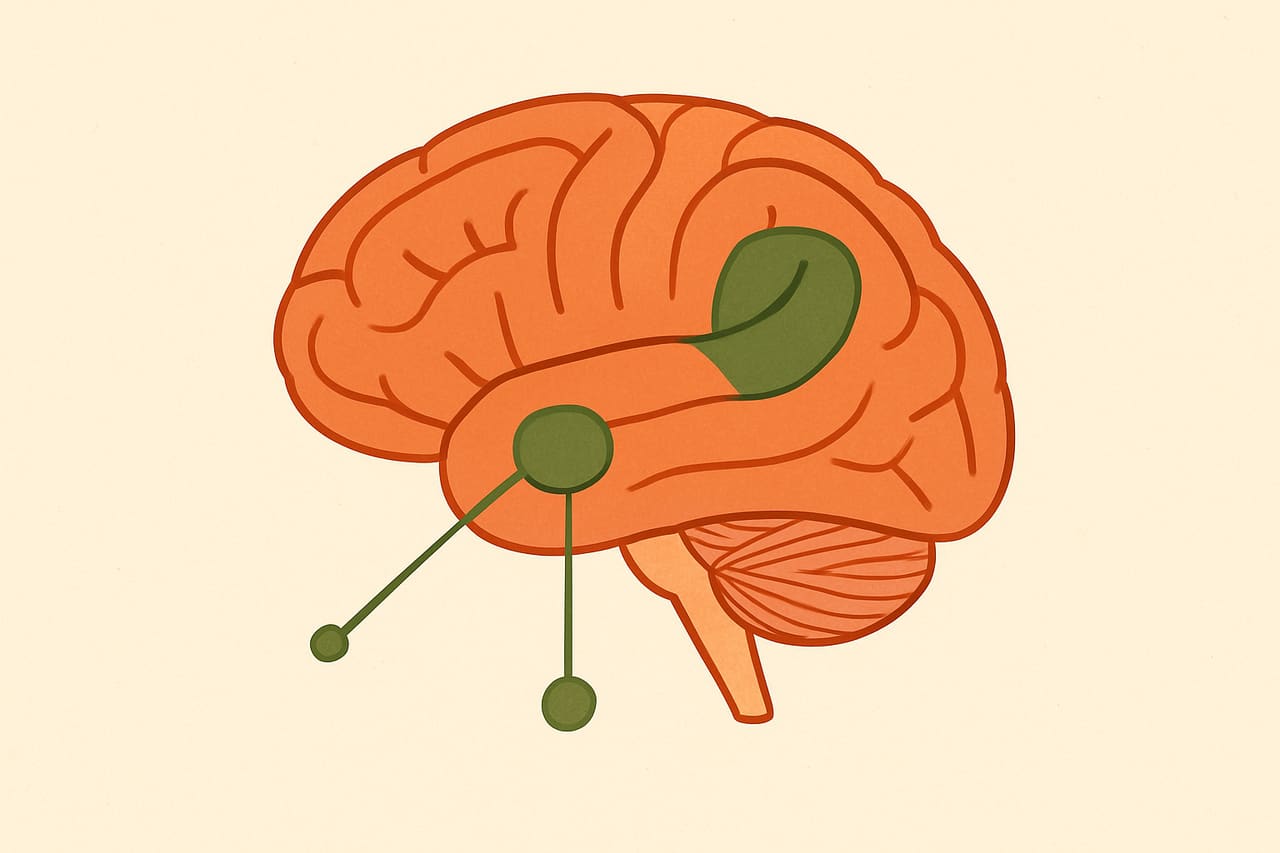
Plasticity is the brain's ability to change in response to experience. Adolescence is a second great window of plasticity after early childhood — which is why teens learn fast, recover from setbacks, and are also more sensitive to stress and substances. Practically, the teen years are high-leverage time: good habits, skills, and relationships built now tend to stick.
What researchers actually find.
- Heightened plasticity makes learning and adaptation faster than in adulthood.
- It also makes the brain more sensitive to harm — stress, substances, and trauma leave deeper marks.
- Positive experiences and skills learned now have outsized, lasting effects.
- The same heightened plasticity is why addictions formed in adolescence tend to be more stubborn than those formed later.
Plasticity is just the brain's capacity to physically change its wiring in response to experience, and adolescence reopens that capacity wider than at any time since early childhood. The same biological openness that makes teens learn languages, sports, and ideas with startling speed also makes their brains more impressionable to stress, substances, and hardship — the window doesn't discriminate between what helps and what harms. This is why experiences in these years, good and bad, tend to leave deeper and longer-lasting marks than the same experiences would in an adult. It's also why a struggling teen can turn a corner surprisingly fast when the right support, mentor, or environment shows up — the wiring is still genuinely movable. The practical upshot is leverage: effort and change invested now generally yield more, and stick longer, than they will later.
You might recognize this.
- They can turn around a struggling subject or relationship surprisingly quickly when supported.
- Setbacks feel huge but recovery can be fast.
- New environments (a move, a team, a mentor) can reshape them more than you'd expect.
- A new mentor, team, or environment shifting their trajectory faster than you'd expect.
How to help.
- Invest in growth experiences now — the return is unusually high.
- Take stressors and substances seriously; the same plasticity magnifies harm.
- Remember it's never 'too late' in adolescence — the window is wide open.
- If something needs to change, act now rather than waiting it out — the window for easy change is widest in these years.
How this changes by age
The window is reopening and foundations set easily — habits, interests, and how they see themselves. Invest early in confidence-building experiences and steady relationships, since these take root with less effort now.
Plasticity is high and so is sensitivity to stress and social pain, making this both a vulnerable and high-opportunity stretch. Take stressors and substances seriously while leaning into growth experiences, because both leave deeper marks now.
The window is still open but starting to narrow, so it's a good time to act on changes rather than wait them out. Major shifts — a new school, team, mentor, or fresh start — can still reshape their path more than you'd expect.
If there's one thing you've been hoping your teen would change or start, treat tonight as a reasonable time to take the first small step toward it together rather than waiting for a better moment — in these years the window for easy change is as wide as it's going to get, and starting beats planning.
High plasticity does not mean a single bad experience permanently damages a teen, nor that a missed chance is gone forever — the window stays open for years and the brain stays adaptable into the twenties. It's a reason for hope and timely action, not pressure to optimize every moment or panic over ordinary setbacks.
This is a plain-words summary of well-established psychology — a map, not a diagnosis. If your teen is struggling in a way that worries you, a pediatrician or licensed mental-health professional is the right next step. In crisis: call or text 988 (Suicide & Crisis Lifeline, 24/7) · text HOME to 741741 · call 911 for immediate danger.