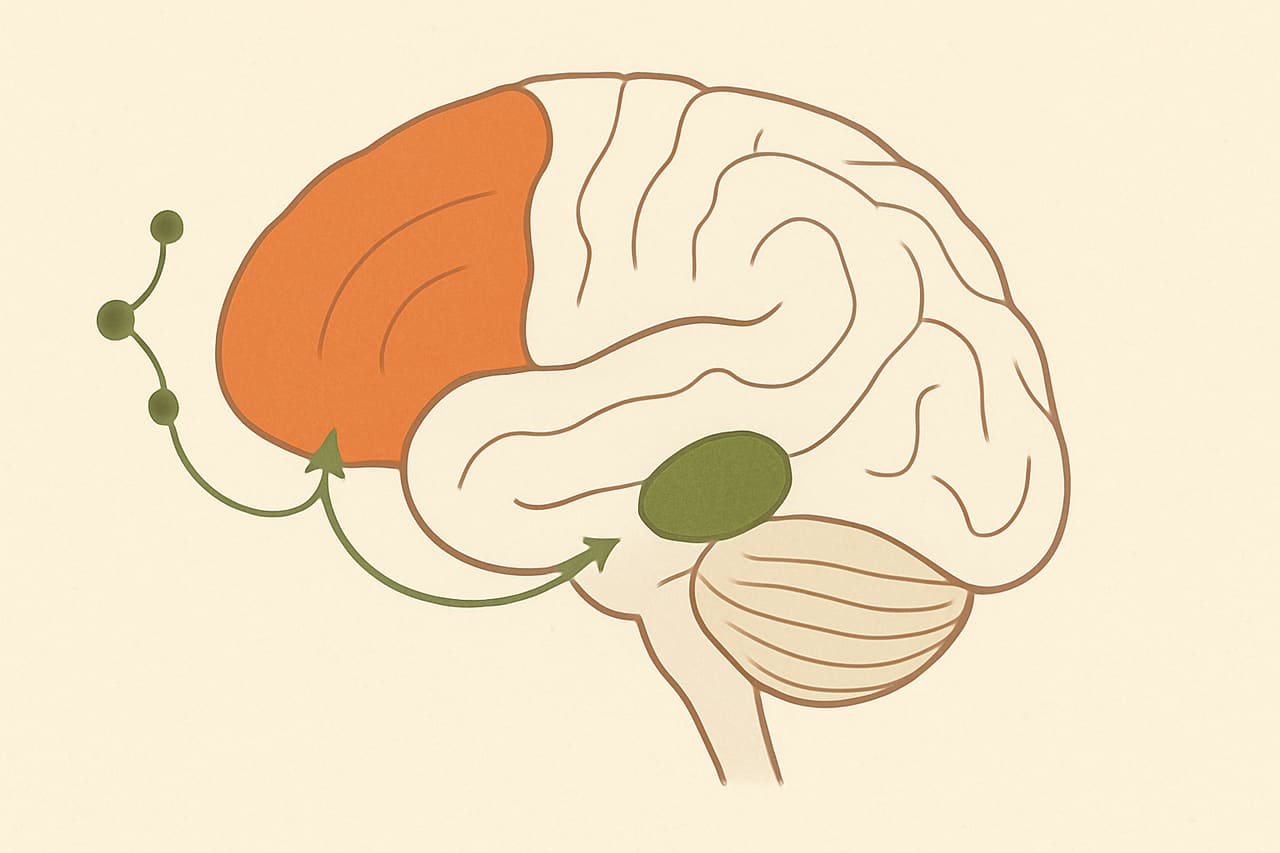
Adolescence is when the brain decides what to keep.
The short version.
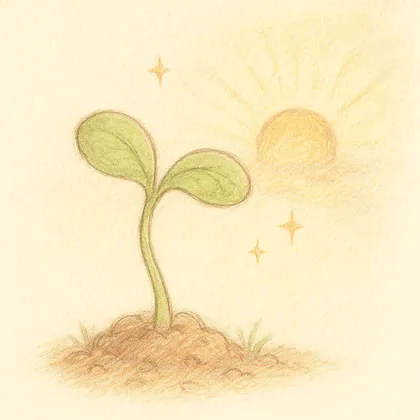
By early adolescence the brain has more connections than it will keep. Through the teen years it prunes the ones that go unused and strengthens the ones that get exercised — a 'use it or lose it' carving that makes the brain more efficient and more specialized. It's why a skill picked up in adolescence — a language, an instrument, a sport — often stays for life, while one started in adulthood takes far more effort.
What researchers actually find.
- Gray matter peaks around puberty, then declines as unused connections are pruned.
- What a teen repeatedly does — an instrument, a language, a sport, a worry habit — gets physically wired in.
- This makes adolescence a window of huge opportunity and real vulnerability.
- The pruning is shaped by experience: the connections a teen actively uses are the ones spared and strengthened.
Pruning works on a deceptively simple principle: connections that fire together repeatedly get reinforced, and ones that sit idle get trimmed away, letting the brain shed bulk for speed. Through childhood the brain over-produces connections, building far more than it will ultimately use, and adolescence is when it carves that excess down into a leaner, faster, more specialized network. Experience is the chisel — what a teen actually does, again and again, is what survives the cut, whether that's a language, a free-throw motion, or a habit of catastrophizing. This is why a skill drilled in the teen years can feel almost automatic for life, while the same skill begun in adulthood demands far more effort against an already-pruned brain. The flip side is sobering but fair: the brain doesn't judge whether a repeated pattern is good for you, only whether it's used.
You might recognize this.
- Skills practiced now (music, sport, a second language) stick unusually well.
- So do habits you'd rather they didn't keep — including anxious or avoidant patterns.
- Rapid improvement when they commit to something; fast fade when they stop.
- An intense few months of practice producing skills that then stick for years.
How to help.
- Protect time for the things you want wired in — depth beats novelty here.
- Treat healthy coping skills as practice, not lectures: they're being pruned in too.
- Don't panic over dropped hobbies; do protect a few anchors worth keeping.
- Help them pick a small number of things worth keeping and go deep, rather than spreading thin across many.
How this changes by age
Connections are near their peak and pruning is just beginning, so this is prime time to plant the things you want to last. Protect regular practice for a couple of real anchors — an instrument, a sport, reading — rather than scattering across many.
Pruning is in full swing; skills deepen fast and so do less welcome patterns like anxious or avoidant habits. Treat healthy coping as something to practice, not just preach, since those routines are getting wired in too.
The brain is increasingly specialized and committed practice pays off quickly, but spreading thin wastes the window. Help them choose a small number of things worth keeping and go deep, which suits both how the brain is sculpting and the demands ahead.
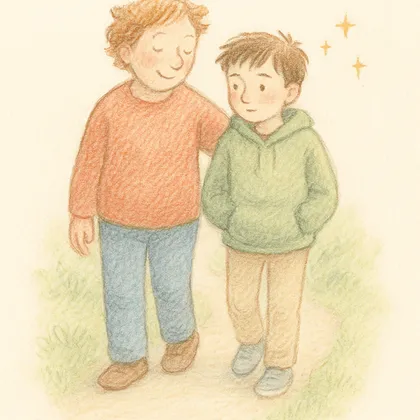
Ask your teen to name one skill or habit they'd want to still have at twenty-five, then block fifteen real minutes for it tonight — and frame it honestly: "The stuff you practice now literally wires in deeper than it ever will again." Repetition is the whole mechanism, so one protected slot beats a long talk.
Pruning isn't "losing brainpower" — trimming unused connections is how the brain gets faster and more efficient, so a smaller gray-matter measure here is healthy, not a decline. And dropping a hobby rarely erases everything; the point is to protect a few anchors, not to panic over every abandoned interest.
This is a plain-words summary of well-established psychology — a map, not a diagnosis. If your teen is struggling in a way that worries you, a pediatrician or licensed mental-health professional is the right next step. In crisis: call or text 988 (Suicide & Crisis Lifeline, 24/7) · text HOME to 741741 · call 911 for immediate danger.