The harm is mostly in what screens crowd out.
The short version.
Research on screens and teen brains is nuanced: passive, late-night, comparison-driven use tends to hurt, while active, creative, social use can help. The clearest harms come from displacement — screens eating the sleep, exercise, and in-person connection a developing brain needs. The most useful question isn't 'how many hours?' but 'what is this screen replacing, and how does it leave them feeling?'
What researchers actually find.
- Total screen time matters less than content, timing, and what it replaces.
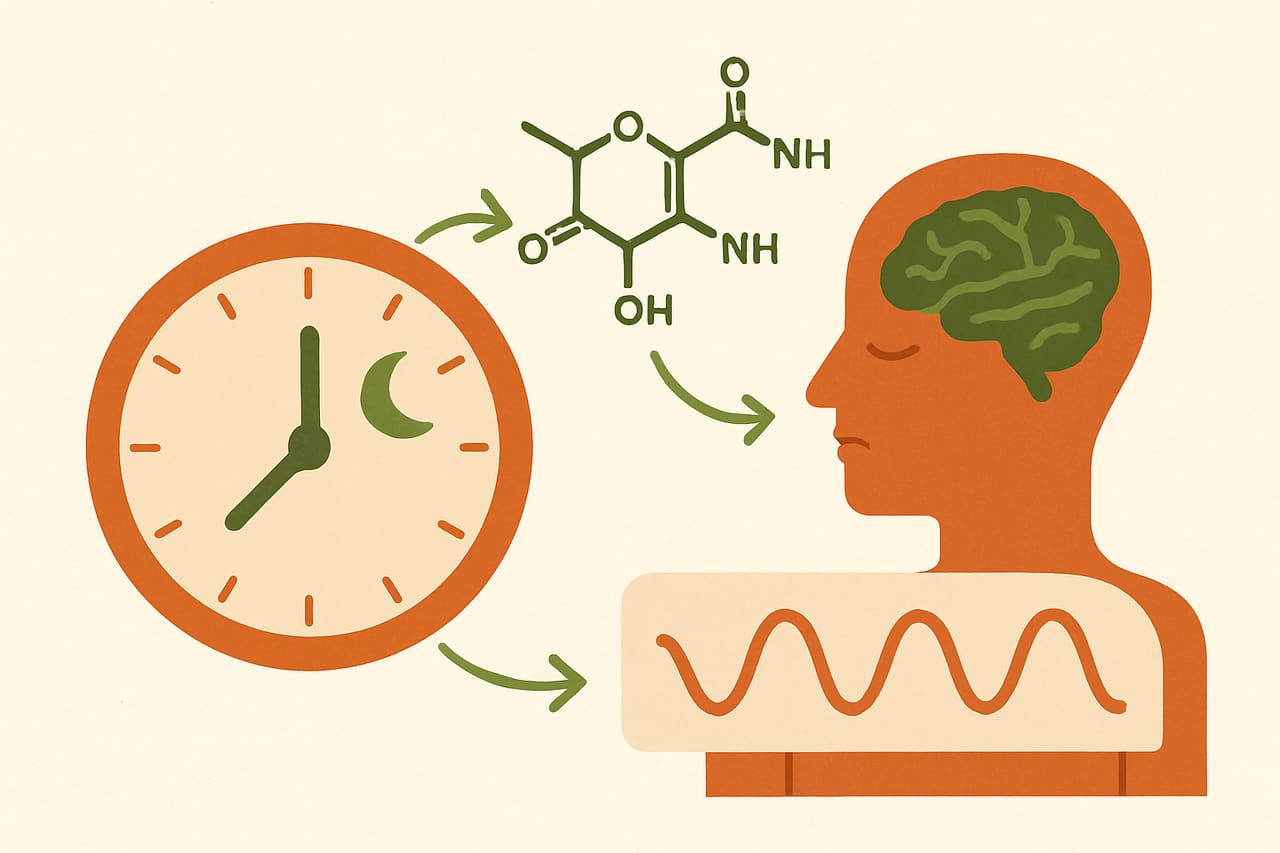
- Night-time use is doubly harmful — it displaces sleep and the light delays the body clock.
- Heavy passive social-media use shows stronger links to low mood than active, creative use.
- Reviews find the link between moderate screen use and harm is small; the larger risks cluster in heavy, late-night, comparison-driven use.
The reason content and timing matter more than raw hours is that different uses pull on different brain systems. Apps built to maximize attention use variable, unpredictable rewards — the same mechanism that makes slot machines compelling — so a passive scroll can hold a teen long past the point of enjoyment and leave them feeling emptier, not better. Comparison-driven feeds also feed the socially hypersensitive teen brain a constant stream of curated highlight reels, quietly setting an impossible bar for status and appearance. By contrast, creating, building, or connecting with real friends online engages active, goal-directed circuits and can genuinely add to a teen's life. The deepest harm, though, is often indirect: every hour of late-night passive use is an hour stolen from sleep, movement, and face-to-face time — the very inputs a developing brain depends on — so screens hurt less by what they do than by what they quietly crowd out.
You might recognize this.
- Screens creeping into mealtimes, bedrooms, and the moments that used to be conversation.
- Mood dips after long passive scrolling sessions.
- Better mood after creative or social screen use (making, building, real friends).
- Calmer and more connected after creative or social screen time; more irritable after long passive scrolling.
How to help.
- Protect the non-negotiables first — sleep, movement, meals, face time — and let screens fill what's left.
- Care about what they do online, not just how long.
- Keep bedrooms and meals screen-free; that single boundary fixes a lot.
- Audit content and timing together rather than fighting only over the total on the screen-time report.
How this changes by age
This is the on-ramp, when first phones and accounts arrive and habits set fast. Start with bedrooms and meals screen-free and co-view together, so norms are in place before the social pressure to be always-on hits.
Social media and group chats become central to belonging, so blunt bans can cut a teen off socially and breed secrecy. Shift toward coaching — talk about how specific apps leave them feeling — rather than policing the total on the screen-time report.
They're heading toward managing this entirely on their own, so the goal is self-awareness, not external control. Help them notice their own patterns ('what does an hour of this leave you feeling?') and build their own off-ramps before independence removes your guardrails.
Set up a single shared charging spot outside the bedrooms and have everyone — parents included — park phones there overnight starting tonight; modeling it yourself does more than any rule aimed only at them.
Screens are not poison, and the link between ordinary, moderate use and harm is genuinely small — framing every device as dangerous misreads the science and costs you credibility with your teen. The real risk clusters in heavy, late-night, comparison-driven use, so aim your concern there rather than at the total number of hours.
This is a plain-words summary of well-established psychology — a map, not a diagnosis. If your teen is struggling in a way that worries you, a pediatrician or licensed mental-health professional is the right next step. In crisis: call or text 988 (Suicide & Crisis Lifeline, 24/7) · text HOME to 741741 · call 911 for immediate danger.