Procrastination is mood repair, not character.
The short version.
Procrastination is mostly an emotion-regulation problem: a task stirs an unpleasant feeling, and avoiding it brings instant relief. The teen isn't dodging work so much as dodging the feeling the work provokes. Pressure and shame usually make it worse. That's why pressure and shame backfire — they add to the very feeling the teen is trying to escape.
What researchers actually find.
- Procrastination correlates with difficulty managing negative emotion, not with low ability.
- Avoidance delivers short-term relief that reinforces the pattern.
- Breaking tasks small and reducing the emotional charge helps more than nagging.
- Procrastination tracks with difficulty managing emotion, not with low ability or laziness.
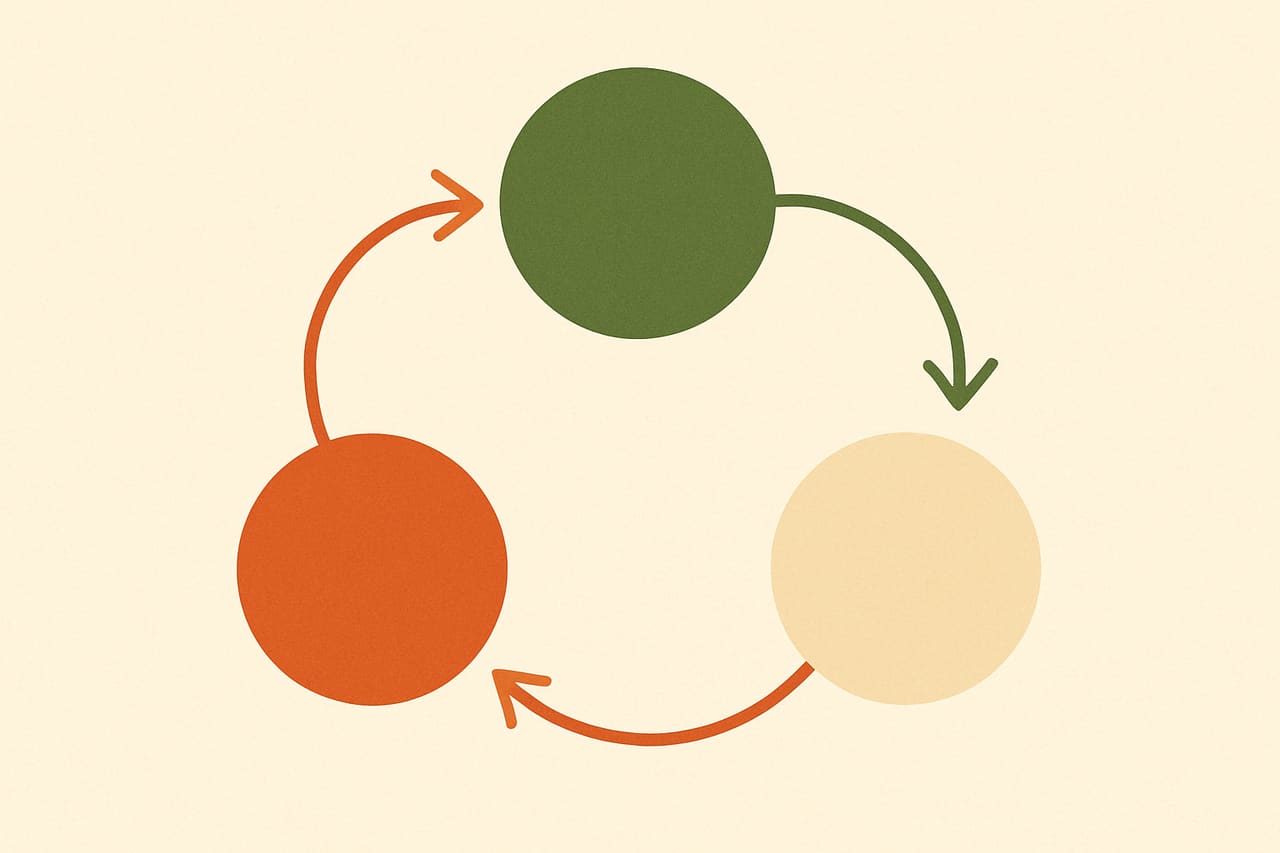
Procrastination is best understood as a short-term mood repair: a task stirs an uncomfortable feeling — anxiety, dread, self-doubt, boredom — and avoiding it delivers instant relief. That relief is the catch, because it rewards the avoidance and makes the same escape more likely next time, even as the task and the dread both grow. The teen brain feels the immediate relief vividly while the future cost stays abstract, which tilts the scale toward putting things off. Crucially, the delay tracks how aversive a task feels, not how hard it actually is or how capable the student is — which is why a bright teen will dodge the assignment that scares them and breeze through one that's objectively harder. Pressure and shame backfire precisely because they intensify the very feeling the teen is already trying to escape, giving them even more reason to avoid.
You might recognize this.
- Avoiding the assignments that feel hardest or scariest.
- Last-minute panic followed by relief.
- Shame that makes starting even harder.
- Avoiding the assignment that stirs the most anxiety, not the one that's objectively hardest.
How to help.
- Address the feeling ('this one feels overwhelming?') before the task.
- Shrink the first step until it's almost too easy to start.
- Drop the shame — it fuels the avoidance loop.
- Shrink the first step until it's almost too small to refuse, and ease the emotional charge before the task.
How this changes by age
Putting things off often shows as wandering off, fiddling, or 'I'll do it later' rather than open avoidance. Sit alongside them and shrink the first step to something tiny, so starting doesn't feel like facing the whole mountain.
Avoidance gets tangled with self-image and fear of doing badly, so the scariest assignment — not the hardest — is the one that slides. Name the feeling first ('does this one feel overwhelming?') before touching the task, and keep shame out of it.
Stakes feel higher with grades and deadlines, and avoidance can swell into all-nighters and real anxiety. Coach the skill they'll need on their own — break it down, start small, manage the feeling — rather than rescuing or nagging.
Tonight, before talking about what's due, ask about the feeling: 'Which assignment are you dreading most?' — then help them define a first step so small it's almost silly to refuse, like opening the doc and writing one sentence. You're easing the emotion and lowering the cost of starting, which is what actually breaks the loop.
Most procrastination is ordinary emotion management, but persistent, distressing avoidance can sometimes sit alongside anxiety or attention difficulties that benefit from real support. And reframing it as feelings rather than laziness isn't an excuse to skip work — it's a more accurate map of why the work isn't happening, so you can aim help at the right target.
This is a plain-words summary of well-established psychology — a map, not a diagnosis. If your teen is struggling in a way that worries you, a pediatrician or licensed mental-health professional is the right next step. In crisis: call or text 988 (Suicide & Crisis Lifeline, 24/7) · text HOME to 741741 · call 911 for immediate danger.