Bullying registers in the brain like injury — that's why teens can't just shake it off.
The short version.
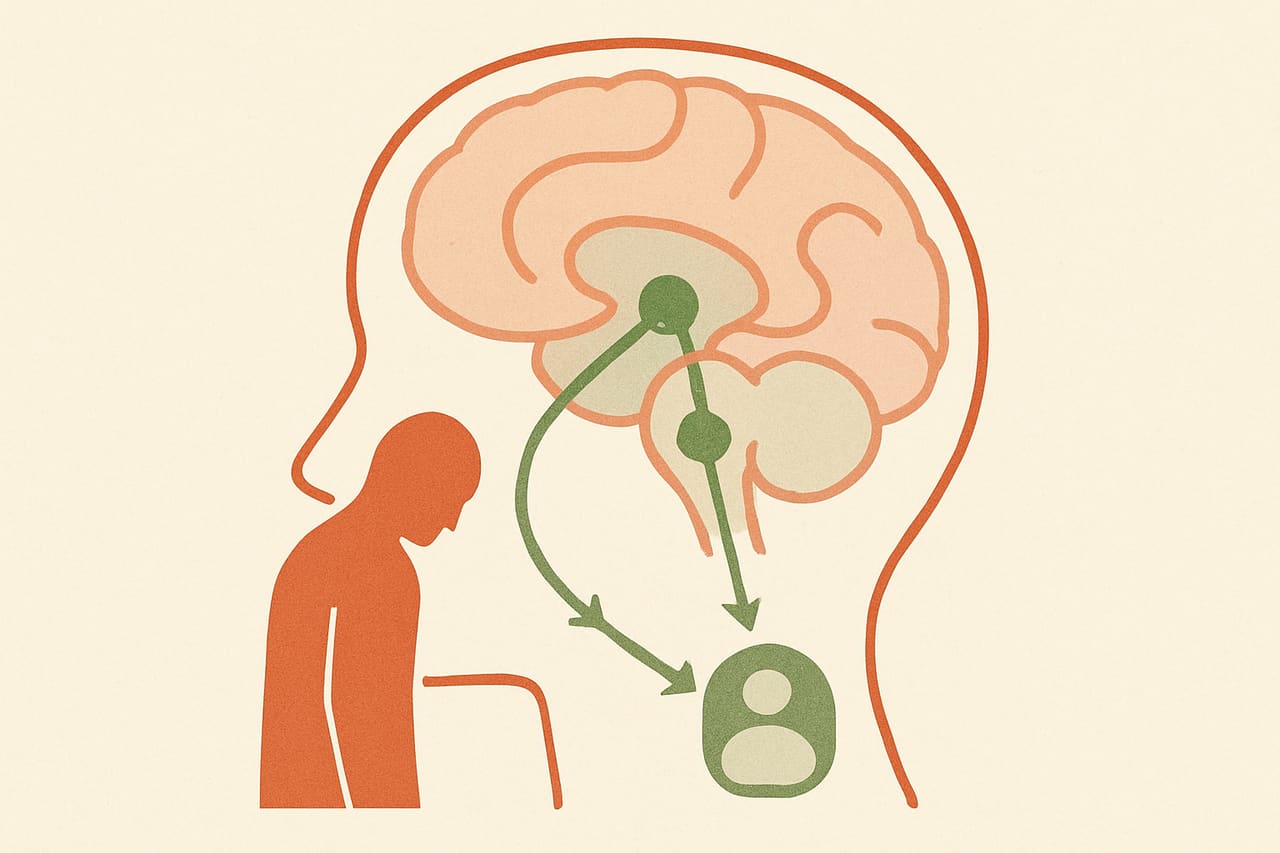
Decades of research now show that being bullied isn't just a 'social' problem with emotional consequences. fMRI studies of teens who are socially rejected light up the anterior cingulate cortex and insula — the same regions that activate during physical pain. Chronically bullied teens show elevated cortisol, disrupted sleep, immune system changes, and shrinkage in stress-regulation brain regions. When your teen says 'it really hurts,' they are reporting on a body state, not a metaphor.
What researchers actually find.
- Naomi Eisenberger's fMRI work (UCLA, 2003) first showed that social rejection activates the same brain regions as physical pain — a finding replicated many times since.
- Chronic bullying is associated with elevated baseline cortisol, sleep disruption, and changes in hippocampus and amygdala volume similar to those seen in other chronic-stress exposures.
- Effects on depression, anxiety, and suicidal ideation persist into adulthood; longitudinal studies (Copeland, Wolke) find bullying victims at elevated risk of mental-health diagnosis years later.
- The bullied teen's frequent reaction — to withdraw, to hide it, to blame themselves — is itself a stress response, not a personality flaw.
You might recognize this.
- Somatic complaints: stomachaches, headaches, fatigue, especially before school or social events.
- Sleep problems — falling asleep late, waking at 4am, sleeping through alarms — when bullying is active.
- Withdrawal from things they used to love, including online spaces if the bullying happens there.
- A self-narrative that the bullying is their fault, or that telling you about it would make it worse.
How to help.
- Believe the body. Repeated stomachaches on Sunday night are the data; the words your teen does or doesn't use are secondary.
- Validate the pain as real before you problem-solve. 'That sounds awful' lands harder and works better than 'here's what to do.'
- If bullying is chronic, intervene at the environment level — school, team, friend group — not by asking your teen to 'develop thicker skin.' The skin is fine; the dose is too high.
- Therapy with a clinician who understands bullying-related trauma (not just generic teen counseling) helps in stubborn cases.
Kids who get bullied just need to learn to stand up for themselves.
The bullied teen's brain is in a chronic threat response; building 'resilience' on top of that is like asking someone with a broken leg to run it off. The first job is to remove or reduce the bullying; the second is to repair.
This is a plain-words summary of well-established psychology — a map, not a diagnosis. If your teen is struggling in a way that worries you, a pediatrician or licensed mental-health professional is the right next step. In crisis: call or text 988 (Suicide & Crisis Lifeline, 24/7) · text HOME to 741741 · call 911 for immediate danger.