Peer focus is a feature of growing up, not a betrayal.
The short version.
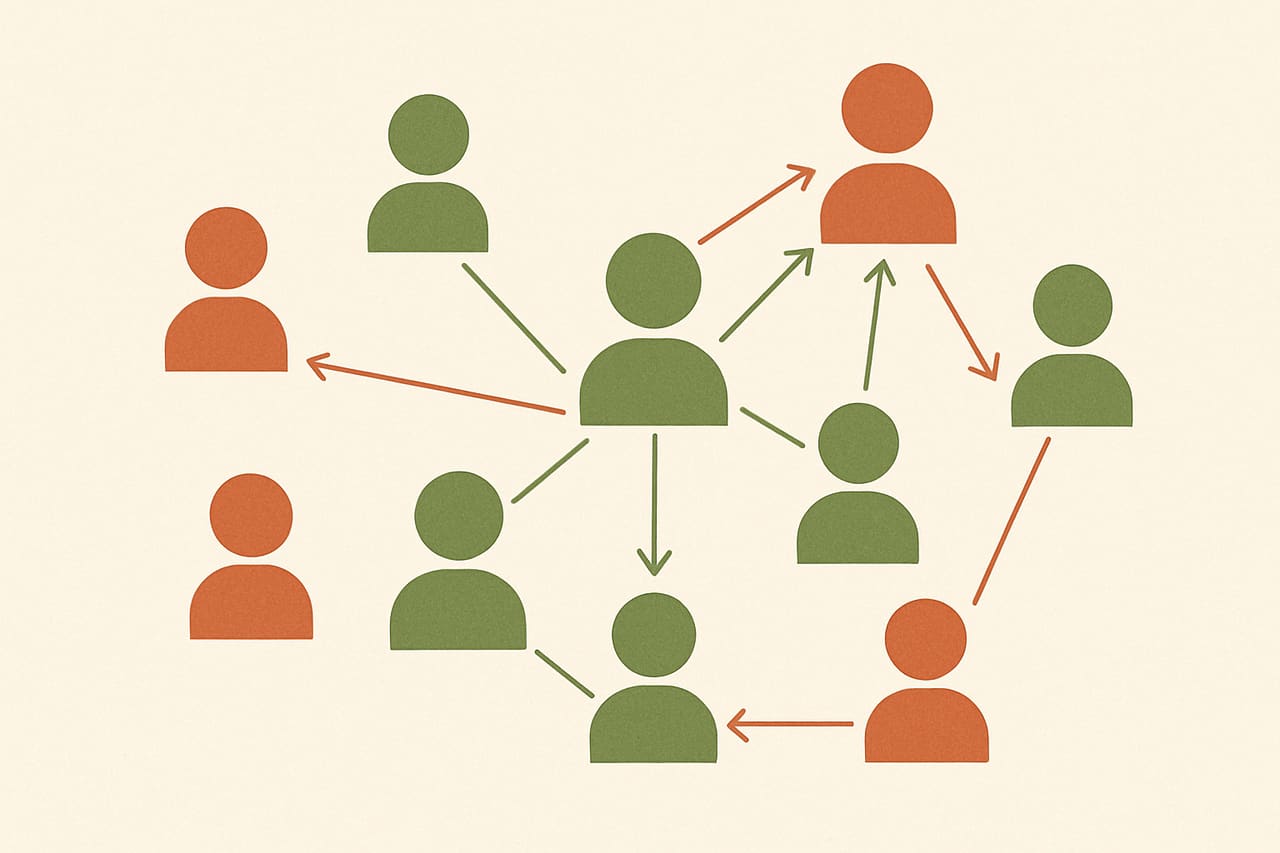
As teens prepare to leave the nest, the brain re-weights priorities toward peers. Friends' opinions start to outweigh parents' on many day-to-day matters. This stings, but it's a normal developmental task — building the relationships they'll rely on as adults. The shift is about day-to-day life — clothes, music, plans — far more than about the deep values you've spent years building.
What researchers actually find.
- The social brain becomes hyper-attuned to peers in adolescence.
- Peer influence on everyday choices peaks in early-to-mid adolescence.
- On big values and long-term decisions, parents still matter most.
- Even as peers gain influence over style and social choices, parents stay the bigger voice on big, long-term decisions.
The pull toward peers isn't a glitch or a sign you're losing them — it's the brain doing exactly what adolescence is for, which is preparing a young person to function in a world of peers rather than under a parent's roof. Around puberty the social brain becomes intensely tuned to friends: their approval feels more rewarding and their disapproval more painful than it ever did before, which is why a friend's offhand comment can outweigh an hour of your careful advice. This re-weighting is selective, not total — it concentrates on the day-to-day texture of life (clothes, music, plans, who's in and who's out) far more than on the deep values and sense of safety you've built over years. So while it can feel like a wholesale replacement, what's actually happening is a division of labor: peers take over the rehearsal of social life while you remain the quieter anchor underneath. The teens who launch most confidently are usually the ones who had a secure home to push off from, which is why staying steady and un-wounded through the pivot matters more than winning back the spotlight.
You might recognize this.
- Friends' approval suddenly trumping yours.
- Mortified to be seen with you in public — affectionate in private.
- Endless texting and social monitoring.
- A friend's offhand opinion outweighing an hour of your careful advice.
How to help.
- Don't take the pivot personally; it's developmental, not rejection.
- Stay the secure base they launch from and return to.
- Keep influencing the big stuff (values, safety); loosen grip on the small stuff (clothes, music).
- Invest in knowing their friends; the peer group is now part of your parenting environment.
How this changes by age
The shift is just beginning — they still want you close but start guarding a private social world and caring intensely about fitting in. Get to know their friends now, while they're still happy to bring them around, because that access narrows later.
Peer gravity is near its peak; being seen with you can feel mortifying and friends' opinions seem to trump yours on everything. Don't take the eye-rolls personally — stay warm and available, because the teen who pushes hardest still needs the secure base most.
Friendships deepen into something more chosen and lasting, and they start integrating peer input with their own judgment rather than just following the crowd. Shift toward treating them as a near-adult — fewer rules, more conversation — so the relationship matures alongside their independence.
Resist the urge to win back center stage and instead invest in their world — ask one genuine, non-interrogating question about a friend ('what's Maya into these days?'). You stay connected by being interested in their orbit, not by competing with it.
This doesn't mean your influence is gone or that peers now matter more than you on the things that count — on values, safety, and big life decisions, research consistently finds parents remain the stronger voice. The pivot is real but narrower than it feels; it's a normal developmental task, not rejection or evidence that you've been replaced.
This is a plain-words summary of well-established psychology — a map, not a diagnosis. If your teen is struggling in a way that worries you, a pediatrician or licensed mental-health professional is the right next step. In crisis: call or text 988 (Suicide & Crisis Lifeline, 24/7) · text HOME to 741741 · call 911 for immediate danger.