Feeling unique and invincible is a normal teen distortion.
The short version.
The 'personal fable' is the flip side of the imaginary audience: a belief that one's own experience is unique and that ordinary risks don't apply. It's why warnings bounce off ('that won't happen to me') and why teens feel no one could possibly understand them. The same belief that fuels reckless risk can also fuel courage — the conviction that they, specifically, can do something big.
What researchers actually find.
- It arises from the same developing self-focus as the imaginary audience.
- It contributes to risk-taking by muting personal vulnerability.
- It also drives the 'you don't understand me' isolation of adolescence.
- The sense of being uniquely understood-by-no-one peaks alongside the spotlight feeling, then fades with it.
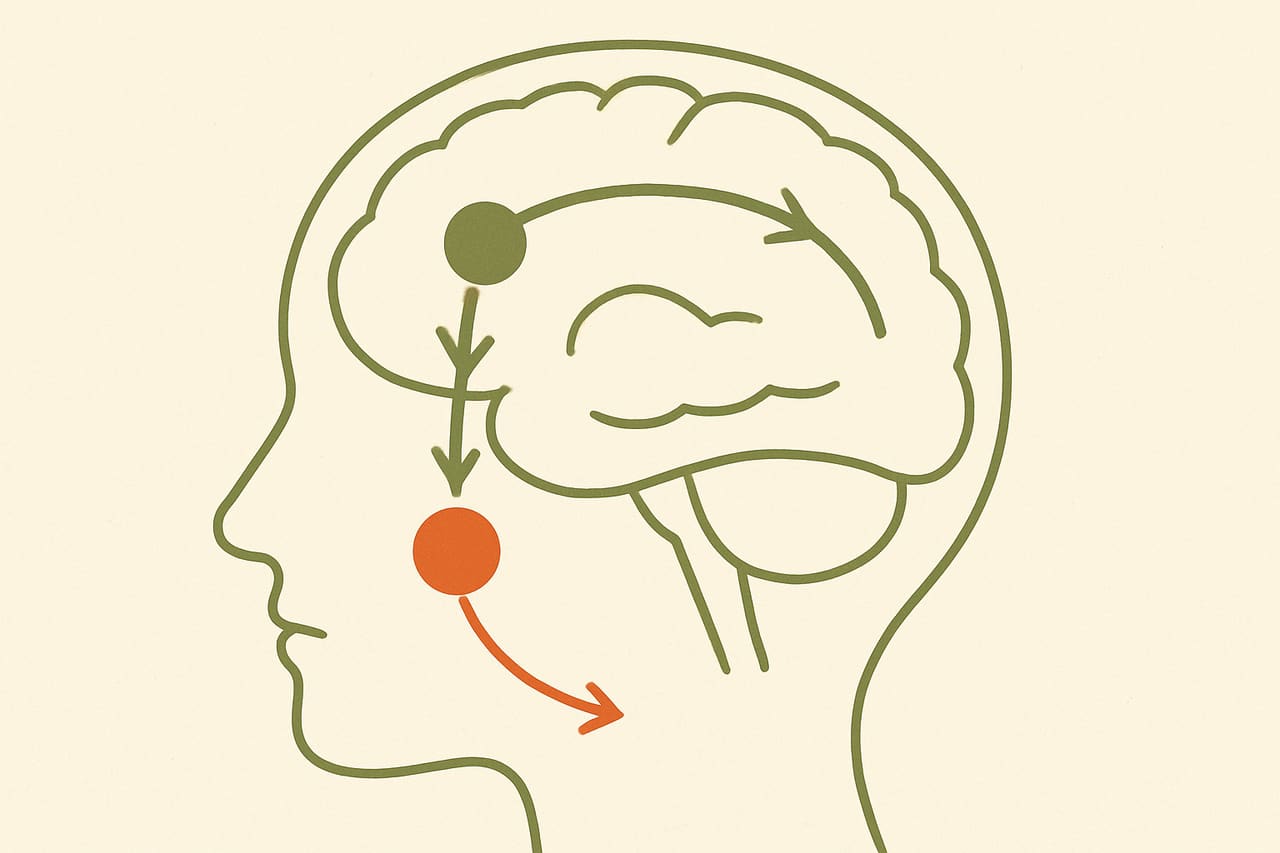
The personal fable grows from the same root as the imaginary audience: a new but uncalibrated ability to think about one's own thinking. When teens turn that fresh self-focus inward, the sheer vividness of their inner life convinces them their experience must be unprecedented — no one has ever loved this hard, hurt this much, or understood the world quite this way. That same intensity quietly edits risk out of the picture, because if your experience is uniquely yours, the ordinary odds that apply to everyone else feel like they don't apply to you. This isn't stupidity or a failure to hear warnings; the warning genuinely doesn't feel personally relevant, which is why repeating statistics rarely moves them. The fable softens as teens accumulate evidence that they are, in fact, subject to the same consequences and comforts as everyone else, and as their reasoning brain matures enough to weigh probability against feeling. Understanding this lets you keep guardrails firm without taking the 'you don't understand me' as a personal rejection.
You might recognize this.
- Dismissing safety warnings as things that happen to other people.
- 'No one gets what I'm going through.'
- Surprise and genuine shock when consequences do land on them.
- Brushing off warnings with 'that's different, that won't be me.'
How to help.
- Use stories of relatable peers rather than abstract statistics.
- Validate the feeling of being misunderstood instead of arguing it.
- Keep guardrails up; reasoning alone won't pierce the fable.
- Channel the 'I'm special' belief toward bold positive goals, while keeping the safety guardrails firmly in place.
How this changes by age
Early signs look like brushing off small dangers ('I won't fall') and big, dramatic feelings of being misunderstood by parents. Keep rules concrete and consistent here, since reasoning about abstract risk hasn't matured yet.
The 'no one gets me' loneliness usually peaks now, and invulnerability starts steering real choices about peers and limits. Validate the feeling of being uniquely misunderstood before you problem-solve, and lean on relatable peer stories rather than abstract odds.
Invulnerability can carry the highest real stakes — driving, substances, relationships — even as the fable slowly fades. Channel the 'I'm capable of something big' belief toward ambitious goals while keeping non-negotiable safety guardrails firmly in place.
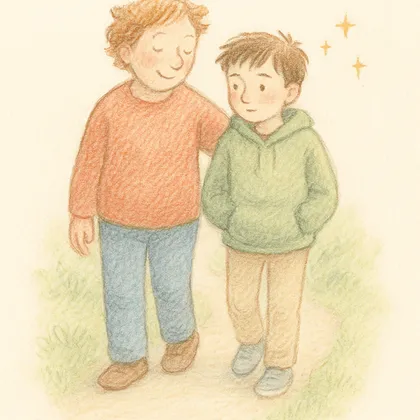
Instead of citing statistics about a risk you're worried about, share a short, concrete story of someone close to their age and world who thought 'that won't be me' and learned otherwise — then stop and ask what they think. A relatable face pierces the fable in a way numbers can't.
The personal fable explains a normal tilt in teen thinking, not a license to assume teens can't reason or that every risk is inevitable — most teens never act on the riskier feelings at all. And persistent, painful conviction that no one could ever understand them, especially alongside withdrawal or hopelessness, is different from ordinary teen drama and deserves a closer look.
This is a plain-words summary of well-established psychology — a map, not a diagnosis. If your teen is struggling in a way that worries you, a pediatrician or licensed mental-health professional is the right next step. In crisis: call or text 988 (Suicide & Crisis Lifeline, 24/7) · text HOME to 741741 · call 911 for immediate danger.