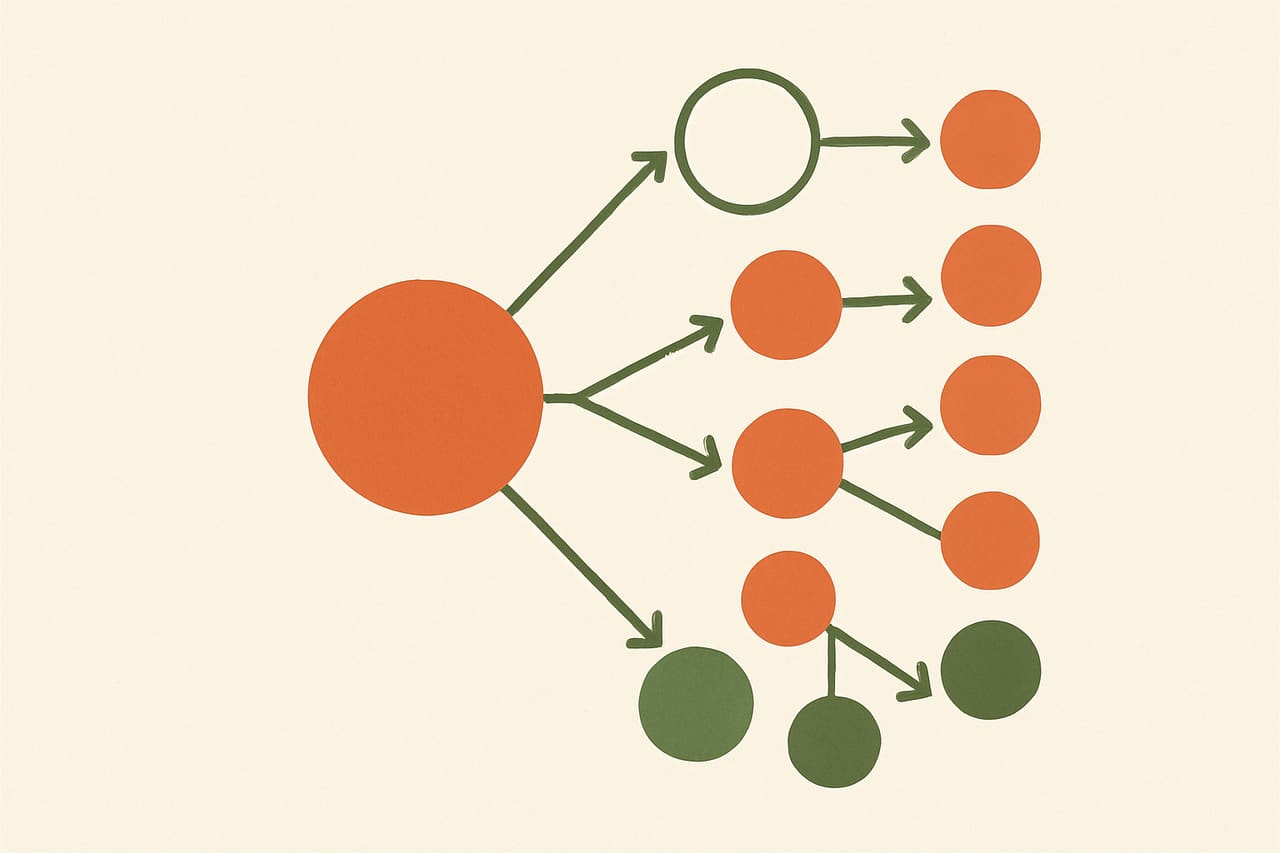
Feeling they matter protects teens from a lot.
The short version.
'Mattering' is the sense of being significant to others — noticed, valued, and able to make a difference. Teens who feel they matter are more resilient and less prone to risky or self-destructive behavior. Feeling invisible or burdensome is a serious risk signal. Feeling like a burden, by contrast, is a serious risk signal worth taking literally.
What researchers actually find.
- A sense of mattering is linked to better mental health and lower risk behavior.
- Feeling like a burden is associated with serious distress.
- Contribution — being useful to others — builds mattering powerfully.
- A sense of mattering predicts better mental health and lower risk-taking across studies.
Mattering sits beneath belonging: a teen can be included in a group and still feel that nothing they do registers, and that gap is what drives the quiet ache of feeling invisible. Adolescence intensifies this because the developing brain is unusually attuned to social standing and to signals about whether one is valued, so being needed lands with real emotional weight. There are two halves to it — feeling noticed (others are aware of me) and feeling depended on (others would be worse off without me) — and the second is the more protective. When teens contribute something genuinely useful, they get direct, hard-to-fake evidence that they matter, which is far more convincing than praise alone. That is why real responsibility, not reassurance, tends to be the stronger medicine.
You might recognize this.
- Lighting up when genuinely needed or trusted with something real.
- Withdrawal when they feel invisible or in the way.
- Pride in contributing to family, team, or community.
- Visibly lifting when trusted with something that genuinely counts.
How to help.
- Give them real responsibilities that visibly matter.
- Notice and name their impact on others.
- Take any 'everyone would be better off without me' talk seriously and seek help.
- Give them real, needed jobs — not busywork — so their contribution is unmistakable.
How this changes by age
At this age mattering is mostly concrete and immediate — being the one who feeds the dog, helps a younger sibling, or is trusted with a small real job. Hand them tasks that visibly help the household and name the difference it made out loud.
Peer standing now competes hard with family for where they look to feel significant, and feeling overlooked at school can sting more than anything at home. Keep offering roles where they're genuinely depended on, and notice their impact without making it a performance.
Mattering increasingly extends outward — to a job, a team, a cause, or a friend who relies on them — and they want it to feel earned, not handed over. Support contributions that reach beyond the family, and treat their growing usefulness in the wider world as the real thing it is.
Ask your teen for genuine help with something only they can do well — fixing your phone settings, weighing in on a real decision, teaching you something — and then tell them specifically how it helped. The point is that the need is real, not invented to make them feel good.
Mattering is protective, but it isn't a substitute for professional help — if a teen ever talks as though others would be better off without them, take it literally and seek support rather than assuming more chores will fix it. And being needed shouldn't tip into being relied on for adult-sized burdens; the goal is feeling significant, not feeling responsible for holding the family together.
This is a plain-words summary of well-established psychology — a map, not a diagnosis. If your teen is struggling in a way that worries you, a pediatrician or licensed mental-health professional is the right next step. In crisis: call or text 988 (Suicide & Crisis Lifeline, 24/7) · text HOME to 741741 · call 911 for immediate danger.