Resilience is built through supported struggle, not protection from it.
The short version.
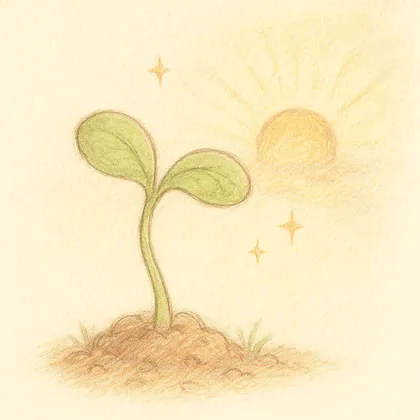
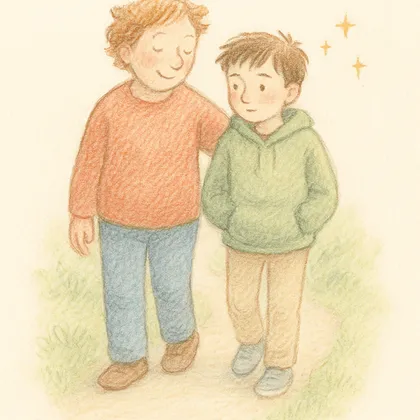
Resilience grows from facing and getting through difficulty, not from avoiding it. Teens who are over-protected miss the reps that build coping. The aim is 'supported struggle' — letting them face challenges they can handle, with you as a backstop, not a shield. The goal is to be the backstop, not the bubble wrap — present for the fall, but not preventing every one.
What researchers actually find.
- Manageable stress with support builds coping capacity ('stress inoculation').
- Over-protection is linked to higher anxiety and lower resilience.
- Recovering from setbacks builds confidence that transfers to new challenges.
- Over-protection is linked to higher anxiety and lower resilience, not less of it.
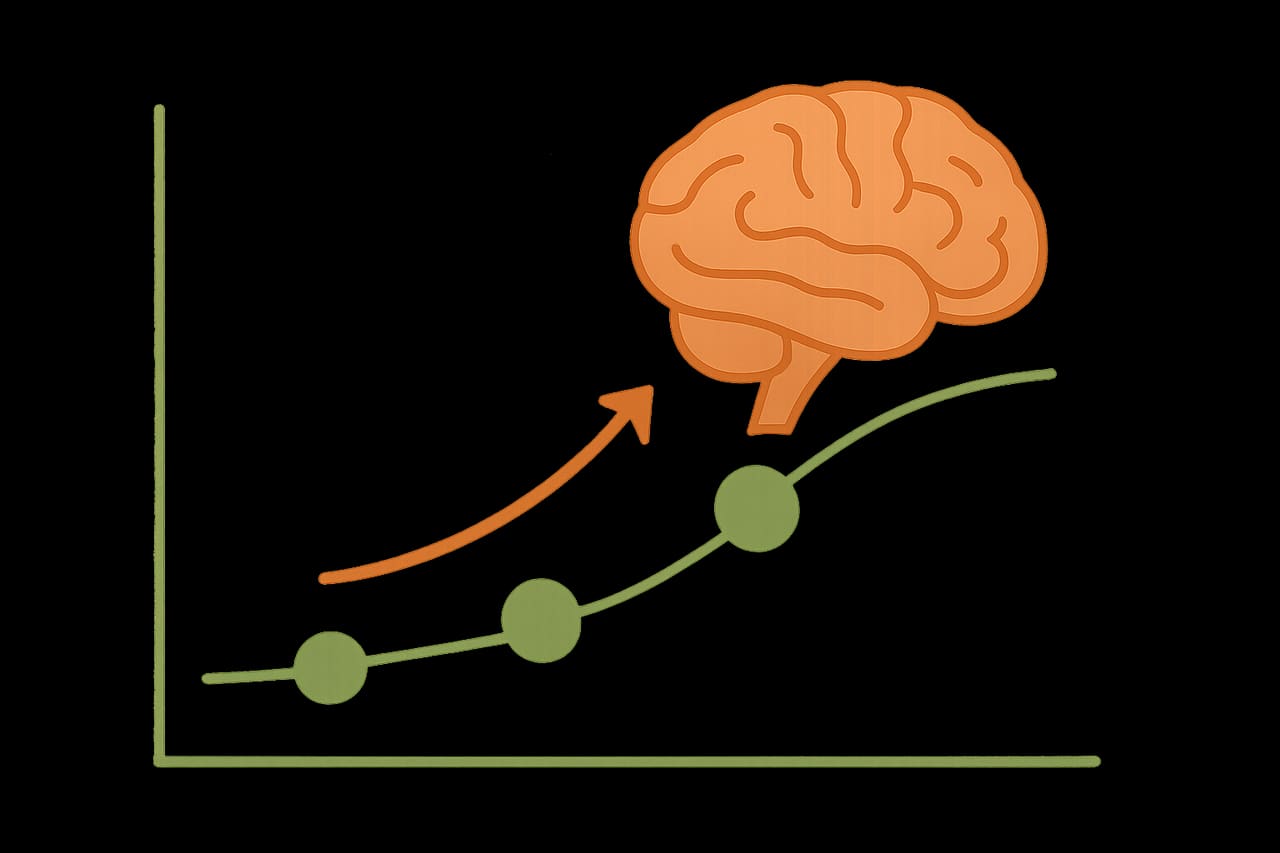
Coping is a skill, and like any skill it's built through reps, not lectures — a teen who never struggles never gets to practice recovering. There's a dose effect that researchers liken to inoculation: a manageable challenge the teen can get through, with you in the background, stretches their capacity, while either extreme backfires. Constant rescue removes the reps, so ordinary problems start to feel overwhelming and anxiety climbs; being flooded with stress that's too big or unsupported just teaches helplessness. The sweet spot is supported struggle — hard enough to require effort, safe enough to survive, with a warm adult as the backstop. Crucially, confidence from getting through one hard thing tends to transfer, because the teen updates their story to 'I can handle difficult things.'
You might recognize this.
- Wanting you to fix every problem for them.
- Distress at small setbacks they could handle.
- Visible growth in confidence after getting through something hard themselves.
- A visible jump in confidence after getting through something hard on their own.
How to help.
- Resist solving everything; coach instead of rescuing.
- Let natural consequences teach when it's safe.
- Be the backstop — present and supportive — not the shield.
- Let safe, natural consequences do some of the teaching instead of stepping in every time.
How this changes by age
Setbacks are small but feel huge — a lost game, a forgotten assignment, a friendship spat. Resist swooping in to fix it; let them sit with the discomfort briefly and coach them to one next step they take themselves.
Social failures and academic slumps land hard, and the urge to rescue (or to email the teacher) is strong. Let safe, natural consequences play out, and debrief afterward — 'that was rough; what got you through it?' — so the recovery, not just the fall, gets noticed.
The stakes are nearly adult — jobs, deadlines, money, relationships — and over-protection now leaves them unprepared for independence. Hand over real responsibility with a clear safety net, and let them own both the planning and the cleanup of low-stakes mistakes.
Next time your teen brings you a problem they could handle, try, 'That's a tough one — what are you thinking of trying first?' before offering any fix. You're being the backstop, not the bubble wrap.
This is about manageable struggle, not hardship for its own sake — trauma, bullying, abuse, untreated mental-health issues, and overwhelming stress don't build resilience, they erode it, and need adult intervention. The protective ingredient is support during the struggle; remove the support and you're left with damage, not growth.
This is a plain-words summary of well-established psychology — a map, not a diagnosis. If your teen is struggling in a way that worries you, a pediatrician or licensed mental-health professional is the right next step. In crisis: call or text 988 (Suicide & Crisis Lifeline, 24/7) · text HOME to 741741 · call 911 for immediate danger.