The same reward lands harder in a teen brain.
The short version.
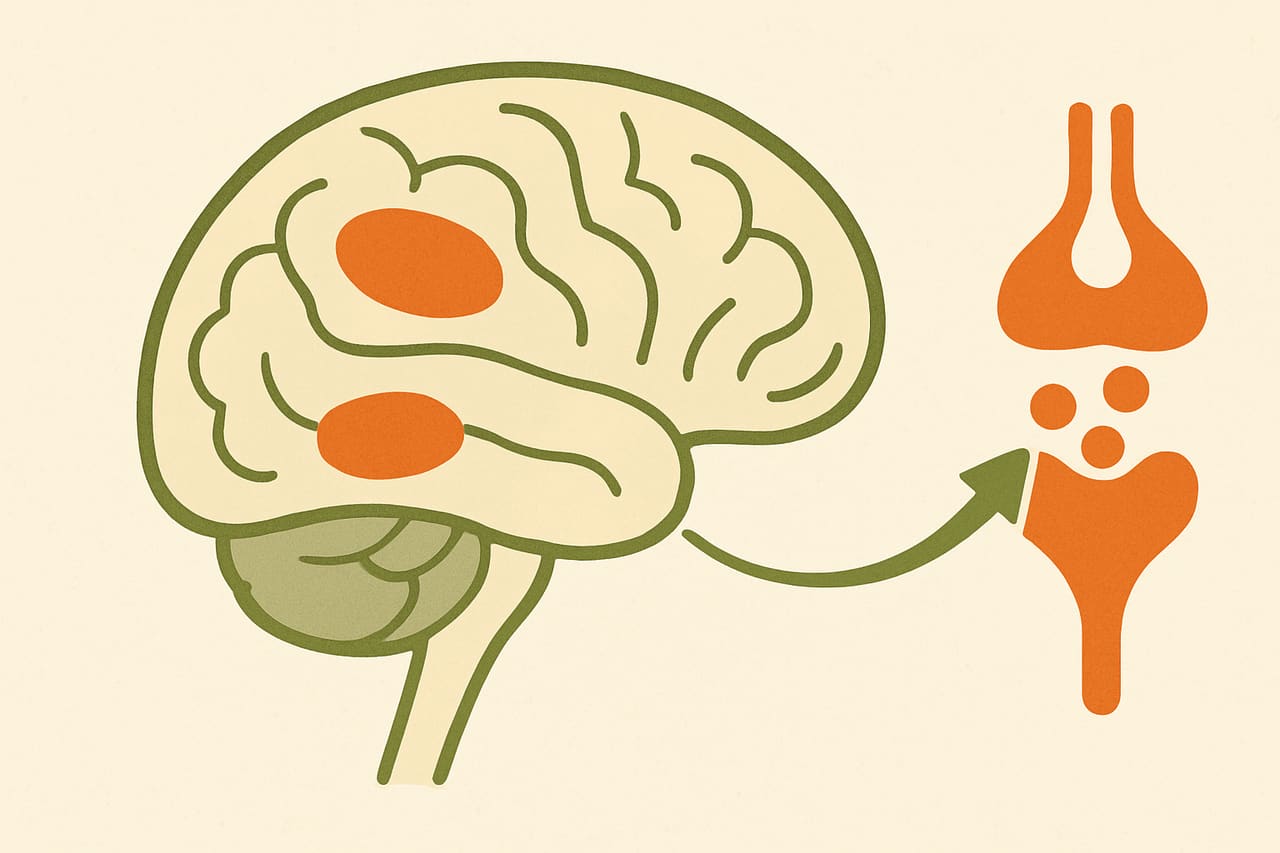
Dopamine is the brain's 'this matters, do it again' signal. In adolescence the reward system is unusually responsive — baseline dopamine is lower but the spikes from exciting experiences are higher. The result: ordinary rewards feel intense, and dull moments feel duller. It's also why teens swing from elation to flatness so fast: the system that amplifies highs makes ordinary moments feel dull by comparison.
What researchers actually find.
- Teens show stronger brain responses to rewards than children or adults.
- Social rewards — approval, attention, status — light up the same reward circuitry as money or food.
- Apps and games are engineered around this: variable rewards keep the dopamine system guessing and engaged.
- Brain scans show the teen striatum — a hub of the reward system — responding more strongly to wins than an adult's.
Dopamine isn't really the "pleasure chemical" so much as the brain's prediction-and-motivation signal: it spikes most when a reward is better than expected, nudging the brain to do that thing again. In adolescence this system runs at a distinctive setting — a lower steady baseline with sharper peaks — so an exciting hit feels especially vivid against a flatter everyday backdrop. That contrast is why a win or a notification can feel electric while ordinary downtime feels unusually dull. Apps and games exploit exactly this by making rewards unpredictable, since uncertain payoffs drive dopamine harder than reliable ones — the brain keeps checking because it can't predict when the next spike is coming. None of this means a teen is addicted or weak-willed; it means the very signal that's supposed to guide learning is temporarily set to a more intense gain.
You might recognize this.
- A notification can pull focus mid-sentence.
- 'Just one more round / video' stretches into an hour.
- Boredom hits hard between high-stimulation activities.
- Chasing the next hit of excitement — a new game, a new show, a new crush — soon after the last one fades.
How to help.
- Don't moralize the pull — name it. 'These apps are built to be hard to put down' lands better than 'you have no willpower.'
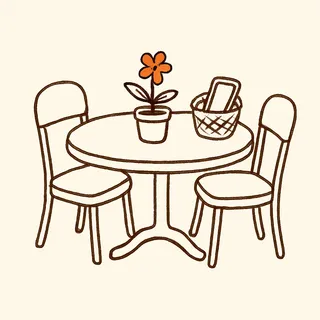
- Build in dopamine 'off-ramps': screen-free meals, charging phones outside the bedroom.
- Help them find slow rewards — music, making things, sport — so the fast ones aren't the only ones.
- Protect a few reliable slow rewards (a sport, an instrument, a craft) so fast digital ones aren't the only source of pleasure.
How this changes by age
Reward sensitivity is climbing and first phones or games often arrive right now, so habits set fast. Establish device-free zones and times early, while routines are easier to set than to claw back later.
Social rewards — likes, replies, group-chat status — hit the reward system as hard as any game, making the pull feel constant. Name the design honestly ("these apps are built to be hard to put down") rather than framing it as a character flaw.
They can grasp the mechanism and start managing it themselves, but stress and boredom still drive them toward the fastest reward. Coach self-regulation — phone parked while studying, slow rewards protected — instead of imposing rules they'll soon be living without.
Pick one slow reward your teen already half-likes — shooting hoops, cooking, an instrument, drawing — and do it alongside them for fifteen minutes tonight, no screens. You're not lecturing about dopamine; you're quietly keeping a slower source of reward alive so the fast ones aren't the only game in town.
Heightened reward sensitivity is normal development, not a diagnosis — most teens are not "addicted," and the word does more harm than good in everyday use. Dopamine also drives healthy motivation and learning, so the goal is balance, not treating every reward or every screen as a threat.
This is a plain-words summary of well-established psychology — a map, not a diagnosis. If your teen is struggling in a way that worries you, a pediatrician or licensed mental-health professional is the right next step. In crisis: call or text 988 (Suicide & Crisis Lifeline, 24/7) · text HOME to 741741 · call 911 for immediate danger.