What's happening.
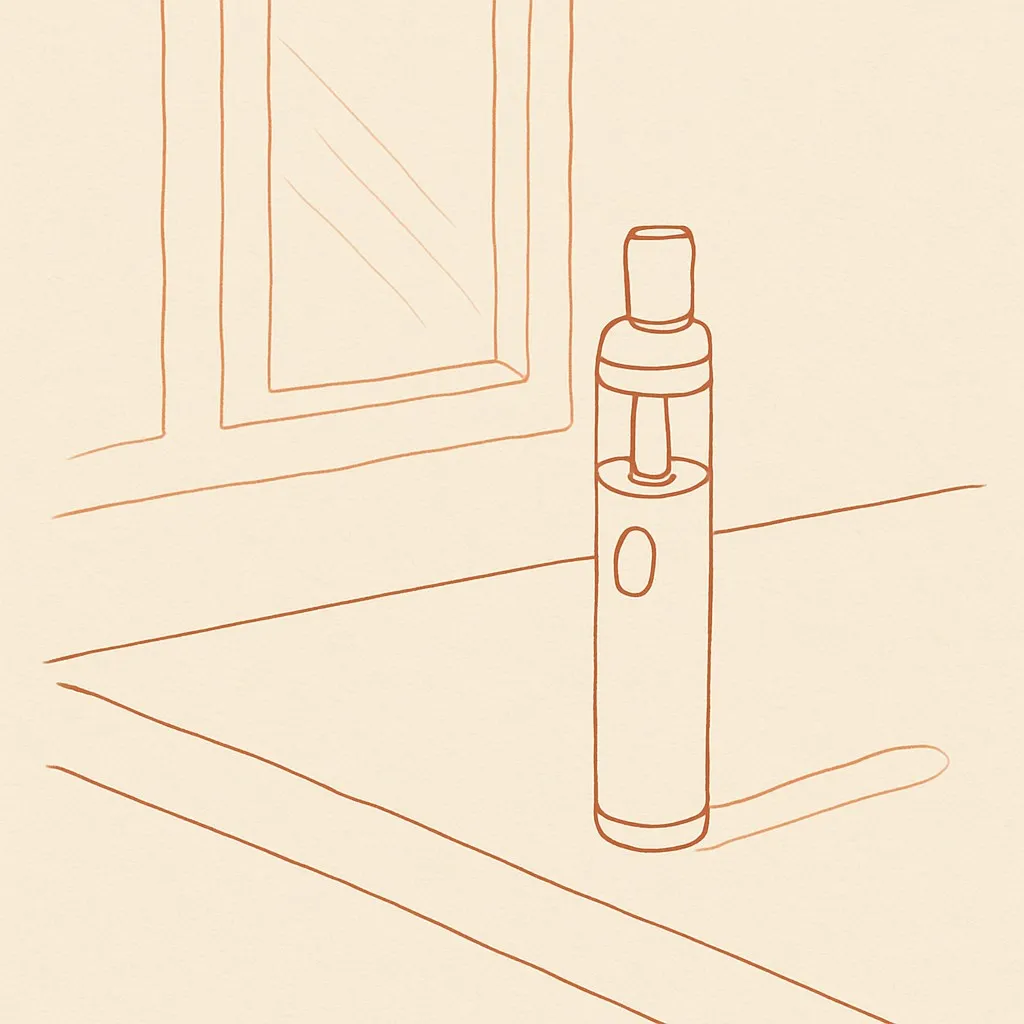
You find a disposable vape in your 14-year-old's backpack. They shrug: “Everyone vapes. It's nothing.”
What we usually say — and why it backfires.
Nothing?! You're addicted to nicotine and you don't even know it!
I'm not addicted. I do it like once a day.
That IS addicted! Give it to me. Now.
(hands it over, buys another at school the next day)
- Volume in the first ten seconds turns a chance to inform into a chance to defend. The teen now has to defend themselves instead of think.
- Confiscating a $15 disposable is theater. They'll have a new one tomorrow and learn to hide it better.
- You haven't gotten ANY information — frequency, brand, where they buy, friend involvement — all of which would actually help you.
What works — and why.
Okay. Let's actually talk about this. Once a day, you said — where do you get them, and how long has this been going on?
From school. Kids sell them. Maybe three months.
Got it. Here's what I want you to know — these things are engineered for addiction. The amount of nicotine in one disposable is more than a pack of cigarettes used to be. Your developing brain wires AROUND the nicotine, which is why kids who start at 14 have a much harder time quitting at 22 than smokers did in the 70s. It's not a moral issue. It's a brain-chemistry one.
...I didn't realize it was that much.
Want to try to quit, with help? I'll back you fully and we won't even talk about it as punishment. Patches, nicotine gum, your pediatrician — there's actual real support for this. Not “try harder.” Real support.
- Asking about source / frequency calmly gets you the picture you can actually work with. Most parents discover something more like “almost daily for 6 months” than the “once” the teen volunteered.
- The brain-chemistry framing (“wires AROUND the nicotine”) lands as information, not lecture. Teens process that.
- Offering real cessation support (patches, NRT, pediatrician) treats nicotine addiction as the real medical issue it is and signals you're an ally, not a warden.
Key phrases to reach for in the moment.
- Let's actually talk about this. Where do you get them, how long has this been going on?
- These are engineered for addiction. The nicotine load is more than a pack of cigarettes used to be.
- Your brain wires AROUND the nicotine. It's not a moral issue, it's a brain-chemistry one.
- Want to try to quit, with help? Real support, not 'try harder.'