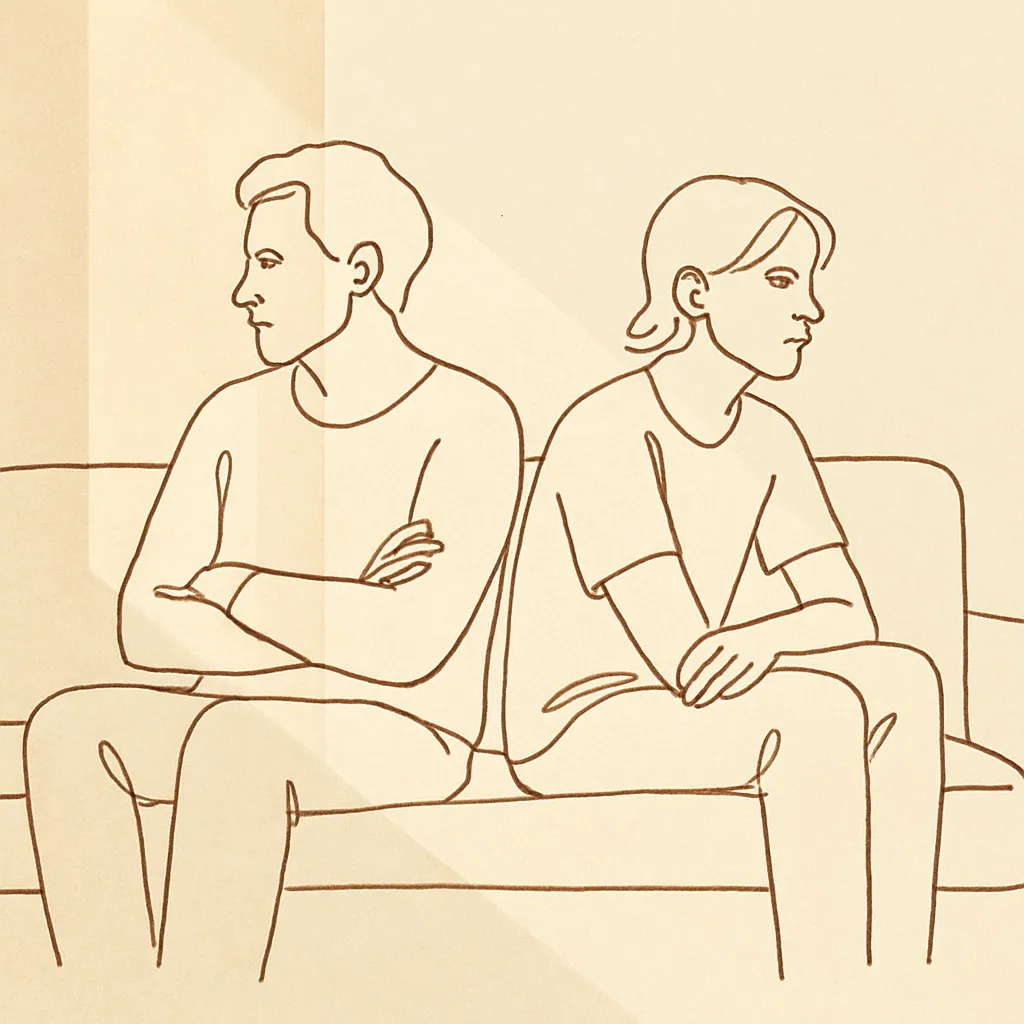
What's happening.
Your teen has been quiet all evening. You ask what's wrong. They start to tell you, then stop mid-sentence: "Forget it. You don't understand." You feel the door swinging shut.
What we usually say — and why it backfires.
What do you mean I don't understand? I was a teenager once too.
It's different now. You don't get it.
Try me. I've been through worse than whatever this is.
Forget it.
- “I was a teenager too” reads as a competition. The teen hears: my pain doesn't count.
- “Try me” puts the burden on them to prove their experience is worth your attention.
- “Worse than whatever this is” minimizes before you even know what it is — and trains them not to bring the next thing to you.
What works — and why.
You might be right that I don't fully understand. I'd like to. Can you help me see it the way you do?
It's just… stuff at school.
Okay. I'm here. No fixing, no advice — just listening, if you want to tell me.
Maybe later.
Okay. The door's open whenever.
- Conceding the point (“you might be right”) disarms the conflict before it starts. You're not the adversary anymore.
- “No fixing, no advice” explicitly removes the thing teens fear most about telling parents.
- “The door's open whenever” lets them retreat without losing face. Most teens come back within 48 hours when this is the exit line.
Why this script works on a teen brain.
Adolescent brain development tilts the prefrontal cortex offline under stress and lights up the amygdala — the part that scans for threat and rejection. When a teen says "you don't understand," they're not making an argument; they're flagging that they don't feel safe enough to keep going. Any response that reads as competing with their experience ("I was a teenager too") is processed as threat, which closes the conversation faster than silence would.
The better script works because it does the opposite. Conceding ("you might be right") drops your status in the moment, which lets the teen's nervous system come back online. Removing the threat of advice ("no fixing, no advice") removes the main thing teens have learned to brace for when they open up to a parent. And leaving an open door without forcing a return is the single most reliable way to be the person they come back to within 48 hours — which, developmentally, is the goal of every hard conversation.
This is the foundational script. Most other dialogues in this library are variations of these same three moves: lower your status, remove the threat, leave the door open.
Same dynamic, different surface.
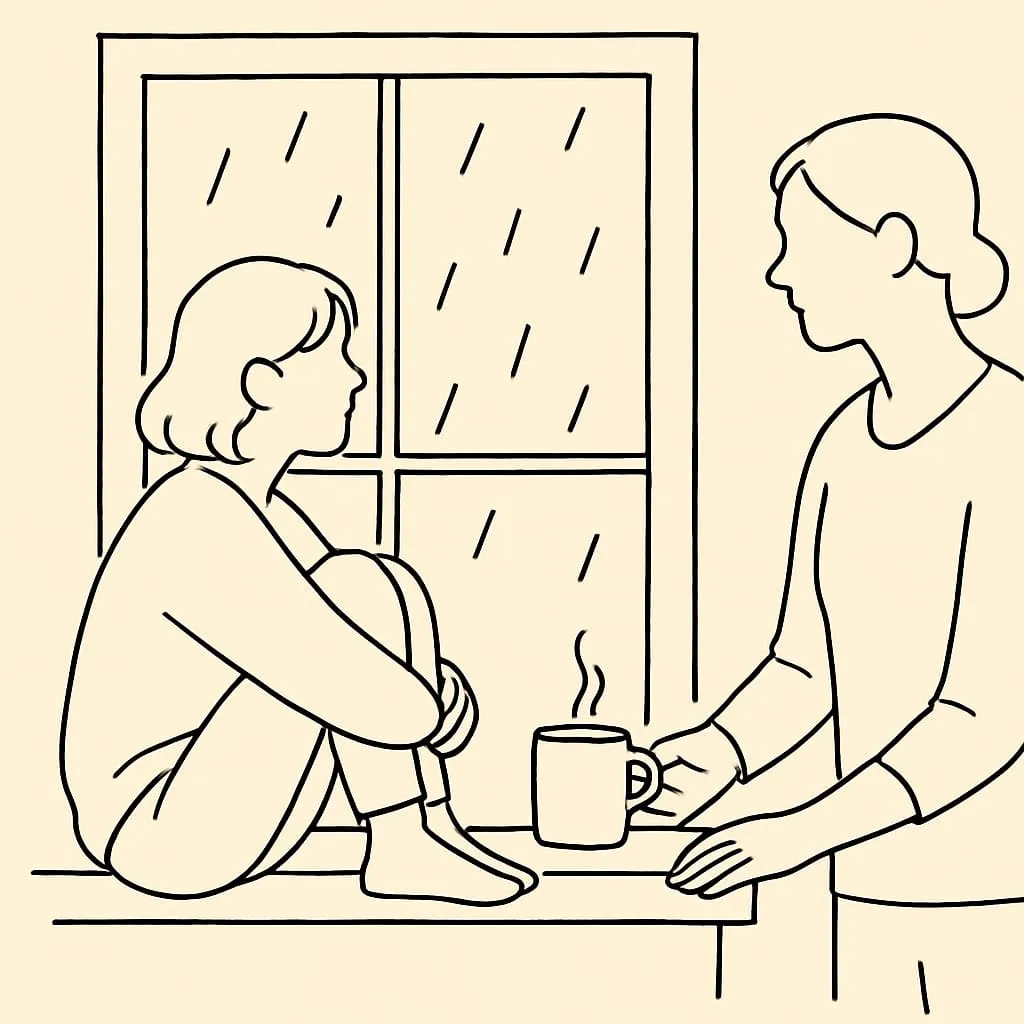
Your teen got in the car after school silent. Three blocks from home, you ask what's wrong. They mumble, "You wouldn't get it." You're driving, so eye contact isn't on the table — which is actually an advantage.
What usually happens.
Try me. I bet I'd surprise you.
Forget it.
You always do this. You shut me out then complain I don't know what's going on.
...
- "I bet I'd surprise you" turns the moment into a performance test you've asked them to score.
- "You always do this" is character-attack disguised as observation. The teen now has to defend themselves instead of opening up.
- Silence-as-punishment in a car is unrecoverable — they can't leave the conversation, so they just go further inside.
What works better.
You might be right. Want to ride quiet for a while? I can put music on or off, your call.
Off is fine.
(Three quiet minutes pass. The parent doesn't fill the silence.)
Mia said something about me at lunch.
Tell me.
- Offering quiet as a choice — not a punishment — uses the car's natural acoustic privacy. Cars are one of the best places to talk to teens, partly because no one is looking at anyone.
- Not filling silence is a learned skill. The first 60 seconds feel uncomfortable; the next 60 are when they start talking.
- "Tell me" — two words, no follow-up question. Less is more once they've started.
Key phrases to reach for in the moment.
- You might be right that I don't fully understand.
- Can you help me see it the way you do?
- No fixing, no advice — just listening if you want.
- The door's open whenever.
When to use each one.
-
You might be right that I don't fully understand.
Use as the first response, before you've earned the right to know more. Drops the temperature instantly.
-
Can you help me see it the way you do?
Use when they've conceded a sliver and you want to gently widen it. Avoid the word 'explain' — too school-like.
-
No fixing, no advice — just listening, if you want.
Use the moment a teen looks like they're about to clam up. Names the thing they're afraid of so they can stop bracing for it.
-
The door's open whenever.
Use to end the conversation without abandoning it. Pairs well with leaving the room — don't say it and then stay.