What's happening.
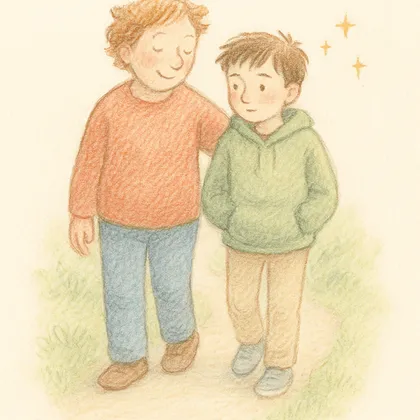
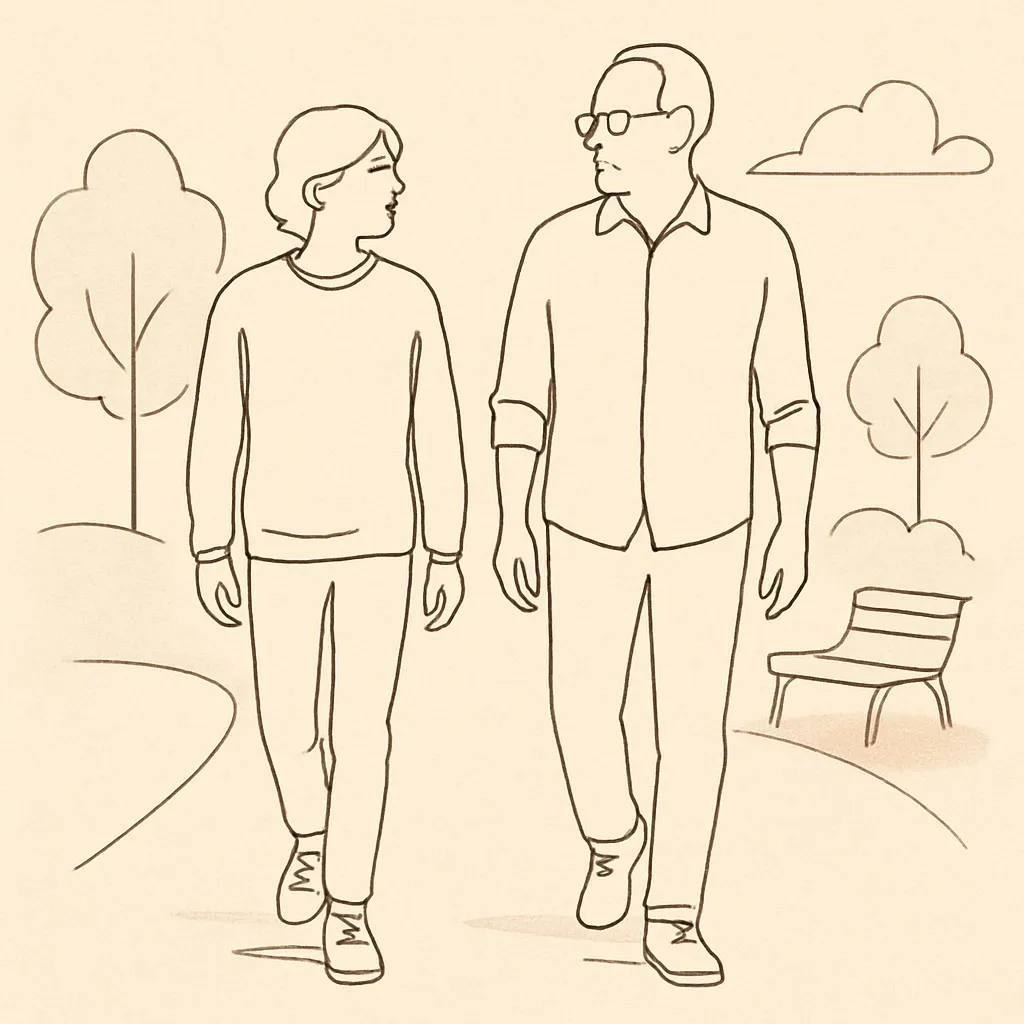
On a walk. You bring up consent, carefully, because they're 16 now and dating. Your teen: “Mom. Stop. Yes, I know what consent means. They taught us in seventh grade.”
What we usually say — and why it backfires.
It's important. I just want to make sure.
I KNOW. Yes means yes, no means no. Can we move on?
Okay, fine.
(Conversation ends. The harder concepts — enthusiastic consent, alcohol, power dynamics — never come up.)
- “I just want to make sure” treats consent as a single-checkbox concept the teen has confirmed knowing. They have. That isn't the part that needs the conversation.
- Accepting “yes means yes, no means no” as sufficient lets the easy version do the work the hard version is for.
- The conversation ends. They go into adult sexual situations without the framework that actually matters.
What works — and why.
Cool. So you know the basic version — yes means yes. Three questions you maybe haven't been asked: one, what if they say yes but seem drunk? Two, what if YOU say yes but feel weird about it after? Three, what does enthusiastic consent look like, versus polite yes-to-make-it-stop?
...okay, those are harder.
Yeah. The seventh-grade version is true and incomplete. The grown-up version is: a yes you're not sure about is a no until you can ask again sober. Wanting to leave and not knowing how is the actual hard part. We don't have to talk through all of it tonight; I just want you to have heard those questions.
- Acknowledging they've heard the basic version frees both of you to go to the layers that matter — without ego on either side.
- The three questions (drunk yes, post-hoc weirdness, enthusiastic vs polite) are the consent concepts that actually come up in college and that most sex ed skips.
- “A yes you're not sure about is a no until you can ask again sober” is a sentence they can carry. Worth more than a six-hour course.
Key phrases to reach for in the moment.
- So you know the basic version. Three questions you maybe haven't been asked:
- What if they say yes but seem drunk?
- What if YOU say yes but feel weird about it after?
- A yes you're not sure about is a no until you can ask again sober.