
What's happening.
Your teen says, sideways, not looking at you: “I think I might be gay. Or bi. I'm not sure yet.” You feel your face react before your brain decides what to do.
What we usually say — and why it backfires.
Are you sure? You're so young. How can you know?
I'm 15. I know.
It's fine if it's a phase. I just don't want you to make a big deal out of it if it isn't.
Forget I said anything.
- “Are you sure?” is the question every gay teen has rehearsed answering — and the one that confirms they shouldn't bring you the next harder thing.
- “If it's a phase” reads as “I'm hoping it's a phase,” regardless of intent. The hope itself is the harm.
- “Don't make a big deal out of it” is the parent asking the teen to manage the parent's discomfort. It reverses the role.
What works — and why.
Okay. Thank you for telling me. I love you no matter what — full stop. That's the most important thing I want you to walk out of this conversation knowing.
Okay.
Do you want to tell me more, or do you just want me to know for now?
Just know for now. I don't really want to make it A Thing yet.
Got it. We don't have to make it A Thing. You tell me what you want when you want.
- “I love you no matter what — full stop” is the only sentence that has to land. Everything else can be processed later. This one can't wait.
- “Tell me more, or just want me to know for now?” gives the teen back the steering wheel — they get to choose how big the conversation is.
- “We don't have to make it A Thing” acknowledges that identity formation is theirs to pace, not yours to announce.
Why this script works on a teen brain.
The Trevor Project's annual surveys of LGBTQ+ youth produce one of the most consistent findings in adolescent mental-health research: family acceptance — even imperfect, even fumbling — reduces the risk of self-harm and suicide attempt by roughly half. A parent's first response to a coming-out does not have to be perfect to be protective. It has to be unmistakably non-rejecting. That single distinction is doing most of the work.
The "are you sure?" trap deserves particular attention because well-meaning parents fall into it constantly. Asked of a teen who has spent months or years thinking through this disclosure, the question reads as doubt about their report on their own interior. It teaches them to triple-check before bringing you anything identity-relevant — about themselves, friends, anything. Subsequent disclosures don't come, or they come as crises rather than conversations.
The "tell me more, or just want me to know for now" move respects something many parents miss: coming-out is a process, not an event. The teen may genuinely not know exactly what label fits yet. Forcing precision in the first conversation — pinning down gay vs bi vs questioning — robs them of the room to figure it out alongside you. The parents who hold the room open get the long version, eventually. The parents who pin down lose access to the question.
Same dynamic, different surface.
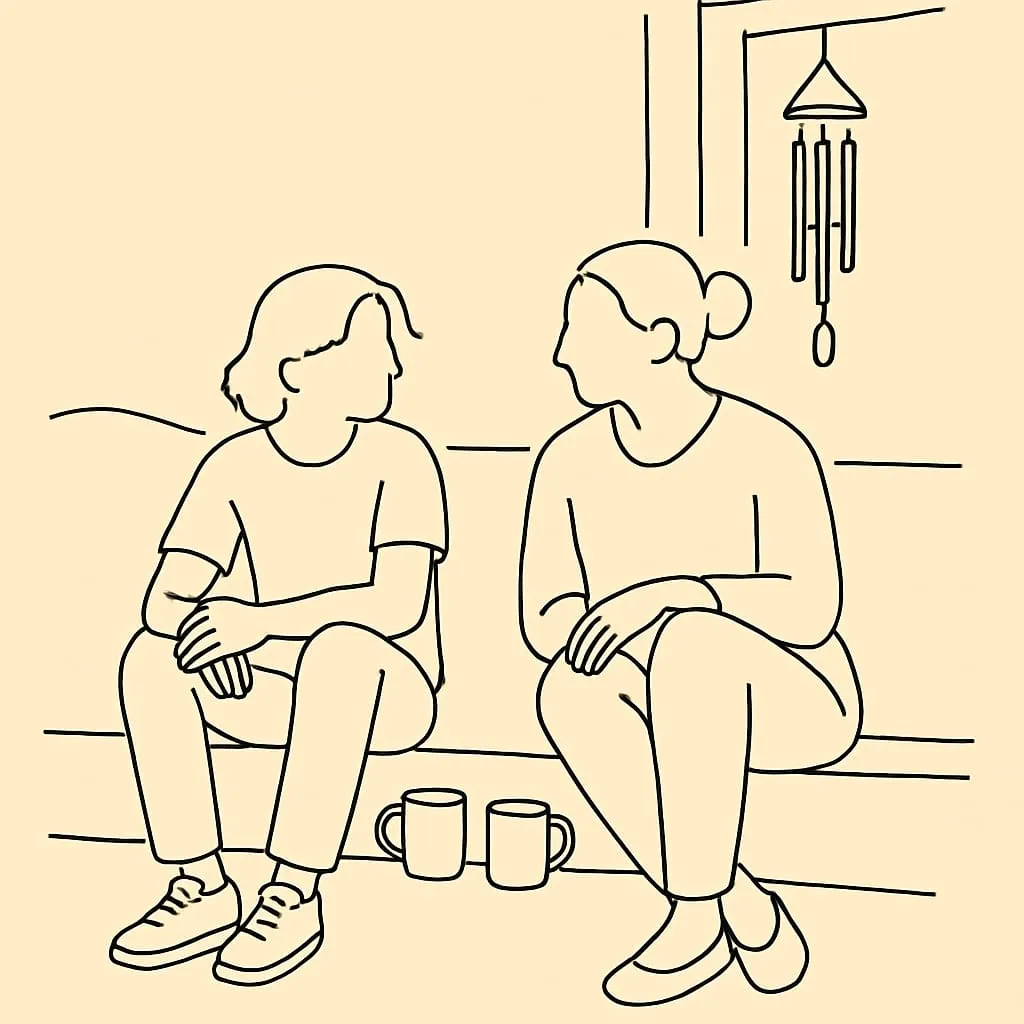
Your 16-year-old asks you, in the car, in a neutral voice: "Would you use a different pronoun if I asked you to?" They haven't asked yet. They're testing whether the asking is safe.
What usually happens.
Honey, why would you ask that? Is something going on?
Nothing's going on. I was just asking.
Because if there's something going on, you should just tell me. I'm not going to overreact.
I said it's nothing. Forget it.
- "Why would you ask that" is itself the wrong response — the teen is asking a hypothetical to test the temperature, and the parent has answered with surveillance.
- "I'm not going to overreact" is what overreaction sounds like to a teen. The promise itself signals that overreaction was on the table.
- "Forget it" is the teen retracting the test. They didn't get the safe-temperature reading; the real ask is now months further away.
What works better.
Yeah. If you asked me to, I would. Might mess up for a while as I get used to it — but I'd try, and I'd want you to correct me when I slipped.
Okay.
(after a pause) I'm not asking if you're asking. You'd tell me when you wanted to. I just wanted you to know the answer to the question was yes.
Thanks.
- Answering the hypothetical as a hypothetical — without converting it into an interrogation — gives the teen the temperature reading they came for.
- Naming that you'd mess up and want correction signals you take the real-world mechanics seriously rather than promising a perfection you can't deliver.
- "I'm not asking if you're asking" is the rare parental move that explicitly hands the disclosure pace back to the teen. They almost always come back through that door, on their own timeline.
Key phrases to reach for in the moment.
- Thank you for telling me.
- I love you no matter what — full stop.
- Do you want to tell me more, or do you just want me to know for now?
- You tell me what you want when you want.
When to use each one.
-
Thank you for telling me.
Use as the absolute first response, before processing your own reaction. Buys you the chance to do the next sentence well.
-
I love you no matter what — full stop.
Use as the only non-negotiable line. Everything else can be processed later; this can't wait the conversation.
-
Do you want to tell me more, or do you just want me to know for now?
Use to lower the bar. The teen picks the pace; the door stays open either way.
-
I'm not asking if you're asking. I just wanted you to know the answer was yes.
Use when they float a hypothetical to test the temperature. Hands disclosure pace back to them explicitly.