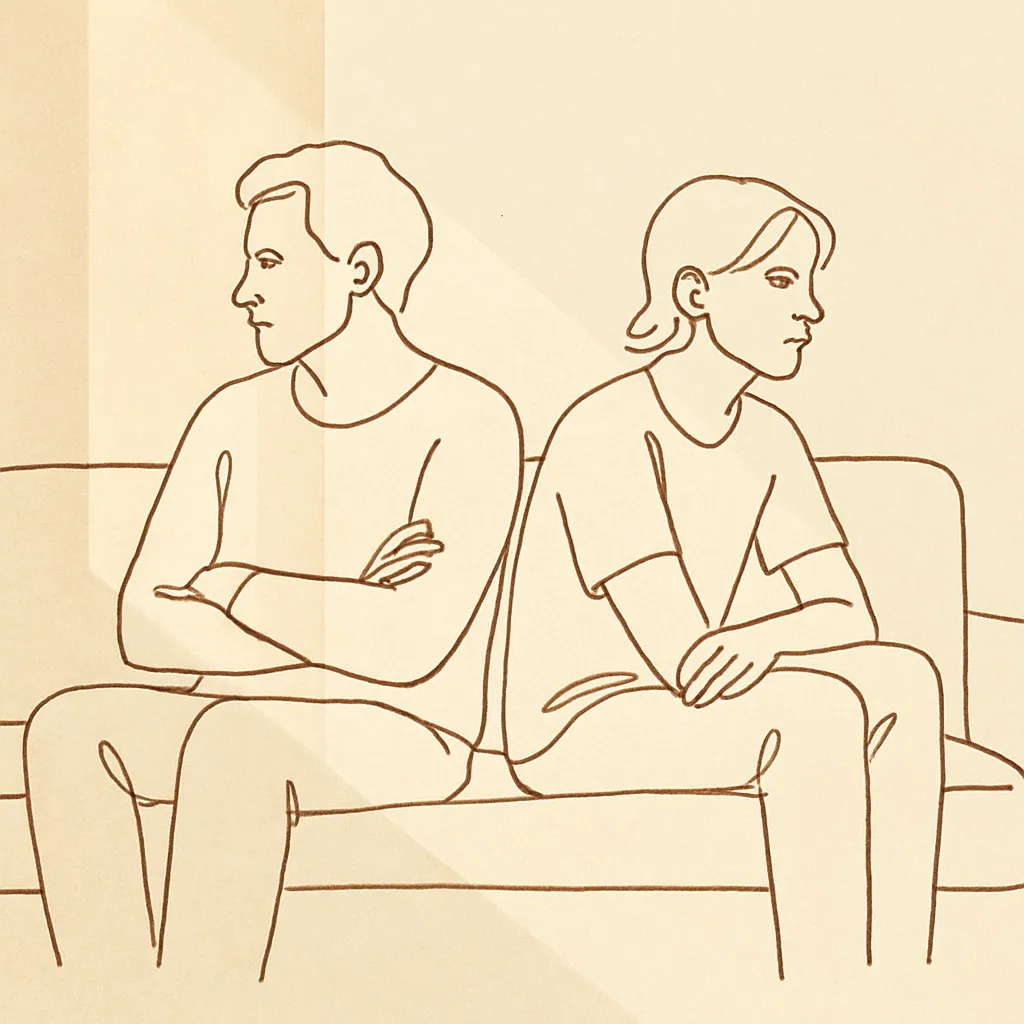
What's happening.
It's 10:30am on a Wednesday in July. Your 12-year-old has been horizontal on the couch since 9. They drop the phone on their chest with maximum drama: "Mom. I am so. Bored."
What we usually say — and why it backfires.
Then go DO something! There are a million things you could do. Read a book. Go outside. Call a friend.
Ugh. None of those sound fun.
When I was your age I would have killed to have a summer with nothing to do.
Cool. Can I have my phone back, then?
- The list of options (“read a book, go outside, call a friend”) is what every parent says and what no bored teen has ever accepted. It puts the initiation work on a brain that's struggling to initiate.
- “When I was your age” closes the conversation. They're not arguing the historical record; they're telling you they feel bad right now.
- Handing back the phone solves the boredom in 30 seconds and re-creates it in 90 minutes. You'll have this conversation seven more times today.
What works — and why.
Yeah. Boredom is genuinely uncomfortable. The trick is not to fix it the second it shows up.
Why not? I hate it.
Because that's when ideas come. If you give in to the phone right away, you'll be bored again in an hour. If you stay with it for like twenty minutes, your brain starts handing you stuff.
That sounds fake.
Probably. Try it. Twenty minutes, no phone, see what your brain offers. If it's nothing, I'll drive you somewhere or we'll do something together.
- Naming boredom as genuinely uncomfortable validates the feeling without rushing to solve it. The teen is no longer alone with it.
- Explaining the mechanism (boredom precedes ideas) treats them as someone who can reason about their own brain — which most teens love.
- The offer (“twenty minutes, then I'll help”) sets a real, short ceiling. It's a deal, not a lecture.
- If the twenty minutes produces nothing — fine, you drive them somewhere. The point was the practice, not the punishment.
Key phrases to reach for in the moment.
- Boredom is genuinely uncomfortable.
- The trick is not to fix it the second it shows up.
- Give your brain twenty minutes and see what it hands you.
- If nothing comes, I'll help. That's a real offer.