What's happening.
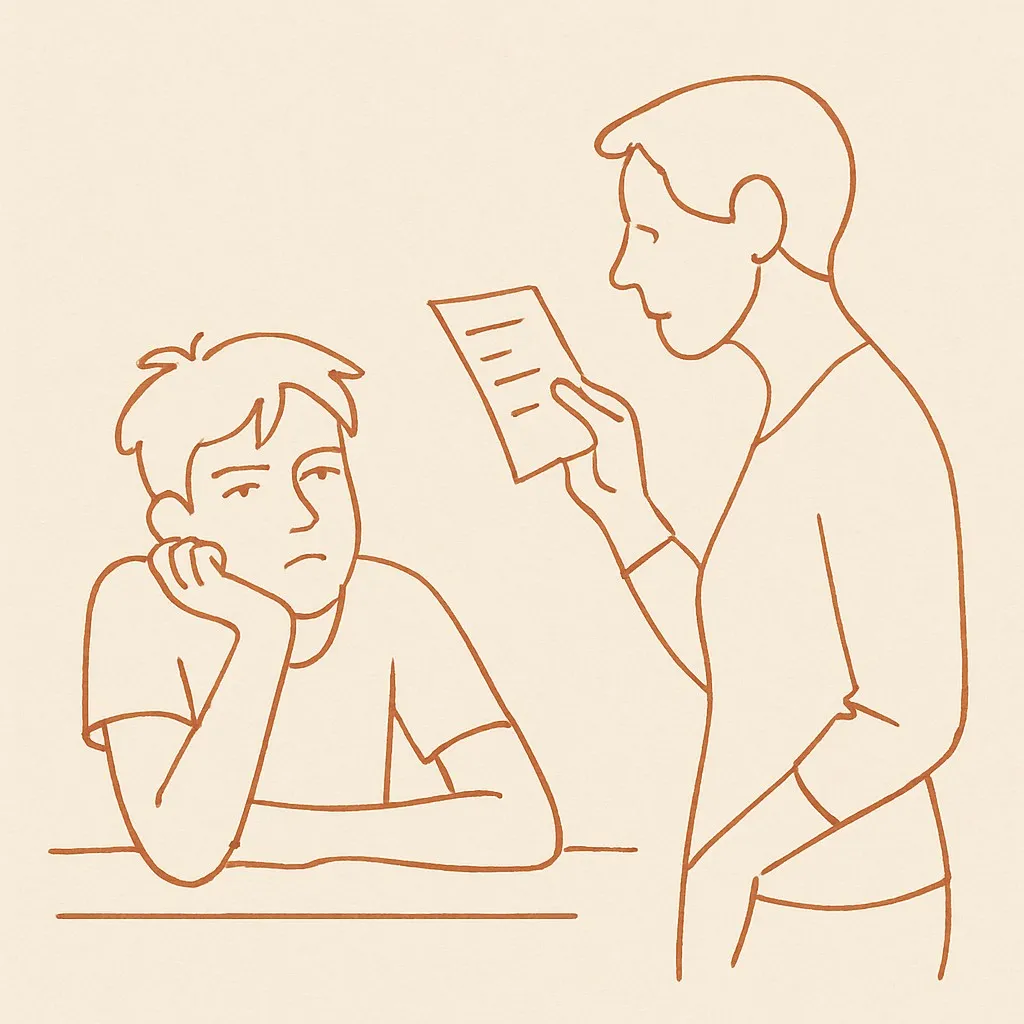
Saturday morning. The chore list is on the fridge. Your 14-year-old: “I shouldn't have to do these. You decided to have me, this isn't my contract.”
What we usually say — and why it backfires.
You absolutely have to. You live here.
Yeah, because I'm a minor and I have no choice. That's not consent.
Oh, are you a philosopher now? Get to the dishes.
(does dishes badly, slowly, while resenting you)
- “You absolutely have to” doesn't engage the argument the teen actually made — and they know it's an argument with teeth.
- Mocking them (“are you a philosopher now”) closes off any chance you'll get genuine buy-in to anything in the household.
- Slow, sloppy dishes are the predictable malicious-compliance outcome. You win the task and lose the household culture.
What works — and why.
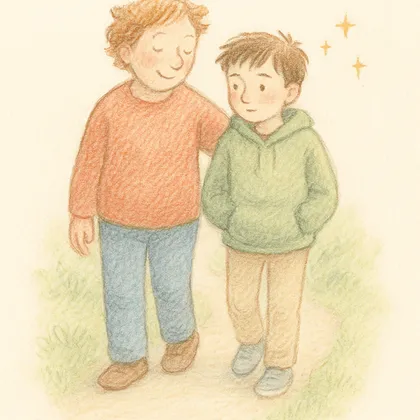
Honestly? That's a fair philosophical point and I'm not going to debate it because you'd probably win. The pragmatic answer is: this household runs on shared labor, and you're a member. Same way I do dishes some days even when I don't want to.
But I didn't sign up for this household.
Nobody does, including me. Here's what we CAN do: let's renegotiate the list. You pick the chores you'd actually choose if you got input. Same volume, your selection. Workable?
...okay. I'll do trash and dishes if I don't have to fold laundry.
Deal.
- Conceding the philosophical point disarms it instantly. The teen wanted to be taken seriously; they were; now the pragmatic conversation can start.
- “Same way I do dishes some days even when I don't want to” levels the playing field — household contribution is a thing adults do too, not a kid tax.
- Letting them re-select the chores (same total work) gets near-universal buy-in. They picked it; they do it; the resentment evaporates.
Key phrases to reach for in the moment.
- Honestly? That's a fair philosophical point and I'm not going to debate it.
- Same way I [do unwanted task] even when I don't want to.
- Let's renegotiate the list. Same volume, your selection.
- Deal.