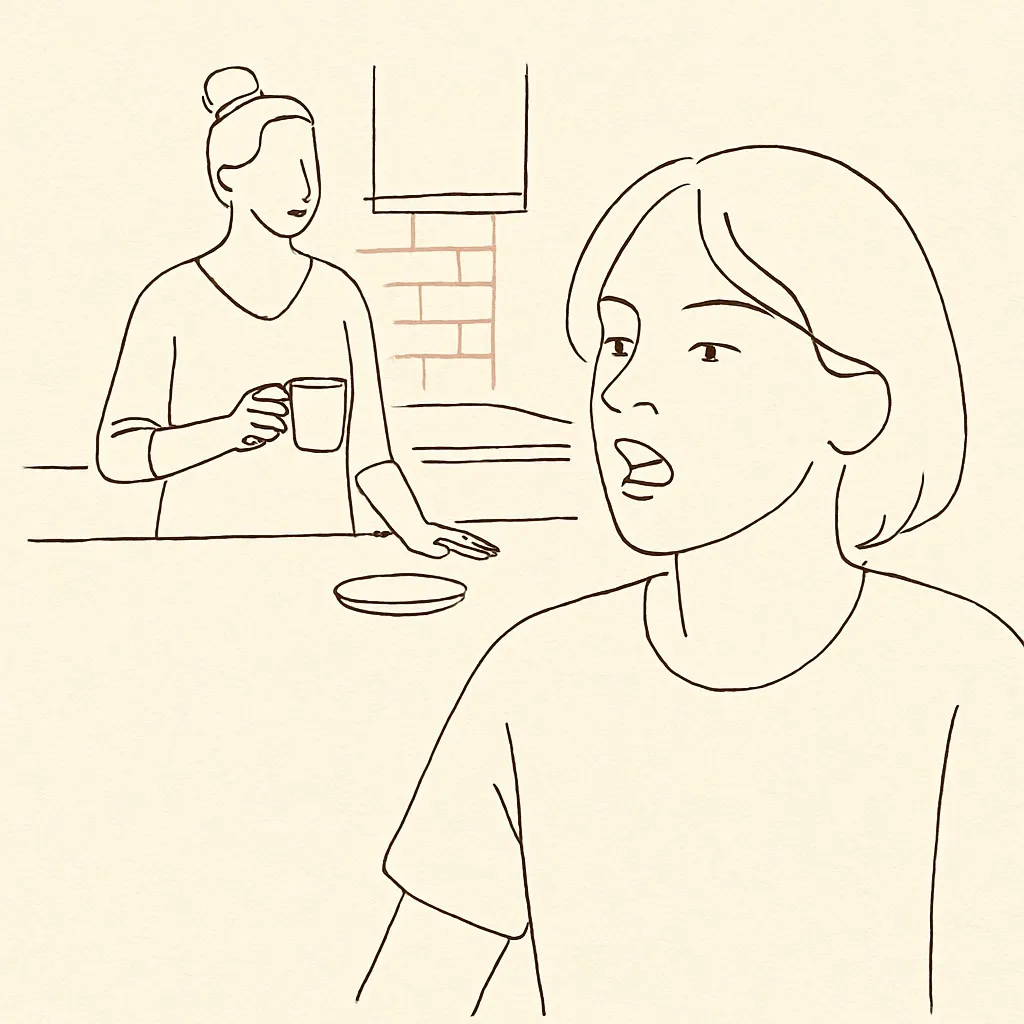
What's happening.
You ask your teen who Maya is. They roll their eyes hard: “Oh my god. I already told you that. She's my chemistry partner.” The volume seems out of proportion. To you. Not to them.
What we usually say — and why it backfires.
I have a lot going on. I can't remember the name of every kid you've mentioned.
You never listen.
Don't start with me. I work full time and run this house.
Forget I said anything.
- Reaching for your workload as a defense is technically true and conversationally fatal — the teen doesn't care that you're tired, they care that they're invisible.
- “You never listen” is hyperbole, but “I have a lot going on” confirms the underlying complaint instead of disarming it.
- “Forget I said anything” is your teen logging another data point: bringing things up to you is more cost than it's worth.
What works — and why.
You're right, I should remember her name. Maya. Chemistry partner. Tell me about her.
She's just… she's really smart and she's funny and she always wants to be lab partners with me.
I love that. What's your favorite thing she's said this week?
She called Mr. Patel 'human Wikipedia' to his face and he wasn't even mad.
- Owning the slip in 6 words (“You're right, I should remember”) ends the conflict in 6 words.
- Repeating the name + role aloud is both an apology and a memorization device. The teen hears: you matter enough that I'm going to make sure I get this right.
- “What's your favorite thing she's said this week?” converts the apology into actual investment. The teen leaves the conversation feeling closer, not just heard.
Why this script works on a teen brain.
Adolescents are building an internal map of who matters to them — and the people, classes, and obsessions on that map are how they're constructing the self. When a parent forgets a name on the map, the brain doesn't register "my parent is busy"; it registers "the people I care about don't matter to my parent." That's a much bigger inference than the slip warrants, but it's the one teens make because they're cognitively wired to over-read the social signal.
The defense ("I have a lot going on") is technically true and developmentally tone-deaf. You're answering a question about whether you're paying attention with evidence that you can't. The teen's volume isn't proportional to the offense — it's proportional to how many times they've felt invisible recently. Take it as a meter reading on the whole month, not a verdict on this specific moment.
The repair is small and cheap. A 20-second apology that names the person and the role wipes the slate clean and adds a tiny rep to your memory — both of which compound. Parents who make this repair routinely have markedly higher rates of teens still volunteering information about their social world by senior year.
Same dynamic, different surface.
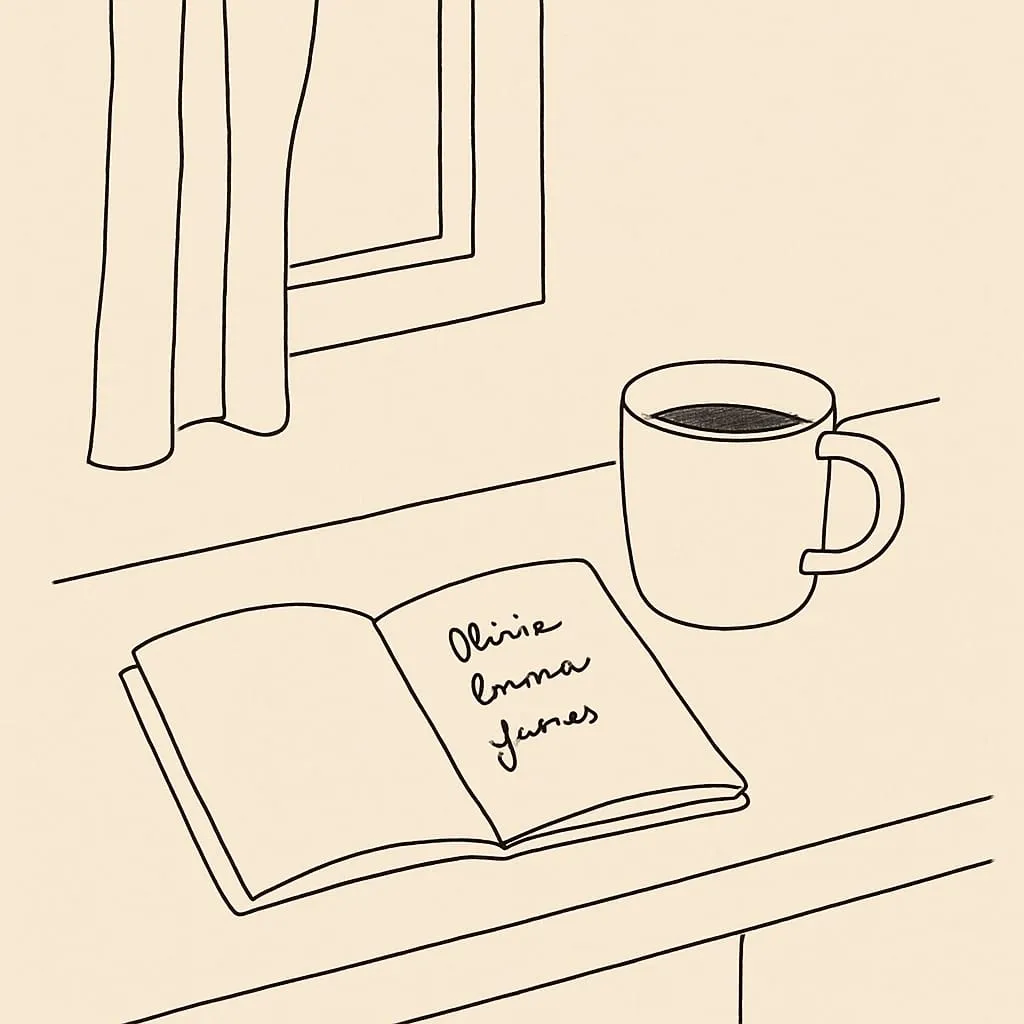
Your 13-year-old reminds you, for the third time, that they have a band concert on Thursday. You'd already forgotten twice. They snap: "Why do I even tell you anything? You're going to forget anyway." The previous two reminders had landed and slid off.
What usually happens.
I haven't forgotten, I just have a million things in my head.
Yeah and apparently I'm not one of them.
Don't be dramatic. I'll be there Thursday.
Forget it. You don't have to come.
- "I just have a million things in my head" is a workload defense again — and it confirms the teen's accusation rather than countering it.
- "I'll be there Thursday" feels like a promise made under pressure, which is exactly the kind teens stop trusting.
- "You don't have to come" is the teen pre-protecting themselves from your next forgetting. Worth treating as data.
What works better.
You're right that I keep dropping it. That's on me, not on you. Hand me my phone — I'm putting it in the calendar in front of you, with the time, with a reminder set.
...okay.
Concert at 7 Thursday. Locked in. I owe you for the two times I forgot — what's the after-concert plan, your call?
...can we get pie?
Pie. Done.
- Putting it on the calendar in front of them is theater that matters — they get to see the system get more reliable, not just hear you promise.
- "I owe you" treats the missed reminders as a real debt instead of trying to talk past them. Teens find that adult and unusual.
- Letting them name the repair (pie) keeps the moment from feeling like a transaction. They're not collecting; they're being met.
Key phrases to reach for in the moment.
- You're right, I should remember.
- [Name]. [Role]. Tell me about [them].
- I love that.
- What's your favorite thing they've said this week?
When to use each one.
-
You're right, I should remember.
Use as the first response to any "I already told you" — never lead with the workload defense, even if it's true.
-
[Name]. [Role]. Tell me about [them].
Use immediately after the apology. Repeating the name aloud is both an apology and a memorization trick that genuinely works.
-
Hand me my phone — I'm putting it in the calendar in front of you.
Use when the forgotten item has a date attached. Public calendaring is one of the most underused trust-rebuilding moves.
-
What's your favorite thing they've said this week?
Use to convert the apology into investment. Almost always gets a longer, warmer answer than expected.