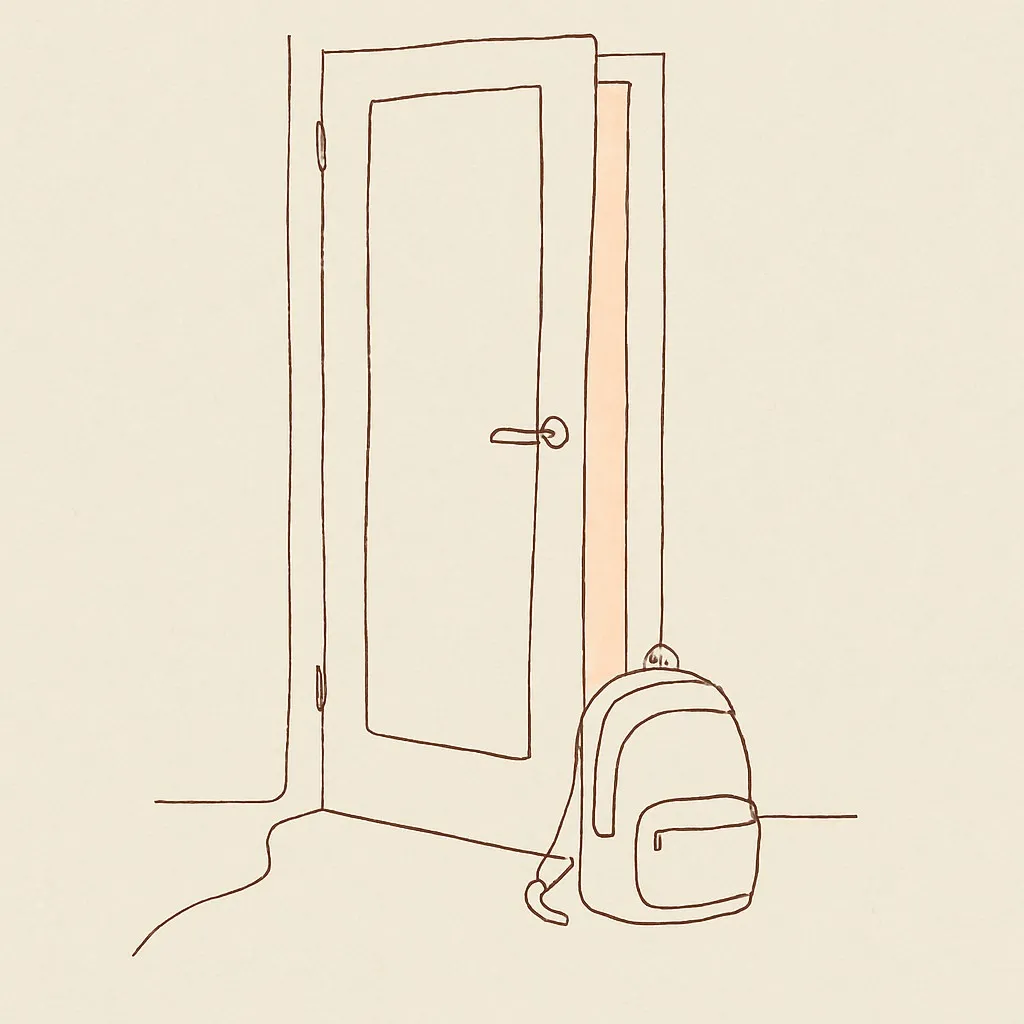
What's happening.
You knock and step into your teen's room to put laundry away. They explode: “Get out of my room!” The reaction is huge for the situation. Your instinct is to match it.
What we usually say — and why it backfires.
GET OUT OF MY ROOM.
Excuse me?! Don't you DARE talk to me like that. This is MY house.
Then I'll go live somewhere else.
Good luck supporting yourself!
- Matching the volume escalates a teen's already-flooded nervous system into a full meltdown — the conversation is now unrecoverable.
- “This is MY house” is true and irrelevant; you're picking the wrong fight.
- The “go live somewhere else” / “good luck” exchange burns trust for weeks. You'll both regret it by morning.
What works — and why.
Okay. I'm putting these on the bed and stepping out. We'll talk later when we've both cooled down.
(Parent steps out. 20 minutes pass.)
Hey. That seemed bigger than just me being in your room. Anything you want to tell me about, or do you need to just be left alone for a while longer?
...sorry. Bad day.
Okay. No need to apologize right now. Want to come down for food when you're ready?
- The 20-minute pause is the single most important parenting move with a flooded teen brain. Cortisol takes that long to clear; nothing useful happens before then.
- Coming back without making them apologize first lets them apologize voluntarily, which they almost always do.
- “Want to come down for food” is a low-stakes re-entry that restores connection without rehashing.
Why this script works on a teen brain.
When a teen erupts, they are not making a choice. The amygdala has hijacked the prefrontal cortex — a state neuroscientists call "flooding." In this state, a teen cannot process language well, cannot weigh consequences, and cannot exercise impulse control. The cortisol takes 20 minutes to clear. Nothing useful happens before then. This is biology, not character.
The single highest-leverage parenting move in adolescence is the 20-minute pause. Parents who reflexively match the volume of a flooded teen turn a 5-minute eruption into a 3-week cold war. Parents who step out — without slamming, without performing wounded — give the teen's nervous system time to come back online. When the parent returns, the conversation that happens is on entirely different neural hardware.
The re-entry move matters too. "That seemed bigger than just me being in your room" gives the teen language for what they were already experiencing — that the eruption wasn't really about you. And "no need to apologize right now" is the masterstroke: it removes the only obstacle (their shame about how they behaved) standing between you and reconnection. They will almost always apologize voluntarily, often within an hour. Forced apologies don't repair; voluntary ones do.
Same dynamic, different surface.
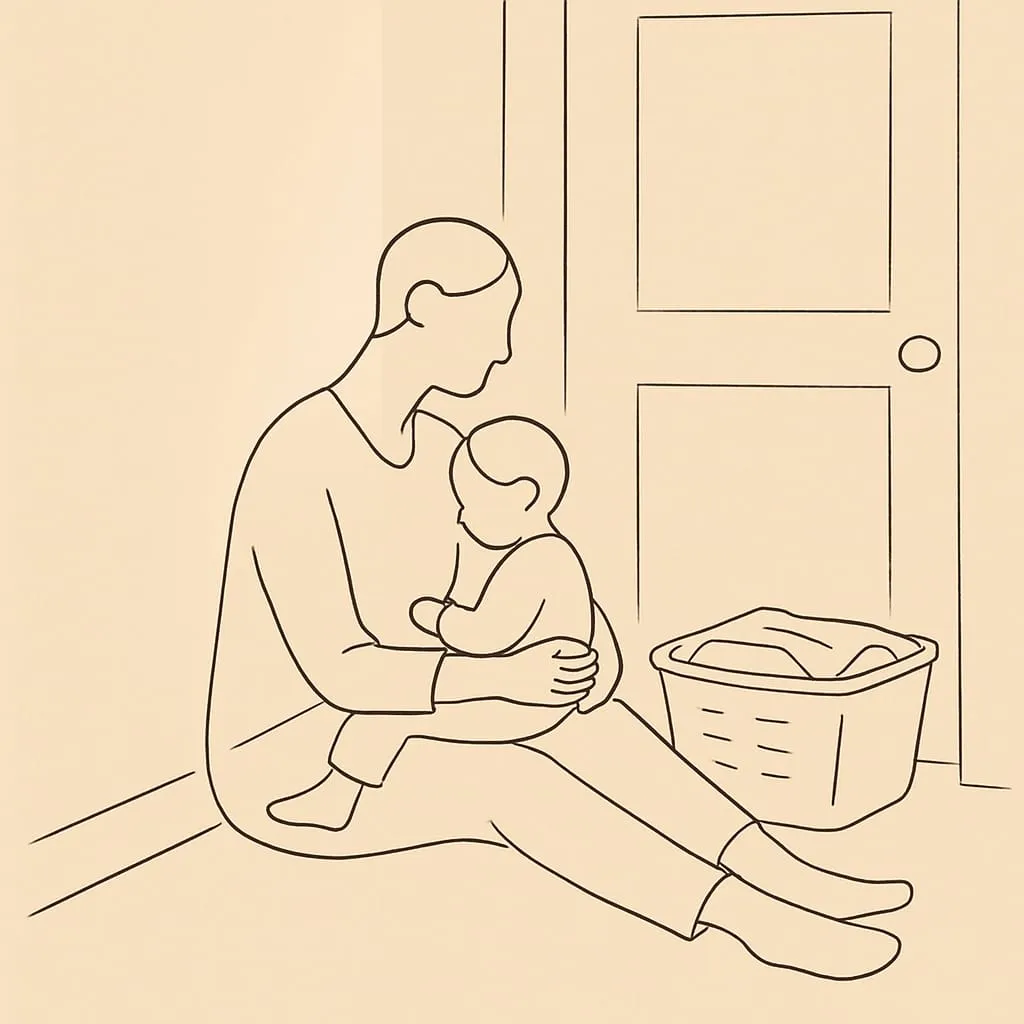
You walk past your 15-year-old's room and notice the door has been kicked. There's a clear bootprint at the bottom. They're inside, sounds quiet. You knock and say, "Hey, what happened to the door?" They scream, "NOTHING! GO AWAY!"
What usually happens.
Do not yell at me. You kicked the door. You're paying for it.
FINE. Take it out of my money. Just GO.
And you're grounded for a week. We'll talk about this when you're ready to be civilized.
Whatever.
- Leading with the consequence (the door, the money) tells the teen that the property damage matters more than whatever just happened to them — which, given they kicked the door, is huge.
- "When you're ready to be civilized" frames their state as a moral failing instead of a neurological one. They'll harden, not soften.
- Layered punishments (pay for door + grounded) compound resentment without addressing the cause.
What works better.
Got it. I'll come back later.
(Sits on the hallway floor with a book for 25 minutes. Doesn't text. Doesn't leave.)
Hey. I'm here in the hall if you want company. No questions about the door.
...come in.
Tell me whatever you want to tell me. Or nothing.
I didn't make varsity. I just found out.
- Sitting on the hallway floor — physically present, not retreated — is a quiet signal of unconditional availability. Many teens come out within 30 minutes when this happens.
- "No questions about the door" explicitly removes the thing they're afraid you'll lead with. The eruption itself stops being the issue.
- The door damage is now a much smaller conversation, one that happens after the real thing has surfaced. Repair, payment, and consequences all fit easier into a connected relationship than a hostile one.
Key phrases to reach for in the moment.
- Okay. I'm stepping out. We'll talk later when we've both cooled down.
- (Then wait 20 minutes.)
- That seemed bigger than just me being in your room.
- No need to apologize right now.
When to use each one.
-
Okay. I'm stepping out. We'll talk later when we've both cooled down.
Use the moment a teen escalates. Don't argue, don't justify — just exit calmly.
-
(Then wait 20 minutes.)
Use as your private mantra. The neurology requires the time. Do not return early.
-
That seemed bigger than just [the trigger], didn't it?
Use as the re-entry question. Gives the teen language for what they were feeling without forcing a confession.
-
No need to apologize right now.
Use to remove the shame obstacle. Apology comes voluntarily and lands deeper this way.