The short version.
A genre of viral content where the 'prank' is non-consensual filming of strangers — confronting them in stores, scaring elderly people, harassing service workers. The teen creator films, the victim reacts, the audience cheers. The genre has been associated with assault, racial incidents, and multiple arrests of young creators. The risk to your teen is being on either side of the camera.
The platforms and contexts.
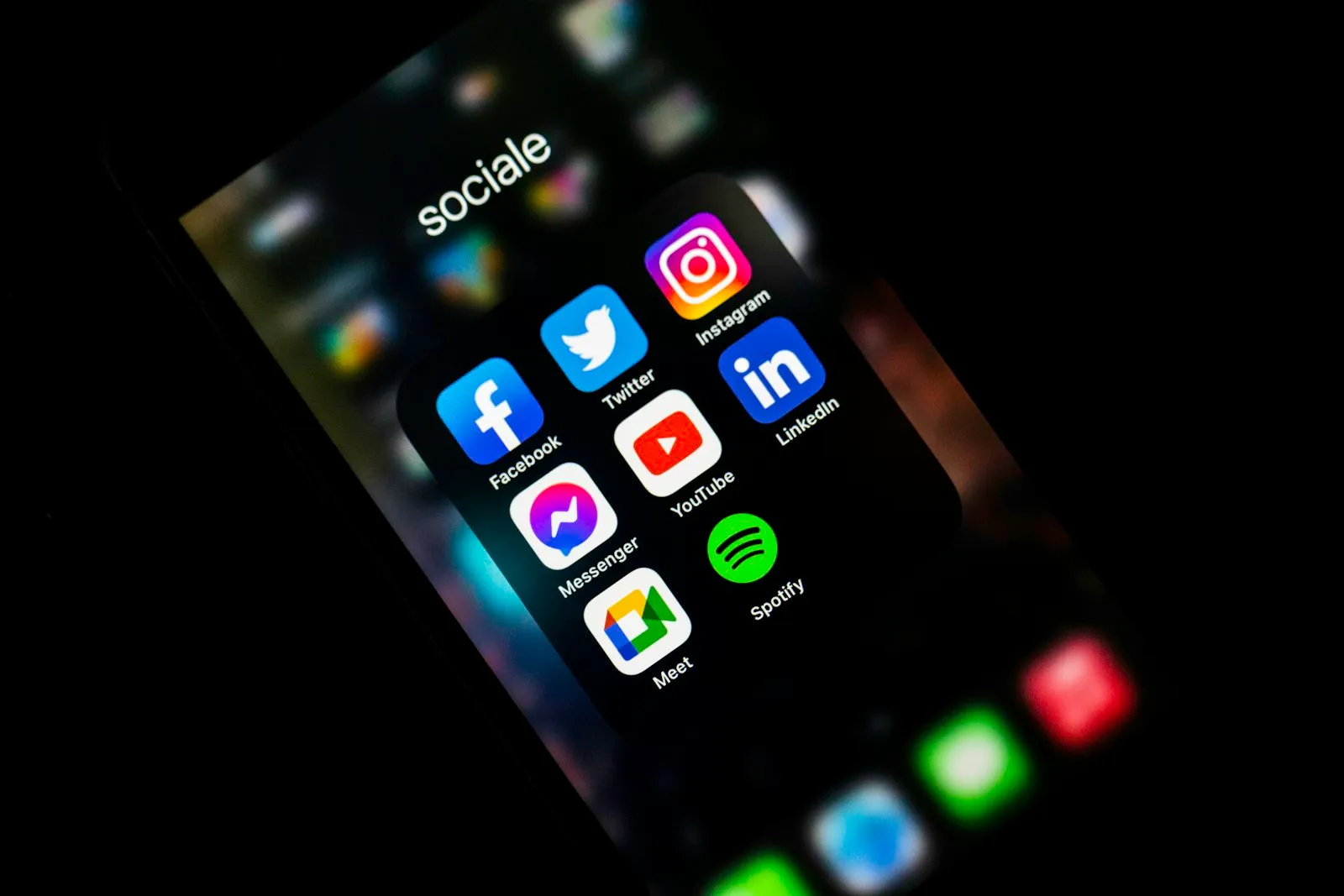
TikTok, Instagram Reels, YouTube Shorts. The format is highly algorithmic — once a teen engages with one, the algorithm serves many more.
The timeline.
The genre traces to the YouTube 'public prank' era of 2010–2015, mutated through the Vine 'flash prank' era, and exploded on TikTok between 2020 and 2024.
The core facts a parent needs.
- Multiple young creators have faced felony charges (battery, criminal harassment, even kidnapping) for content that read on camera as 'just a prank.'
- Filming an unconsenting person in their home or business can also bring civil liability in most U.S. states.
- The genre's victims have included service workers, elderly people, and people of color disproportionately. Some videos cross into hate-crime territory.
What's actually at stake.
- Criminal charges for the creator; physical injury when victims defend themselves; civil suits for invasion of privacy.
- The bystander (your teen as audience) is being trained to find harassment funny, which changes their reactions in real life.
- If your teen appears in someone else's prank video as the victim, the video circulates indefinitely and is hard to remove.
The talk that lands — try it now.
Imagine you just learned your teen brushed up against this. You have 60 seconds before the conversation begins. What you say first decides whether the next 20 minutes opens the door — or slams it.
"What were you thinking? Give me your phone — now."
Panic + punishment in the same breath. The teen reads it as "every honest detail will be used against me." The phone comes; the truth doesn't.
What would you open with instead? Picture it for a beat — then…
"I want to ask about something — no trouble, I just want to understand it. Can we sit for five minutes?"
Curiosity, not court. Promise of safety in the first sentence. Time-bounded so it doesn't feel like a trap. Almost every teen says yes to five minutes.
Then, in those 5 minutes:
- Have the conversation early: "Filming a stranger without their consent is a legal risk and a moral one. If you wouldn't do it without the camera, the camera doesn't make it okay."
- If your teen is in a prank video as the victim, file a report with the platform under the harassment / minor-protection category.
- Stay alert to a sudden spike in your teen's engagement-bait content; it tends to escalate over weeks.
Try saying it out loud once before you close this tab. Cool parents rehearse — yelled parents wing it.
Practice 200 more parent–teen scripts →Concrete next steps.
- Have the conversation early: "Filming a stranger without their consent is a legal risk and a moral one. If you wouldn't do it without the camera, the camera doesn't make it okay."
- If your teen is in a prank video as the victim, file a report with the platform under the harassment / minor-protection category.
- Stay alert to a sudden spike in your teen's engagement-bait content; it tends to escalate over weeks.
Call or text 988 (Suicide & Crisis Lifeline, 24/7) · Text HOME to 741741 (Crisis Text Line) · Find a child psychiatrist at aacap.org · For immediate danger, call 911.