The short version.
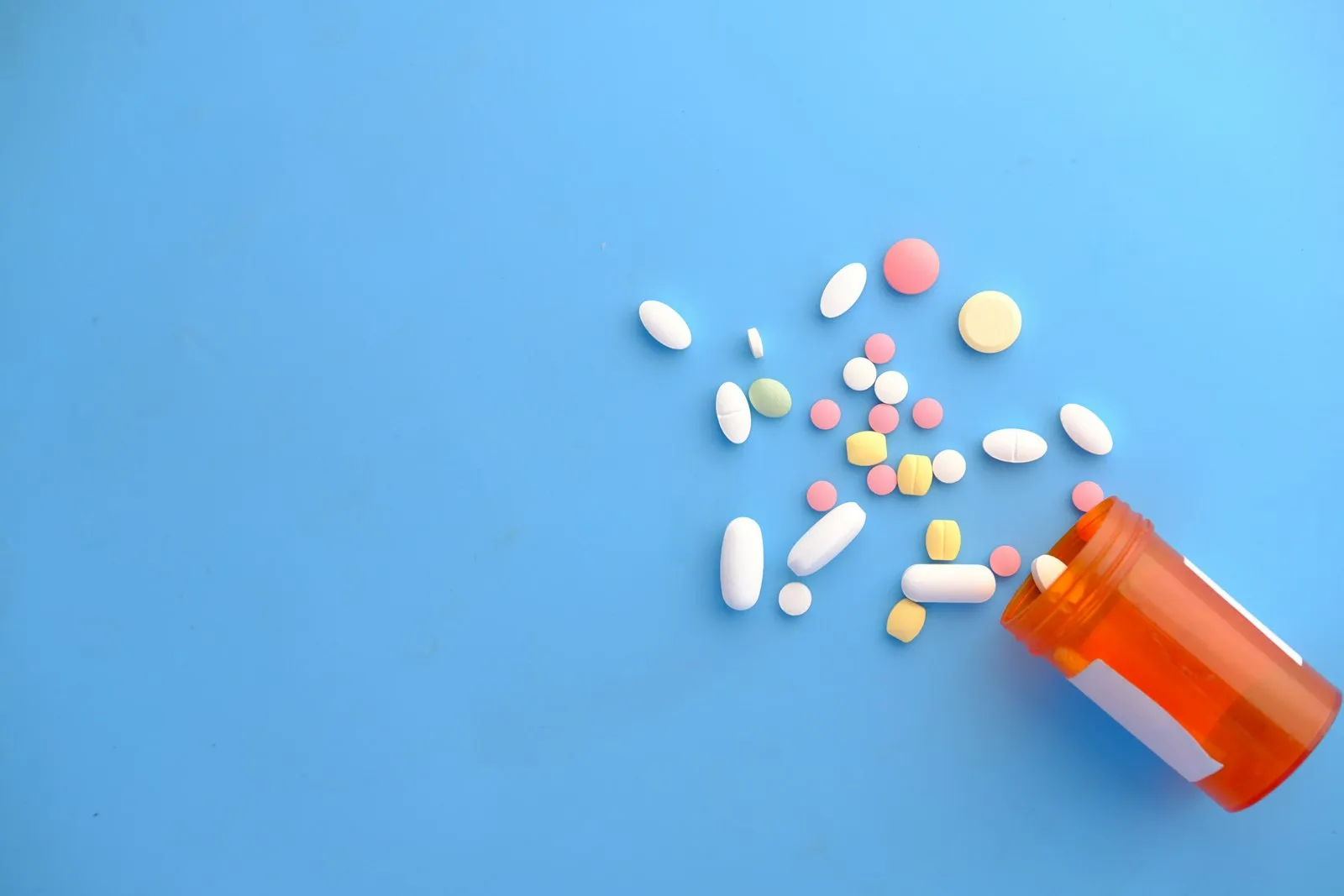
A genre of 'soft' drug content frames MDMA, ketamine, mushrooms, and party-drug edibles as aesthetic, healing, or vaguely therapeutic — often using the language of wellness or microdosing. The framing strips out dosing variability, contamination risk, and the specific dangers of polysubstance use (alcohol + MDMA being a common one). The audience skews affluent and college-bound.
The platforms and contexts.
Instagram lifestyle accounts and Reels, TikTok 'plant medicine' content, podcast clips of celebrities discussing psychedelic experiences out of clinical context.
The timeline.
The 'soft' framing — borrowing from the legitimate clinical research on psilocybin and MDMA-assisted therapy — leaked into teen-facing content roughly 2020–2024. Festival/concert culture has carried the same dynamic for decades.
The core facts a parent needs.
- Adolescent brain development is the actual concern. Drugs that are statistically lower-risk for healthy adults are higher-risk for teens because of ongoing brain maturation.
- Test strips for fentanyl ($5) are available legally everywhere and detect contamination. They are not condoning use; they are reducing the death-on-first-try risk.
- Most teen MDMA and ketamine deaths are polysubstance — combined with alcohol, opioids, or counterfeit pills. The combinations are the danger.
What's actually at stake.
- Acute risks: hyperthermia and hyponatremia from MDMA; bladder/kidney damage from frequent ketamine; severe psychological events from contaminated mushrooms.
- Long-term: serotonergic depletion from heavy MDMA use; cognitive effects from regular ketamine; mood disorders triggered by psychedelics in predisposed teens.
- Polysubstance death rates exceed single-substance by an order of magnitude.
The talk that lands — try it now.
Imagine you just learned your teen brushed up against this. You have 60 seconds before the conversation begins. What you say first decides whether the next 20 minutes opens the door — or slams it.
"What were you thinking? Give me your phone — now."
Panic + punishment in the same breath. The teen reads it as "every honest detail will be used against me." The phone comes; the truth doesn't.
What would you open with instead? Picture it for a beat — then…
"I want to ask about something — no trouble, I just want to understand it. Can we sit for five minutes?"
Curiosity, not court. Promise of safety in the first sentence. Time-bounded so it doesn't feel like a trap. Almost every teen says yes to five minutes.
Then, in those 5 minutes:
- Fact-based talk: read DanceSafe (dancesafe.org) with your teen. Yes, together. It treats them as an adult and tells the truth about each drug.
- If they're going to a festival or party: fentanyl test strips, sealed water, never-leave-a-drink rule, a buddy with the same plan. This is harm reduction, not endorsement.
- Watch for new mood disorders, sleep changes, or dramatic personality shifts — psychedelics can unmask mental-health conditions that need professional attention.
Try saying it out loud once before you close this tab. Cool parents rehearse — yelled parents wing it.
Practice 200 more parent–teen scripts →Concrete next steps.
- Fact-based talk: read DanceSafe (dancesafe.org) with your teen. Yes, together. It treats them as an adult and tells the truth about each drug.
- If they're going to a festival or party: fentanyl test strips, sealed water, never-leave-a-drink rule, a buddy with the same plan. This is harm reduction, not endorsement.
- Watch for new mood disorders, sleep changes, or dramatic personality shifts — psychedelics can unmask mental-health conditions that need professional attention.
See it for yourself.
Call or text 988 (Suicide & Crisis Lifeline, 24/7) · Text HOME to 741741 (Crisis Text Line) · Find a child psychiatrist at aacap.org · For immediate danger, call 911.