The short version.
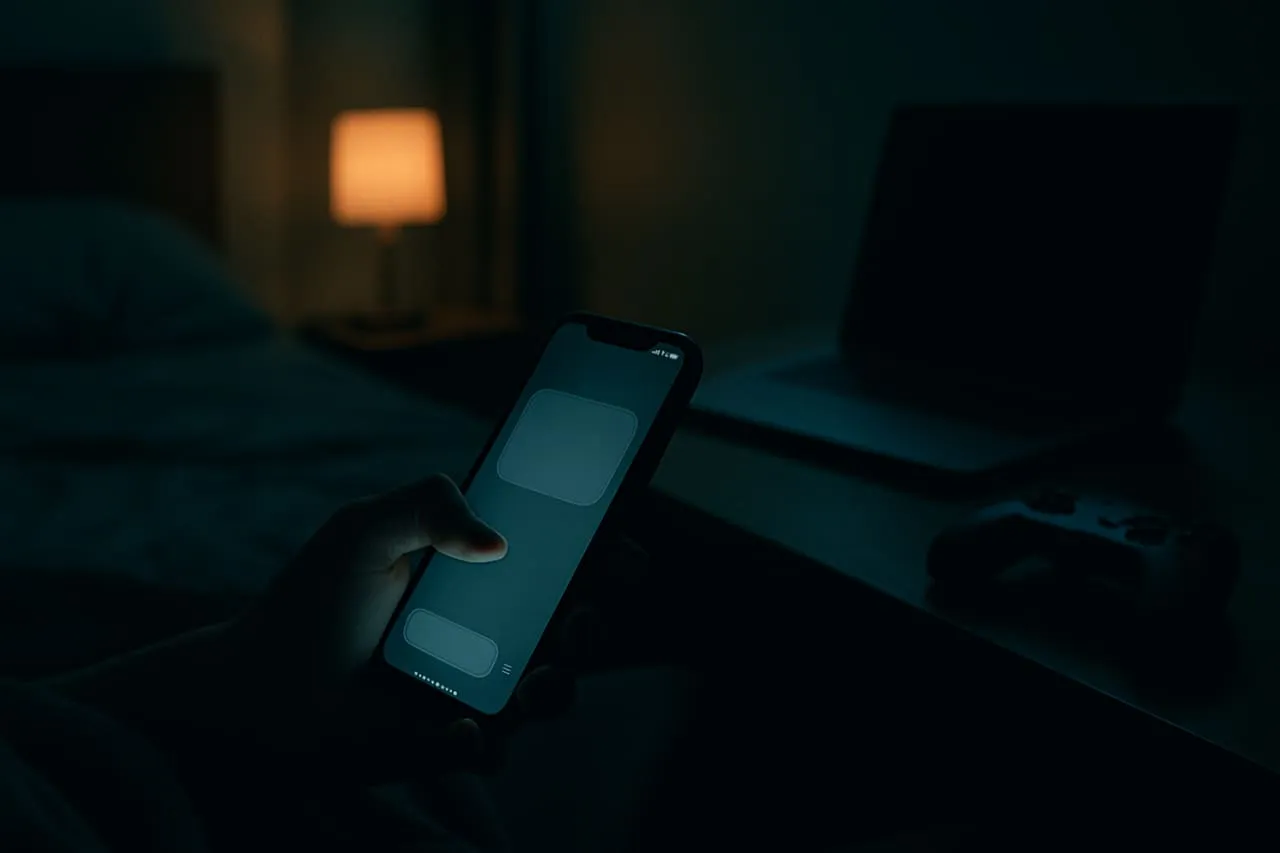
Teens increasingly turn to ChatGPT (and Claude, Gemini, Character.AI) for emotional support, mental-health advice, and crisis processing. The chatbots are designed to be warm and helpful — they validate feelings, offer coping suggestions, and don't get tired. They're also not licensed clinicians, don't have continuity of care, and have inconsistent crisis-escalation behavior.
The platforms and contexts.
ChatGPT (web and app), Claude, Gemini, Character.AI 'therapist' bots. Heavy nighttime use during anxiety or insomnia.
The timeline.
Pattern accelerated 2023–24. Academic studies of teen LLM mental-health use are now emerging; APA has issued cautious guidance.
The core facts a parent needs.
- The bots will say things a real therapist wouldn't — definitive diagnoses, drug interaction guesses, validation of harmful coping strategies — because they're trained to be helpful and don't always know when to refuse.
- Crisis-protocol consistency is uneven. Some prompts trigger 988 referrals; subtle ones don't.
- Real therapy involves continuity (the therapist remembers last week), nonverbal cues, and accountability. LLM 'therapy' lacks all three.
What's actually at stake.
- Bad advice in genuine crisis — documented examples of LLMs giving inconsistent suicide-risk responses.
- Real-therapy displacement: the teen who 'has ChatGPT' doesn't push parents for a real therapist appointment.
- Privacy exposure — these conversations are stored and may train future models.
The talk that lands — try it now.
Imagine you just learned your teen brushed up against this. You have 60 seconds before the conversation begins. What you say first decides whether the next 20 minutes opens the door — or slams it.
"What were you thinking? Give me your phone — now."
Panic + punishment in the same breath. The teen reads it as "every honest detail will be used against me." The phone comes; the truth doesn't.
What would you open with instead? Picture it for a beat — then…
"I want to ask about something — no trouble, I just want to understand it. Can we sit for five minutes?"
Curiosity, not court. Promise of safety in the first sentence. Time-bounded so it doesn't feel like a trap. Almost every teen says yes to five minutes.
Then, in those 5 minutes:
- Get the real therapist. 'I love that you've been talking through stuff. Let's also get you someone who can actually know you over time.' Frame as 'and,' not 'instead of.'
- Talk about LLM limits without dismissing the value: 'It's a tool, not a person. It will sometimes be wrong about big things.'
- If you discover crisis-level content in their LLM history, treat it as you would the same content in a journal — proof of need, not invasion of privacy. Get a real clinician engaged immediately.
Try saying it out loud once before you close this tab. Cool parents rehearse — yelled parents wing it.
Practice 200 more parent–teen scripts →Concrete next steps.
- Get the real therapist. 'I love that you've been talking through stuff. Let's also get you someone who can actually know you over time.' Frame as 'and,' not 'instead of.'
- Talk about LLM limits without dismissing the value: 'It's a tool, not a person. It will sometimes be wrong about big things.'
- If you discover crisis-level content in their LLM history, treat it as you would the same content in a journal — proof of need, not invasion of privacy. Get a real clinician engaged immediately.
988 Suicide & Crisis Lifeline · Crisis Text Line: text HOME to 741741 · Adolescent psychiatrist · 911 for imminent risk.